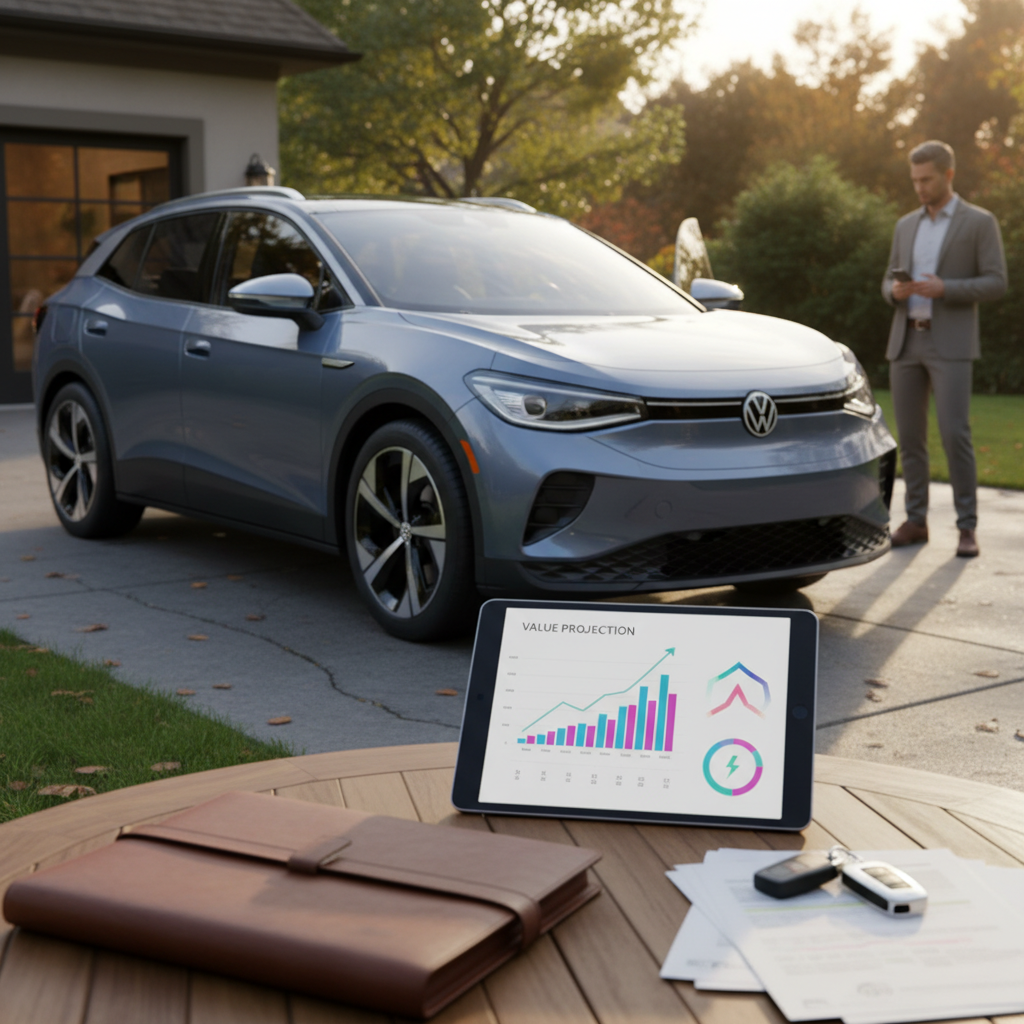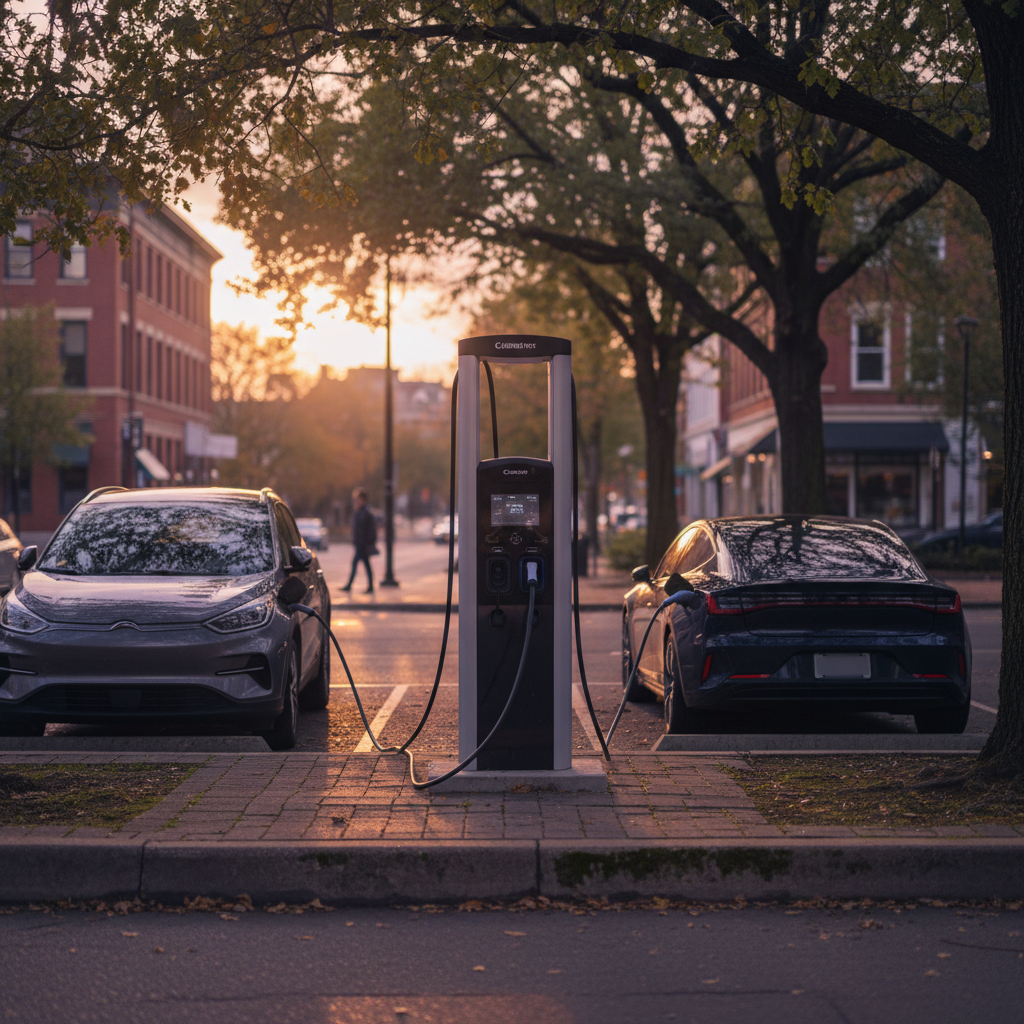
When people talk about EV tracking, they often mean one of two things: basic GPS tracking ("where is my car?") or deep telematics ("how is my car behaving and what will it cost me?"). In 2025, those worlds are merging, and the result is powerful data that can help you protect battery health, lower running costs and make smarter decisions, whether you own one EV or manage an entire fleet.
EV tracking in one sentence
What is EV tracking?
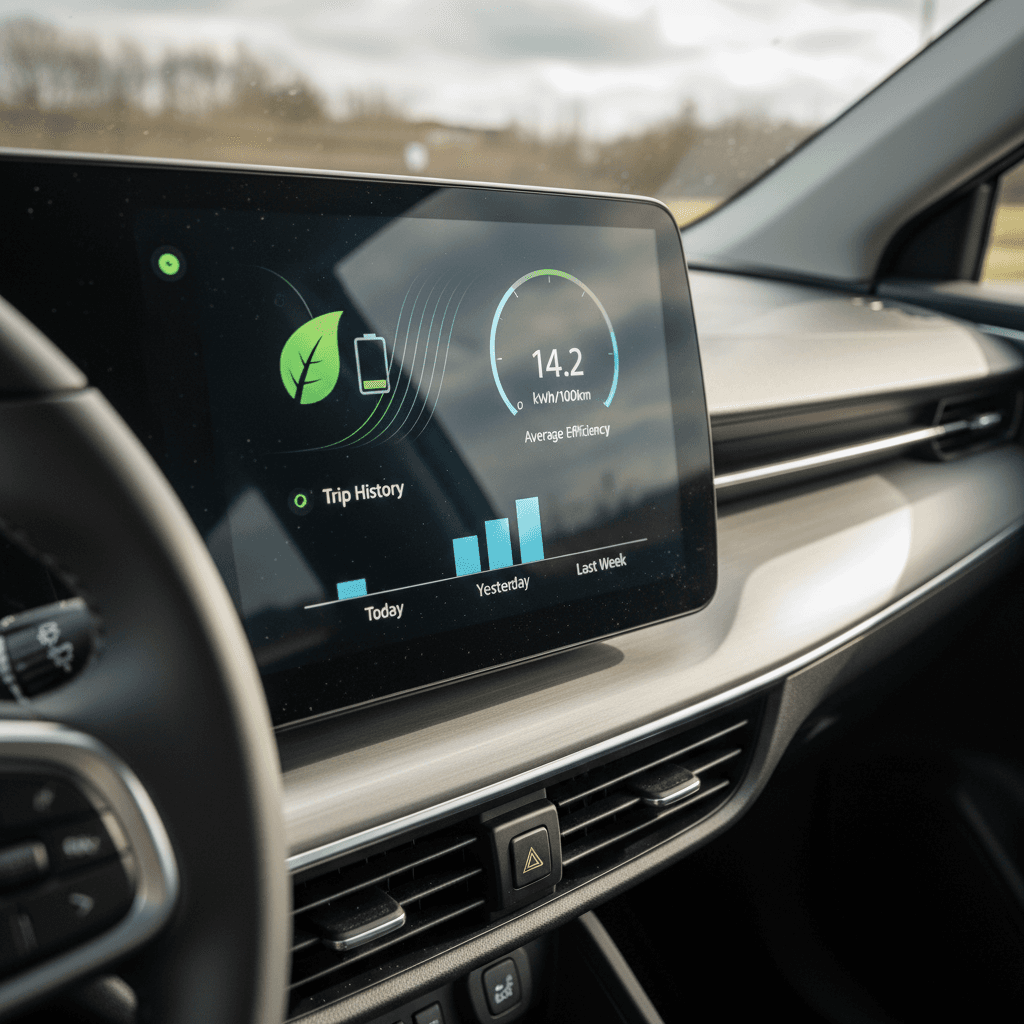
At its core, EV tracking is a mix of GPS and telematics tailored to electric vehicles. Traditional vehicle tracking focused on where a vehicle is and how fast it’s going. EV tracking goes further by surfacing EV-specific data like state of charge (SoC), estimated range, charging status, battery temperature, and even long-term battery health (state of health, or SoH) for fleets and some consumer tools.
- Real-time vehicle location and trip history
- Live battery percentage, range and charging status
- Alerts for low state of charge or unusual activity
- Analytics on energy use, driving behavior and downtime
- Tools to optimize routes and charging for fleets
Think beyond GPS
How EV tracking works under the hood
1. Data collection in the vehicle
Your EV is already loaded with sensors: it constantly measures battery voltage, current, temperature, motor torque, wheel speed, and more. EV tracking taps into that information via:
- Built-in connectivity in many modern EVs (OEM apps and cloud services).
- OBD-II or OEM telematics ports, where third-party devices like Geotab’s GO devices or fleet trackers plug in.
- Onboard GPS modules that feed position, speed and routing data.
2. Transmission & cloud processing
Once collected, data travels over cellular networks to a cloud platform, often every few seconds. There it’s:
- Cleaned and normalized across different EV makes and models.
- Aggregated into dashboards that show live maps, charge status and alerts.
- Analyzed for patterns like range degradation, charging bottlenecks and driver behavior.
- Shared via APIs with fleet tools, energy management systems or resale tools like the Recharged Score.
Why EV tracking is taking off
EV tracking for everyday drivers
You don’t need to run a fleet to benefit from EV tracking. If you drive a single EV, you’re probably using a form of it already, through your car’s app, your charging network’s app, or a third-party tool that connects via Bluetooth or an OBD dongle.
How individual EV owners use tracking today
Turn raw data into peace of mind, lower costs and better resale value.
Range & trip planning
See live state of charge, estimated range and nearby chargers before you leave home. That makes it easier to decide whether you need a top-up or can drive straight through.
Battery health awareness
Some apps and OEM portals surface long-term battery trends, charging patterns and fast-charging usage, helping you avoid habits that accelerate degradation.
Security & theft recovery
Remote tracking helps you locate the vehicle if it’s stolen or towed, and alerts can flag suspicious movement or unplugging events while you’re away.
Where Recharged fits in
Ready to find your next EV?
Browse VehiclesHow fleets use EV tracking to cut costs
For commercial operators, EV tracking is mission-critical infrastructure. Platforms from providers like Geotab, Motive, Verizon Connect, Vicible and others now include EV-specific telemetry alongside traditional fleet tools. The goal is simple: keep vehicles moving, keep costs down and prove that electrification is paying off.
Fleet use cases for EV tracking
Key ways fleets turn EV tracking data into measurable value.
| Use case | What’s tracked | Why it matters |
|---|---|---|
| Dispatch & routing | Location, SoC, charging status | Assign the right EV to each job so nobody runs short on range mid-route. |
| Energy & charging | kWh per trip, charger used, idle time | Shift charging to cheaper time-of-use windows and avoid demand charges. |
| Battery health | Fast-charge usage, deep discharges, temps | Extend pack life and plan replacements instead of reacting to failures. |
| Driver coaching | Harsh braking, speeding, rapid acceleration | Reduce energy waste and accident risk with targeted feedback. |
| Compliance & reporting | Mileage, CO₂ savings, uptime | Provide proof for incentives, ESG disclosures and customer contracts. |
Real-world benefits depend on duty cycle, routes and charging setup, but the pattern is the same: visibility leads to savings.
Watch mixed fleets closely
What data EV tracking actually collects
Exactly what’s collected depends on the hardware, the vehicle brand and your settings. But most EV tracking systems focus on a handful of core categories.
Common EV tracking data types
Location & trip data
GPS position, speed, elevation, start/stop locations and route history. Used for routing, dispatch and security.
Battery & charging metrics
State of charge, estimated range, charging status, charging speed, connector type and sometimes battery temperature or state of health.
Energy consumption
kWh used per trip, energy per mile, regen levels and time spent at different power levels. Critical for planning routes and charger build-out.
Vehicle status & diagnostics
Odometer, fault codes, tire pressure (on compatible vehicles), door open/close, and readiness for the next trip.
Driver behavior
Harsh braking, rapid acceleration, speeding, seatbelt usage and idle time. Helps with safety programs and energy savings.
Meta & billing data
VIN, asset ID, driver ID, cost centers and charging session IDs to streamline reporting and accounting.
Privacy, consent, and data security
Whenever you track a vehicle, you’re also making choices about data privacy. That’s true for your own car and especially true if you’re tracking employees in fleet vehicles. EV tracking itself isn’t inherently intrusive, but how you configure and govern it matters.
For individual owners
- OEM apps: Most EVs let you opt in to remote services. Read what’s being collected and how it’s used.
- Third-party apps: Look for clear privacy policies, the ability to delete your data, and secure connections to your car.
- Location sharing: Disable location sharing when you don’t need it, or restrict access to specific family accounts.
For fleets & employers
- Transparency: Tell drivers exactly what is tracked (and what isn’t). Provide a written policy.
- Purpose limitation: Use data for safety, maintenance and efficiency, not for micromanaging off-hours behavior.
- Security basics: Enforce strong passwords, role-based access and two-factor authentication on tracking dashboards.
Don’t ignore your data trail
Using EV tracking to protect battery health
Battery packs are the most expensive component in an EV, so anything that extends their life is money in your pocket. EV tracking gives you the data to turn best practices into daily habits instead of guesswork.
Four ways tracking helps your battery last longer
Combine simple habits with good data and you can significantly slow degradation.
Monitor battery temperature
Some EV tracking tools expose battery temperature or fast-charging heat patterns. If you see repeated high temperatures during DC fast charging, you can ease off on back-to-back rapid sessions or precondition the pack.
Avoid extreme SoC swings
Trip logs that show regular 0–100% cycles are a red flag. Use tracking to keep most daily driving between about 20–80% SoC and reserve full charges for road trips.
Optimize where and when you charge
By tracking kWh, session times and locations, you can shift more charging to cheaper home or depot sessions instead of pricey public fast chargers.
Spot degradation early
If range drops faster than expected for your mileage and climate, detailed consumption and charging history can help technicians (and buyers) understand what’s going on.
Use data when selling or trading in
What EV tracking means for used EV buyers
If you’re shopping for a used EV, EV tracking is your friend, even if you never saw the previous owner’s telematics dashboard. What matters is the evidence of how the car was actually used and how the battery has aged.
Data points that matter when buying used
Verified battery state of health
Look for objective diagnostics rather than guesswork based on the dash range alone. Recharged’s Score Report is built precisely for this.
Charging behavior history
Frequent high-power fast charging isn’t automatically bad, but extreme patterns plus high mileage may justify a closer battery inspection.
Mileage and trip profile
City vs. highway, lots of short trips vs. long commutes, these influence both battery wear and brake/tires, and tracking data can illuminate the pattern.
Service and fault history
Telematics logs can reveal recurring faults or derating events that you’d want addressed before buying.
Location & climate context
EVs that spent their lives in very hot climates or towing heavy loads may experience faster degradation, data helps tell that story.
How Recharged uses EV data
How to choose an EV tracking solution
Whether you’re an individual driver or a fleet manager, picking the right EV tracking stack is about matching features to your use case, not chasing the longest spec sheet. Use the checklist below as a starting point.
EV tracking solution shopping list
1. Decide who you’re tracking for
Personal peace of mind? Small business fleet? Mixed ICE/EV operation? Your answer determines whether an OEM app, a simple GPS tracker or a full telematics platform makes sense.
2. Confirm vehicle compatibility
Make sure your EV make, model and year are fully supported, including EV-specific metrics like SoC and charging status.
3. Prioritize EV-specific data
Look for live SoC, charging status, range estimation, energy per trip and if possible basic battery health signals, not just GPS and speed.
4. Check map, app and API quality
Good tracking is only as helpful as its interface. You’ll want clear maps, reliable mobile apps and APIs if you need to integrate with other systems.
5. Understand pricing and contracts
Some providers charge per vehicle per month; others bundle hardware. Know your total cost of ownership and avoid being locked into long contracts you don’t need.
6. Align with privacy expectations
If you manage drivers, get legal and HR input before rolling out tracking. Clear policies and consent up front avoid headaches later.
Tip for Recharged customers
EV tracking FAQs
Frequently asked questions about EV tracking
Wrap-up: Turn EV data into real value
EV tracking is no longer just dots on a map. It’s a set of tools that help you understand how your electric vehicle is used, how healthy the battery is, and where your energy dollars are going. For everyday drivers, that means fewer surprises and better range confidence. For fleets, it’s the foundation of profitable electrification, from smarter routing to data-backed replacement planning.
If you’re buying or selling a used EV, that same kind of data is exactly what you want to see folded into the price. That’s why every vehicle on Recharged comes with a Recharged Score Report, so you’re not guessing about battery health or overpaying based on a simple odometer reading. Combine the right EV tracking tools with transparent diagnostics, and you can step into electric ownership, or build an electric fleet, with far more confidence.