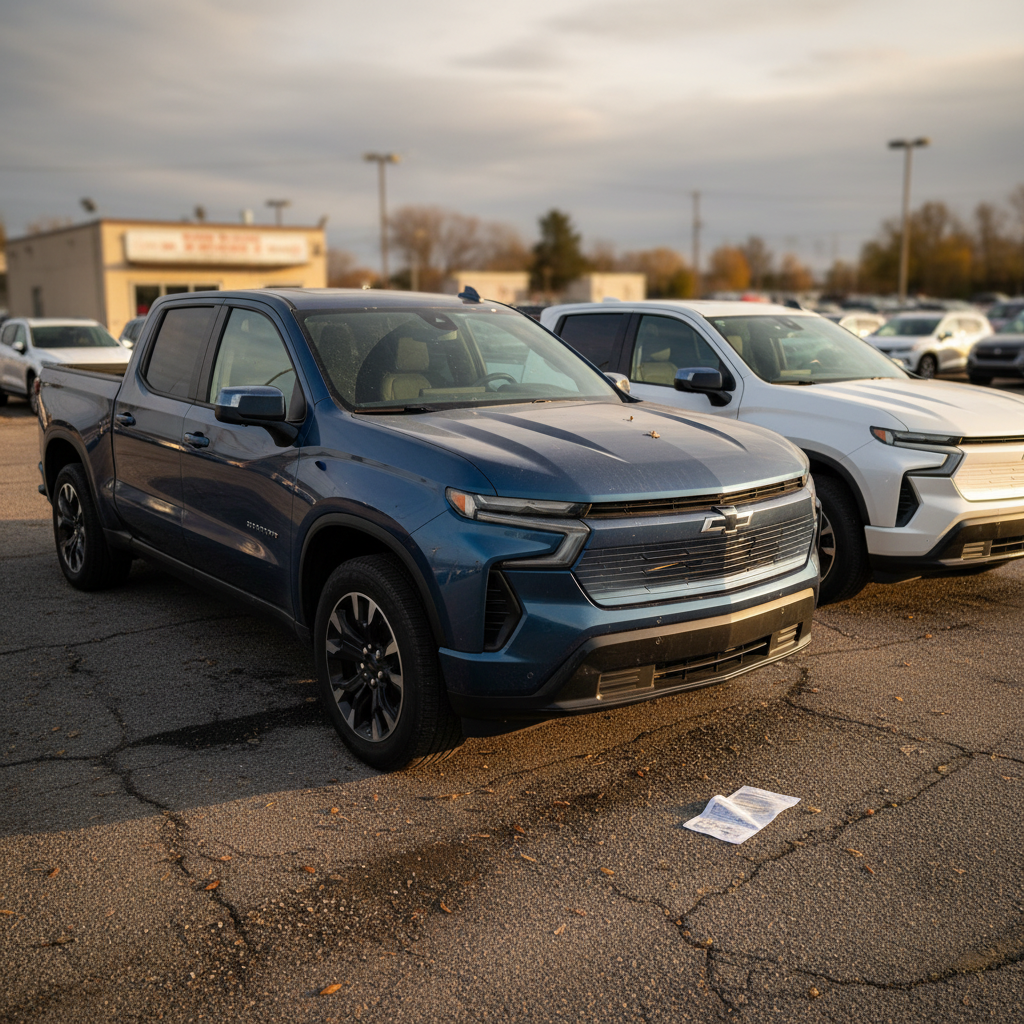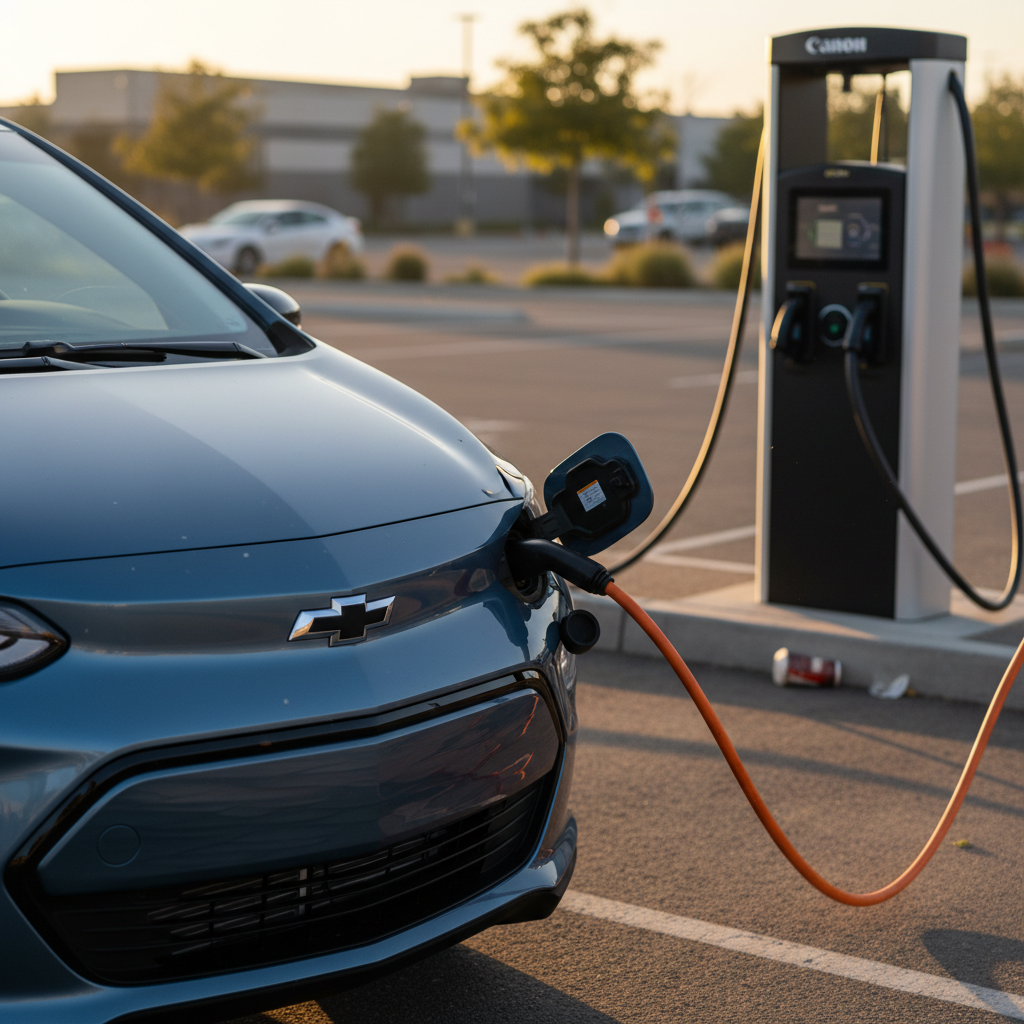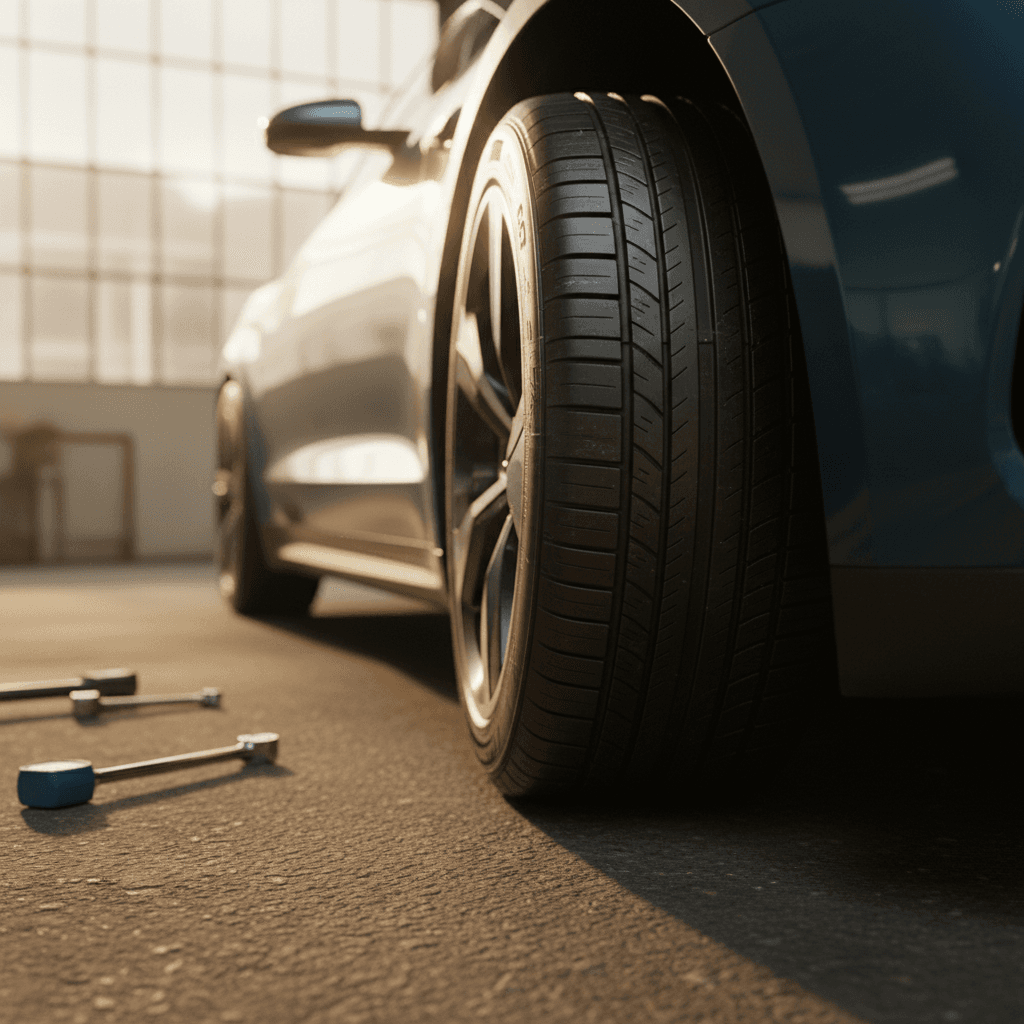
If you own an electric vehicle, you’ve probably heard that you need special EV tires, and that they wear out faster and cost more. Some of that’s true, but the full story is more nuanced. The right tires can add miles of range, cut cabin noise, and make your EV safer and more enjoyable to drive.
Quick answer
What are EV tires, exactly?
When people talk about EV tires, they’re usually referring to tires engineered around the specific demands of electric vehicles, extra weight from the battery, instant torque, and ultra-quiet operation. These tires might carry an “EV,” “Elect,” “Electric,” or “EV Ready” marking, or they may simply appear as original equipment on popular EVs from Tesla, Hyundai, Kia, Ford, and others.
- Special rubber compounds that balance grip with reduced rolling resistance for better range.
- Reinforced construction and higher load ratings to handle heavier vehicles.
- Noise-reducing tricks like acoustic foam, tuned tread patterns, and optimized sidewalls.
- Tread designs that cope with strong regenerative braking and high torque.
Look at your sidewall
How EV tires differ from regular tires
Why EV tires are engineered differently
1. Vehicle weight & load rating
EVs carry large battery packs, so curb weights jump significantly. That extra mass sits on four small contact patches. EV-oriented tires use stronger internal construction and often higher load ratings (including new HL high-load designations) to safely carry the weight.
When you shop, always match or exceed your vehicle’s specified load index. Under-spec’d tires can overheat, wear quickly, and compromise safety.
2. Instant torque & tread design
Electric motors deliver peak torque the instant you touch the accelerator. That feels great but can chew through soft tread. EV tires use compounds and tread patterns tuned to handle strong acceleration and regenerative braking without wearing out prematurely.
The goal is consistent grip and predictable braking, not just a sticky feel on day one.
3. Rolling resistance and efficiency
Rolling resistance is the energy your tire wastes as it rolls. Because EV drivetrains are so efficient, tires account for a bigger share of total energy loss than in gas cars. Low rolling resistance (LRR) designs help your EV travel farther per kilowatt-hour.
On many modern EVs, simply choosing an efficiency-focused tire can be worth several miles of additional range per charge.
4. Cabin noise and comfort
With no engine noise to cover it up, tire noise is suddenly front and center. EV tires often use acoustic foam strips, carefully shaped tread blocks, and stiffer-but-tuned sidewalls to keep the cabin quiet.
If you’re sensitive to noise, this is one of the biggest reasons to choose an EV-focused tire instead of a generic replacement.
Do you really need EV-specific tires?
Here’s the practical answer: your EV doesn’t require special tires to be safe and legal, but it will often perform better, quieter, more efficient, and more predictable, on rubber designed for EV duty. The key is matching the tire to how and where you drive.
Who benefits most from EV-focused tires?
Match your tire choice to your priorities, not just the label on the sidewall.
Range-focused commuters
If you rely on your EV daily and occasionally stretch its range, low rolling resistance EV tires can add valuable miles per charge.
Drivers who hate noise
Silence is a big part of the EV experience. Noise-optimized EV tires cut the droning sound that’s often obvious on generic all-seasons.
High-load SUVs & trucks
Heavier electric SUVs, crossovers, and pickups place big demands on tires. Choosing rubber built for high loads and instant torque is smart long-term insurance.
What you must not compromise
How EV tires affect range, noise, and comfort
Your tires are part of your EV’s energy system. They don’t just hold the car up; they influence every kilowatt-hour you use. Three big areas are range, noise, and ride comfort.
Common EV tire choices and trade-offs
How different tire types affect real-world range, comfort, and grip on an EV.
| Tire Type | Range Impact | Noise Level | Grip & Handling | Typical Use Case |
|---|---|---|---|---|
| Low rolling resistance EV tire | Best (+5–10% range) | Usually very quiet | Good, sometimes modest wet/snow trade-offs | Daily commuting, long-range road trips |
| Performance EV tire | Slightly reduced | Moderate | Highest dry/wet grip | Sporty driving, powerful EV sedans and SUVs |
| Standard all-season (non-EV) | Varies, often lower | Can be louder in an EV | Adequate for most driving | Budget replacements, mixed powertrains |
| Winter/snow tire | Often −5–10% | Moderate | Excellent cold/snow traction | Snowbelt drivers, ski trips |
| All-terrain / off-road | Noticeably lower | Can be loud | Good off-road, average on-road | Electric trucks and adventure SUVs |
Use this as a general guide, always check specific test data when you compare brands.
Why new tires can "shrink" your range
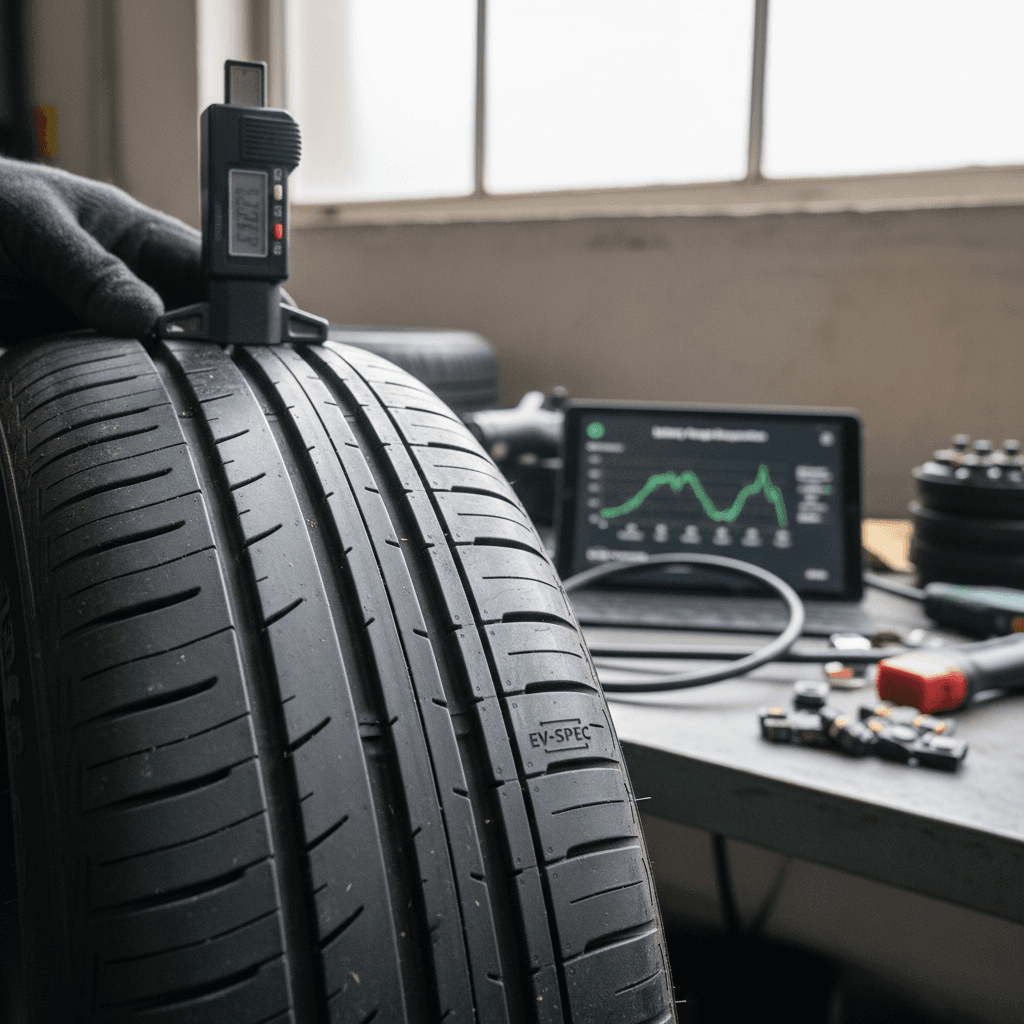
Why EV tires often wear faster, and how to make them last
It’s not your imagination, many EV owners see their first set of tires disappear sooner than they expected. Extra weight, instant torque, and regenerative braking can all accelerate wear, especially on the driven axle.
Main reasons EV tires wear quickly
Understanding the “why” helps you slow the wear curve.
Heavier vehicles
Battery packs add hundreds of pounds. That extra load presses the tread into the pavement harder, generating more heat and wear, especially on underinflated tires.
Instant torque & regen
Strong off-the-line acceleration scuffs the rubber, while regenerative braking can concentrate wear on certain wheels if you don’t rotate regularly.
Good news
Practical ways to extend EV tire life
1. Check pressure at least once a month
Underinflated tires can increase rolling resistance by double-digit percentages and scrub away tread. Use a good gauge and follow the pressure on your doorjamb sticker, not the max on the sidewall.
2. Rotate every 5,000–7,500 miles
EV torque and regen braking can create uneven wear patterns. Following a 5,000–7,500 mile rotation interval keeps the workload balanced across all four tires.
3. Avoid full-throttle launches
Instant torque is addictive, but repeated hard launches grind off rubber quickly. Enjoy your EV’s power, just don’t treat every stoplight like a drag strip.
4. Keep alignment in spec
Curb hits, potholes, and speed bumps can nudge alignment off. That small change can erase thousands of miles of potential tire life. Have alignment checked when you see uneven wear or steering pull.
5. Match tire type to your climate
Running aggressive off-road or soft winter tires in mild weather is a recipe for fast wear and reduced range. Use the mildest tire that still keeps you safe where you drive.
How to choose the right tires for your EV
Picking tires for an EV is a lot like choosing tires for any car, but the priorities shift. Range and noise matter more, while traditional fuel-economy labels matter less. Here’s a decision framework you can actually use.
Step 1: Confirm the basics
- Size: Match the width, aspect ratio, and wheel diameter shown on your doorjamb sticker.
- Load index: Must meet or exceed the factory rating. This is non-negotiable on heavier EVs.
- Speed rating: Match or exceed the factory spec, especially on performance EVs.
Once those are locked in, you can talk about efficiency, grip, and comfort.
Step 2: Rank your priorities
- Max range: Look for low rolling resistance or EV-marked touring tires.
- Sharp handling: Consider performance-oriented EV tires, accepting a small range trade-off.
- Quiet & comfort: Seek out tires that specifically mention acoustic foam and noise-tuned tread.
- Year-round traction: If you see real winter, consider all-weather or dedicated winter tires.
Use independent test data
EV tires for snow, rain, and rough roads
Climate matters just as much as kilowatts. The wrong tire in the wrong conditions can erase any advantages of EV-specific design, and put you at risk.
Snowbelt & mountain drivers
Consider dedicated EV-rated winter tires or at least modern winter tires with an adequate load rating. They use softer compounds that stay flexible in the cold and tread designs that cut through snow and slush.
Expect a hit to range, often 5–10%, in exchange for dramatically better grip.
Rainy, mild climates
Look for all-season or all-weather tires with strong wet-braking scores and hydroplaning resistance. Many EV-focused all-seasons are tuned exactly for this kind of everyday use.
Here, the right tire can keep both range and safety in a very comfortable place.
Trucks, SUVs & adventure EVs
If you’re driving an electric pickup or SUV off-pavement, you may need all-terrain tires with XL or high-load ratings. Know that they’ll be louder and less efficient, but they’ll also be tougher where it counts.
EV tire maintenance checklist
You don’t need a race team to keep your EV’s tires in shape, just a simple routine. Here’s a quick checklist you can run through every month or two.
Monthly 5-minute EV tire check
Check pressure on all four tires (and the spare, if equipped)
Do this when the tires are cold. Adjust to the pressures on your doorjamb label. Small seasonal swings in temperature can change pressure noticeably.
Look for uneven wear across the tread
Feathering, cupping, or more wear on one edge can point to alignment issues or overdue rotation. Catching it early saves money and range.
Inspect for damage or bulges
EVs mask vibration so well that you might not feel a damaged tire. Look for sidewall bubbles, cuts, or objects stuck in the tread.
Review your rotation history
If you can’t remember your last rotation, it’s probably time. Many owners simply rotate with every second or third scheduled service visit.
Don’t ignore tire age
EV tires when you’re buying or selling a used EV
Tires are one of the easiest places for a used EV to look better than it really is, or for a great car to be dismissed over something inexpensive to fix. When you’re evaluating a used EV, treat the tires as both a safety item and a negotiating lever.
If you’re buying a used EV
- Note remaining tread depth: Shallow tread means you should budget for a set of tires soon.
- Check for mismatched tires: Different brands or sizes at each corner can hint at cut corners in past maintenance.
- Look at date codes: The DOT code on the sidewall shows the week and year each tire was made.
Factor the cost of a quality EV-appropriate tire set into your total cost of ownership, not just the purchase price.
How Recharged helps
Every vehicle sold through Recharged includes a Recharged Score Report with verified battery health, fair market pricing, and an expert inspection. That includes a close look at the tires: tread depth, age, and whether the rubber is appropriately matched to the vehicle.
If you’re selling or trading in your EV through Recharged, our team can help you weigh whether replacing worn tires before listing will improve your net return, or whether it’s smarter to price the car appropriately and let the next owner choose their ideal tires.
EV tires FAQ
Frequently asked questions about EV tires
The bottom line on EV tires
EV tires are not magic, but they’re not hype, either. Heavier vehicles, instant torque, and whisper-quiet cabins mean your choice of rubber matters more than it did with your last gas car. Get the basics right, size, load, and speed rating, then choose a tire that matches how you actually drive and where you live.
If you’re already in an EV, a bit of attention to tire pressure, rotation, and alignment will pay you back in range, safety, and quieter miles. And if you’re shopping for a used EV, looking closely at the tires, and using a transparent marketplace like Recharged, with verified battery health and full condition reports, will help you understand the whole car, from tread depth to state of charge.