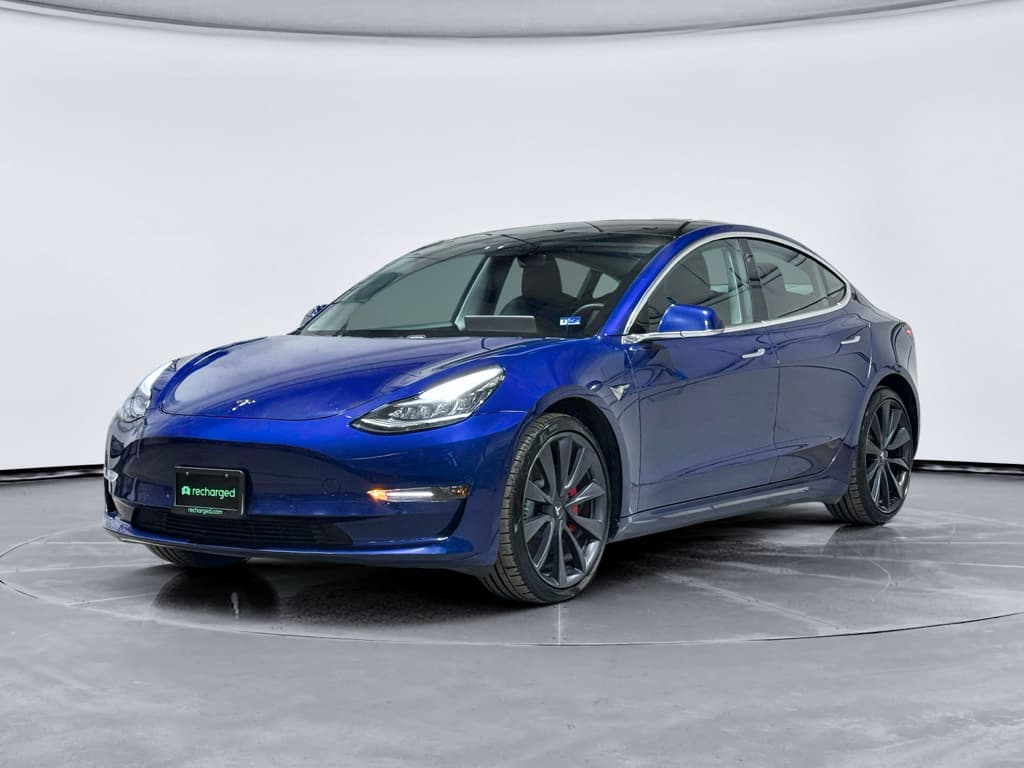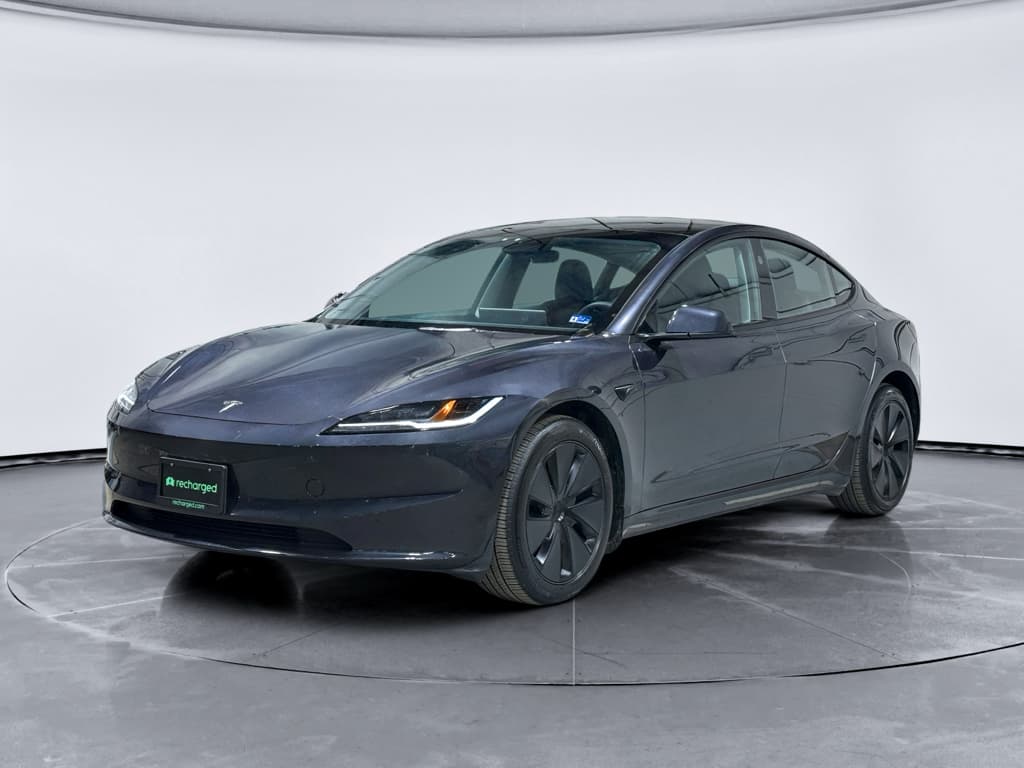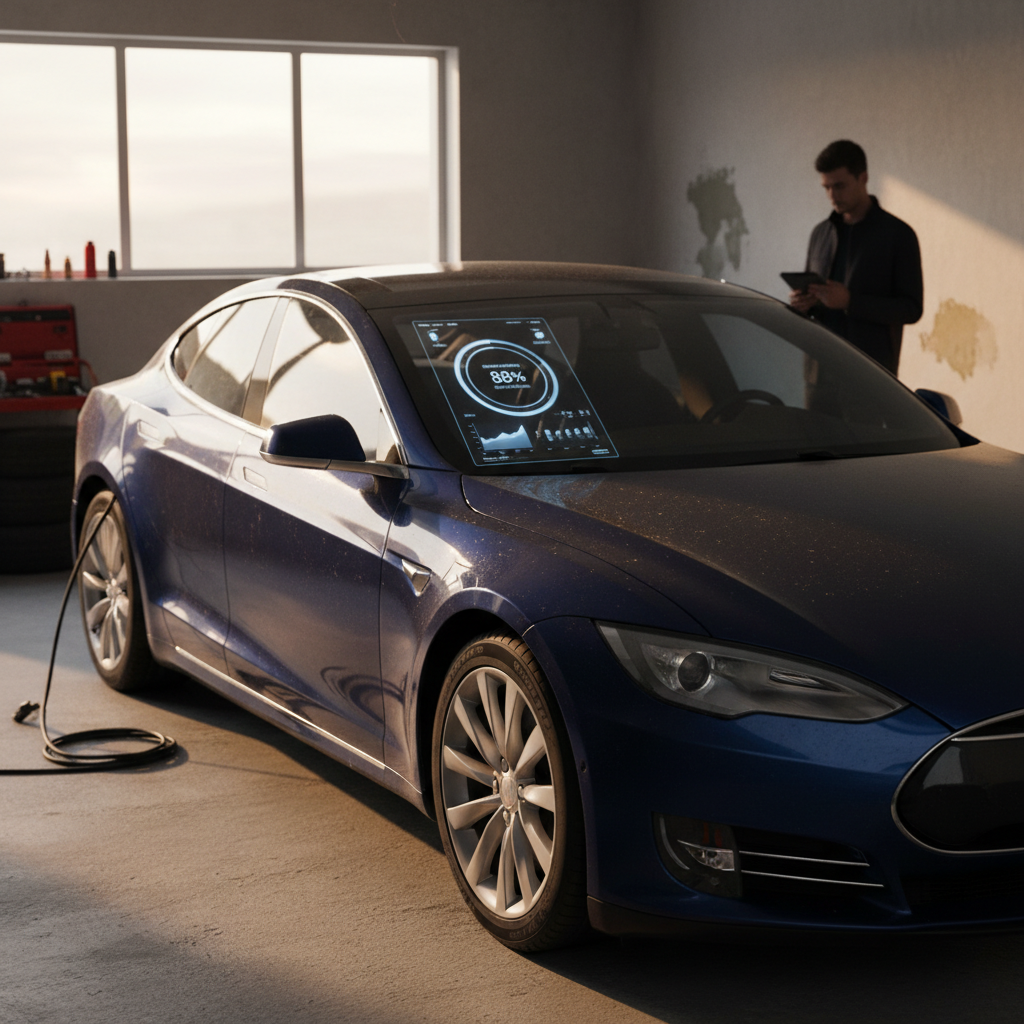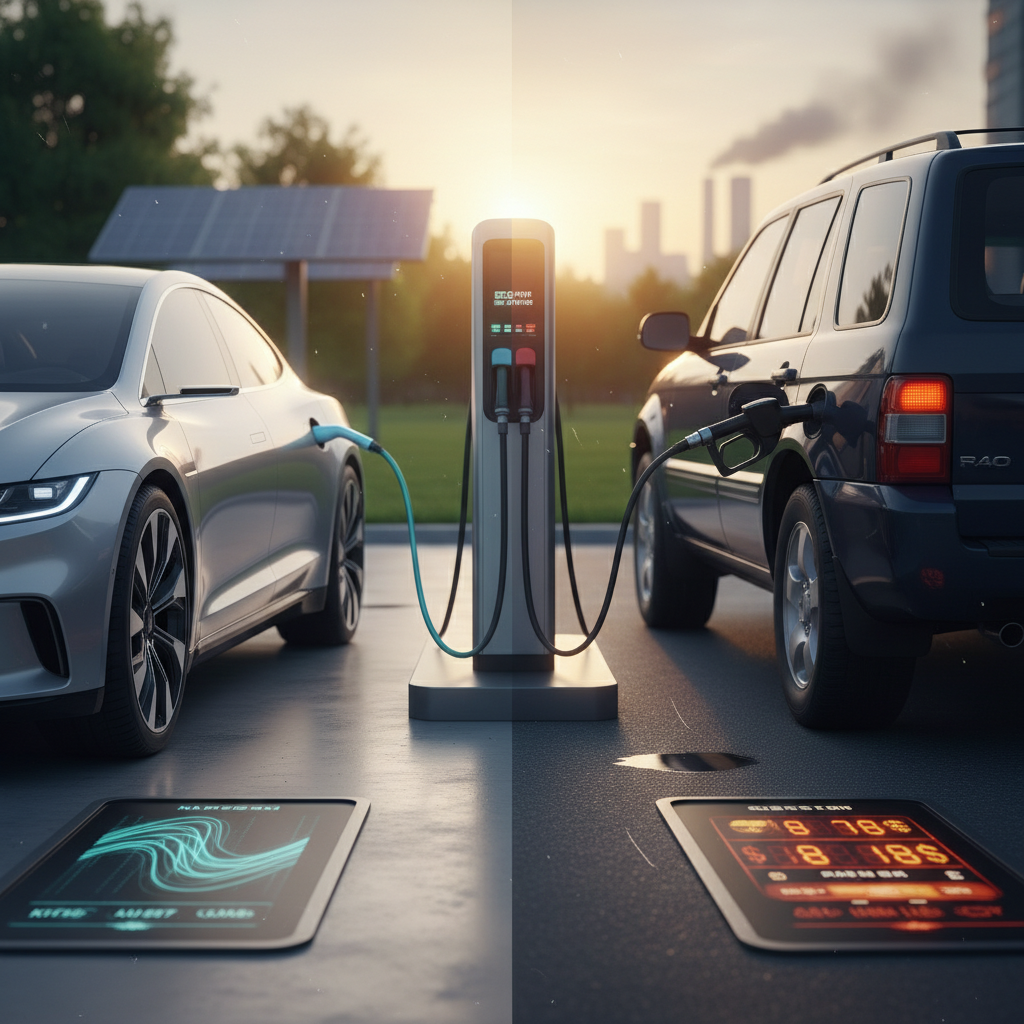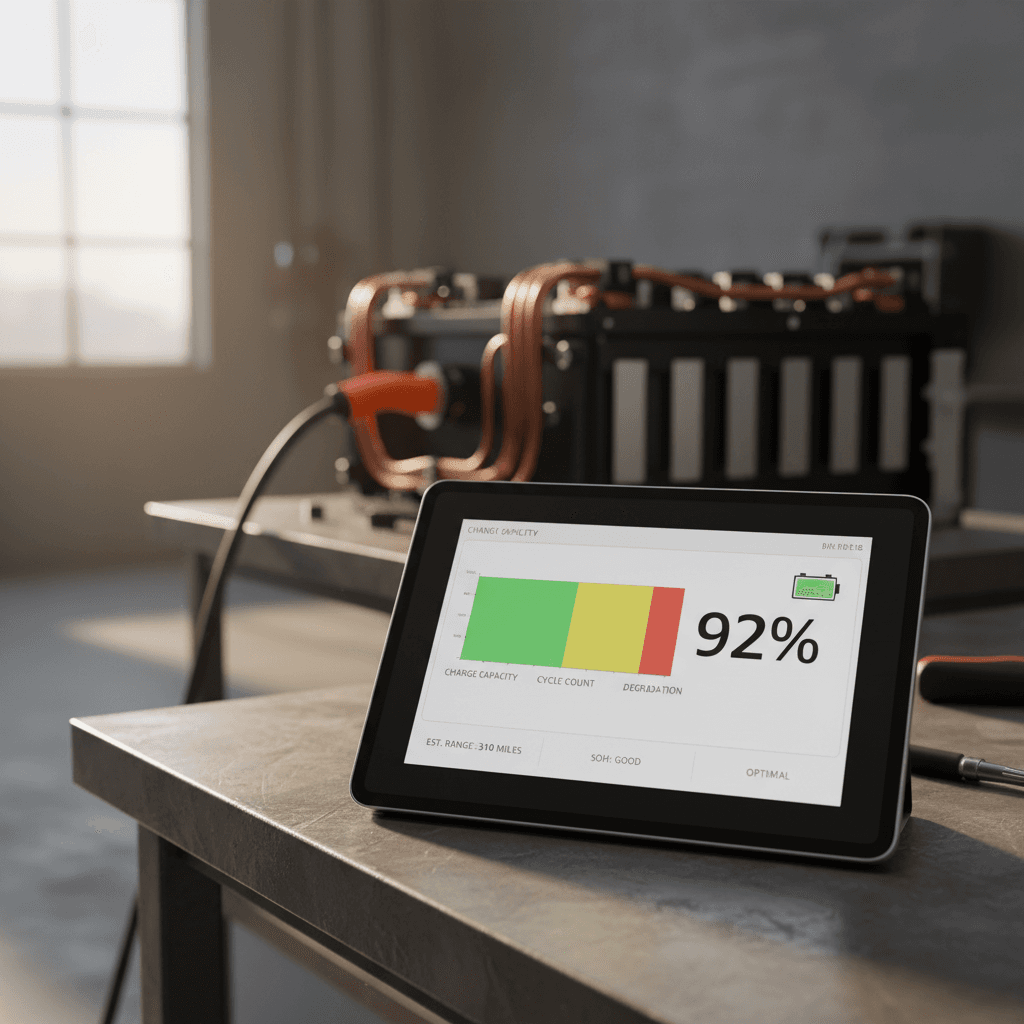
Selling an electric vehicle isn’t the same as selling a gas car. Buyers care less about oil changes and more about battery health, charging equipment, software features, and how the car fits their daily range needs. This EV selling checklist gives you a complete, step‑by‑step guide so you can prep, price, list, and sell your EV with confidence, without leaving money on the table.
Why this checklist matters in 2026
Why EV selling needs its own checklist
The used EV market in 2024–2026 has seen sharp swings in pricing and demand. Some models have dropped more than 30% in value year‑over‑year, while others, especially efficient, mainstream EVs with strong charging support, are still hot commodities. Buyers have learned to ask hard questions about range, degradation, and charging access, and they discount heavily if you can’t answer them clearly.
- Battery state of health (SOH) is now one of the biggest drivers of EV resale value.
- Charging standards (CCS vs. NACS) and adapter availability directly affect demand.
- Tax credits and dealer‑only incentives can change what a buyer is willing to pay privately.
- Online buyers expect photos, documentation, and transparency that match professional listings.
EV vs. gas expectations
Step 1: Decide how you want to sell your EV
Before you clean the car or shoot photos, be clear about how you want to sell it. Each option trades off convenience, time, and price. Your checklist starts with picking the lane that fits your risk tolerance and schedule.
Main EV selling options compared
Time, effort, and money: choose your trade‑off
Dealer trade‑in
Pros: Fast, low friction, sales tax savings in many states.
Cons: Usually the lowest price; EV trade‑in bids can be especially conservative.
Best for: When you’re buying another car immediately and value simplicity over every last dollar.
Online instant‑offer sites
Pros: Quick quotes, pick‑up at home, no tire‑kickers.
Cons: Offers can change after inspection; some platforms are still learning how to price EV batteries accurately.
Best for: Common models (Model 3/Y, Leaf, Bolt, etc.) in good condition.
Private party or marketplace
Pros: Highest potential sale price, especially for well‑optioned or niche EVs.
Cons: Requires screening buyers, managing test drives, and handling payment safely.
Best for: Sellers comfortable with a bit of work in exchange for thousands more.
Reality check on price vs. effort
Step 2: Know what your EV is really worth
Used EV values are all over the map, even between seemingly similar cars. Two 2021 crossovers with the same mileage can be thousands of dollars apart based on battery health, fast‑charging behavior, and software options. Treat pricing as a research project, not a guess.
Where to research your EV’s value
Mix algorithmic values with real‑world market data for a realistic price range.
| Source | What it tells you | Watch out for |
|---|---|---|
| KBB/Edmunds/NADA | Generic trade‑in and private‑party ranges. | Often lag rapidly changing EV prices; may over‑ or under‑value battery‑sensitive models. |
| Instant‑offer sites (CarMax, Carvana, etc.) | Real bids that can become cash today. | Treat lowball or outlier offers as data points, not gospel. |
| Online marketplaces (Cars.com, Recharged, brand‑specific sites) | What similar EVs are actually listed for. | Ask if those cars have verified battery health or premium options you don’t. |
| EV‑specific marketplaces | How informed EV buyers value your exact trim and battery. | These audiences discount vague listings heavily; good comps can justify a higher ask. |
Use at least three sources so you’re not anchored to a single (possibly wrong) number.
Target three numbers, not one
Step 3: Document your battery health
Battery condition is the centerpiece of any serious EV sale. In 2026, buyers know that a 5‑year‑old EV with a strong pack is a completely different asset than one that’s been fast‑charged hard and left in the sun. Your goal is to replace fear and guesswork with verifiable information.
Battery health checklist
Pull the best available SOH data
Start with what your car already exposes: built‑in battery health readouts, range at 100% charge compared to original EPA rating, or OEM diagnostic reports. For Teslas, note the projected range at 100% and typical charging behavior.
Use a third‑party battery report if possible
Services that read battery data via OBD dongle or API can provide a State of Health estimate and degradation curve. This helps buyers see you’re not hiding a weak pack.
Document your charging habits
Write a short summary: home Level 2 vs. DC fast charging, typical charge limit (e.g., 70–80%), and how often you charge to 100%. Conservative habits support your asking price.
Note warranty status and coverage
List remaining battery and drive unit warranty in years and miles. If your EV still has several years of battery warranty, that’s a concrete value‑add.
Capture real‑world range
Share honest range figures from your regular driving, city vs. highway, summer vs. winter. Buyers are more confident when expectations are realistic.
Bundle it in a simple one‑page summary
Put battery metrics, range notes, and warranty into a single PDF or printed sheet you can send with your listing. The more organized you are, the easier it is to justify your price.
How Recharged handles battery transparency
Step 4: Get your EV cosmetically and mechanically ready
Cosmetic condition still matters, buyers use it as a proxy for how you treated the battery and the rest of the car. A few hours of prep can add real money to your sale price or make your EV move faster in a crowded market.
Quick appearance wins
- Full exterior wash and decontamination: Remove bug splatter, brake dust on aero covers, and charge‑port grime.
- Interior deep clean: Steam or shampoo carpets, wipe high‑touch surfaces, and clean the steering wheel, screen, and charge‑port door button.
- Fix cheap blemishes: Replace missing aero covers, broken charge‑port caps, or frayed charging cables.
- Neutralize odors: No smoke, strong fragrances, or air freshener overload, buyers assume smells are hiding problems.
Functional checks that matter to EV buyers
- Tires: Check tread depth and even wear; EVs are heavy and can chew through cheap tires.
- Brakes: Confirm no rust ridges or pulsation; regen doesn’t mean brakes can be ignored.
- Charging: Show that the car AC and DC fast charges normally, with no unusual throttling.
- Software: Update to the latest stable firmware and ensure all driver‑assist and infotainment features work as expected.
Don’t overspend on reconditioning
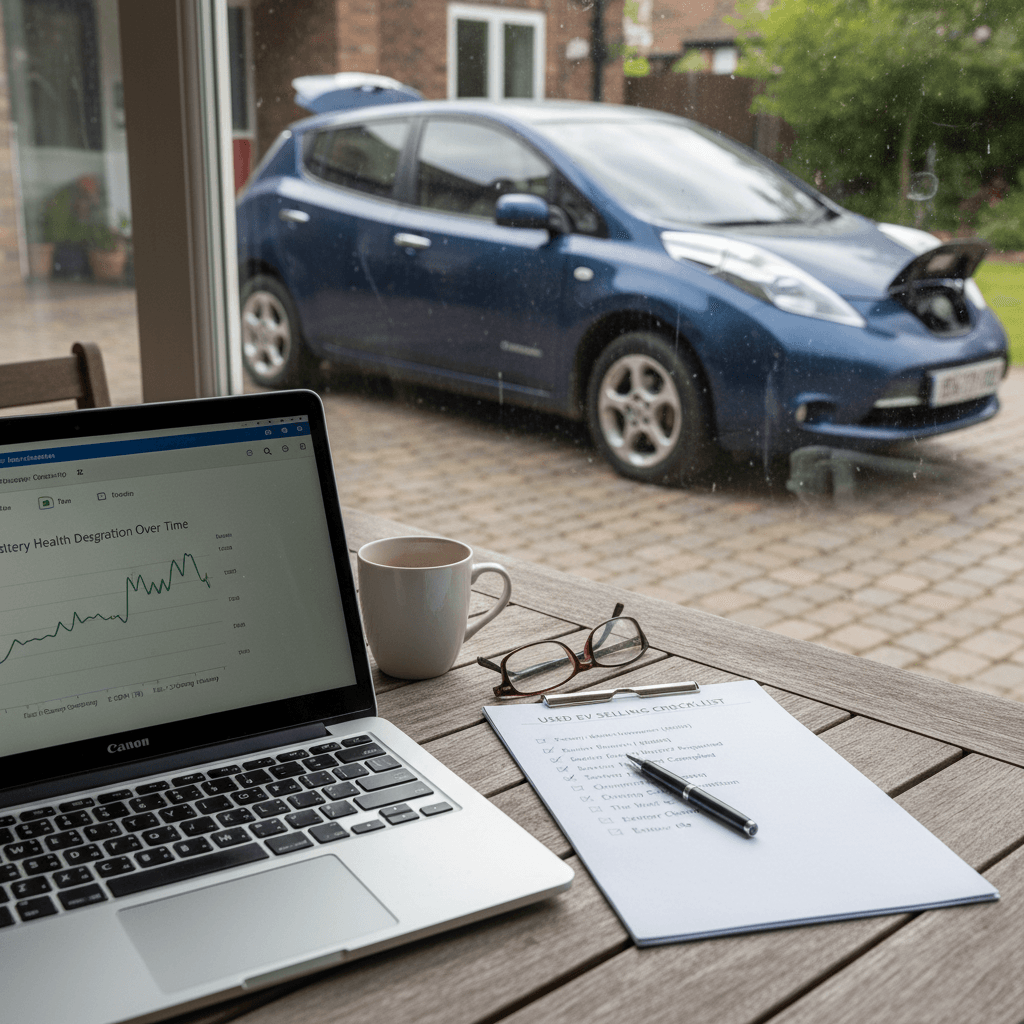
Step 5: Gather title, records, and charging gear
A well‑organized seller inspires trust. Before you list the car, assemble everything a buyer will ask for, so you’re not scrambling later or losing a serious buyer over missing paperwork.
Paperwork and equipment checklist
Vehicle title or lender payoff information
If you have the title, verify names and VIN. If there’s a loan, contact your lender to understand payoff amount and their process for releasing the title in a private sale.
Registration and driver’s license
Have a current registration and a matching government ID ready; many escrow and online marketplace services require both.
Maintenance and repair records
Print or export service history, especially battery‑related work, software updates, and high‑voltage system inspections. EV buyers care more about this than oil changes.
Charging equipment and adapters
List exactly what’s included: Level 1 cord, Level 2 wallbox (if staying), any NACS/CCS/J1772 adapters, and portable chargers. Missing gear can easily knock hundreds off your sale.
Key cards/fobs and app access
Gather all physical keys. For app‑based cars, understand how to <strong>remove your account</strong> and transfer access at delivery.
Vehicle history and recall check
Pull a Carfax/AutoCheck or similar if you can, and verify recalls are addressed. If you sell through Recharged, this is handled as part of the intake process.
Step 6: Create a compelling EV listing
Most EV listings are terrible: dim garage photos, no mention of battery condition, and vague claims like “great range.” That’s your opportunity. A listing tailored to EV buyers can justify a higher price and reduce back‑and‑forth questions.
How much a strong listing can help
EV‑specific listing essentials
Lead with battery and range
In your first paragraph, state battery size, any known degradation, real‑world range, and remaining battery warranty. This is the headline feature of your car.
Disclose charging hardware and standards
Clarify whether the car uses CCS, NACS, or CHAdeMO, and whether any adapters are included. Mention home charging experience and typical charge times on Level 2.
Show off software and connectivity
List key software features: DC fast‑charge routing, heat pump, advanced driver‑assist, app functions, preconditioning, and any paid packages that transfer (e.g., premium connectivity).
Use daylight, wide‑angle photos
Shoot exterior and interior in open shade or early/late sunlight. Capture battery and range screens, charging screens, and a shot of the included cables and adapters.
Be honest about flaws
Document curb rash, dings, and cosmetic issues. Buyers discount heavily for unknowns but are surprisingly forgiving of clearly photographed imperfections.
State your pricing logic
Briefly reference comparable listings, battery health, and equipment to justify your ask. Buyers are more open to negotiation when they see you’ve done your homework.
Step 7: Handle inquiries, test drives, and scams
Once your listing is live, your job shifts from prep to risk management. EV buyers are often more technically informed than average shoppers, but online marketplaces are still full of lowball offers and fraud attempts. A clear process protects both your time and your safety.
Screening buyers efficiently
- Use the platform’s messaging first: Avoid sharing your phone number or email until a buyer seems legitimate.
- Filter with a few questions: Ask how they plan to use the EV, their charging situation, and whether they’ve driven an EV before.
- Set expectations in advance: Share your firm/negotiable price range, payment forms you accept, and your preferred bank or escrow service.
- Avoid pressure to ship sight‑unseen: Serious buyers will either visit in person or use a reputable inspection and escrow service.
Safe EV test drives
- Meet in a public, well‑lit location: Ideally near a bank and a public charger so buyers can experience charging.
- Check ID and insurance: Photograph or verify their driver’s license and proof of insurance before handing over the keys.
- Ride along initially: For the first drive, stay in the car to explain regen, one‑pedal driving, and driver‑assist features.
- Set ground rules: No hard launches, no Autopilot testing beyond what you’re comfortable with, and no unscheduled out‑of‑town trips “to try the range.”
Common EV‑specific scams to avoid
Step 8: Close the deal safely and correctly
The last mile of an EV sale is part finance, part IT support. You’re not just transferring a title, you’re also de‑authorizing apps, removing payment methods, and making sure the new owner can charge on day one.
Closing checklist for selling your EV
Agree on payment method and location
Cashier’s check drawn at the buyer’s bank, wire transfer at your bank, or a reputable escrow service are your safest bets. Avoid peer‑to‑peer payments for large amounts unless you’re both at a bank.
Complete the bill of sale
Include VIN, odometer, sale price, date, and a note that the vehicle is sold as‑is unless you’ve written some other agreement. Many states provide a simple template online.
Sign and hand over title
Follow your state’s exact process for assignments, liens, and odometer statements. Both parties should keep copies or photos of signed documents.
Remove your digital footprint
Log out of the car, remove the vehicle from your mobile app, disconnect it from any connected‑home services, and factory reset infotainment where applicable.
Transfer physical and charging items
Hand over keys, key cards, charging cables, wallbox access cards (if included), and any adapters. Walk the buyer through how to use the charge port and any quirks.
File required state notices
Many states require a <strong>release‑of‑liability</strong> form when you sell privately. File it immediately so you’re not on the hook for tickets or tolls after the buyer drives away.
How Recharged can simplify selling your EV
If you like the idea of a structured checklist but don’t want to manage every step yourself, you don’t have to. Recharged is built specifically around the friction points of buying and selling used EVs: battery uncertainty, pricing confusion, logistics, and paperwork.
Selling with Recharged: key benefits
Built for EV owners, not generic used‑car inventory
Verified battery health
Every vehicle gets a Recharged Score Report with professional battery diagnostics, so you don’t have to explain degradation charts or guess at SOH.
Fair, data‑driven pricing
Recharged uses real‑time EV market data, not generic gas‑car comps, to help you land on pricing that’s both competitive and realistic.
Digital, nationwide sale support
From financing to trade‑ins, instant offers or consignment, and door‑to‑door delivery, Recharged can turn your local EV into a nationwide opportunity.
Ready to find your next EV?
Browse VehiclesYou choose the level of involvement
EV selling checklist (printable summary)
Use this condensed checklist as a quick reference while you work through your sale. It won’t replace the detail in the full guide, but it will keep you from missing a step that costs real money or time.
- Choose your selling strategy: trade‑in, instant‑offer site, marketplace, consignment, or Recharged.
- Research pricing from at least three sources and set floor, realistic, and stretch prices.
- Collect battery health data, warranty info, and real‑world range notes.
- Detail and prep the car inside and out; fix cheap, high‑impact flaws.
- Gather title, registration, maintenance records, vehicle history, and all keys.
- Inventory included charging gear and adapters; decide what stays with the car.
- Write an EV‑savvy listing that leads with battery, charging, and software.
- Shoot clear daylight photos, including screens showing range and charging.
- Screen buyers, set test‑drive rules, and avoid suspicious payment or shipping requests.
- Agree on payment method, sign bill of sale and title, and file any release‑of‑liability forms.
- Remove your accounts and payment methods from the car and associated apps.
- Hand over keys, charging gear, and a simple “EV basics” walkthrough for the new owner.
EV selling FAQ
Frequently asked questions about selling an EV
Selling an EV in 2026 is ultimately about reducing uncertainty, for you and for the buyer. If you follow this EV selling checklist, you’ll walk into every conversation with your numbers, documents, and story straight. And if you’d rather have experts handle the diagnostics, pricing, and paperwork, Recharged can turn your used EV into a transparent, data‑driven listing that speaks the language serious buyers expect.