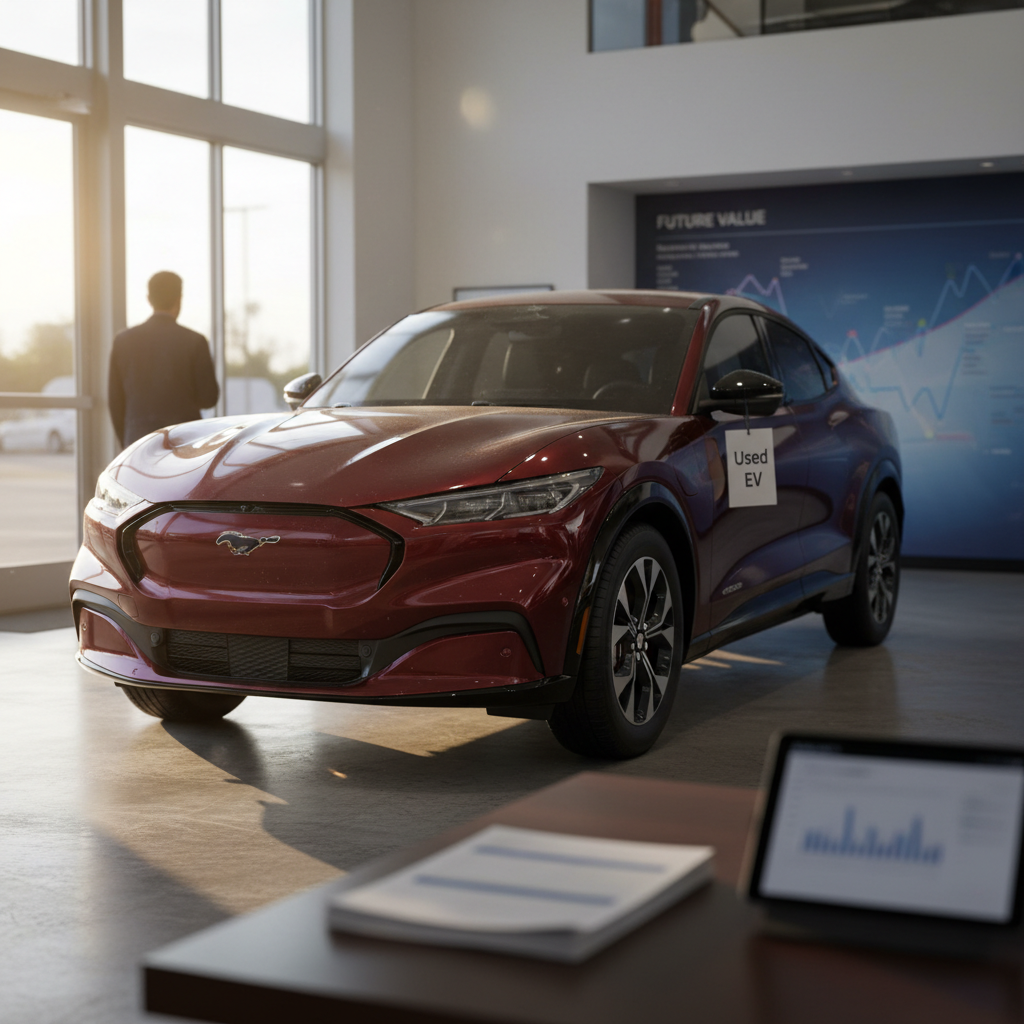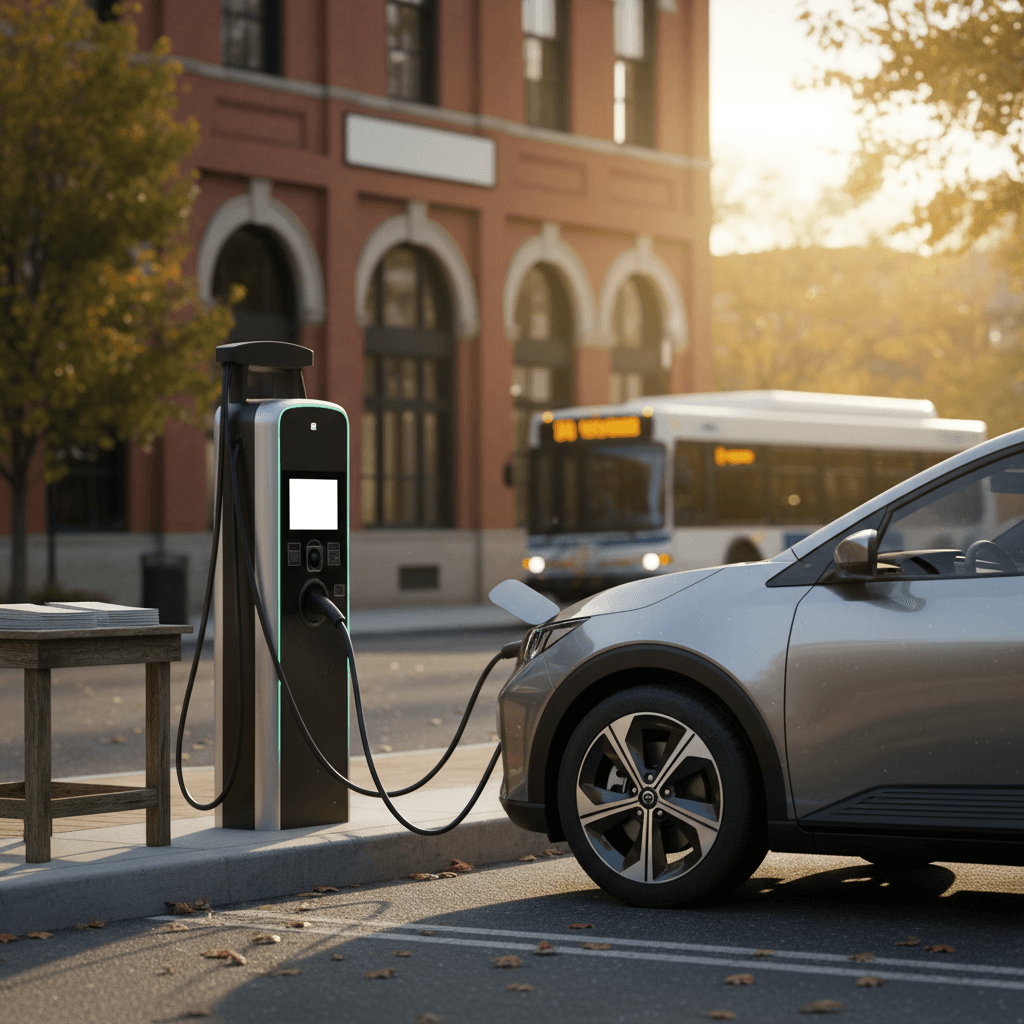
If you live in or around Wilmington, NC and you’re shopping for an electric vehicle, you’ve probably discovered that **EV rebates in Wilmington, NC** are confusing and scattered across federal programs, utility incentives, and city investments. The bad news: North Carolina doesn’t currently offer a big statewide cash rebate on EV purchases. The good news: you can still stack federal tax credits, Duke Energy charger incentives, and local charging benefits to meaningfully cut the cost of going electric.
Quick reality check for Wilmington drivers
EV rebates in Wilmington, NC: what’s actually available?
At-a-glance: Where Wilmington EV savings come from
Four main pillars of incentives for coastal North Carolina drivers
Federal tax credits
Income‑ and vehicle‑restricted Clean Vehicle Credits can lower the tax bill for eligible new and used EV buyers. These are available no matter where you live in the U.S., including Wilmington.
Utility charger rebates
Duke Energy offers a Charger Prep Credit in North Carolina that reimburses up to around $1,100 per charger connection for panel upgrades and wiring related to Level 2 home charging.
Local public charging
The City of Wilmington has installed DC fast and Level 2 chargers in downtown parking decks, giving residents low‑cost or free public charging options.
Indirect state support
North Carolina channels Volkswagen settlement and infrastructure grants into public charging and fleet electrification rather than direct buyer rebates, which still lowers your total cost of ownership over time.
- a possible **federal tax credit** on a new or previously owned EV,
- utility money to offset **home charging installation**, and
- ongoing fuel savings from **cheap or free local public charging**.
1. Federal EV tax credits you can use in Wilmington
Because federal incentives are national, Wilmington residents follow the same rules as everyone else. Under the Inflation Reduction Act, the old one‑size‑fits‑all federal EV credit has been replaced with two main programs: one for **new clean vehicles** and one for **previously owned (used) clean vehicles**. Each has income caps, price caps, and vehicle‑eligibility rules you’ll need to verify on the IRS website or with your tax pro.
Federal clean vehicle credits in 2025–2026 (high level)
These credits are available to eligible Wilmington buyers but subject to income limits, price caps, and vehicle qualification rules that change over time.
| Credit type | Maximum value | Vehicle type | Key eligibility notes |
|---|---|---|---|
| New Clean Vehicle Credit | Up to $7,500 | New EV or plug‑in hybrid | Final assembly in North America, battery and mineral content rules, income caps, MSRP caps. |
| Previously Owned Clean Vehicle Credit | Up to $4,000 | Used EV or plug‑in hybrid | Vehicle must be at least 2 model years old, purchased from a dealer, price cap, and income caps apply. |
Always confirm eligibility on IRS.gov or with a tax professional before you buy.
Important federal fine print
For Wilmington shoppers focused on value, the **used clean vehicle credit** is often the sweet spot. Many 2–5‑year‑old EVs qualify on paper, sticker prices are well below the used-vehicle price cap, and you avoid the steep first‑owner depreciation that hits new EVs hardest in the first three years.
2. North Carolina state EV incentives (and what’s missing)
Unlike some Western and Northeastern states, **North Carolina does not currently offer its own statewide EV purchase tax credit or rebate**. Policy attention has mostly gone toward building out charging infrastructure, electrifying state and municipal fleets, and preparing to launch broader home energy rebates funded by the Inflation Reduction Act.
North Carolina’s EV incentive landscape in context
Watch for IRA‑funded home energy rebates
So while you won’t find a “North Carolina EV rebate application” that sends you thousands of dollars for buying a car, the state is quietly improving the economics of owning an EV through cheaper charging and infrastructure that makes it easier to skip gas for good.
3. Duke Energy EV rebates for Wilmington homeowners and renters
Most Wilmington households are served by **Duke Energy Progress**, which has become the de facto source of real, cash‑like EV incentives in the region. Rather than subsidizing the car itself, Duke focuses on making **home charging cheaper and smarter** so the grid can handle growing EV demand without massive rate spikes.
Key Duke Energy programs that matter for Wilmington EV owners
These programs are regularly updated, so always confirm current terms before you enroll.
Charger Prep Credit (Residential)
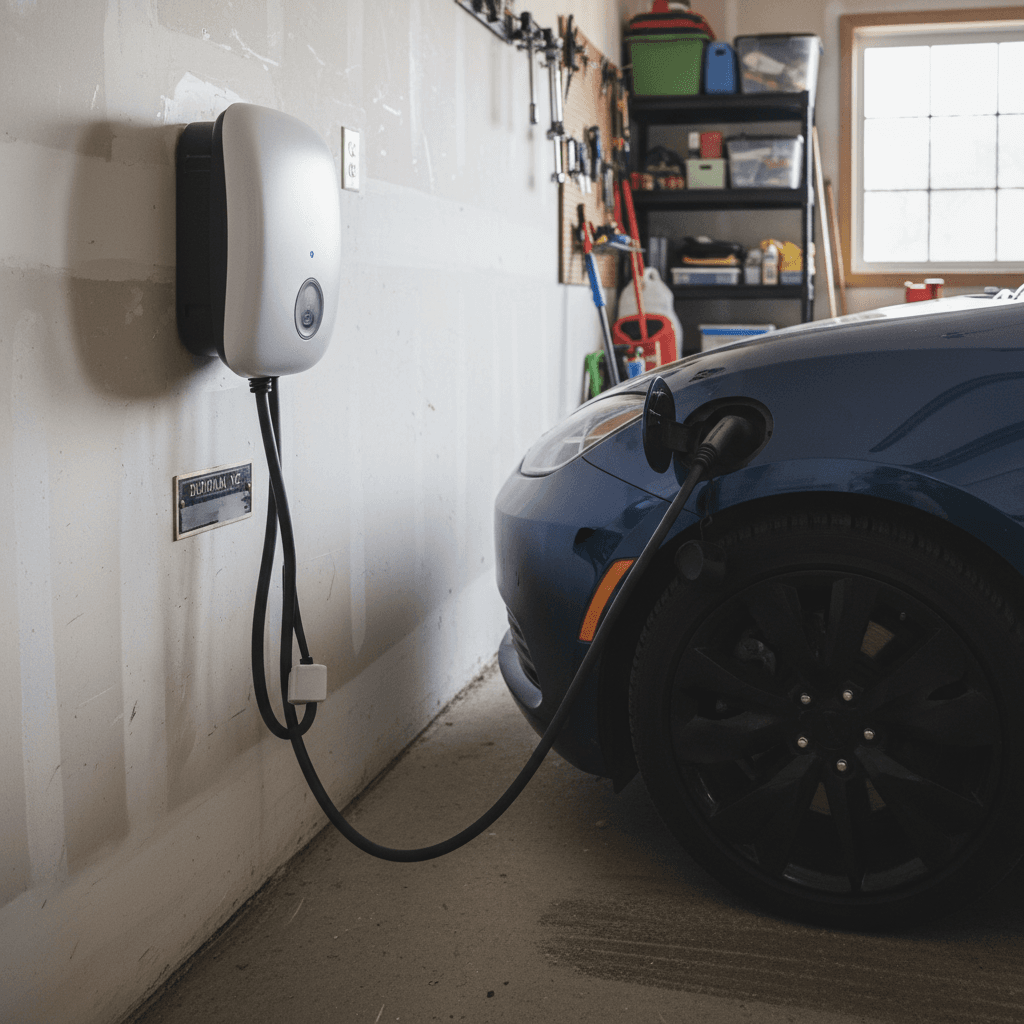
Duke’s North Carolina Charger Prep Credit reimburses homeowners and some renters for the **electrical work that prepares your home for Level 2 charging**. As of 2025, the credit can reimburse up to roughly $1,100 per charger connection for qualifying panel upgrades, conduit, and wiring, though not the charger hardware itself.
Demand response & smart thermostat
Separate income‑qualified programs provide free smart thermostats and **bill credits for shifting usage off‑peak**. While not EV‑specific, they can pair nicely with scheduled overnight charging to keep your overall electric bill in check.
Off‑peak charging benefits
Duke’s rate structures and pilot programs increasingly reward customers who **charge at night** when demand is low. Even without a formal EV‑only rate, setting your car or charger to run after 11 p.m. can dramatically lower your per‑mile fuel cost compared with gasoline.
Maximize your Charger Prep Credit
For many Wilmington homeowners, the Charger Prep Credit is effectively your **“home EV rebate.”** It doesn’t discount the car, but it can shave a meaningful chunk off the $800–$2,000 you might otherwise spend to run a 240‑volt line to your driveway or garage.
4. Local Wilmington programs, grants, and public charging investments
The City of Wilmington hasn’t launched its own cash rebate for private EV purchases, but it has invested in **public charging and municipal fleet electrification** that indirectly saves you money by making life with an EV easier and cheaper.
- DC fast chargers and Level 2 chargers in the Market Street parking deck, offering rapid charging for downtown visitors.
- Additional Level 2 chargers in the 2nd Street, Riverplace, and Convention Center parking decks.
- Participation in the **Charging Smart** program, which streamlines permitting and planning for private charging projects.
- Grants for city fleet EVs and even an all‑electric trash truck, signaling long‑term commitment to electrification.
Why local charging investments matter more than you think
5. How to stack EV incentives on a used car in Wilmington
If you’re primarily interested in **EV rebates in Wilmington, NC** as a way to lower your total cost of ownership, a **used EV** is often the most efficient path, especially when you can combine the federal used vehicle credit with utility incentives and transparent battery‑health information from a seller like Recharged.
1. Capture the federal used EV credit
Many 2–4‑year‑old EVs qualify for the Previously Owned Clean Vehicle Credit, worth up to $4,000 for eligible buyers. Because prices on used EVs have come down, it’s easier to stay under the program’s vehicle price cap while still getting a modern car with good range.
2. Pair it with local charging incentives
Once you’ve found the right used EV, use Duke’s Charger Prep Credit to make Level 2 home charging feasible, then lean on Wilmington’s public chargers for top‑offs. Together, these can shave thousands of dollars off your fuel and infrastructure costs over the first few years of ownership.
How Recharged can help Wilmington buyers
6. New vs. used: which path maximizes EV savings in NC?
There’s no one‑size‑fits‑all answer, but if we look purely at incentives and total cost of ownership in Wilmington, three patterns stand out:
New vs. used EVs for Wilmington drivers
How incentives and real‑world economics compare
New EV
- May qualify for up to $7,500 federal credit if income, MSRP, and vehicle rules are met.
- Highest upfront price and steepest first‑year depreciation.
- Best fit if you want newest tech and plan to keep the car 8–10 years.
Used EV
- May qualify for up to $4,000 federal used credit.
- Purchase price is dramatically lower, especially for 3–5‑year‑old models.
- Best fit if you want maximum value per dollar and don’t mind a prior owner.
Either, plus charging rebates
- Duke Charger Prep Credit can offset panel and wiring costs for home Level 2 charging.
- Wilmington’s public chargers reduce reliance on gasoline or expensive DC fast networks.
- Both new and used EVs benefit from much lower fuel and maintenance costs.
Think in “total cost per mile,” not sticker price
7. Step‑by‑step plan to capture every rebate
Checklist: how a Wilmington driver should approach EV rebates
1. Clarify your driving and housing situation
Estimate your annual miles, typical daily commute, and whether you can install home charging (garage, driveway, shared parking). Renters and homeowners may lean on incentives differently.
2. Decide on new vs. used
If you’re budget‑sensitive or unsure about long‑term EV technology, focus on <strong>used EVs</strong> that may qualify for the previously owned clean vehicle credit. If you drive a lot and want to keep the car 10+ years, investigate <strong>new EVs</strong> that qualify for the full federal credit.
3. Confirm tax credit eligibility in advance
Before you fall in love with a particular car, run the numbers: check your Modified Adjusted Gross Income, the vehicle’s VIN and assembly location, battery‑content rules, and price caps. Talk to a tax professional so you’re not counting on a credit you can’t actually use.
4. Get quotes for home charging work
Ask a licensed electrician for a quote to install a 240‑volt circuit and outlet or hardwired Level 2 charger. Make sure the quote clearly breaks out labor and materials that qualify for the **Duke Charger Prep Credit**.
5. Enroll in relevant Duke Energy programs
Submit your application for the Charger Prep Credit and any demand‑response or smart‑thermostat programs you’re eligible for. Opt into off‑peak or time‑of‑use rates if they’re available in your territory.
6. Choose a used EV with verified battery health
Especially in a warm, humid climate like coastal North Carolina, **battery health matters**. Work with a seller that can provide real diagnostic data, Recharged’s Score Report, for example, shows how much usable capacity is left so there are no surprises.
7. Plan your charging mix
Set your car to charge overnight at home when rates are lowest, and use Wilmington’s public chargers strategically, downtown fast charging while you eat or shop, Level 2 when you’re parked for several hours.
8. Keep good records
Save purchase agreements, installation invoices, and rebate confirmations. You’ll need them for tax filing, future resale, and in some cases to demonstrate compliance with program rules.
8. Common mistakes North Carolina EV buyers make
Avoid these EV incentive pitfalls in Wilmington
- **Assuming every EV gets $7,500.** In reality, many popular models don’t qualify for the full federal credit, and some don’t qualify at all under current battery and assembly rules.
- **Ignoring income limits.** Both the new and used clean vehicle credits cut off at specific income thresholds, go a dollar over and you can lose the entire credit.
- **Waiting to think about charging.** Home electrical work can take weeks to schedule. Start the Charger Prep Credit and electrician process before you take delivery so you’re not stuck on a 120‑volt outlet.
- **Overlooking used EV battery health.** A cheap used EV with a tired battery can eat up any savings in lost range and faster depreciation. Insist on a real battery‑health report, not just a dashboard percentage.
- **Forgetting that programs change.** Incentive amounts, eligibility rules, and even program existence can shift year to year. Always confirm the latest details before you count any rebate as guaranteed.
EV rebates Wilmington NC: FAQ
Frequently asked questions about EV rebates in Wilmington, NC
EV rebates in Wilmington, NC don’t look like a single big check from Raleigh anymore. Instead, they show up as a mosaic of **federal tax credits, Duke Energy charger incentives, and city‑backed public charging** that, together, can make an electric vehicle cheaper to own than a comparable gas car, especially if you choose a well‑priced used EV with a healthy battery. If you’re ready to run the numbers on a specific car, explore used EVs with verified battery health on Recharged, then talk with your electrician and tax professional so you can capture every dollar you’re entitled to when you plug in along the Cape Fear coast.