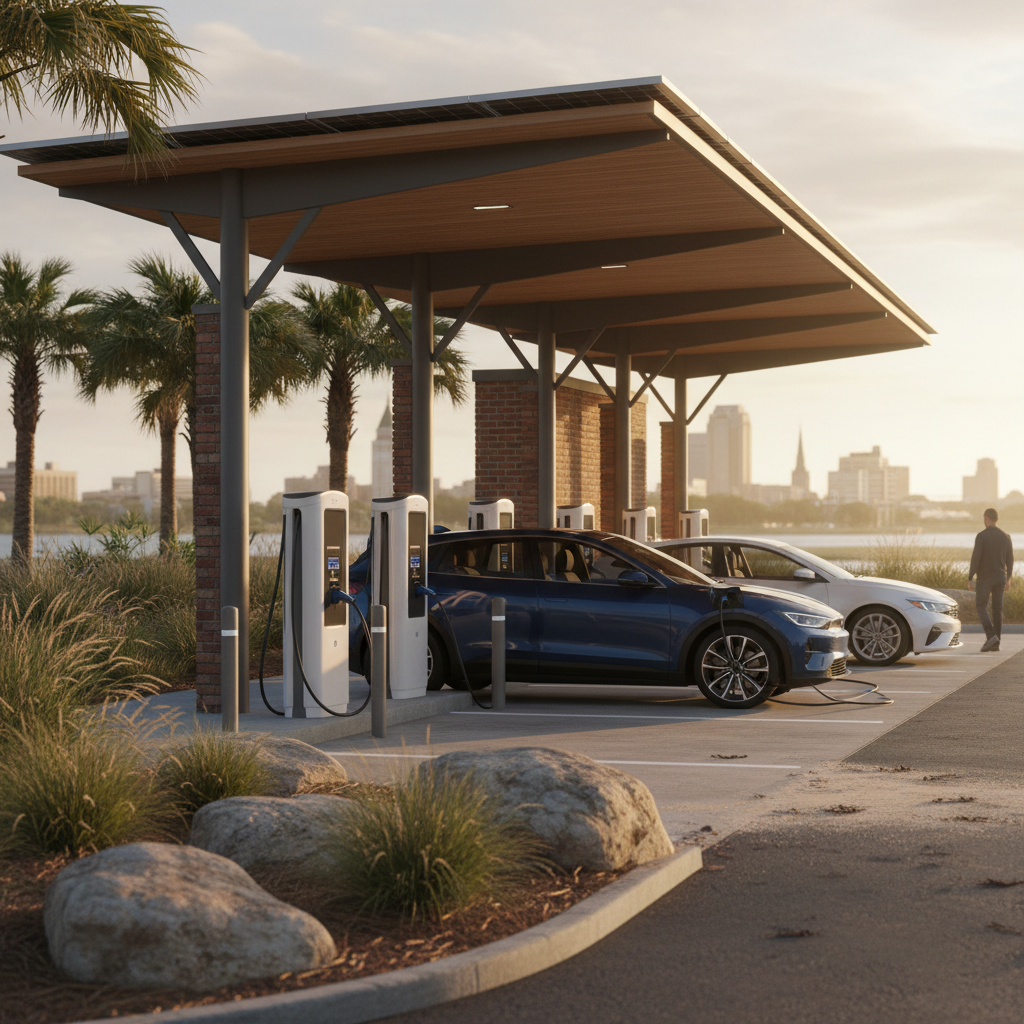
If you live in or around Jacksonville, North Carolina, the phrase “EV rebates Jacksonville NC” can be a little misleading. There’s no giant, one-click local rebate waiting for you. Instead, your savings come from a patchwork of federal tax credits, North Carolina programs, and Duke Energy incentives you can combine if you plan ahead.
Good news for Jacksonville drivers
Overview: What EV rebates exist in Jacksonville, NC?
Let’s set expectations clearly. As of early 2026, North Carolina doesn’t offer a statewide EV purchase rebate or tax credit on the vehicle itself. The money is in the margins: home charging, electrical upgrades, time‑of‑use electric rates, and new federal home energy rebates rolling out across the state.
- Federal tax credit of up to 30% (capped at $1,000) for a home EV charger and installation, currently available for projects placed in service through June 30, 2026.
- Duke Energy programs that reduce the cost of “make‑ready” work and encourage off‑peak charging in much of eastern North Carolina, including Jacksonville-area customers.
- Inflation Reduction Act (IRA)–funded home energy rebates launching in North Carolina, which can help offset panel upgrades or wiring that support an EV charger.
- No Jacksonville‑specific EV purchase rebate, but good deals on used EVs plus these incentives often beat a new car with a factory rebate.
Check current program pages
Quick take: Key savings for Jacksonville EV drivers
Jacksonville, NC EV savings snapshot (typical homeowner)
Where Recharged fits in
Federal EV charger tax credit (through June 30, 2026)
For Jacksonville homeowners, the single most straightforward incentive is the federal EV charger tax credit, created under Section 30C of the tax code and modified by the Inflation Reduction Act and later legislation. It’s not a rebate check; it’s a credit you claim on your federal tax return.
Federal home EV charger tax credit basics
How the federal Alternative Fuel Refueling Property tax credit works for Jacksonville, NC homeowners.
| Question | Answer |
|---|---|
| What’s covered? | Residential Level 2 charger hardware plus professional installation (wiring, conduit, new breaker, permitting). |
| How much is it? | 30% of total installed cost, capped at $1,000 for a primary residence. |
| Who qualifies? | Homeowners who install and place the charger in service before June 30, 2026 and have enough tax liability to use the credit. |
| How do I claim it? | Typically using IRS Form 8911 with your federal tax return; keep itemized invoices from your electrician. |
| Is it a refund? | No. It reduces what you owe in federal taxes. Unused portions generally don’t carry forward. |
Confirm details with a tax professional before you file.
Watch the June 30, 2026 deadline
Practically speaking, if you spend $1,600 on a professionally installed Level 2 charger at your Jacksonville home, you’re likely looking at around a $480 tax credit, assuming you meet all eligibility rules. Combine that with other programs and you can shave a serious chunk off your out‑of‑pocket cost.
North Carolina EV incentives: What the state does, and doesn’t, offer
North Carolina takes an infrastructure‑first approach. There’s no broad statewide tax credit for buying an EV or a home charger, but the state is channeling federal money into rebates and programs that indirectly support EV ownership.
What North Carolina offers EV owners
Less flashy than a big purchase rebate, but still valuable for Jacksonville households.
Home energy rebates (HEAR & HOMES)
North Carolina’s Department of Environmental Quality is rolling out Energy Saver North Carolina home rebates funded by the Inflation Reduction Act. While these are primarily for energy efficiency, panel upgrades and wiring that can support an EV charger may qualify if they’re part of a broader electrification or efficiency project.
Applications for certain programs are being processed as of March 2025. You’ll need income and project documentation, and rebates are generally not retroactive for work done before the program launch.
Charging infrastructure focus
The state has directed a lot of attention to building out public charging, especially along highways and in underserved areas. That shows up as grants to cities, universities, and private operators rather than checks mailed to individual drivers.
For Jacksonville residents that means better public fast‑charging coverage over time, even if you don’t see “State of North Carolina” written on a rebate form.
Jacksonville vs. Jacksonville
Duke Energy programs in Onslow County and Jacksonville
If your Jacksonville home’s power bill comes from Duke Energy, you’re sitting on one of the most important local EV incentives: Duke’s charger prep and EV programs, which help cover electrical work and encourage smarter charging behavior.
Charger Prep Credit ("make‑ready" support)
Duke Energy’s Charger Prep Credit program in North Carolina helps residential customers pay for the electrical work needed to support a Level 2 charger, think conduit, wiring, panel upgrades, and new circuits. The credit doesn’t buy the charger itself, but it can significantly reduce the prep cost.
Past program materials have referenced credits worth hundreds of dollars for homeowners, with higher amounts for multifamily or public chargers. The exact amount you receive depends on the scope of work and program rules in effect when you apply.
EV Complete & off‑peak charging programs
Duke also pilots programs that pair hardware with time‑of‑use rates or managed charging. In some cases, customers can get discounted or even free Level 2 hardware in exchange for charging off‑peak or allowing Duke to manage charging during grid stress.
These programs open and close as budgets change. Before you sign a contract with an electrician in Jacksonville, check Duke’s EV program pages or call the number on your bill to see what’s currently available in your service area.
How to talk to Duke Energy
IRA home energy rebates in North Carolina
North Carolina’s Energy Saver program is rolling out two major buckets of home rebates funded by the Inflation Reduction Act: HOMES (whole‑home performance) and HEAR (High‑Efficiency Electric Homes). These are aimed at cutting overall energy use, not just helping EV owners, but your EV project can piggyback on them in the right circumstances.
- HOMES rebates reward modeled or measured reductions in your home’s total energy use (for example, after insulation, HVAC, and panel upgrades).
- HEAR rebates target specific high‑efficiency electric equipment like heat pumps, heat pump water heaters, and in some cases, panel upgrades that enable electrification.
- Programs started accepting certain applications in 2025, and retroactive rebates are limited to projects that meet strict requirements, so don’t assume your 2023 panel upgrade qualifies.
Panel upgrade ≠ automatic rebate
How to stack Jacksonville EV rebates step by step
You don’t need a spreadsheet and a law degree to make this work. Here’s a simple order of operations for a Jacksonville homeowner who wants a used EV and a proper home charger without overspending.
Stacking incentives: a simple playbook for Jacksonville
1. Confirm your electric utility
Look at your current bill. If you’re served by <strong>Duke Energy</strong>, you’ll likely have access to their charger prep and EV programs. If it’s a co‑op or municipal utility, call and ask if they offer any EV or off‑peak charging incentives.
2. Choose your EV (new or used) first
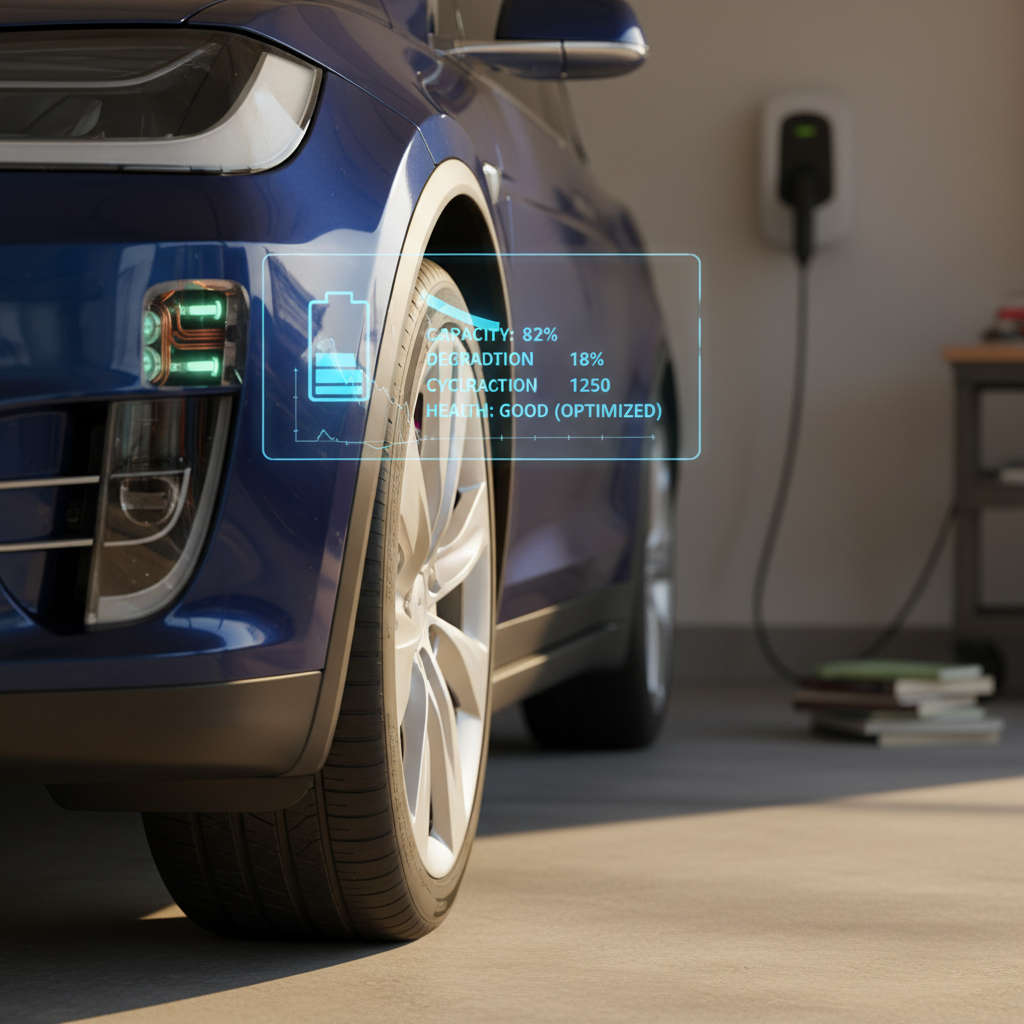
Pick a vehicle that matches your commute and charging options. If you’re leaning used, a marketplace like <strong>Recharged</strong> gives you a Recharged Score Report with verified battery health so you don’t burn your savings on a tired pack.
3. Get a home charger quote from a licensed NC electrician
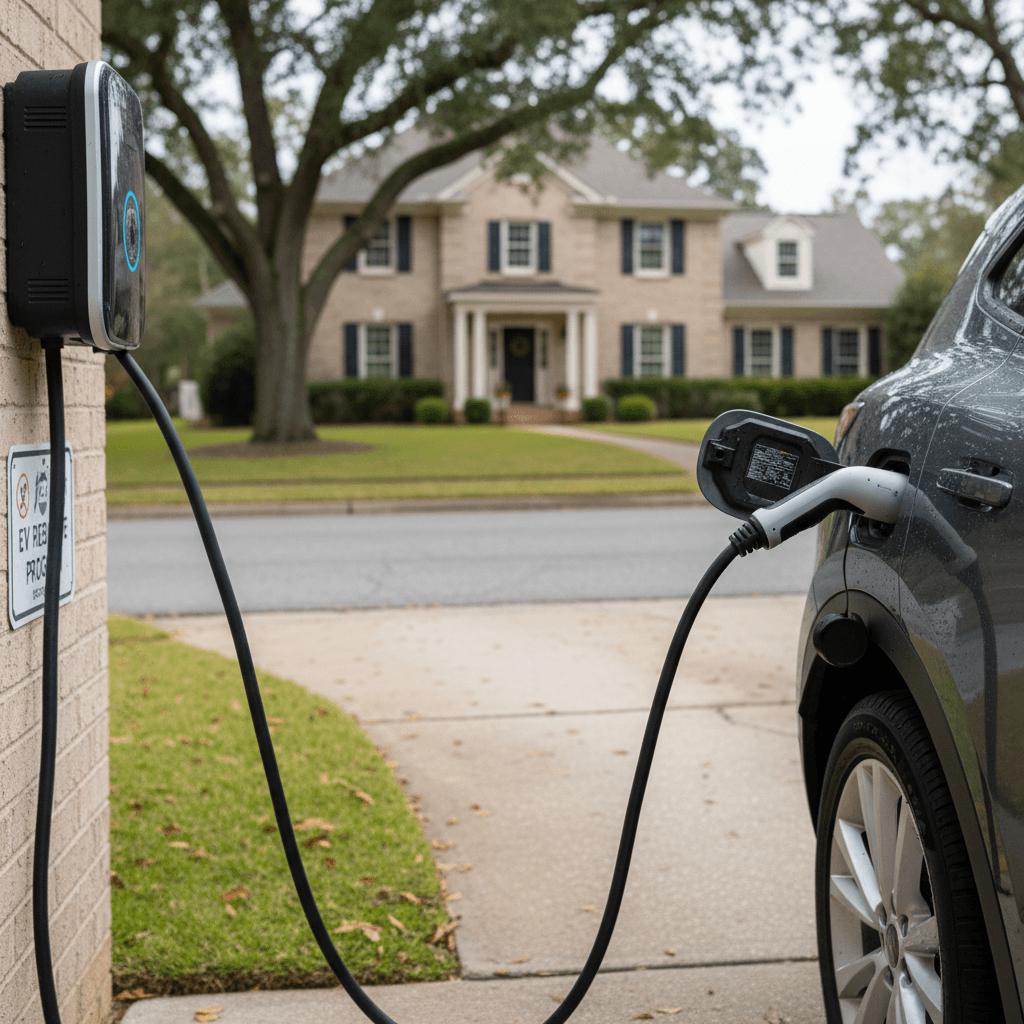
Have an electrician in Jacksonville inspect your panel, discuss where you want the charger, and quote the full job: hardware, wiring, permitting, and any panel upgrade. Ask them to itemize everything on the invoice for tax and rebate documentation.
4. Check Duke Energy and state programs before work starts
Visit Duke’s EV incentive pages and North Carolina’s Energy Saver site. Note any application steps, pre‑approval requirements, or forms you or your contractor must submit. Take screenshots or print PDFs so you can refer back to the terms later.
5. Time the project for maximum federal credit
Make sure your Level 2 charger is installed and placed in service <strong>before June 30, 2026</strong>, so you can claim the 30% federal tax credit, up to $1,000. Coordinate installation timing with any Duke or state program deadlines.
6. Keep every scrap of documentation
Save quotes, permits, itemized invoices, photos of the installed charger, and any emails confirming your enrollment in utility programs. When it’s time to file taxes or apply for rebates, this paper trail is what gets you paid.
Used EV savings with Recharged: stretching your rebate dollars
Rebates and tax credits don’t care much whether your car is fresh off the showroom floor or came from a thoughtful second owner. That’s where the math gets interesting in Jacksonville: combine used EV pricing with home‑charging incentives and you can undercut the cost of a new gas crossover while slashing your fuel bill.
Why a used EV often makes more sense in Jacksonville
Especially when you pair it with a smart home-charging plan.
Lower upfront price
Used EVs in North Carolina have already taken the first big depreciation hit. That can mean thousands off MSRP versus new, money you can redirect into a high‑quality Level 2 charger and any panel upgrades you need.
Battery health you can trust
Every EV sold through Recharged comes with a Recharged Score Report and verified battery health data, so you know you’re not buying a range‑anxious science experiment.
Financing and trade‑in options
Recharged offers financing, trade‑in, and instant offer or consignment, so you can roll your charger plan and vehicle budget into one clear picture instead of juggling a loan, a contractor, and Craigslist at the same time.
Because the big incentives here are about charging and infrastructure, a well‑chosen used EV plus a properly installed Level 2 charger is often the sweet spot for families who want EV benefits without new‑car payments.
Common rebate mistakes to avoid in North Carolina
Don’t leave money on the table
- Missing federal deadlines. If you wait until late 2026 to install a charger, you may have missed the 30% federal credit window altogether.
- Not checking your specific utility. Jacksonville sits in a patchwork of service territories. Always confirm which company serves your address and what they offer today, not last year.
- Doing work before reading the fine print. Some programs require pre‑approval or specific equipment. If you install first and read later, you may find out your project was never eligible.
- Losing documentation. A rebate program is only as good as your paper trail. If your electrician’s invoice just says “electrical work,” ask them to break it out: panel upgrade, conduit, EVSE install, permit, etc.
- Overbuilding for your EV. Jacksonville commuters often don’t need a 19 kW home charger. Oversizing can drive up costs without adding real‑world benefit, which makes incentives feel smaller than they are.
Simple rule of thumb
FAQs: EV rebates in Jacksonville, NC
Frequently asked questions about EV rebates in Jacksonville, North Carolina
Bottom line for Jacksonville, NC EV shoppers
If you were hoping to type “EV rebates Jacksonville NC” and discover a single, generous hometown check with your name on it, that’s not the reality, at least not right now. But when you add up a federal charger tax credit, potential Duke Energy charger prep support, emerging North Carolina home energy rebates, and the structural savings baked into a well‑chosen used EV, the total picture is far more compelling than the headlines suggest.
The smart move in Jacksonville is to work backwards from your life: the miles you drive, the parking you have, the electric panel in your garage. Choose an EV that fits, new or used, then design a charging setup that takes full advantage of the incentives on the table before June 30, 2026. If you want help stress‑testing that math, Recharged’s EV specialists, financing options, and Recharged Score battery reports are built for exactly this kind of decision-making.