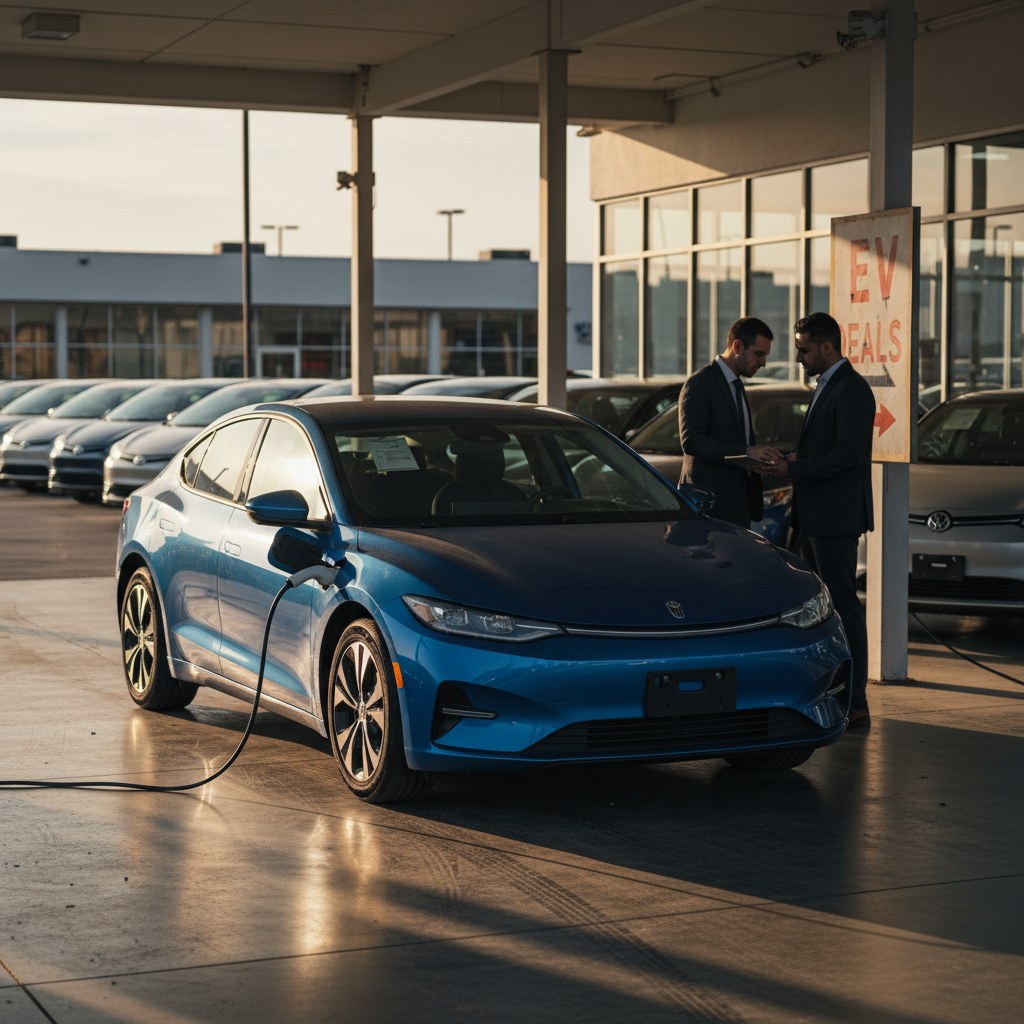
If you live in or around Hartford, CT and you’re thinking about going electric, the rebate landscape has changed a lot since late 2025. Federal EV tax credits are being phased out, but Connecticut’s own EV rebates in Hartford, CT, especially the CHEAPR program, are still very much alive. The key is knowing what’s left, who qualifies, and how to stack the right incentives on a new or used EV.
Time-sensitive EV incentives
Overview: EV rebates in Hartford after the 2025 changes
On **September 30, 2025**, the federal new and used clean vehicle tax credits stopped being available for vehicles acquired after that date. Connecticut anticipated this drop-off and adjusted its own statewide **Connecticut Hydrogen and Electric Vehicle Purchase Rebate (CHEAPR)** program, which you can use whether you live in downtown Hartford, West Hartford, East Hartford or surrounding suburbs.
Key EV incentive changes Hartford shoppers should know
Quick glance: EV rebates & incentives in Hartford, CT
What incentives are available to Hartford EV buyers in 2026?
Snapshot of major EV rebates and credits affecting Hartford residents for purchases in late 2025 and 2026.
| Incentive | Who it’s for | Typical value (approx.) | Status for 2026 Hartford buyers |
|---|---|---|---|
| CT CHEAPR Standard (new PHEV, BEV, FCEV) | Any CT-licensed driver buying from a CT dealer | $500–$1,000 off at the dealership | Active for qualifying new vehicles purchased/leased on or after Oct. 1, 2025 |
| CT CHEAPR Rebate+ New | Income-qualified or EJ-area residents | Up to $3,000 extra on top of Standard | Active; stackable with Standard for bigger savings |
| CT CHEAPR Rebate+ Used | Income-qualified or EJ-area residents buying used | Up to $5,000 (BEV) or $3,000 (PHEV) | Active for eligible used EVs from CT dealers |
| Federal New & Used Clean Vehicle Credit | Most buyers who acquired an EV before Oct. 1, 2025 | Up to $7,500 new, $4,000 used | No longer available for vehicles acquired after Sept. 30, 2025, but you may still claim for earlier purchases when filing taxes |
| Federal Home Charger Credit (30C) | Homeowners installing charging equipment | 30% of cost, up to $1,000 | Available for qualifying home EV chargers placed in service before July 1, 2026 |
| Utility / Local EV Programs | Residential and commercial drivers | Varies by program | Some utility charger rebates have been suspended; check for current offers |
Always confirm current rules with program administrators or a tax professional before you buy.
Rules change, always double-check
Connecticut CHEAPR rebates for Hartford drivers
CHEAPR is the foundation of EV rebates in Hartford, CT. It’s a statewide program run by the Connecticut Department of Energy & Environmental Protection (DEEP) that gives rebates when you buy or lease an eligible new or used EV from a licensed Connecticut dealer.
As of **October 1, 2025**, the main CHEAPR incentive levels look like this for vehicles purchased on or after that date:
- Standard CHEAPR (any income level) – available to any Connecticut-licensed driver buying or leasing from a CT dealer.
- Rebate+ New – extra money for income-qualified buyers and residents of distressed municipalities or environmental justice (EJ) communities, including parts of Hartford.
- Rebate+ Used – extra money for income-qualified buyers of used EVs.
CHEAPR incentive amounts for purchases on or after Oct. 1, 2025
Applies statewide, including Hartford, for eligible vehicles bought or leased from CT dealers.
| Vehicle type | CHEAPR Standard (new) | Rebate+ New (additional) | Rebate+ Used |
|---|---|---|---|
| Battery electric (BEV) | $1,000 | $3,000 | $5,000 |
| Plug‑in hybrid (PHEV) | $500 | $1,500 | $3,000 |
| Fuel cell electric (FCEV) | $1,000 | $3,000 | $5,000 |
Rebate+ amounts are in addition to the Standard incentive, when eligibility requirements are met.
Hartford is a focal point
To use CHEAPR on a new EV in Hartford:
- Choose an EV on the official CHEAPR eligible vehicle list (new or used).
- Buy or lease from a licensed Connecticut dealer (online-only, out‑of‑state purchases generally don’t qualify).
- Make sure the dealer submits the CHEAPR application at the time of sale. For Standard, the rebate is usually applied directly to your purchase order as a line‑item discount.
- If you’re eligible for Rebate+, complete any required pre‑qualification so your voucher can be applied at closing.
Extra savings with CHEAPR Rebate+ for income-qualified and EJ neighborhoods
CHEAPR’s **Rebate+** tiers are designed specifically to help lower‑ and moderate‑income drivers, and residents of distressed or environmental justice communities, get into EVs that might otherwise feel out of reach.
Who qualifies for CHEAPR Rebate+ in Hartford?
Three main ways Hartford drivers can unlock extra EV money.
Income-qualified households
EJ & distressed areas
Participation in assistance programs
Pro tip for Hartford renters and apartment dwellers
Because Rebate+ amounts can reach **$5,000 on a used BEV** or **$3,000 on a used PHEV**, they can easily be the single biggest incentive on the table now that most federal purchase credits have ended. If you’re on the fence between a gas car and a used EV, these numbers can tip the scales.
Federal EV benefits after September 30, 2025
The federal side of the equation is where many Hartford shoppers are most surprised. Thanks to changes passed in mid‑2025, the familiar federal **New Clean Vehicle Credit** and **Previously‑Owned Clean Vehicle Credit** are no longer available for vehicles acquired after **September 30, 2025**. That includes EVs you buy in Hartford today.
- If you ordered and acquired an eligible EV on or before Sept. 30, 2025 and put it in service later, you can still claim the federal credit when you file that year’s tax return using Form 8936.
- If you signed a purchase agreement after Sept. 30, 2025, there is no federal new or used EV purchase credit, even if you take delivery in early 2026.
- Commercial leases may still involve separate incentives at the financing-company level, but those typically show up as lower lease payments rather than a tax credit you claim yourself.
Don’t count on a federal purchase credit in 2026
One bright spot at the federal level: the separate **Alternative Fuel Vehicle Refueling Property Credit** for home chargers (Section 30C) is still available for qualifying equipment placed in service before **July 1, 2026**. We’ll unpack that next.
Can you get a rebate for an EV charger in Hartford?
There are two layers to think about when it comes to EV charger incentives in Hartford: federal tax credits and any utility or local programs that might come back in the future.
1. Federal home charger tax credit (Section 30C)
If you install a Level 2 home charger or other qualified EV supply equipment at your Hartford residence and place it in service before July 1, 2026, you can generally claim a federal tax credit equal to 30% of the cost, up to $1,000.
- Applies to hardware and often installation labor.
- Must be installed at your home (not a rental you don’t occupy).
- Claimed on your federal tax return for the year the charger is placed in service.
Because this is a tax credit, you’ll need enough tax liability to benefit from the full amount.
2. Utility and city-level charger incentives
In past years, utilities serving Hartford offered rebates for home and workplace charging. However, due to evolving regulatory decisions, some of these programs have been suspended or scaled back.
The bottom line: don’t assume a utility rebate will be available by the time you install your charger. Treat any utility incentive as an unexpected bonus and make your decision based primarily on the federal credit and your own charging needs.

Utility and local Hartford programs: what’s happening now
For several years, utilities like Eversource helped Hartford drivers with rebates for residential and commercial EV chargers. In 2024, Eversource announced that it would suspend new EV charging rebates while state regulators work out long‑term funding. That decision has rippled into 2025 and 2026.
Utility charger rebates are not guaranteed
Even without generous utility programs, Hartford residents still benefit from Connecticut’s overall push toward clean transportation, especially through CHEAPR and, in some cases, reduced registration fees or HOV lane access. But when you’re comparing offers, remember that the most reliable incentives are the ones written into statute or your purchase contract.
How to stack EV rebates in Hartford for maximum savings
With federal purchase credits mostly off the table for new decisions, the name of the game in Hartford is stacking **state, income‑based, and dealer** incentives. Here’s how a typical stack might look in 2026:
Example savings stacks for Hartford EV buyers
Actual amounts depend on the vehicle, your income, and timing, but these scenarios show what’s possible.
New BEV, Standard buyer
- $1,000 CHEAPR Standard rebate at the dealer.
- Dealer discount or manufacturer cash (varies by model).
- Optional: 30% federal home charger credit (up to $1,000).
Even without a federal purchase credit, a competitive transaction price plus CHEAPR can put a new compact EV near a well‑equipped gas car.
New BEV, Rebate+ buyer
- $1,000 CHEAPR Standard + $3,000 Rebate+ New = $4,000 total.
- Potential dealer or manufacturer incentives.
- Home charger credit if you install Level 2 at home.
For income‑qualified Hartford residents, this stack can rival or exceed the old federal $7,500 credit on lower‑priced EVs.
Used BEV, Rebate+ buyer
- Up to $5,000 Rebate+ Used for BEVs from participating CT dealers.
- Dealer pricing that already reflects depreciation.
- No federal purchase credit, but potentially lower insurance and running costs.
This is often the sweet spot for value‑focused Hartford buyers who qualify for Rebate+.
Leasing vs. buying in a post‑credit world
Do used EVs in Hartford still qualify for rebates?
Used EVs are where Hartford shoppers can still find some of the richest incentives, especially through CHEAPR Rebate+ Used. While the federal **Previously‑Owned Clean Vehicle Credit** is no longer available for vehicles acquired after Sept. 30, 2025, Connecticut’s used‑EV rebates are alive and well for qualifying buyers.
To qualify for CHEAPR on a used EV:
Key requirements for CHEAPR used EV rebates
Buy from a participating CT dealer
Private‑party sales generally don’t qualify. The vehicle must be purchased or leased from a licensed Connecticut dealer enrolled in CHEAPR.
Choose an eligible used EV
The model, battery size, and sale price must meet CHEAPR’s criteria. The program maintains a published list of eligible used models and price caps.
Meet Rebate+ income or location criteria
Standard CHEAPR primarily targets new vehicles; the larger used‑vehicle incentives are focused on Rebate+ participants who meet income or EJ‑community requirements.
Ensure the dealer submits the application
You shouldn’t have to file paperwork yourself. The dealership submits the CHEAPR application so the rebate can be applied as a discount or post‑sale payment.
Why used EVs pair nicely with Recharged
Step‑by‑step checklist before you buy an EV in Hartford
Before you test‑drive or sign a contract, walk through this checklist to make sure you’re not leaving money unclaimed.
Hartford EV buyer’s rebate checklist
1. Confirm how you’ll use the EV
Estimate your weekly miles, parking situation, and access to charging in Hartford. This helps you decide whether a BEV or PHEV is the better fit and whether you’ll need a home charger.
2. Check your CHEAPR and Rebate+ eligibility
Use DEEP’s online tools or program FAQ to see if you qualify for Standard and Rebate+. If you live in an EJ census tract or participate in income‑qualified programs, gather documentation now.
3. Narrow models using total cost, not just price
Compare expected fuel and maintenance savings over 5–8 years. A slightly more expensive EV with strong reliability and lower running costs can pencil out better than a cheaper alternative.
4. Get pre‑qualified for EV financing
Whether you buy through a local dealer or a digital marketplace like <strong>Recharged</strong>, getting pre‑qualified helps you understand your payment comfort zone before incentives are applied.
5. Ask dealers to show all incentives in writing
Your buyer’s order should clearly list CHEAPR rebates, Rebate+, dealer discounts, and any manufacturer cash or lease support. Push back if incentives are only discussed verbally.
6. Confirm charger plans and credits
If you plan to install Level 2 at home, get quotes from licensed electricians and confirm that your equipment will qualify for the federal 30% credit before July 1, 2026.
How Recharged helps Hartford buyers capture every incentive
Sorting through EV rebates in Hartford can feel like a second job, especially after the 2025 federal changes. That’s where a specialist marketplace focused on used EVs can save you time and reduce risk.
What you get when you buy a used EV through Recharged
Designed to make used EV ownership simple, transparent, and rebate‑friendly for Hartford shoppers.
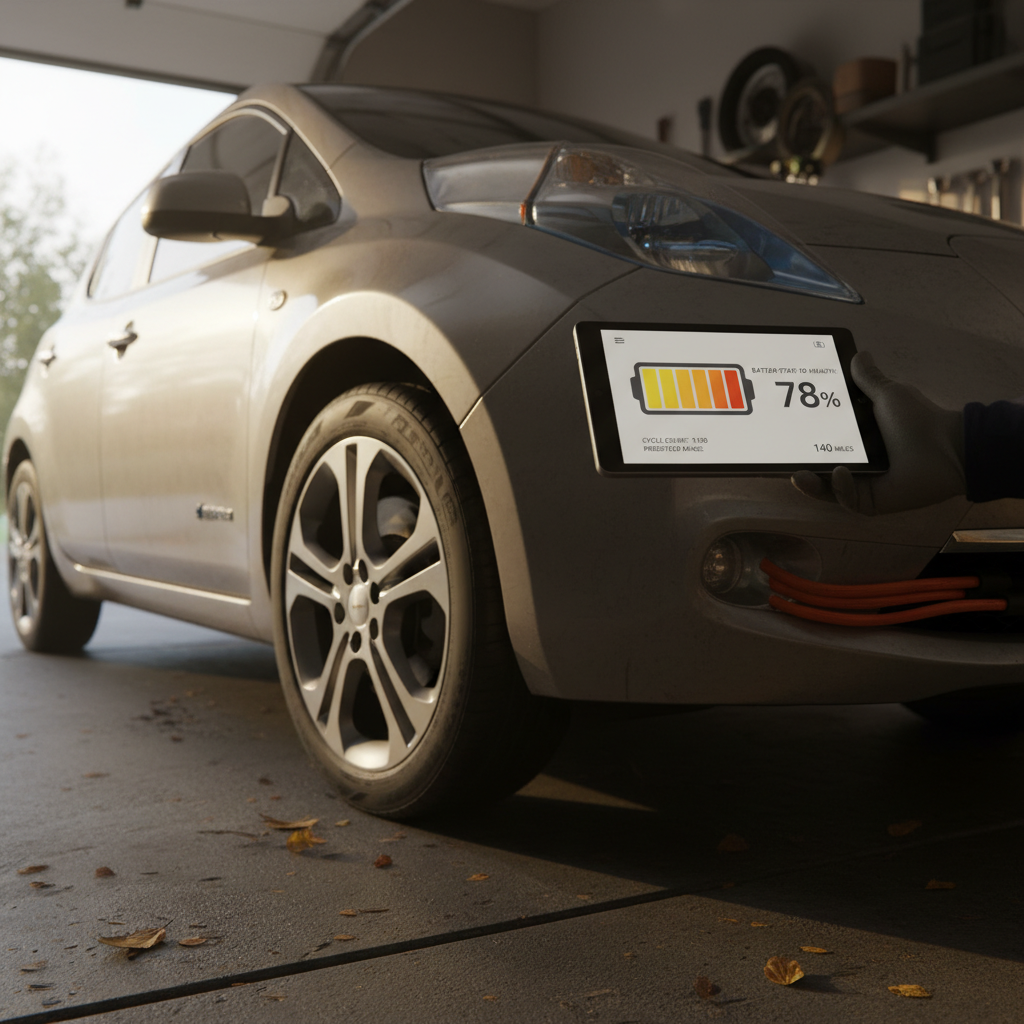
Verified battery health
Clear pricing & financing
Nationwide delivery & trade‑in help
Because the entire experience is digital, with EV‑specialist support and an Experience Center in Richmond, VA, you can shop for a used EV from Hartford without spending weekends hopping between dealers. And when incentives like CHEAPR are in play, that clarity at each step makes sure every available dollar actually reaches you.
FAQ: EV rebates in Hartford, CT
Frequently asked questions about EV rebates in Hartford
The bottom line for Hartford EV shoppers
EV rebates in Hartford, CT look different in 2026 than they did just a year or two ago. The end of most federal purchase credits means you can’t rely on the IRS to knock thousands off your price, but Connecticut’s **CHEAPR** program, especially Rebate+ for income‑qualified and EJ‑area residents, still offers meaningful savings on both new and used EVs. Add in the remaining federal charger credit and smart dealer or marketplace shopping, and a well‑chosen EV can still undercut a comparable gas car on lifetime cost.
Your best move is to verify your CHEAPR and Rebate+ eligibility, treat utility rebates as a possible bonus rather than a guarantee, and make sure every promised incentive is clearly written into your buyer’s order. If you’d like a streamlined way to shop used EVs with verified battery health and expert EV guidance, a marketplace like Recharged can help you navigate the new incentive landscape with far less guesswork.