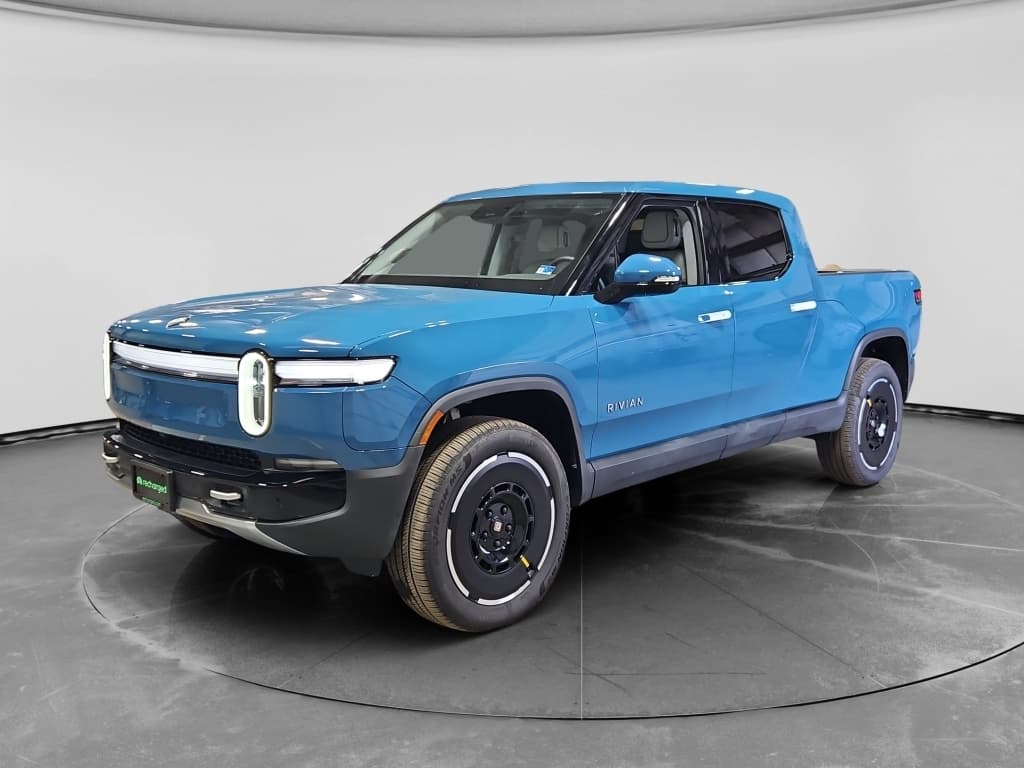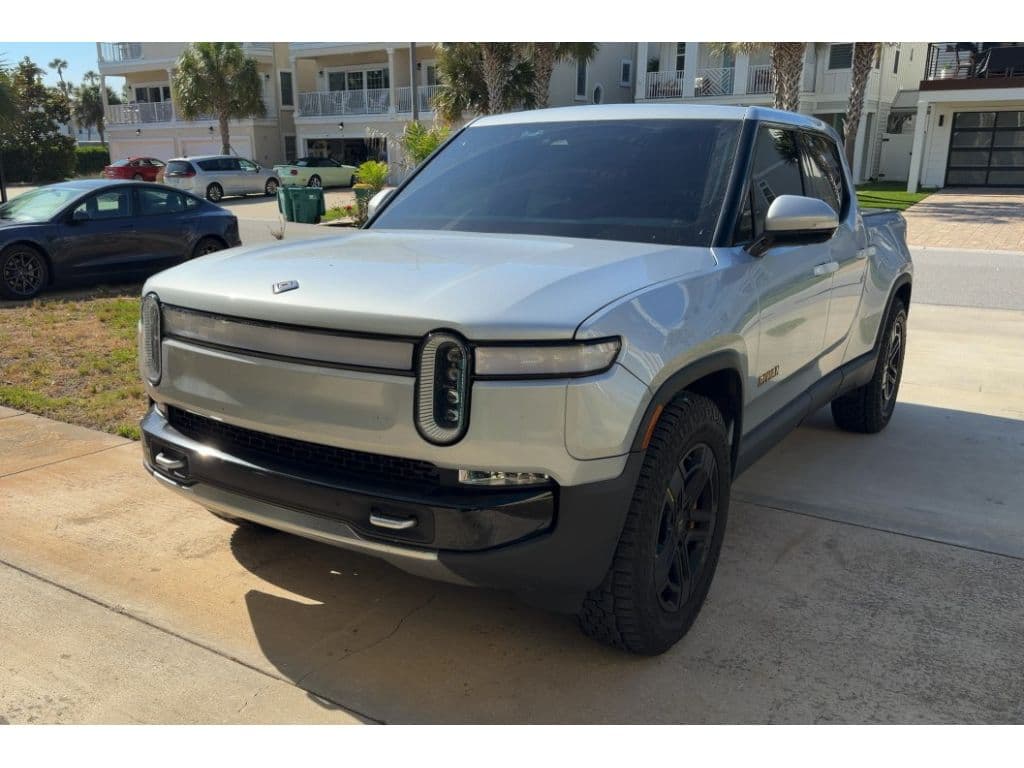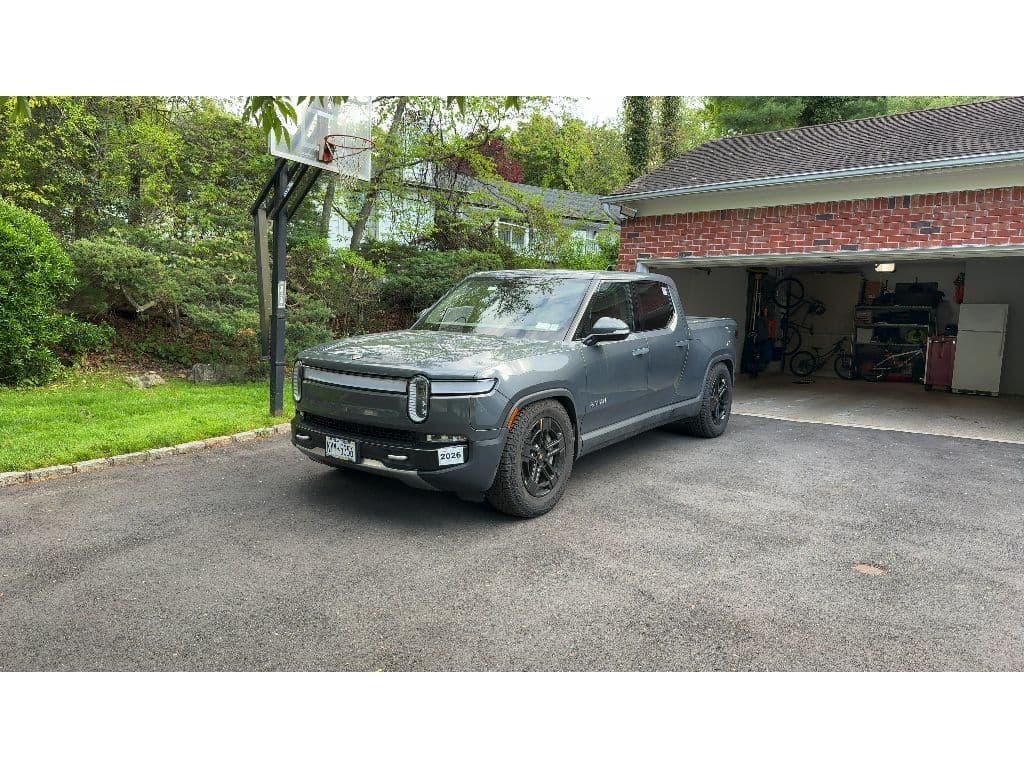
If you love the idea of a pickup but hate paying for gas, today’s EV pickup trucks finally give you real options. Ford, Tesla, GM and Rivian all have electric trucks on U.S. roads, with more on the way. But they don’t behave like gas trucks, especially when you start towing and hauling.
Quick snapshot: the EV truck market in 2025
Why EV pickup trucks are finally real options
What’s driving the electric pickup boom
Three trends that turned EV trucks from prototypes into pavement fixtures
Battery tech caught up
Early EVs couldn’t offer truck-sized range. Today’s packs routinely exceed 300 miles EPA-rated in several electric pickups, even with big, boxy bodies.
Instant torque for towing
Electric motors deliver peak torque from zero rpm. That means smooth, confident launches with a trailer and precise control off-road or on a job site.
Better charging access
Public DC fast charging networks are still imperfect, but they’ve grown quickly. Tesla’s Superchargers and expanding CCS/NACS sites make road trips possible, if you plan.
The question isn’t whether EV trucks can exist, they’re here. The real question is whether an electric pickup fits your life: your commute, your towing needs, your budget and your access to charging. That’s what we’ll unpack next.
EV pickup truck models available now
EV pickup trucks by the numbers (U.S.)
Major EV pickup trucks on sale in 2025
Key specs for popular electric pickups. Ranges are approximate EPA ratings; always check the exact trim you’re considering.
| Model | Drivetrain | Approx. Range (mi) | Max Towing (lbs) | Starting Price (USD) | Best For |
|---|---|---|---|---|---|
| Ford F-150 Lightning | Dual-motor AWD | 320 (extended) | 10,000 | Mid-$50Ks | Contractors, fleets, loyal Ford owners |
| Tesla Cybertruck | Dual/tri-motor AWD | ~350 | 11,000+ | High $70Ks | Tech-focused buyers, brand loyalists |
| Chevrolet Silverado EV | Dual-motor AWD | ~400 (WT/RST) | 10,000+ | High $60Ks | Work trucks, long-range commuters |
| GMC Sierra EV | Dual-motor AWD | ~280–480 (varies) | Up to 12,000 | $70K+ | Premium truck buyers |
| Rivian R1T | Dual/quad-motor AWD | Up to ~410 | 11,000 | Mid-$70Ks | Outdoor adventure, overlanding |
| GMC Hummer EV Pickup | Tri-motor AWD | ~300 | Up to 12,000 | $90K+ | Halo truck, off-road toy rather than work rig |
Current EV pickup truck landscape
How to read EV truck range numbers
If you’ve been driving gas trucks for years, those price tags might sting. But remember, you’re also getting a huge battery pack, powerful dual or tri‑motor drivetrains, and technology that can power tools, campsites or even parts of your home.
Range and batteries: what EV trucks can really do
Battery size is the beating heart of every electric pickup. Most current EV trucks carry packs in the 120–200 kWh neighborhood, roughly twice what you’ll find in a typical electric crossover. That’s what it takes to move a full‑size truck with reasonable range.
What hurts EV truck range
- High speeds: Aerodynamic drag climbs quickly above 65 mph.
- Big tires & lift kits: Great for looks and off‑road grip, terrible for efficiency.
- Cold weather: Batteries dislike the cold; expect slower charging and shorter range.
- Towing tall trailers: Boxy campers catch a lot of air, slashing range.
What helps EV truck range
- Moderate speeds: Cruising at 60–65 mph pays off in miles.
- Efficient tires: Less rolling resistance means more range.
- Preconditioning: Warming the pack before a fast charge improves speed and consistency.
- Smart routing: Planning stops around reliable fast chargers cuts stress.
Real-world towing range can surprise you
- Light‑duty driving (commuting, errands, weekend trips) is where EV pickups shine. You’ll often charge at home and rarely think about range.
- Heavy highway towing is still their weak spot. You’ll need more frequent fast‑charge stops and extra planning.
- Mixed‑use owners, who tow occasionally but mostly commute, often find the trade‑offs acceptable once they understand them.
Towing, hauling and work use
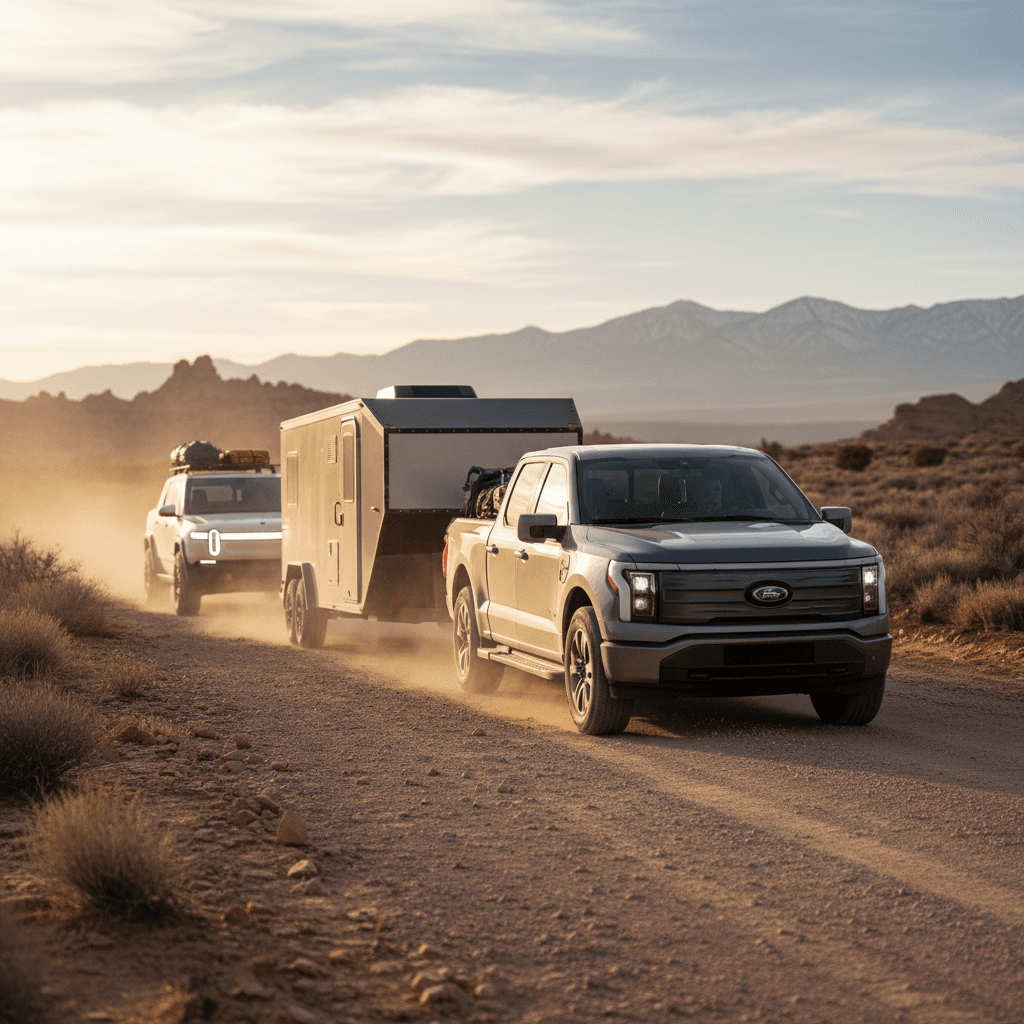
On paper, many electric pickups proudly match or even beat their gas counterparts: 10,000‑plus pounds of towing, payload approaching or exceeding 2,000 pounds, and clever bed storage solutions. In practice, the way an EV truck tows feels different.
How EV pickup trucks behave under load
The good, the bad and the realistic
Excellent control
Electric torque and regenerative braking give you smooth launches and confident slowing with a heavy trailer, especially on grades or in stop‑and‑go traffic.
No idling penalties
On a job site, EV trucks can power tools, lights or even an entire trailer without burning fuel or idling a noisy engine all day.
Shorter highway legs
Expect more frequent stops on long towing trips. Instead of 300‑mile stints between gas stations, you may be planning for 100–150 miles between DC fast chargers.
Questions to ask if you tow or haul
1. How often do I really tow heavy?
An EV truck can be perfect if you only tow a large trailer a few times a year, but it’s less ideal if you spend every weekend pulling 8,000 lbs or more.
2. What kind of trailer is it?
A low, aerodynamic car hauler hurts range less than a tall, flat‑front camper. The shape can matter more than the weight.
3. Are chargers on my usual routes?
Look at the DC fast charging map between home and your favorite lakes, campsites or job sites. Gaps in coverage are still real in parts of the U.S.
4. Can I adjust my schedule?
EV towing sometimes means more, shorter legs. If you’re always racing the clock, that might be a deal‑breaker. If you like breaks, it may be fine.
Safety still comes first
Charging an EV pickup truck
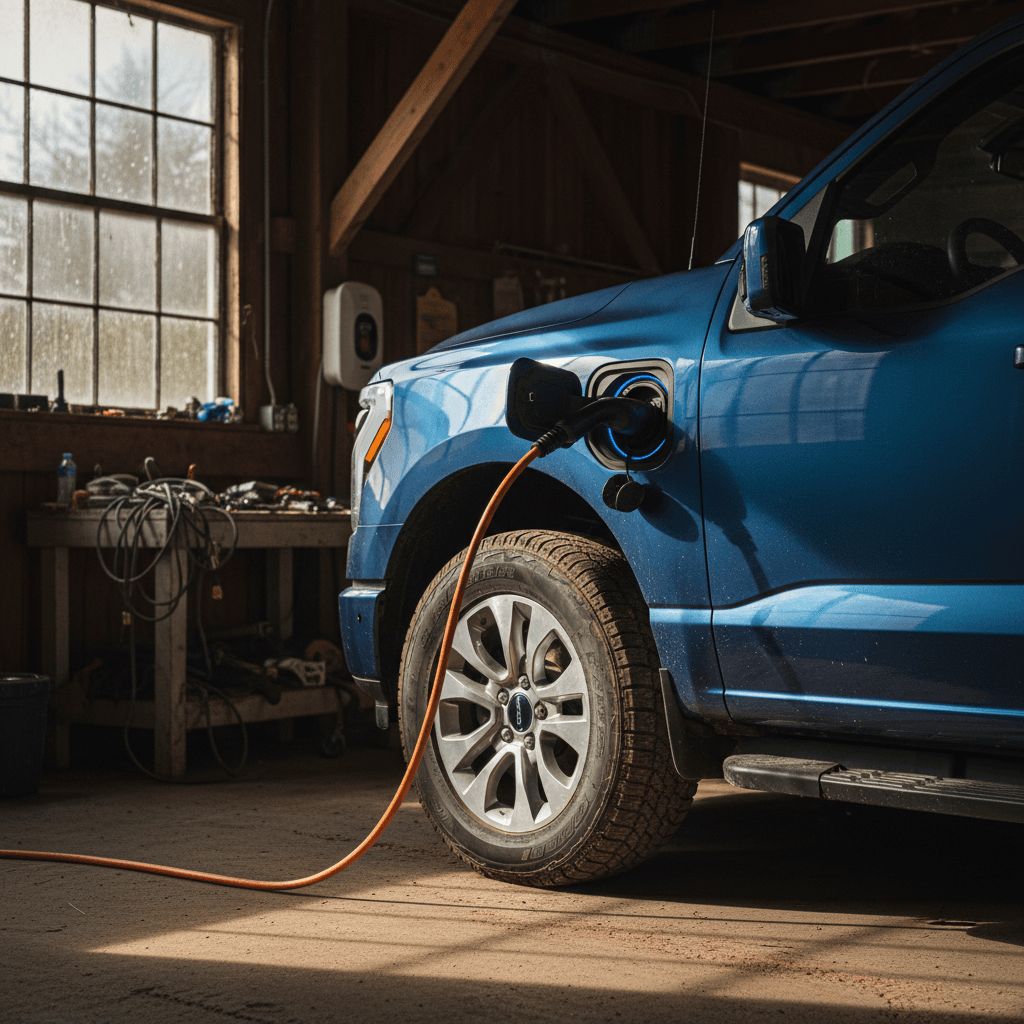
Charging is where owning an EV pickup either feels seamless or frustrating, depending on your setup. The best‑case scenario is simple: you plug in at home almost every night and wake up to a “full tank” for your day’s driving.
Home charging: the game‑changer
- Level 2 (240V) charger: Typically adds 20–30 miles of range per hour on today’s EV pickups.
- Overnight refills: Even big batteries can go from 20% to 80% while you sleep.
- Lower cost per mile: Off‑peak electric rates can beat gas prices by a wide margin.
If you own your home and can install a 240V circuit in your garage or driveway, you’ll get the best of EV truck ownership.
DC fast charging: road‑trip fuel stops
- 150–350 kW peak rates: Many EV trucks can add 100+ miles of range in 20–30 minutes under ideal conditions.
- Plan for 20–60 minutes: Charging slows as the pack fills, so most drivers stop between 10–80%.
- Network patchwork: Coverage is improving, but rural areas can still be sparse.
If you live in an apartment, public charging access becomes a key part of the buying decision.
Truck as a giant battery
Cost of ownership for EV pickups
Sticker price is only half the story. Electric pickups tend to cost more up front than equivalent gas trucks but can claw back money over time through lower running costs, especially if you keep them for years and drive a lot.
Where EV trucks can save you money
- Fuel costs: Electricity is usually cheaper per mile than gasoline or diesel, particularly with off‑peak home charging.
- Maintenance: No oil changes, fewer moving parts, and less wear on brakes thanks to regeneration.
- Job‑site power: Built‑in outlets can replace a separate generator, saving fuel and hassle.
Where costs can bite back
- Higher purchase price: Many EV pickups still start well above $50,000 new.
- Insurance: New tech and high parts prices can raise premiums.
- Battery health: Over many years, battery condition will matter for resale value, especially on hard‑worked trucks.
Considering used? Battery health is everything
Who should (and shouldn’t) buy an EV truck
Is an EV pickup a good fit for you?
Three common owner profiles
Suburban commuter with weekend projects
Great fit. If you drive 20–60 miles a day, park off‑street and tow a boat or small trailer a few times a year, an EV truck can be quiet, quick and cheap to run.
Contractor or tradesperson
Maybe. If your work is mostly local and you can charge at home or at the shop, onboard power and low running costs are huge wins. Long‑distance heavy towing is where gas or diesel still has an edge.
Long‑haul tower
Probably not yet. If you regularly pull big RVs or equipment across states, today’s charging network and range penalties may be more hassle than they’re worth.
Think about where you park
Buying a used electric pickup truck
Because most EV pickups are still relatively new, the used market is just starting to mature. That’s good news: you can let the first owner absorb the steepest depreciation and shop more selectively.
Used EV pickup truck inspection checklist
Confirm battery health with real data
Ask for a battery health report, not just a guess. Tools like the <strong>Recharged Score</strong> use diagnostics to verify pack condition and estimate remaining capacity.
Look at DC fast‑charging history
Trucks that fast‑charge heavily every day may age batteries faster than trucks mostly charged at home on Level 2.
Check for heavy towing duty
Look for hitch wear, bed dents and service records. A truck that towed at max capacity every week has simply led a harder life.
Verify software and recall history
Make sure all software updates and recall campaigns have been completed, especially on early‑build EV trucks with rapid changes.
Factor in home charging upgrades
If you’ll need a new 240V circuit or panel upgrade, budget that alongside the truck purchase price.
How Recharged helps with used EV trucks
Ready to find your next EV?
Browse VehiclesFuture EV pickup trucks worth watching
The first wave of electric pickups proved the concept. The next wave is chasing lower prices, smaller sizes and more mainstream appeal, important if EV trucks are going to move beyond early adopters.
Upcoming and evolving EV pickup trucks
A snapshot of notable electric pickups that are new, evolving or on the horizon.
| Model | Size | Target Range (mi) | Status | Why it matters |
|---|---|---|---|---|
| More affordable F-150 Lightning trims | Full-size | ~250–300 (target) | Rolling updates | Ford is nudging pricing and trims to appeal beyond fleets and early adopters. |
| Silverado EV & Sierra EV expansion | Full-size | ~300–400 | Production ramping | More trims and wider availability should expand options for work and family buyers. |
| Compact and midsize concepts | Small/midsize | ~250–300 | Pre‑production concepts | Smaller, simpler EV trucks promise lower prices and better city maneuverability. |
| New entrants from startups | Compact/full-size | Varies | Planned | Several startups are targeting basic, lower‑cost electric trucks for buyers who don’t need luxury. |
The EV pickup pipeline
Policy and incentives are moving targets
EV pickup truck FAQ
Frequently asked questions about EV pickup trucks
Bottom line: are EV pickup trucks worth it?
EV pickup trucks aren’t here to replace every F‑150, Silverado or Ram on American roads, not yet. But for the right owner, they’re already compelling: quiet, brutally quick, surprisingly capable tow rigs for the right kind of trips, and rolling power stations for work and play.
If you have reliable access to home charging, do most of your driving within a couple hundred miles a day, and only tow heavy occasionally, an electric truck can slot into your life more easily than you might think. If you’re curious, start by running the numbers for your own routes and fuel costs, then compare new and used EV options.
And when you’re ready to shop, Recharged can help you find a used electric pickup with transparent battery health data, fair pricing, and EV‑specialist support from hello to hand‑off. That way, you spend less time guessing and more time putting your truck to work.