Electric vehicles don’t need engine oil changes, ever. That’s one of the biggest mental shifts for drivers used to dropping $60–$90 every few months at a quick-lube bay. But how much do those missing oil changes really save you, and what do you still have to maintain on an EV, especially if you’re shopping used?
Key takeaway
Why EVs Don’t Need Oil Changes at All
A traditional gas car relies on a complex internal combustion engine with dozens of moving parts, pistons, valves, camshafts, and more. These need constant lubrication, which is why you change the oil every few thousand miles. An electric vehicle uses a **battery and one or more electric motors** instead of an engine, so there’s no engine oil to change.
- No pistons, valves, or crankshaft that need engine oil lubrication
- No engine oil filter to replace
- No spark plugs, fuel injectors, or timing belts to service
- Far fewer gaskets, seals, and hoses related to the engine itself
Most EV drive units are sealed systems. The gearbox uses a specialized lubricant that’s filled at the factory and usually inspected or replaced only at long intervals, if at all, during the life of the car. For day-to-day ownership, that means **no recurring “3,000–7,500 mile” oil-change cycle** you’re used to with gas vehicles.
Don’t confuse oil with other fluids
If There’s No Oil Change, What Maintenance Do EVs Still Need?
Eliminating oil changes doesn’t mean eliminating maintenance altogether. EVs still have wear items and safety systems to stay on top of. The list is just shorter and more predictable than with a gas car.
Core Maintenance Items for EV Owners
What replaces the oil-change rhythm in an electric car
Battery & cooling system
Battery cooling fluid is usually inspected at scheduled intervals (often 8–10 years for many brands). Software monitors battery health continuously, and many EVs include battery checks in routine service visits.
Tires & alignment
EVs are heavier and deliver instant torque, so tires can wear faster if you drive aggressively. Plan on tire rotations every 5,000–7,500 miles and alignments as needed.
Brakes & other fluids
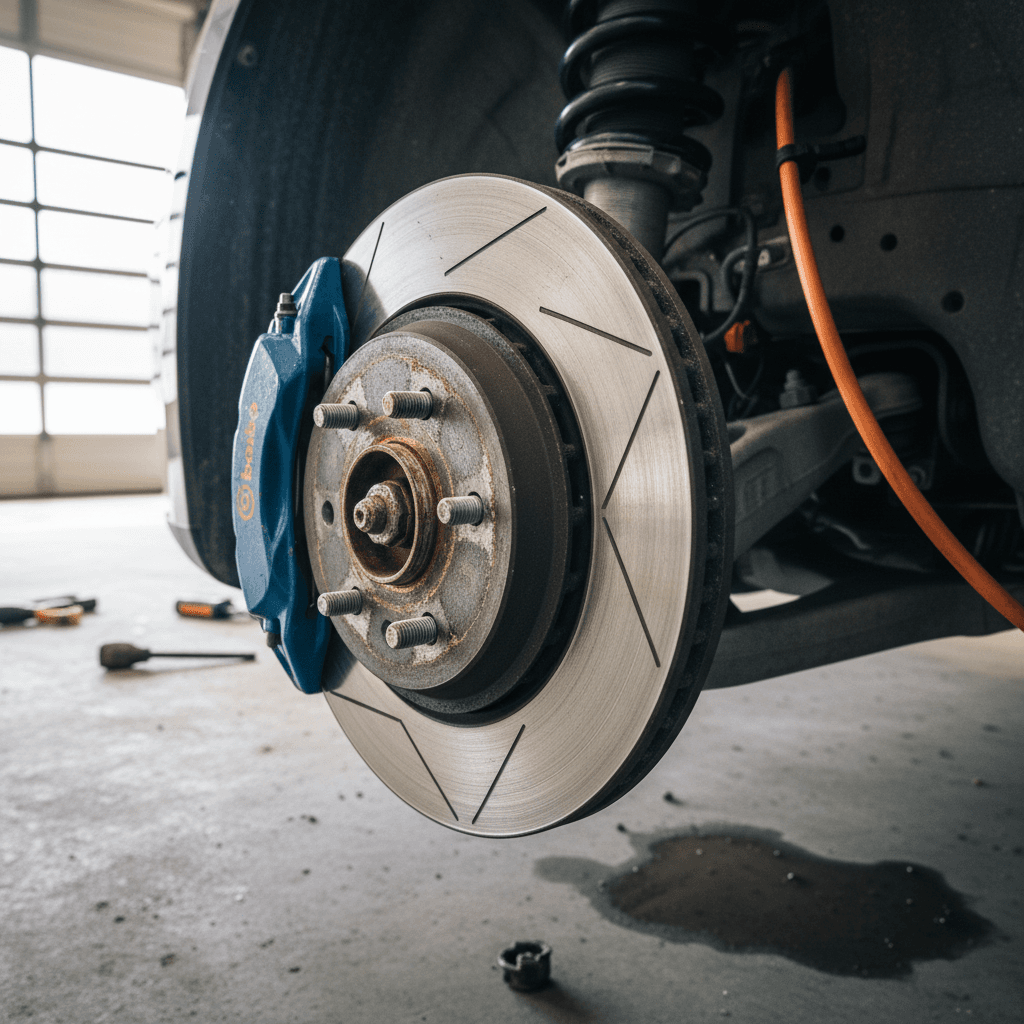
Regenerative braking means pads and rotors last longer than in gas cars, but you still need brake fluid changes and periodic brake inspections, along with cabin air filters and washer fluid.
Maintenance frequency in plain English
How Much You Save From Skipping Oil Changes Alone
Let’s isolate the **EV oil change not needed savings** before we add in everything else. Oil-change pricing has crept up in recent years. By 2025, the typical driver in the U.S. is paying roughly **$45–$75 per oil change**, with synthetic oil often landing in the **$60–$85** range at many shops.
Annual Savings From Eliminating Oil Changes
A conservative scenario assumes two synthetic oil changes a year at $75 each for a low-mileage driver, **$150 annually**. A higher-mileage commuter might be closer to four visits at $75, or **$300 per year**. Over five years, that’s **$750–$1,500** in oil-change-only spend that an EV owner simply avoids.
City vs. highway matters
EV vs Gas: Full Annual Maintenance Cost Comparison
Oil changes are just one line item. When you add spark plugs, transmission service, belts, and exhaust work, the gap between gas and electric gets wider. Recent real-world breakdowns put **typical gas-car maintenance around $350–$900 per year**, while EVs often land closer to **$150–$300 per year** for routine items, depending on model and mileage.
Typical Annual Routine Maintenance: EV vs Gas (12,000 Miles/Year)
Approximate owner-paid routine maintenance for a mainstream mid-size vehicle, not counting insurance or unexpected crash repairs.
| Item | Gas Car (Annual) | EV (Annual) | Notes |
|---|---|---|---|
| Oil & filter changes | $120–$300 | $0 | EVs have no engine oil |
| Engine tune-up items (plugs, belts, etc.) | $50–$150 | $0 | Usually not needed on EVs |
| Transmission/gearbox service | $50–$100 | $0–$40 | Many EV gearboxes are lifetime fill |
| Brake service (pads/rotors/inspection) | $60–$150 | $30–$80 | Regenerative braking reduces wear |
| Tire rotation & alignment | $50–$120 | $50–$120 | Similar for both; EVs may see slightly faster tire wear |
| Fluids (coolant, brake, washer) | $70–$150 | $70–$150 | Intervals differ but categories are similar |
| Total typical annual routine maintenance | $350–$870 | $150–$300 | EV owners commonly see 30–70% lower routine maintenance spend |
Numbers are estimates; actual costs vary by brand, mileage, and local labor rates.
This is where the **EV oil change not needed savings** show up in context: skipping oil changes removes a major recurring cost, and the simplified EV powertrain trims additional services over time. For many households, that gap is **$200–$500 per year** in favor of the EV, even before fuel-cost savings are factored in.
5- and 10-Year Savings: What EV Owners Actually Save
Savings numbers look small on a single invoice. Spread them over the life of the vehicle and they start to look like a second emergency fund. Let’s run through realistic scenarios using 12,000 miles per year and mainstream vehicles.
5-year view
- Gas car routine maintenance: ~$2,000–$3,500 over five years, with a good chunk of that in oil, filters, and engine-related services.
- EV routine maintenance: roughly $750–$1,500 over the same period (tire rotations, inspections, fluids, occasional cabin filter).
Result: A typical owner can bank **$1,250–$2,000** in maintenance savings alone with an EV in five years.
10-year view
- Gas car maintenance: $4,000–$7,000 is common once you include aging exhausts, belts, and extra fluids.
- EV maintenance: often in the $1,500–$3,500 range, even with a few higher-cost items like brake service and coolant changes.
Result: Over a decade, it’s realistic for EV owners to save **$2,500–$3,500 or more** on maintenance versus a similar gas vehicle.
Fuel savings stack on top
Used EVs: Where the “No-Oil” Savings Really Add Up
The maintenance math often gets more interesting with **used EVs**. By years four, five, or six, many gas cars start needing bigger-ticket items, plugs, belts, fluid flushes, exhaust work. Those are exactly the systems EVs don’t have. If you’re shopping a used electric car, the bulk of your routine service is still tires, brakes, and inspections.
How Recharged fits in
Why a Used EV Can Be a Maintenance Sweet Spot
Especially for budget-conscious buyers coming from older gas cars
Avoid big engine repairs
No timing belts, head gaskets, or catalytic converters to replace as the vehicle ages.
Simpler service history
Fewer moving parts mean fewer unknowns, and EV systems often log detailed service and battery data.
Predictable ownership
With fewer surprise engine-related repairs, budgeting for years 5–10 of ownership gets easier.
The Other Side: Repairs and What EV Owners Should Budget For
Routine maintenance is where EVs clearly win, but no powertrain is maintenance-free. Collision and complex electronic repairs can run higher on EVs today because **labor rates and parts for high-voltage systems are still catching up**. Industry data through 2024 shows EV repairs often cost more per incident than comparable gas vehicles, largely due to specialized parts, training, and procedures.
- Battery or high-voltage-system repairs after a crash can be expensive, though they’re relatively rare.
- Body shops may charge higher labor rates for EV-certified technicians.
- Some components (like advanced driver-assistance sensors) cost the same on gas and electric versions of the same vehicle, but are more common on EVs.
Budget for the “what-ifs”
If you’re buying used, pay close attention to **battery health and warranty coverage**. That’s where buying from a specialist platform like Recharged helps: you get objective diagnostics instead of guesswork, so you’re not trading oil-change savings for an unpleasant surprise later.
Checklist: Before You Buy an EV for the Maintenance Savings
Pre-Purchase Checklist for Lower-Maintenance EV Ownership
1. Compare your current oil-change spend
Look back at the last 12–24 months of oil-change and engine-service receipts for your gas car. That’s the baseline for your EV oil-change-not-needed savings.
2. Estimate your annual mileage
Higher mileage typically means more oil changes and more wear on a gas engine, so the EV savings grow as you drive more.
3. Review EV service intervals
Check the maintenance schedule for the EV models you’re considering. Most list inspections every 7,500–10,000 miles with very few major service items before year 8.
4. Get battery health verified
On a used EV, battery condition is more important than any oil-change history. Look for diagnostics like the <strong>Recharged Score</strong> to understand real-world battery health.
5. Ask about prior collision repairs
Because EV collision work can be pricier, ask whether the vehicle has had high-voltage or structural repairs and who performed them.
6. Plan for home charging
Installing a Level 2 home charger (or at least using a 240V outlet) not only reduces fueling costs, it cuts back on trips to public chargers, another indirect time and cost saving.
FAQ: EV Oil Change Savings and Real-World Costs
Frequently Asked Questions About EV Oil-Change Savings
Bottom Line: Are EV Oil-Change Savings Worth It?
If you’re tired of budgeting for oil changes, tune-ups, and mysterious engine noises, an EV offers something refreshingly simple: **no oil changes, far fewer moving parts, and a much more predictable maintenance schedule**. For many drivers, that translates into hundreds of dollars saved each year and several thousand over a decade.
The real decision isn’t whether EVs save you money on maintenance, they do. It’s whether the overall package, purchase price, charging access, insurance, and your driving patterns, fits your life. If you’re leaning toward electric and want to capture those maintenance savings without the new-car price tag, a **used EV with verified battery health** can be a smart way in. That’s exactly the gap Recharged is built to fill: transparent battery data, fair pricing, financing and trade-in options, and nationwide delivery, so you can focus on driving, and stop thinking about oil changes for good.