If you’re thinking about towing a small trailer or just hanging a bike rack on your electric vehicle, you’ll quickly run into one key question: what does EV hitch installation actually cost in 2025? The answer isn’t as simple as it is for gas cars, because EVs have battery packs, cooling systems, and sensors that make hitch installation more involved, and sometimes more expensive.
Quick snapshot
Why EV hitch installation costs are different
On a typical gas crossover, a hitch is mostly a bolt‑on accessory. On an EV, that same metal receiver has to coexist with a large battery pack, high‑voltage cables, rear parking sensors, aero panels, and cooling hardware. That’s why you’ll often see higher EV hitch installation cost quotes than you might expect.
- Rear underbody panels and aerodynamic shields usually need to be removed and trimmed, then reinstalled correctly so you don’t lose efficiency.
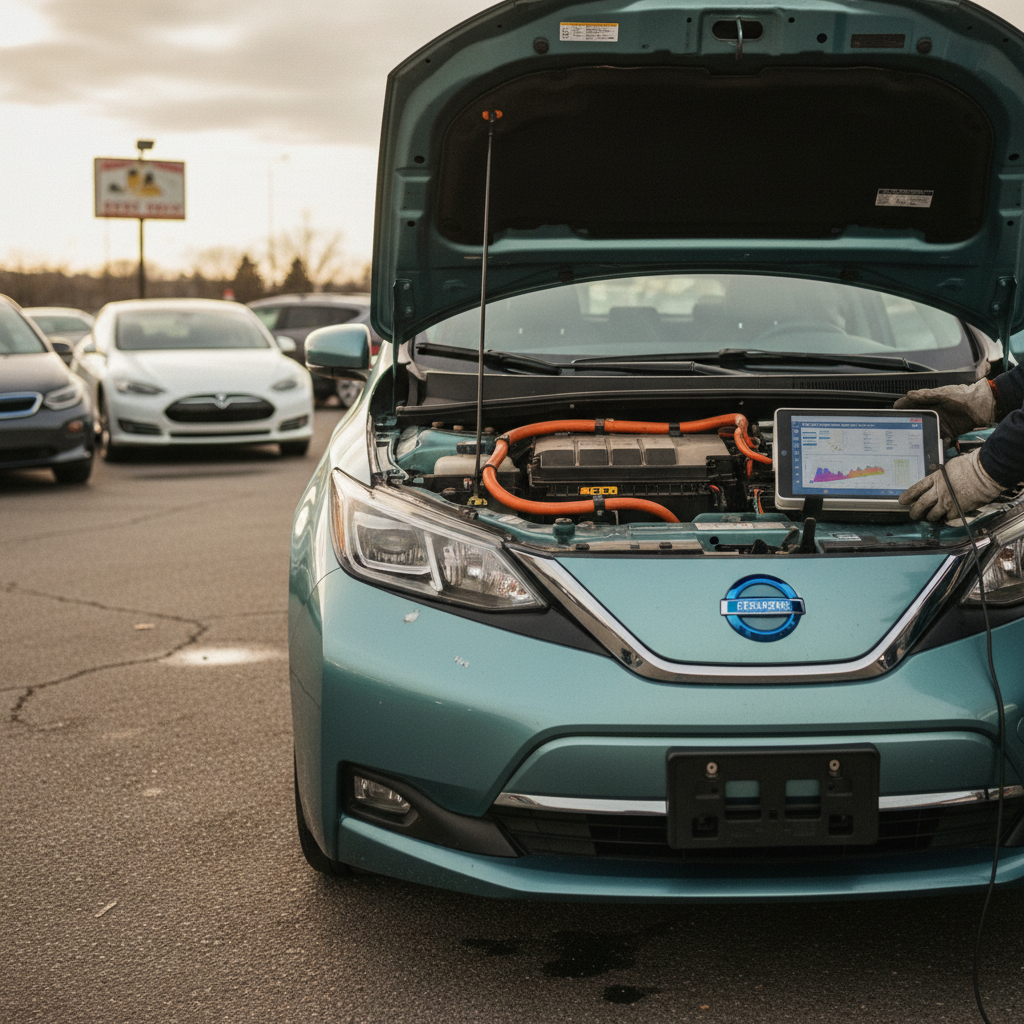
- Many EVs route high‑voltage cables and cooling lines near the rear subframe, so installers need extra time and caution.
- ADAS systems (backup sensors, cross‑traffic alerts) can be blocked by the receiver if the wrong hitch is used or installed poorly.
- Some models require software activation of towing mode to adjust stability control, ABS, and range estimates.
Why “universal” isn’t good enough
Typical EV hitch installation cost breakdown
What most EV drivers pay for a hitch in 2025
Think of EV hitch installation cost as three main buckets: hardware, wiring, and labor. Your final price depends on all three.
Typical EV hitch installation cost range (2025)
Approximate price ranges for popular EV crossovers and hatchbacks. Your exact quote will vary by region, vehicle, and installer.
| Cost component | Low | High | Notes |
|---|---|---|---|
| Hitch receiver & hardware | $250 | $750 | Factory hitches cost more; aftermarket receivers often cheaper |
| Wiring harness & module | $100 | $350 | Needed for trailer lights; some EVs require CAN‑bus modules |
| Labor (independent shop) | $250 | $500 | 2–5 hours at $125–$150/hour typical |
| Labor (dealer) | $350 | $650 | Higher hourly rate; may include software activation |
| Total typical out‑the‑door | $650 | $1,400 | Parts, labor, taxes; excludes trailer brake controller |
Factory hitches usually live at the upper end of these ranges; quality aftermarket kits at the lower to middle end.
Ask what’s included
Factory vs aftermarket EV hitch pricing
Factory (OEM) EV hitches
- Often part of a towing or accessory package when the car is new.
- Some brands allow dealer install later; others require choosing it from the factory.
- Hardware is usually fully integrated with crash structures and software.
- Highest cost: parts and labor can easily land in the $1,000–$1,500 range.
- Typically the cleanest installation and least concern about warranty issues.
Aftermarket EV hitches
- Sold by brands like Curt, Draw‑Tite, EcoHitch and others with EV‑specific fitments.
- Receivers themselves often cost $250–$550 depending on class and design.
- Professional installation + wiring usually keeps total near $650–$1,100.
- Great option if your used EV didn’t come with the factory tow package.
- Choose installers who have documented EV experience, not just general hitch work.
Where used EV buyers can win
EV brand examples: real‑world hitch costs
To make all these numbers more concrete, let’s look at a few popular EVs. Exact prices move with time and region, but these examples give you a reasonable ballpark for 2025.
Typical hitch cost ranges by popular EV
These examples assume professional installation with wiring in the U.S.
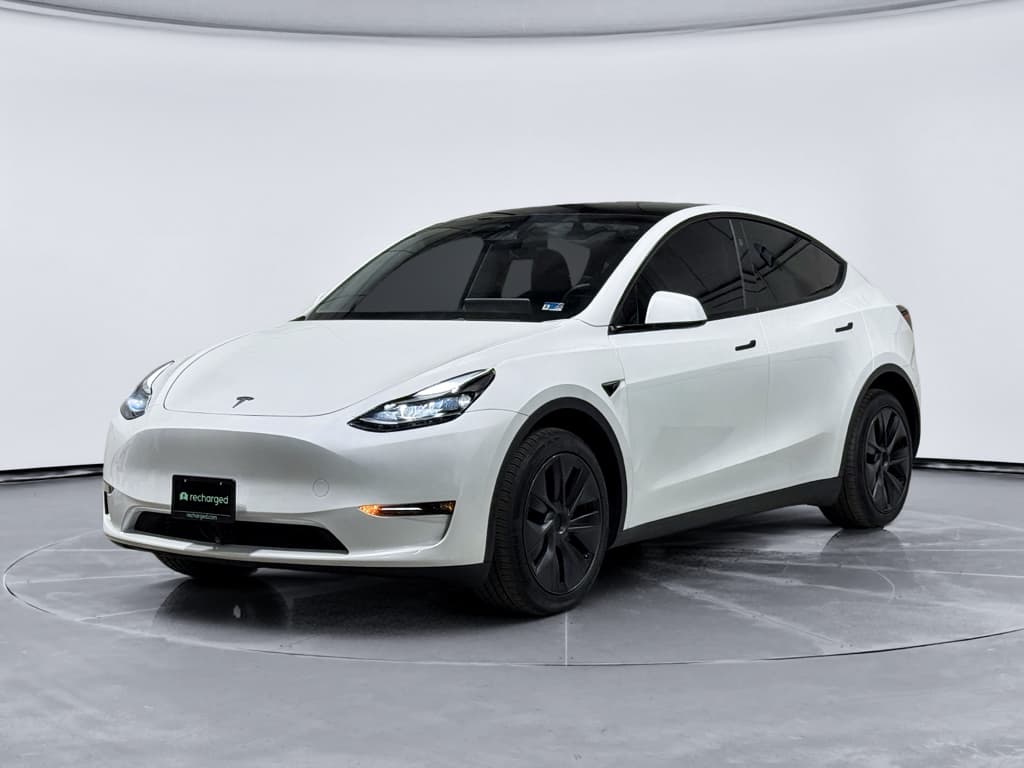
Tesla Model Y
New with factory tow: Often bundled in a package that can add around $1,000+ when new.
Aftermarket: Many owners report total costs roughly in the $800–$1,200 range with wiring, depending on bumper removal and shop rates.
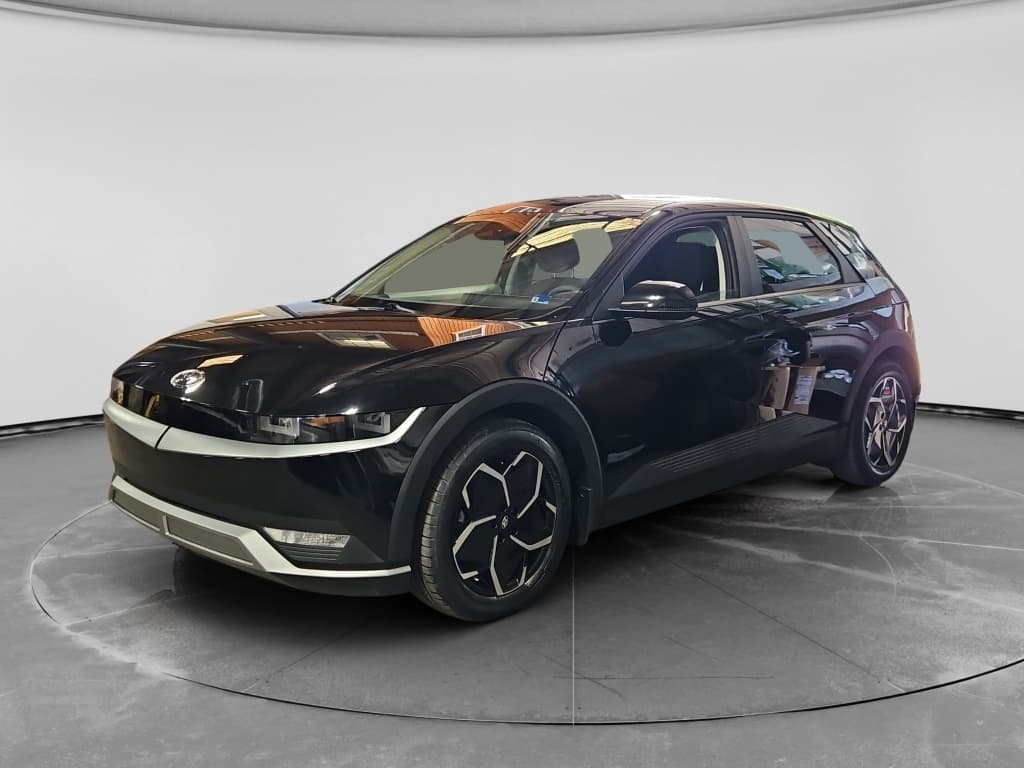
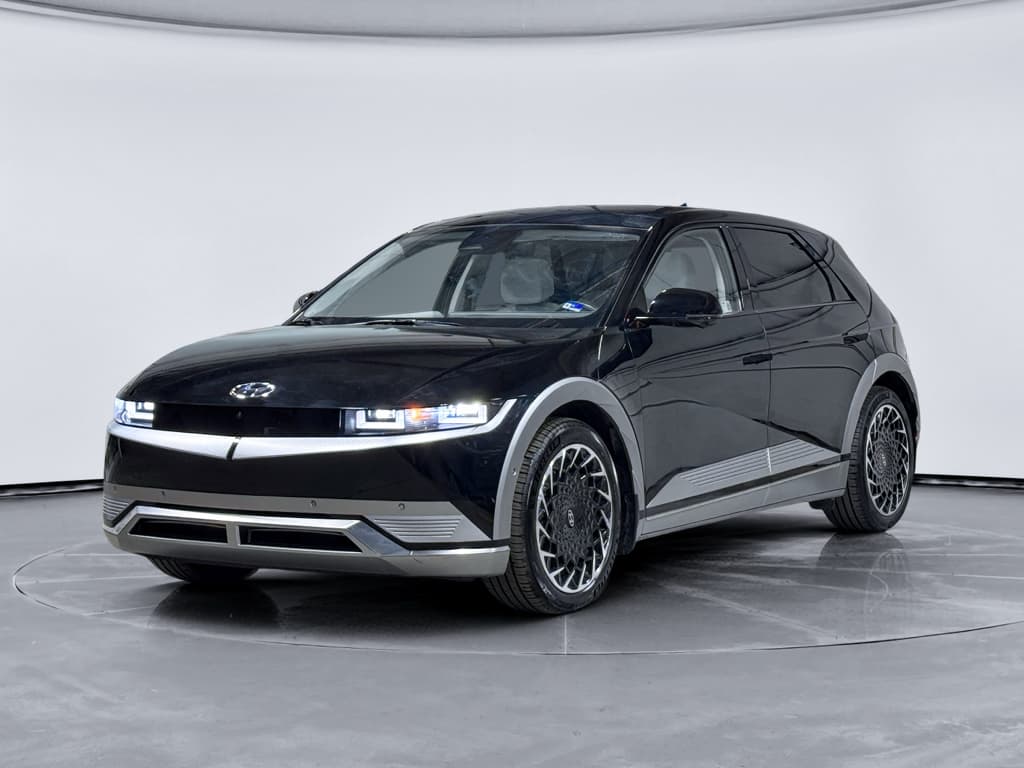
Hyundai Ioniq 5 / Kia EV6
These platforms are tow‑capable in some trims and regions.
Dealer kits: Frequently quoted around $1,000–$1,400 installed with wiring.
Aftermarket: Quality hitches plus harness and labor often land between $750–$1,100.
Ford Mustang Mach‑E
Official U.S. towing support is limited on some trims, but many owners still add hitches for bike racks and cargo carriers.
Aftermarket for accessories only: Commonly in the $650–$950 range installed, usually without trailer‑rated wiring.
Cargo vs towing
Labor time and complexity on an EV
Labor is a big swing factor in EV hitch installation cost. Two vehicles with similar hardware prices can differ by hundreds of dollars if one is a simple bolt‑on and the other requires bumper removal, panel trimming, and software coding.
How labor complexity affects EV hitch cost
Why some EVs are quick hitch installs and others are half‑day jobs.
| Job type | Typical labor time | Typical labor cost | What it usually involves |
|---|---|---|---|
| Simple bolt‑on + plug‑in harness | 2–3 hours | $250–$400 | Drop small undertray, bolt hitch to existing points, plug harness into factory connector. |
| Bumper cover removal + harness routing | 3–5 hours | $350–$600 | Remove rear bumper, trim panels, run harness through grommets, re‑fit aero panels. |
| Complex install + software coding | 4–6+ hours | $500–$650+ | All of the above plus dealer coding to enable tow mode, re‑aim sensors, or clear error messages. |
When you get a quote, ask which of these steps your installer expects to perform.
Time is money
How a hitch affects EV range and resale value
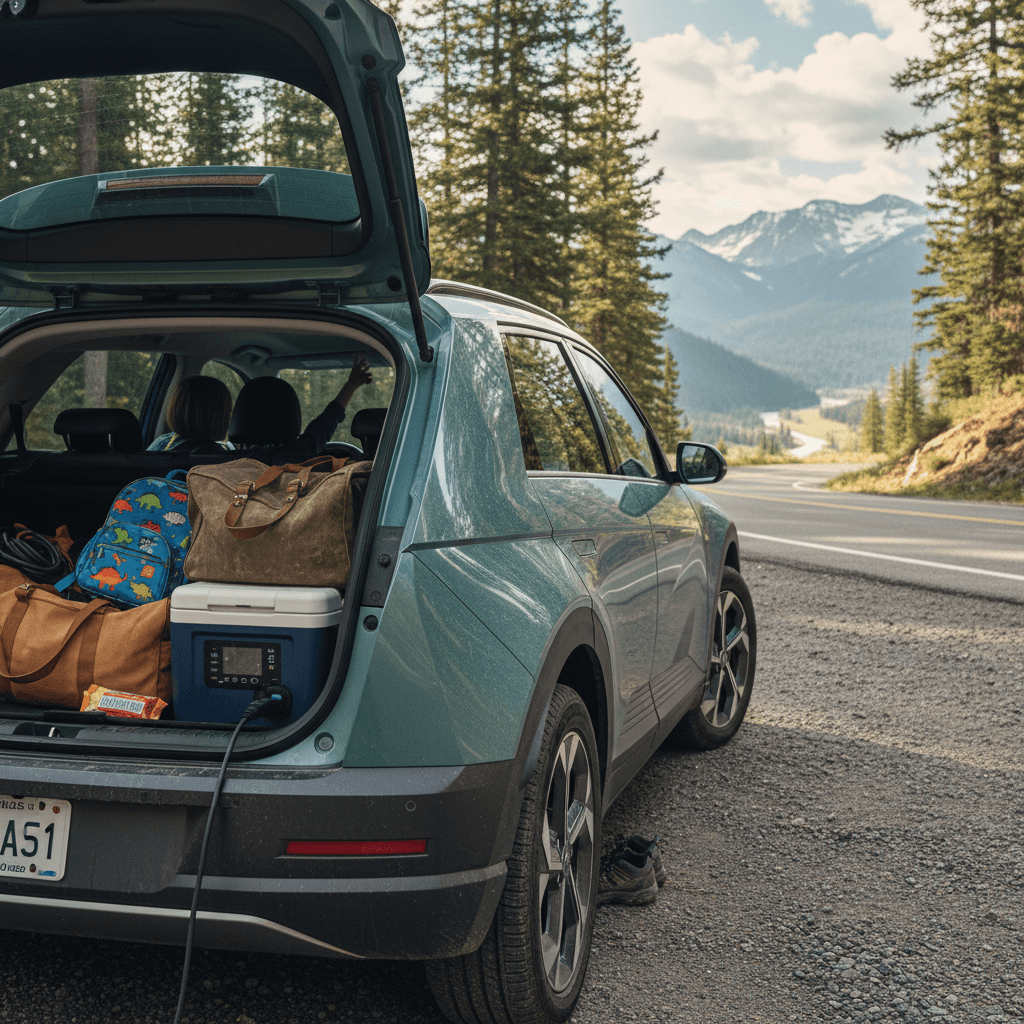
A hitch itself doesn’t change how far your EV goes on a charge, but what you hang off it does. Bike racks, cargo trays, and trailers all add weight and aerodynamic drag, which can noticeably reduce range, especially at highway speeds.
- A small, low‑profile bike rack might shave only a modest amount of range around town.
- Tall cargo boxes and boxy trailers can cut highway range 20–40% or more, depending on speed and conditions.
- Some EVs with official tow modes adjust cooling and power delivery when they detect a trailer connected, which can improve stability but also change energy use.
Respect your EV’s tow rating
From a resale standpoint, a professionally installed hitch is often a plus for buyers who want flexibility. At Recharged, we see many used‑EV shoppers actively look for vehicles already set up for a bike rack or light towing. The key is documentation: invoices from a reputable shop and clear notes about whether the hitch was used for accessories or towing.
How Recharged helps used‑EV shoppers
Ready to find your next EV?
Browse VehiclesSmart ways to save on EV hitch installation
You don’t have to overpay to add a hitch to your EV, but you also don’t want to chase the cheapest possible quote on such a safety‑critical part. Here are some practical ways to keep EV hitch installation cost under control without cutting corners.
Cost‑saving strategies that still protect your EV
Focus on smart trade‑offs, not rock‑bottom pricing.
1. Get 2–3 detailed quotes
Ask both a dealer and at least one independent shop with EV experience. Make sure each quote specifies:
- Brand and part number of hitch and harness
- Labor hours and hourly rate
- Whether coding or software updates are included
2. Choose hitch now, not later
If you’re about to buy an EV, especially new, compare:
- Factory tow package price when ordered
- Aftermarket hitch + install later
Sometimes the factory package is actually the better value once you add up wiring, labor, and coding.
3. Use EV‑experienced installers
An installer who understands battery packs, high‑voltage wiring, and parking sensors is less likely to make costly mistakes that you’ll pay for later.
4. Skip DIY unless you’re very handy
On some EVs, the hitch is reasonably DIY‑friendly. On many others, you’ll deal with bumper removal, wiring interfaces, and sensitive trim. One broken sensor or pinched cooling line will erase any labor savings fast.
EV hitch safety and warranty considerations
The cheapest hitch is the one you only buy once. Getting this wrong can lead to rattles, wiring issues, sensor errors, or in the worst case, a trailer separating from the vehicle. That’s why safety and warranty concerns deserve as much attention as price.
Key safety and warranty questions to ask
Is this hitch rated for my EV’s tow capacity?
Confirm that the <strong>receiver class and weight rating</strong> meet or exceed your vehicle’s official tow and tongue‑weight ratings, especially important if you plan to tow rather than just carry bikes.
Will it interfere with parking sensors or tailgate operation?
Ask if the installer has experience with your exact model and whether past customers have reported false sensor alerts or tailgates hitting racks when opening.
How is the wiring integrated?
A proper EV trailer harness should use <strong>approved connectors and modules</strong>, not Scotch‑locks or hacked‑in splices on lighting or high‑voltage wires.
Does the installer carry insurance and back their work?
Reputable shops can show proof of insurance and offer a workmanship warranty if anything related to the hitch or wiring goes wrong later.
Will this affect my vehicle warranty?
Most aftermarket accessories don’t automatically void a warranty, but damage traced back to a poorly installed hitch could be excluded. When in doubt, check your owner’s manual and ask your service advisor.
EV hitch installation checklist
Before you spend a dollar, use this step‑by‑step checklist to make sure you’re picking the right hitch, getting a fair EV hitch installation cost, and protecting your vehicle.
Step‑by‑step: from idea to installed hitch
1. Confirm your EV’s rated towing and hitch limits
Check the owner’s manual or manufacturer website for <strong>tow rating, tongue weight, and whether towing is allowed</strong> on your exact trim. Some EVs limit hitches to bike racks and cargo only.
2. Decide how you’ll use the hitch
Light towing? Just bikes? Cargo trays? Your use case affects receiver class, wiring needs, and whether you should prioritize stealthy appearance, tongue weight, or ease of access.
3. Compare factory vs aftermarket options
If you already own the EV, research both OEM and high‑quality aftermarket hitches. If you’re shopping for a used EV, consider vehicles that already have a properly documented tow package or hitch to avoid installation costs altogether.
4. Gather written quotes
Call or visit at least two installers. Ask for <strong>itemized quotes</strong> that list part numbers, labor hours, and what’s included in wiring and testing.
5. Book the install and keep documentation
Schedule your appointment, then save receipts and parts lists in your glove box or digital records. If you ever sell the EV, through Recharged or privately, those records help demonstrate value and care.
6. Test everything after installation
Before you leave the shop, verify that <strong>all exterior lights and sensors work</strong>, the wiring connector is secure, the hitch is tight, and any trailer or bike rack feels stable.
FAQ: EV hitch installation cost
Frequently asked questions about EV hitch costs
Bottom line: should you add a hitch to your EV?
If you regularly carry bikes, extra cargo, or plan to tow a small trailer, adding a hitch can make your EV significantly more versatile. Expect an EV hitch installation cost in the $650–$1,400 range in 2025, depending on your vehicle, parts choice, and local labor rates. Done right, it’s a one‑time investment that can pay off every weekend you head out with gear in tow.
If you’re still shopping for a car, one of the smartest moves is to start with the right used EV. Vehicles that already have a properly installed hitch, documented tow package, and healthy battery can save you time and money versus building that capability from scratch. On Recharged, every EV comes with a Recharged Score Report, expert guidance, and transparent pricing, so you’ll know exactly what you’re getting before you ever hook up a bike rack or trailer.