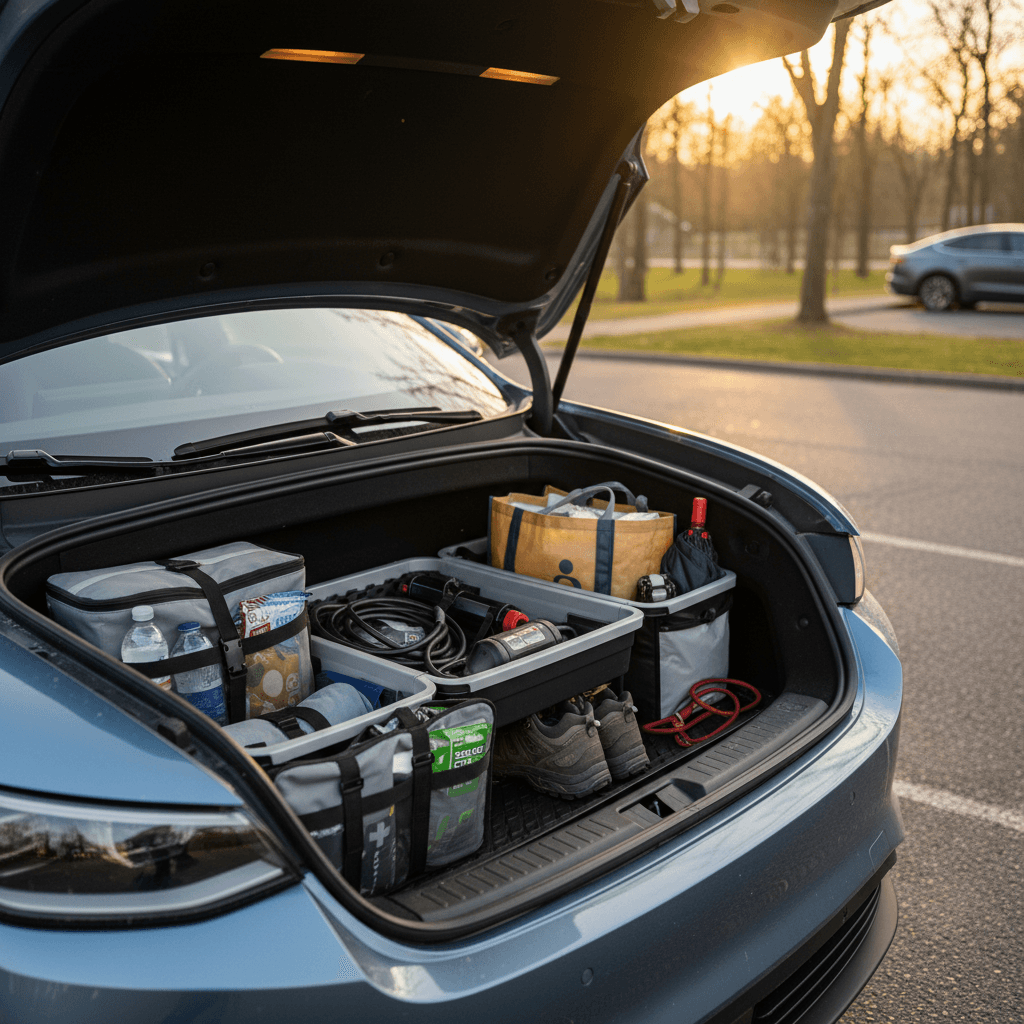
One of the quiet superpowers of many electric vehicles is the front trunk, better known as the frunk. Because there’s no bulky engine up front, some EVs turn that space into lockable storage that’s perfect for everything from groceries to camping gear. Used well, an EV frunk can make daily life and road trips noticeably easier, and free up your main cargo area for bigger items and passengers.
Not every EV has a frunk
What is an EV frunk, really?
An EV frunk is a storage compartment located under the hood where a gasoline engine would normally live. On many models it’s a fully finished, weather‑sealed bin with a lid or tub; on others it’s more of a shallow tray sized for charging cables or small bags.
- Lockable and separate from the cabin, which is useful for valuables or messy items.
- Usually weather‑resistant, often with drainage channels or a plug so you can hose it out.
- On some trucks and SUVs, equipped with power outlets, LED lighting, or multiple tie‑down points.
Think of it as a bonus closet
Which EVs actually have useful frunks?
Frunks range from tiny cable cubbies to full‑on cargo bays that rival, or beat, the trunk of a compact sedan. Here’s how they generally break down.
Common frunk types you’ll see
From cable bins to cargo workhorses
Cable cubby
Small frunks (around 2–4 cubic feet) like you’ll find on many compact EVs. Great for:
- Charging cables & adapters
- Small backpacks or laptop bags
- Groceries for 1–2 people
Everyday-hauler frunk
Mid-size frunks (roughly 4–7 cubic feet), common on crossovers. Ideal for:
- Weekly groceries
- Sports bags & kids’ gear
- Carry-on suitcases
Mega-truck frunk
Huge frunks on electric pickups and big SUVs can exceed 10–14 cubic feet. Perfect for:
- Multiple coolers
- Camping and jobsite gear
- Golf clubs or bulky tools
Example frunk capacity on popular EVs
Approximate front‑trunk space so you can picture what actually fits.
| Model | Type | Approx. frunk volume | Real-world use example |
|---|---|---|---|
| Ford F-150 Lightning | Electric pickup | ~14 cu ft | Two medium coolers, tool bag, folding chairs |
| Chevy Silverado EV | Electric pickup | ~11 cu ft | Large suitcase plus soft duffel |
| GMC Hummer EV | Electric SUV/pickup | ~11 cu ft | Roof panels or several gear bins |
| Cadillac Escalade IQ | Electric SUV | ~12 cu ft | Family luggage for a weekend |
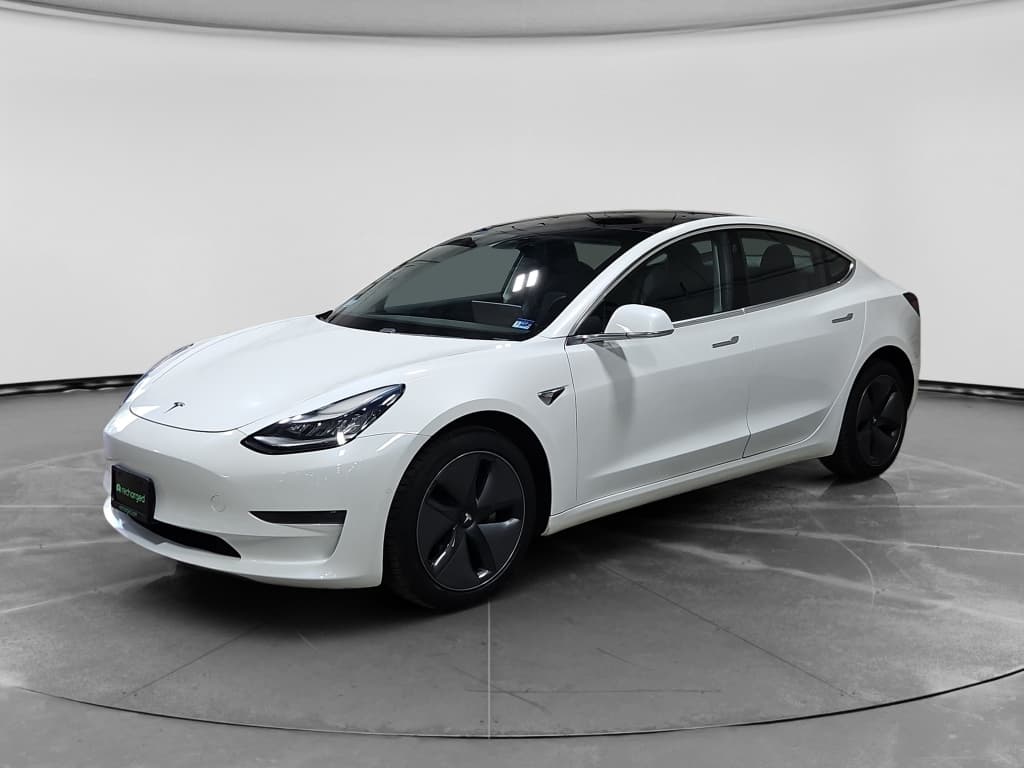
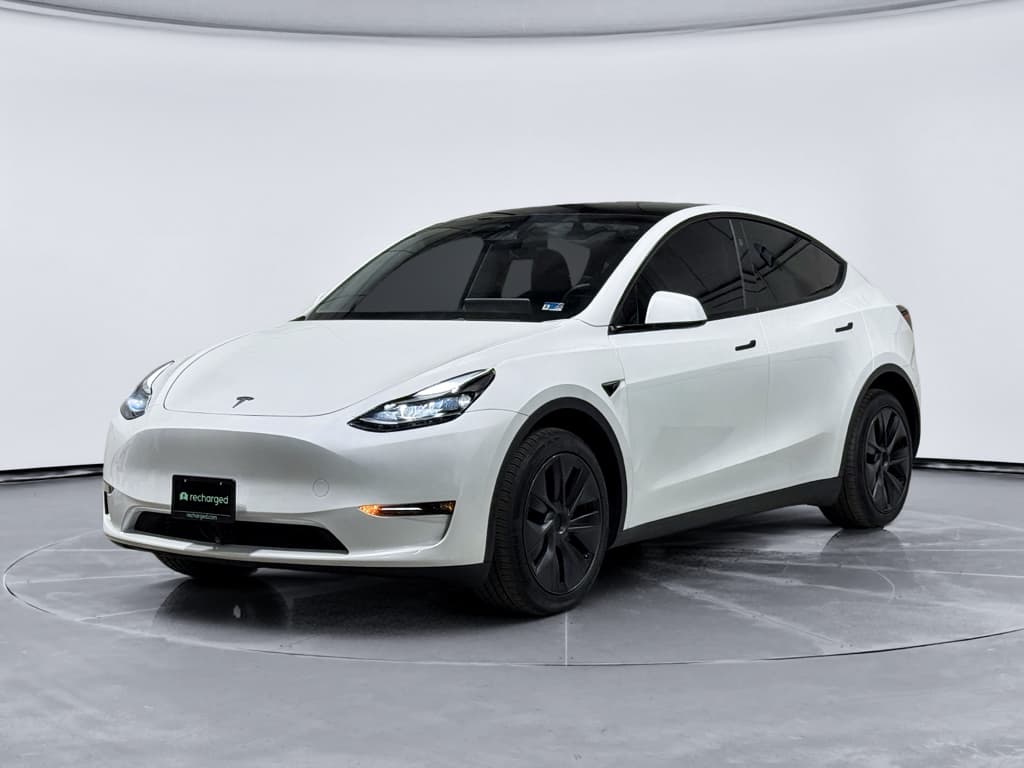
| Tesla Model Y | Compact crossover | ~4 cu ft | Carry-on suitcase or several grocery bags |
| Tesla Model 3 | Compact sedan | ~3 cu ft | Laptop bag + groceries or charging gear |
Always confirm exact specs for your model and year, packaging changes and heat pumps can shrink frunk volume over time.
Watch for model‑year changes
Everyday EV frunk uses: groceries, gear, and more
Day to day, the most useful EV frunk uses are boring in the best way: keeping your life organized. Here are practical ways owners put that front trunk to work.
High‑value everyday frunk uses
1. Keep groceries upright and clean
Because the frunk is smaller and more boxed‑in than a rear hatch area, bags don’t slide around as much. It’s a great place for fragile items like eggs, bottles, and takeout food that you don’t want rolling under strollers or toolboxes in the back.
2. Separate messy items
Use the frunk for things you <strong>don’t</strong> want in the cabin: muddy shoes, sports gear, beach towels, or garden supplies. Many frunks have rubberized liners you can hose out, especially on trucks and SUVs.
3. Keep valuables away from prying eyes
Lock laptops, cameras, or work tools in the frunk instead of the back seat. From outside, the car just looks like every other EV with the hood closed, and valet modes on some models keep the frunk locked by default.
4. Daily kid logistics
Store a compact stroller, diaper bag, or sports equipment up front so the rear cargo area stays free for larger items or a folded third row. It also makes drop‑off and pickup easier when you know exactly where everything lives.
5. Work and commute gear
Hard hats, hi‑vis vests, steel‑toe boots, and other jobsite items are perfect frunk candidates, especially on electric pickups that combine a frunk with a traditional bed.
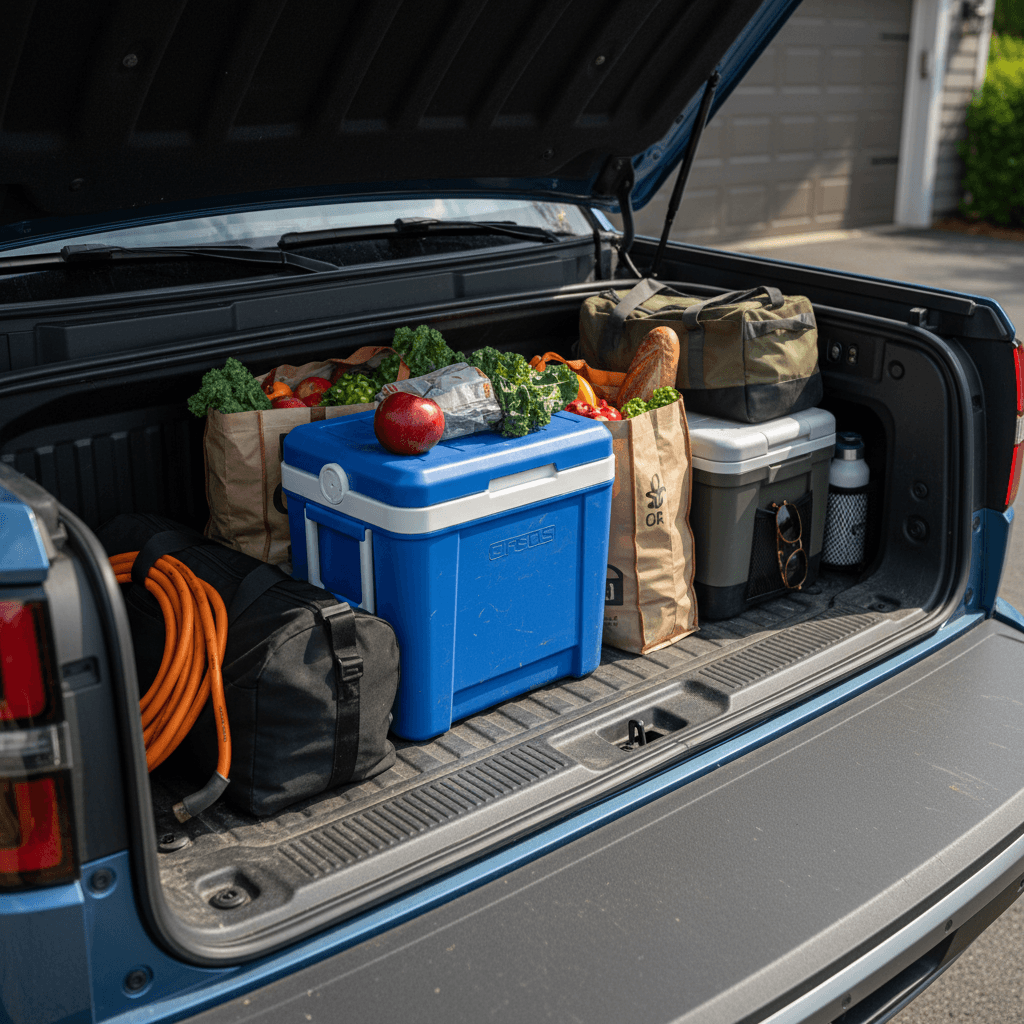
Road-trip and outdoor frunk storage ideas
On longer drives, the right frunk strategy makes packing easier and frees up space for people and pets. Here are smart ways to use that extra compartment when you’re leaving town.
Frunk ideas for road trips and outdoors
Turn that front trunk into a road‑ready toolbox
Quick‑access road‑trip kit
- Snacks and drinks that you don’t want spilling in the cabin
- Travel pillows and blankets in a compression sack
- Small bag with toiletries and a change of clothes
Pack items you’ll want at charging stops so you’re not digging through luggage.
Camping & outdoor base station
- Compact stove, cookware, and utensils in a bin
- Headlamps, power banks, and flashlights
- Bug spray, sunscreen, and first‑aid kit
In EV trucks with power outlets in the frunk, you can even run a small electric cooler.
Use the frunk as a “clean zone”
What to keep in your frunk all the time
Most owners end up with a “permanent kit” that just lives in the frunk. It doesn’t take much space, but it can save a lot of hassle when something goes wrong on the road.
A practical always‑on frunk kit
Compact charging kit
Store your <strong>portable Level 1 or Level 2 EVSE</strong>, adapters, and any extension cords rated for EV use. Keeping them up front makes it easy to access them even when the rear is jammed with luggage.
Tire and roadside tools
A 12V inflator, tire repair plug kit, work gloves, reflective vest, and basic tools (multi‑tool, pliers, duct tape, zip ties) all fit easily in a small organizer.
Minimal first‑aid & comfort items
Bandages, pain reliever, wipes, and a small emergency blanket cover most road scenarios. Add tissues and hand sanitizer if you have kids.
Weather gear
Compact umbrella, poncho, ice scraper, and a small brush live happily in a frunk without cluttering the cabin. In hot climates, swap the scraper for extra sunscreen and a spare hat.
Documents & one spare key
Some owners keep insurance/registration copies and a <em>well‑hidden</em> spare key or access card in the frunk, just make sure it’s secured and you understand your car’s locking behavior before relying on this.
What not to store in an EV frunk
For all its upsides, a frunk isn’t the perfect home for everything. Temperatures can swing more than in the cabin, and crumple zones exist for a reason. A few simple rules keep you, and your stuff, out of trouble.
- Avoid pets and anything living. A frunk is for cargo only.
- Skip items that can’t tolerate heat or cold: medications, some electronics, or heat‑sensitive food.
- Don’t store loose heavy objects (like toolboxes) without securing them; in a crash they can become projectiles inside the compartment.
- Think twice about fuels, solvents, or gas cans, leaks near high‑voltage components are a bad mix.
- If your EV’s manual restricts flammable or pressurized items (like propane bottles), follow it to the letter.
Read your owner’s manual
How to organize your frunk like a pro
The difference between a frunk you love and a frunk you ignore usually comes down to organization. A couple of low‑cost accessories can turn that space from junk drawer to well‑labeled toolbox.
Simple upgrades for better frunk storage
Small accessories, big usability gains
Sized storage bins
Use soft‑sided cubes or plastic bins that match the frunk’s footprint:
- One bin for emergency gear
- One bin for charging cables
- One bin you leave empty for groceries
Velcro & cargo dividers
Hook‑and‑loop strips and modular dividers keep items from sliding. Many owners place a removable liner under everything so the frunk tub stays scratch‑free and easy to wipe down.
Labels and checklists
A low‑tech label on each bin (“Charging,” “Tools,” “Kids”) saves time at 11 p.m. in a hotel parking lot. You can also stick a small checklist inside the hood so you remember what you’ve stashed where.
Think in layers
Pack rarely used but important items (tire kit, tools) in the bottom layer or furthest from you, and everyday items (groceries, kids’ bags) on top. That way you’re not unloading the whole frunk to get to a first‑aid kit.
Respect weight limits
Most frunks have a maximum weight rating. Trucks and big SUVs can handle more, but smaller EVs still have to protect front crash structures and safety systems. Don’t exceed the printed limit, even if everything “seems” to fit.
Test your setup on a normal day
Model-specific frunk tips and examples
Because frunks differ so much between models, it helps to think in terms of “profiles” rather than memorizing cubic‑foot numbers. Here are some patterns you’ll see on the used‑EV market.
Three common frunk “profiles” you’ll encounter
Frunks with power and drains
Frunk tips if you’re shopping for a used EV
If you’re browsing used EVs, the frunk is easy to overlook compared with battery health or range. But it can change how livable a car feels, especially for families or people who camp, commute with tools, or travel often.
How to evaluate a frunk on a test drive
Open and close it a few times
Is the hood or frunk lid easy to release from the cabin and the app? Does it latch confidently without slamming? Powered frunks on some luxury models should operate smoothly without grinding noises.
Check interior condition
Look for cracks, standing water, rust on metal hardware, or signs of previous spills. A heavily stained or damaged frunk might hint at rough use elsewhere on the car.
Verify seals and drainage
Inspect rubber seals and, if there’s a drain plug, make sure it moves freely. A missing plug can let road splash in; a clogged one can keep water from draining out.
Confirm lighting and power outlets
If the frunk advertises LED lighting or 120V outlets, plug something in and test it. Dim or non‑working lights are cheap to fix but still worth noting in negotiations.
Think about your real use cases
Mentally pack your life: strollers, job gear, skis, pets. Is the frunk big enough to move something out of the rear hatch or bed and actually make your day‑to‑day easier?
Let frunk utility be a tiebreaker
At Recharged, every vehicle comes with a Recharged Score report that focuses on the hard stuff, like verified battery health and fair pricing. But as you compare options, don’t hesitate to ask how the frunk and cargo space stack up for your specific lifestyle; our EV specialists can help you think through real‑world use, not just numbers on a spec sheet.
EV frunk FAQ
Frequently asked questions about EV frunks
A frunk won’t make or break an electric vehicle the way battery health, range, and charging speed will, but when you use it well, it quietly upgrades everyday life. From keeping dirty gear out of the cabin to giving you a dedicated home for charging cables and emergency tools, that under‑hood space can be one of an EV’s most underrated features. If you’re exploring used EVs and wondering how different models will fit your actual stuff, not just your commute, a Recharged specialist can help you compare frunks, cargo layouts, and battery reports side‑by‑side so you end up with an electric car that works as well in your driveway as it does on paper.