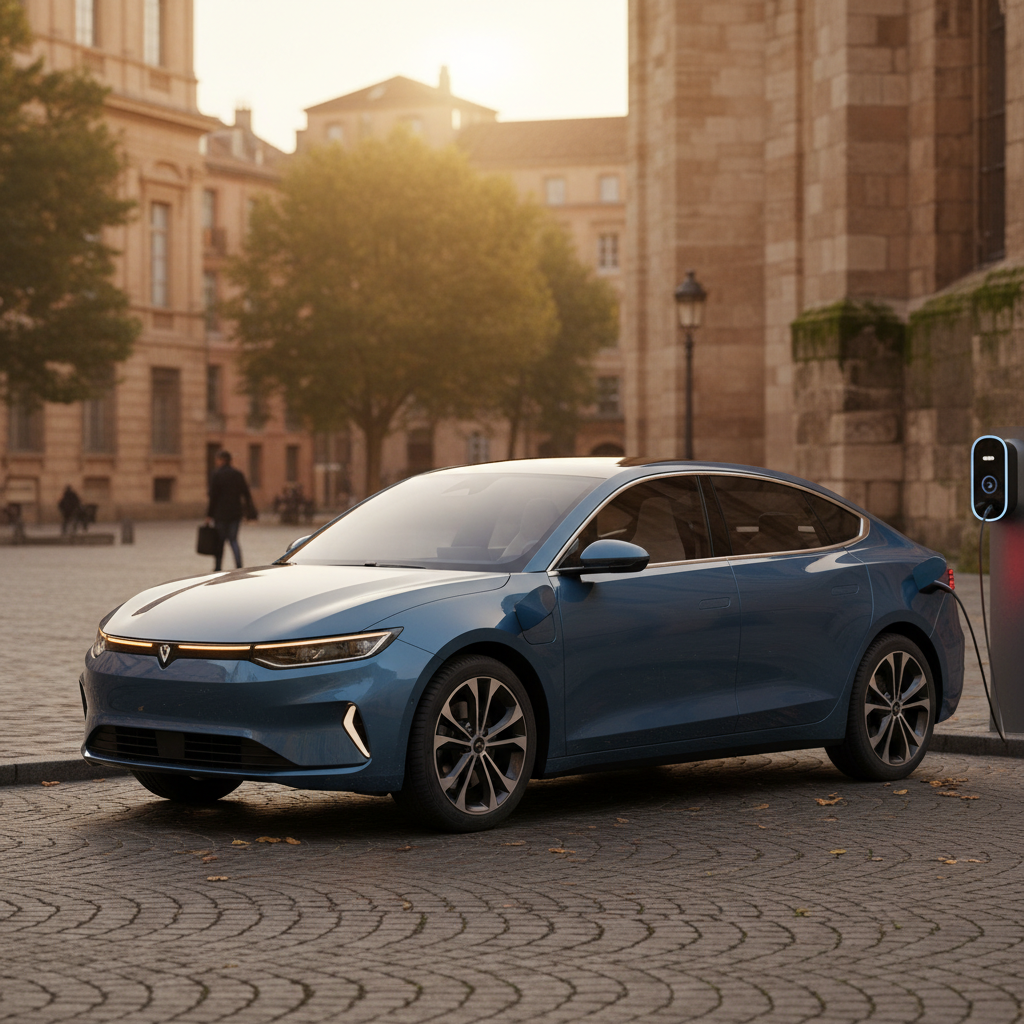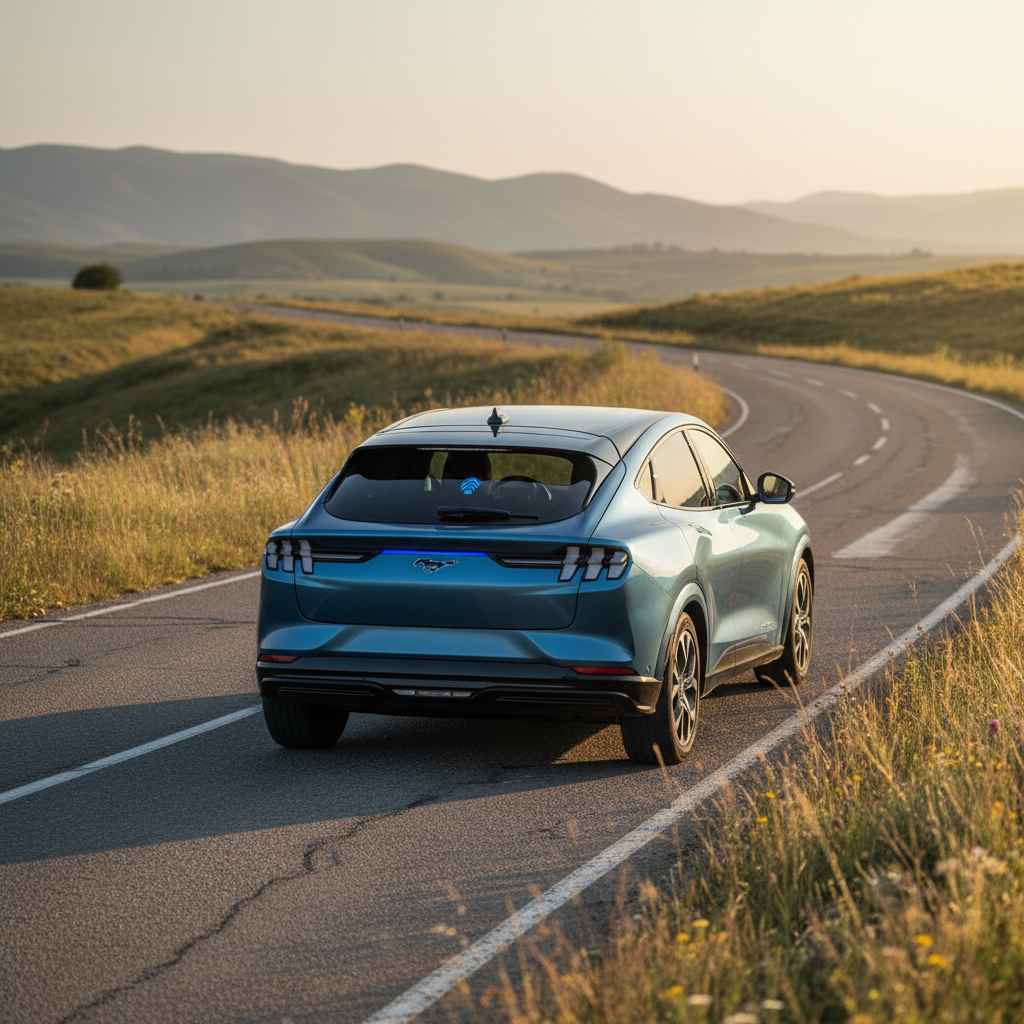
If you’ve ever looked at an electric car listing or window sticker and seen something like “EV e 120 MPGe” or a jumble of numbers in kWh/100 miles, you’re looking at EV efficiency. Many drivers shorthand this as “EV e”, electric vehicle energy economy. Understanding it is the key to predicting your costs, your real‑world range, and which EV will actually fit your life.
Why EV efficiency matters
What does “EV e” actually mean?
There’s no single official definition of “EV e”, but in practice people use it to mean electric vehicle efficiency or electric energy economy, how much distance you get for each unit of energy. It’s the EV world’s answer to miles per gallon (MPG) on gas cars.
- For gas cars, you think in MPG, miles per gallon of gasoline.
- For EVs, you think in miles per kWh, kWh/100 miles, or MPGe (miles per gallon gasoline equivalent).
- All of these are just different ways of expressing the same underlying idea: how much useful motion you get per unit of energy.
On U.S. window stickers, the main efficiency metric the EPA uses for EVs is MPGe. Behind the scenes, that’s based on the assumption that one gallon of gasoline has the same energy content as 33.7 kWh of electricity. If your EV can travel 300 miles on 75 kWh, you can translate that into roughly 134 MPGe using that 33.7 kWh “gallon equivalent” standard.
Think in energy, not fuel type
Key EV efficiency metrics: MPGe, kWh/100 mi and more
MPGe (miles per gallon equivalent)
MPGe is the number you’ll see on most U.S. Monroney (window) stickers. It tells you how far an EV goes on the amount of energy contained in one gallon of gasoline (defined as 33.7 kWh).
- Higher is better – 120 MPGe beats 90 MPGe.
- Lets you compare EVs to gas cars on one scale.
- Great for big-picture efficiency, less helpful for your home electric bill.
kWh/100 mi and miles per kWh
This is the language most EV owners end up using day-to-day.
- kWh/100 mi – Like liters/100 km: lower is better.
- Miles per kWh – Like MPG: higher is better.
- These metrics plug directly into your electric rate to estimate cost.
Example: If your EV averages 28 kWh/100 mi and your power is $0.16/kWh, 100 miles costs about $4.50.
How MPGe is actually calculated
Other efficiency-related numbers you’ll see
These aren’t pure “EV e” metrics, but they tell you how efficiently your car turns energy into real-world usefulness.
Range (miles)
Estimated distance on a full charge. Influenced by efficiency and battery size.
Battery size (kWh)
The energy tank. A bigger pack usually means more range but also more cost and weight.
Charging speed (kW)
How fast you can refill that energy. Doesn’t change efficiency, but affects convenience.
How EV efficiency compares to gas car MPG
Internal combustion engines are surprisingly bad at turning fuel into motion. Once you account for heat and other losses, a typical gasoline car only turns around 15–20% of the fuel’s energy into actual movement at the wheels, while modern electric drivetrains often deliver over 75% of the grid energy to the road.
EV efficiency vs. gas cars at a glance
That efficiency gap shows up in both energy use and operating cost. A compact gasoline car might get 35–40 MPG. A similarly sized EV can deliver the energy equivalent of well over 100 MPGe. In practical terms, that means you can often cut the energy cost per mile by half or more, depending on local electricity and gasoline prices.
Don’t confuse efficiency with emissions
What counts as good EV e efficiency?
Rule-of-thumb benchmarks for EV efficiency
Ballpark targets for modern EVs. Individual models and driving styles will vary.
| Vehicle type | Rough MPGe (combined) | Typical kWh/100 mi | Miles per kWh | Comment |
|---|---|---|---|---|
| Efficient compact EV | 115–130 MPGe | 24–28 | 3.6–4.2 | Very efficient; great for city and commuting |
| Mid-size sedan / crossover | 95–115 MPGe | 28–32 | 3.1–3.6 | Solid real-world efficiency |
| Large SUV / performance EV | 80–95 MPGe | 32–38 | 2.6–3.1 | More mass and drag to move |
| Oversized performance SUV or truck | 65–80 MPGe | 38–45+ | 2.2–2.6 | Expect higher energy use, especially at highway speeds |
You don’t need to hit these numbers exactly, but they’re useful yardsticks when comparing vehicles or trim levels.
Compare trims, not just models
If you’re cross-shopping used EVs, treat those ranges as lenses, not strict rules. A well-designed compact crossover can be as efficient as an older sedan, and software updates sometimes improve real-world EV e without changing hardware at all.
Real‑world factors that change your EV e
Biggest real-world drivers of EV efficiency
1. Speed and aerodynamics
Above about 60–65 mph, air resistance rises quickly. A tall, boxy SUV can see its EV e drop much faster than a low sedan as speeds climb.
2. Temperature and climate control
Cold weather thickens battery chemistry and increases heating loads; extreme heat increases cooling loads. Both can noticeably increase kWh/100 miles.
3. Driving style
Smooth acceleration and anticipatory braking let you take full advantage of regenerative braking. Hard launches and abrupt stops waste energy.
4. Tire selection and pressure
Low rolling resistance tires help efficiency; aggressive off-road or performance tires usually hurt it. Underinflated tires drag down EV e further.
5. Roof racks and cargo
Extra weight hurts city efficiency; roof boxes and bike racks hammer highway efficiency by increasing drag.
6. Software and drive modes
Eco modes typically soften throttle response and reduce HVAC demand. Some EVs also precondition the battery for optimal efficiency.
Range estimates aren’t guarantees
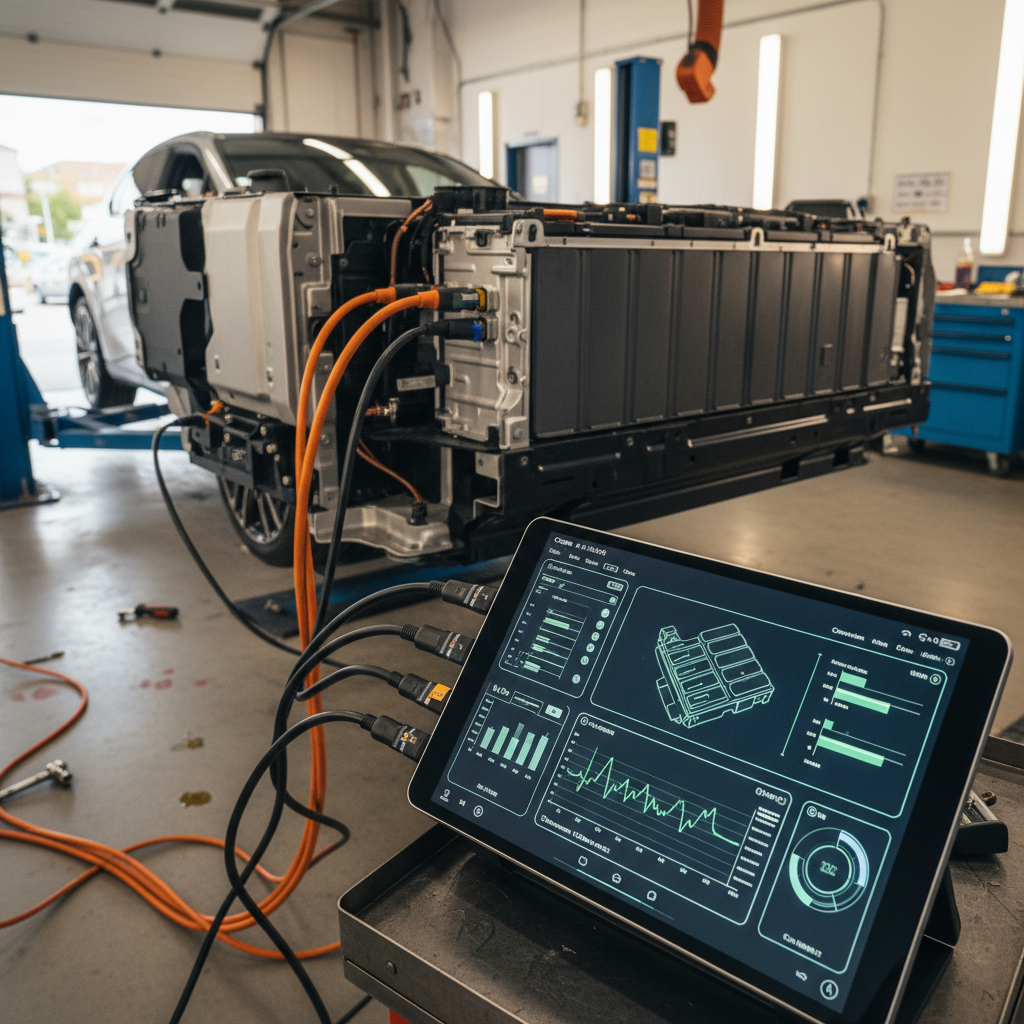
EV efficiency and battery health in used EVs
When you’re buying new, efficiency is largely baked into the design. On the used EV market, you’re balancing two intertwined factors: the car’s inherent efficiency and the current health of its battery. Together, they determine how much usable range you’ll have left, and for how long.
Efficiency: the car’s design and software
Efficiency is driven by things like aerodynamics, motor and inverter design, tire choice, and control software. Two cars with the same battery size can be worlds apart here.
- A well-optimized sedan can sip energy at 26–28 kWh/100 mi.
- An older, boxier crossover might use 34–36 kWh/100 mi in similar conditions.
Battery health: how much tank you still have
Even a very efficient EV can lose real‑world range if its battery has degraded significantly. A pack with 15–20% capacity loss means 15–20% less energy, every day.
This is why range-only shopping is risky on the used market, you want to understand both the car’s EV e and the actual health of the battery.
Where Recharged fits in
Ready to find your next EV?
Browse VehiclesHow to use EV e when shopping for a used EV
A simple 6‑step framework for using EV e
1. Start with your daily reality
How many miles do you typically drive in a day? A 40‑mile commuter can be perfectly happy with a shorter‑range but super‑efficient EV; a 120‑mile road warrior has different needs.
2. Translate efficiency into cost per mile
Use the kWh/100 mi estimate and your local electric rate: <strong>Cost per mile ≈ (kWh/100 mi × price per kWh) ÷ 100</strong>. Compare that to your current gas cost per mile.
3. Look at efficiency and battery size together
A slightly smaller but more efficient battery can deliver similar real‑world range to a bigger, thirstier pack. Don’t just chase headline kWh numbers.
4. Check real-world owner data
Window sticker numbers are a starting point. Owner forums and trip reports can reveal whether a car consistently beats or misses its rated EV e in your kind of driving.
5. For used EVs, demand battery transparency
Ask for recent state-of-health data, fast-charging history, and any battery warranty work. With Recharged, this is built into the Recharged Score, so you’re not flying blind.
6. Test drive with an eye on the energy screen
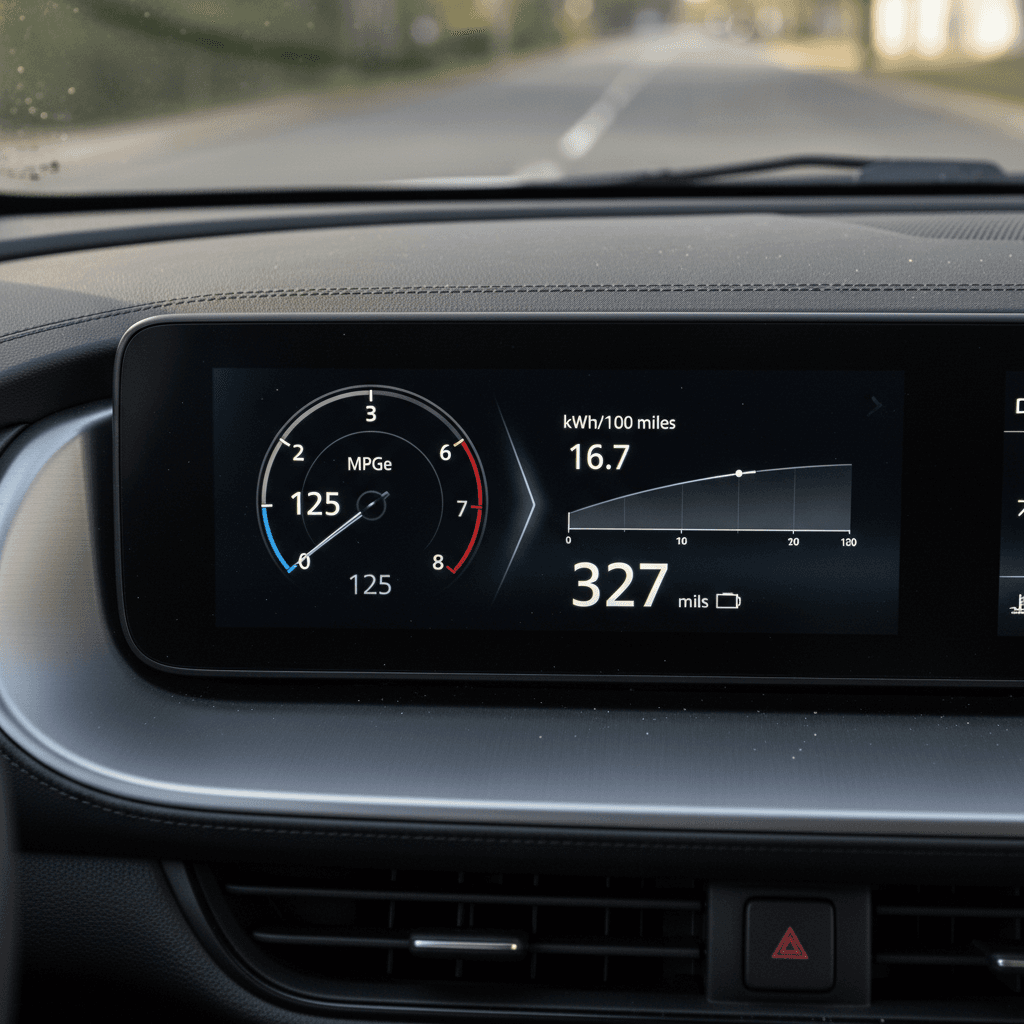
Most EVs let you display live kWh/100 mi and miles per kWh. On a mixed route, that real‑time EV e tells you how your driving style and local roads will treat that car.
Pair EV e with your charging plan
FAQ: EV e and EV efficiency questions answered
Frequently asked questions about EV e
Bottom line: How to think about EV e
EV e isn’t a single magic number, it’s a family of metrics that all answer the same question: how much useful driving do you get for the energy you buy? MPGe helps you compare EVs to gas cars, while kWh/100 mi and miles per kWh translate more directly into your power bill and charging stops.
When you’re shopping for a used EV, the winning formula is simple: enough range for your life, solid EV e, and verified battery health. That’s exactly what the Recharged Score Report is designed to surface, so you can stop guessing, compare vehicles on real underlying energy performance, and pick the car that will quietly do its job for years without drama.