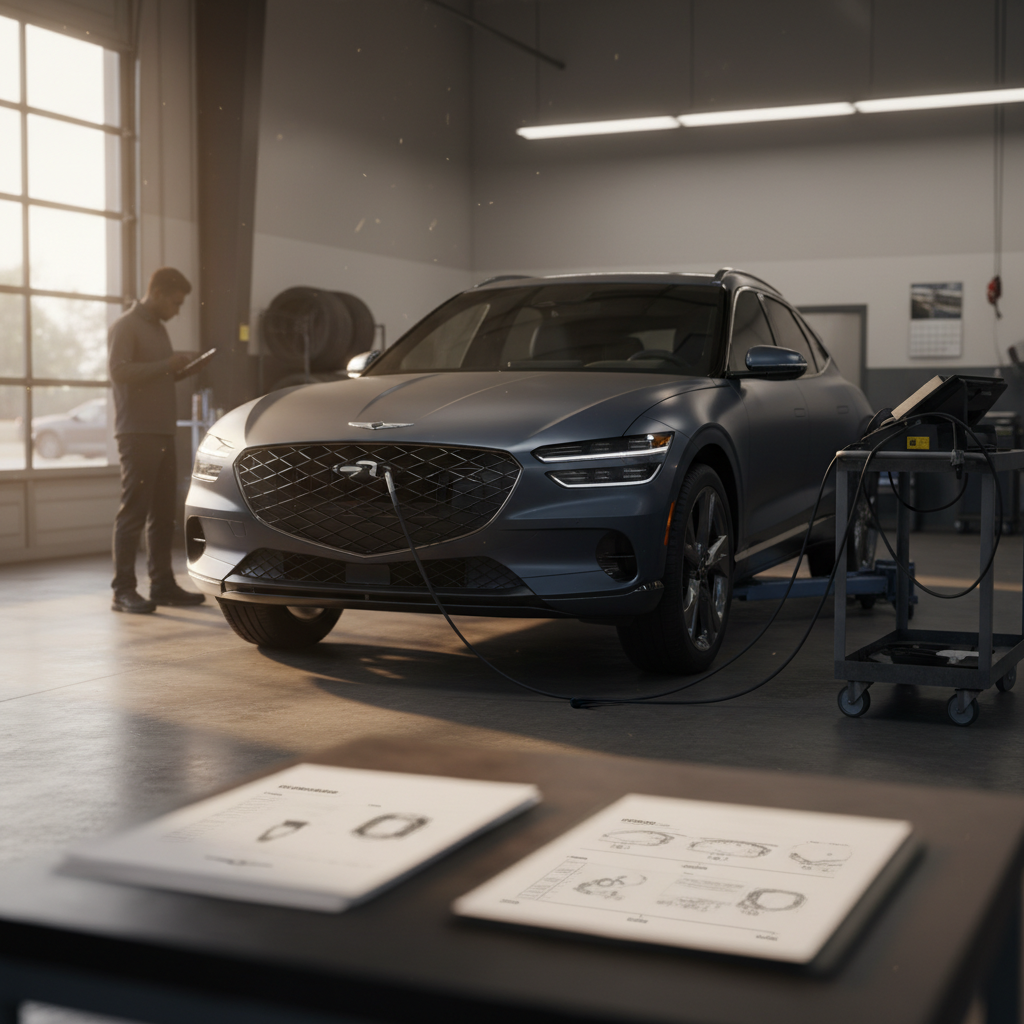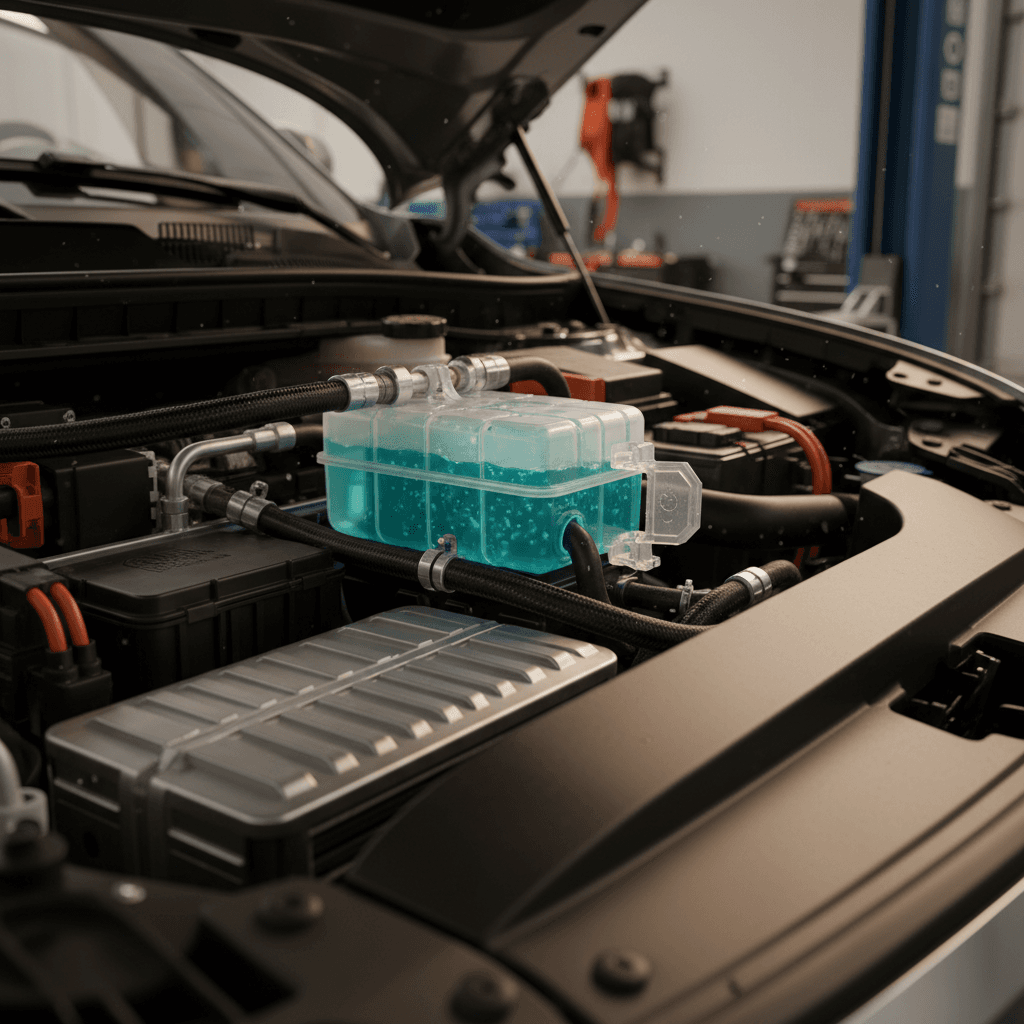
If you grew up with gas cars, you’re used to regular radiator flushes and coolant changes. With an EV in the driveway, it’s natural to ask: is an EV coolant flush needed, and if so, how often? The short answer is yes, most modern electric vehicles do use liquid coolant, but they typically need service far less often than gasoline cars.
Quick Take
How EV Cooling Systems Work (and Why They Matter)
Before you can decide if a coolant flush is needed, it helps to understand what the coolant in an electric vehicle actually does. In many EVs, a single coolant loop, or multiple linked loops, circulates through the battery pack, power electronics, and the drive motor to keep temperatures in the sweet spot. Some systems can also share heat with the cabin HVAC to improve cold-weather efficiency.
What the coolant touches
- High-voltage battery pack – keeps cells within a narrow temperature band for longevity and performance.
- Inverter & power electronics – prevent heat-soak during fast charging and spirited driving.
- Electric motor – maintains consistent performance under load.
Why it matters
- Battery health – overheated or unevenly cooled packs can degrade faster.
- Fast-charging speed – effective cooling allows the car to maintain higher DC fast-charging rates for longer.
- Cold‑weather range – some systems use coolant-based heat pumps to warm the pack efficiently.
Remember
Do Electric Cars Need Coolant Flushes at All?
Yes, liquid-cooled EVs do eventually need coolant replacement or a complete flush. However, the chemistry and operating environment are different from a traditional engine. There’s no combustion to contaminate the fluid, and many manufacturers use long-life or “fill-for-life” coolants with corrosion inhibitors designed to last a decade or more.
- Most modern EVs (Tesla, Hyundai, Kia, Ford, GM, VW, etc.) use liquid coolant for the high-voltage system.
- Some earlier or lower-cost EVs rely more heavily on air cooling and may have less complex coolant loops, or none for the battery itself.
- Manufacturers increasingly describe coolant as a long-life fluid, but still specify inspection intervals and, in many cases, eventual replacement.
Don’t Assume “Lifetime” Means Never
Typical EV Coolant Service Intervals by Brand
Every automaker takes a slightly different approach, and intervals can change by model year. Always confirm in your owner’s manual, but here’s a rough sense of how often an EV coolant flush or replacement may be recommended:
Illustrative EV Coolant Service Guidelines
Always confirm exact intervals for your specific model and year; these examples show how conservative EV coolant schedules often are compared with gas vehicles.
| Brand / Example Model | Approximate Coolant Service Guidance* | Notes |
|---|---|---|
| Tesla Model 3/Y | Inspect often; coolant usually replaced only with component service | No short (30k–60k mile) interval like gas cars |
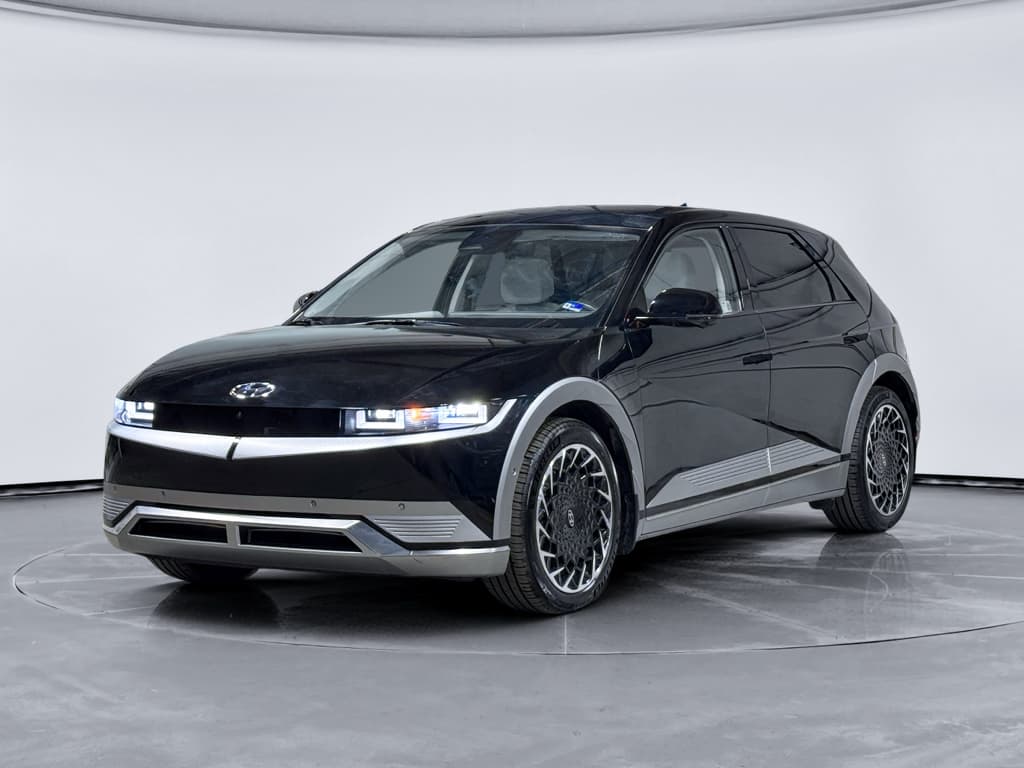
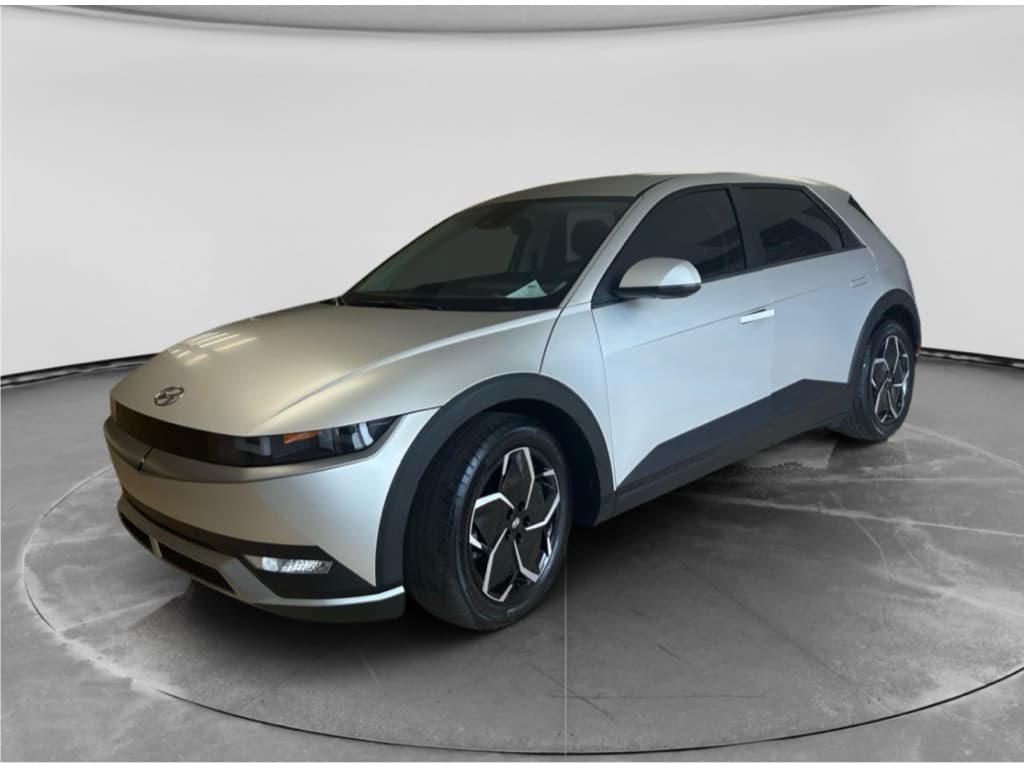
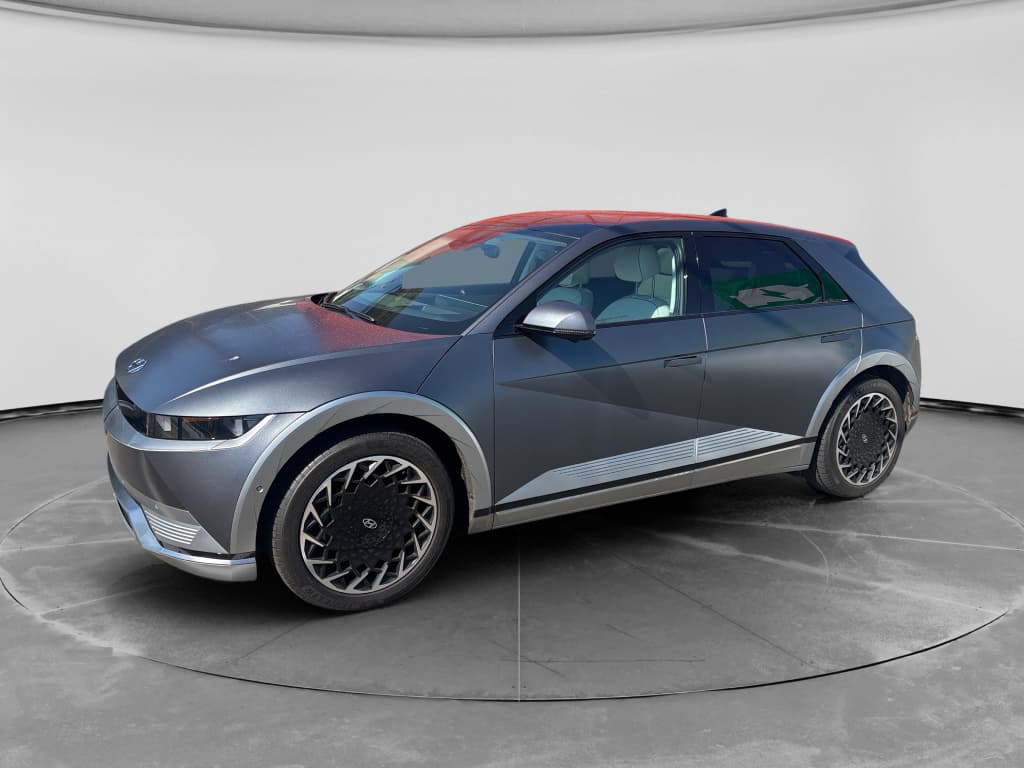
| Hyundai Ioniq 5 | Coolant inspection at regular service; replacement around 10 years/100k miles in many markets | Interval may vary by region |
| Kia EV6 | Similar to Ioniq 5; long-life coolant with extended interval | Check maintenance schedule in owner’s manual |
| Chevy Bolt EV | High-voltage battery coolant change typically around 150,000 miles/10 years | Dealer can check freeze point and condition |
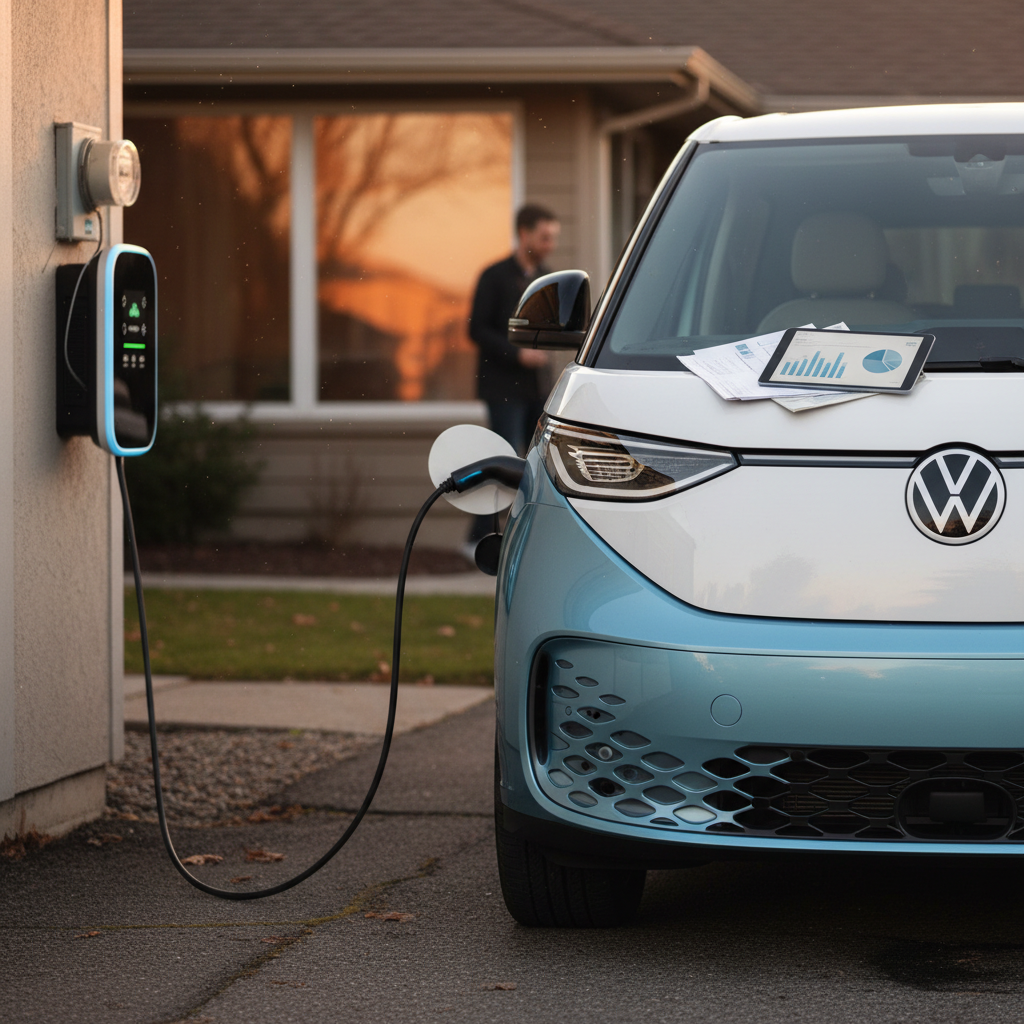
| VW ID.4 | Periodic inspection; replacement closer to 8–10 years in many cases | Different loops may have different intervals |
EV coolant change intervals tend to range from 8 to 15 years under normal conditions.
Where to Find Your Exact Interval
Signs Your EV May Need Coolant Service Sooner
Even if the official interval is far in the future, real-world conditions can create the need for an earlier coolant flush. Pay attention to these warning flags:
Common Warning Signs of EV Coolant Issues
Treat anything involving leaks or high-voltage components seriously.
Visible Leaks or Low Level
Overheating Warnings
Recent High-Voltage Repairs
- Unusual gurgling noises from the battery area after service (air in the system).
- Discolored coolant (rusty, milky, or with particles) seen in the translucent reservoir.
- Repeated DC fast-charging sessions that quickly throttle down due to thermal limits, even in mild weather.
High-Voltage Safety First
Coolant Flush vs Top-Off vs Repair: What’s the Difference?
When a service advisor says you need coolant work, it’s important to know what they’re actually recommending. Not every visit means a full flush is necessary.
Coolant Top-Off
Adding a small amount of manufacturer‑approved coolant to restore the proper level in the reservoir. This is appropriate when:
- Level dropped slightly due to normal expansion/contracting.
- The system was recently serviced and small air pockets bled out.
- There’s no evidence of leaks.
Coolant Flush / Replacement
Draining the system and replacing most or all of the fluid. This is needed when:
- The car hits the factory time/mileage interval.
- Coolant is visibly contaminated or degraded.
- Major components were replaced and the system must be refilled and bled.
Coolant-System Repair
Fixing the root cause: a leaking hose, failed pump, cracked reservoir, or damaged battery or chiller. In this case, a flush is usually part of the job, but the repair is the main cost driver.
Ask This at the Service Counter
How Much Does an EV Coolant Flush Cost?
Costs vary widely by brand and by how complex the cooling loops are, but you can think in ballpark terms. In most cases, a scheduled EV coolant flush is less frequent but somewhat more specialized than the old radiator service on a gas car.
Typical EV Coolant Service Cost Ranges
These are broad estimates for out-of-warranty vehicles; dealer quotes in your region will vary.
| Service Type | Typical Cost Range (USD) | What’s Included |
|---|---|---|
| Coolant inspection & top-off | $0–$80 | Visual check, level check, small amount of fluid if needed |
| Scheduled coolant replacement/flush | $250–$600 | Drain, refill with OEM coolant, bleeding air, basic checks |
| Coolant repair with component replacement | $800+ | Parts and labor for hoses, pumps, chillers, or battery-side components, plus coolant refill |
Expect to pay more if coolant work accompanies high-voltage component repairs.
Dealer vs. Independent Shop
How Coolant Maintenance Affects Battery Health & Range
Battery health is one of the biggest drivers of an EV’s long-term value. A well‑maintained cooling system helps your pack age gracefully, preserving both range and fast-charging performance.
Why Thermal Management Matters for Your EV
If you’re buying a used EV, documented coolant maintenance, and the absence of overheating warnings in the history, can be a quiet but important vote of confidence in the battery’s future. At Recharged, our Recharged Score Report includes a deep look at battery health and thermal behavior over time, giving you more than just a quick test drive’s worth of insight.
Coolant Checklist When Buying a Used EV
You don’t need to be an engineer to make smart decisions about coolant when shopping for a used electric vehicle. Use this simple checklist to protect yourself.
Used EV Coolant & Cooling System Checklist
1. Review the maintenance history
Look for any records of coolant changes, high‑voltage repairs, or overheating complaints. Gaps aren’t always bad with long‑life coolant, but unexplained repairs deserve questions.
2. Visually inspect the reservoir
With the car off and cool, check that the coolant level is between the marks and that the fluid looks clean (not rusty, milky, or full of debris).
3. Ask about warning messages
Ask the seller directly if they’ve ever seen power‑reduced, overheating, or thermal‑system warning lights, especially during fast charging or summer road trips.
4. Check for stains or fresh drips
Look under the front of the car and around the wheel wells for dried coolant stains or fresh leaks. A pre‑purchase inspection can put the car on a lift for a better look.
5. Get a professional EV inspection
A shop familiar with your EV model, or a retailer like Recharged, can scan for thermal‑system faults and confirm there’s no stored history of overheating events.
6. Consider a battery health report
Battery‑focused diagnostics, like the Recharged Score, go beyond a simple scan to evaluate how the pack has been treated, including patterns that may point to thermal stress.
How Recharged Helps
Ready to find your next EV?
Browse Vehicles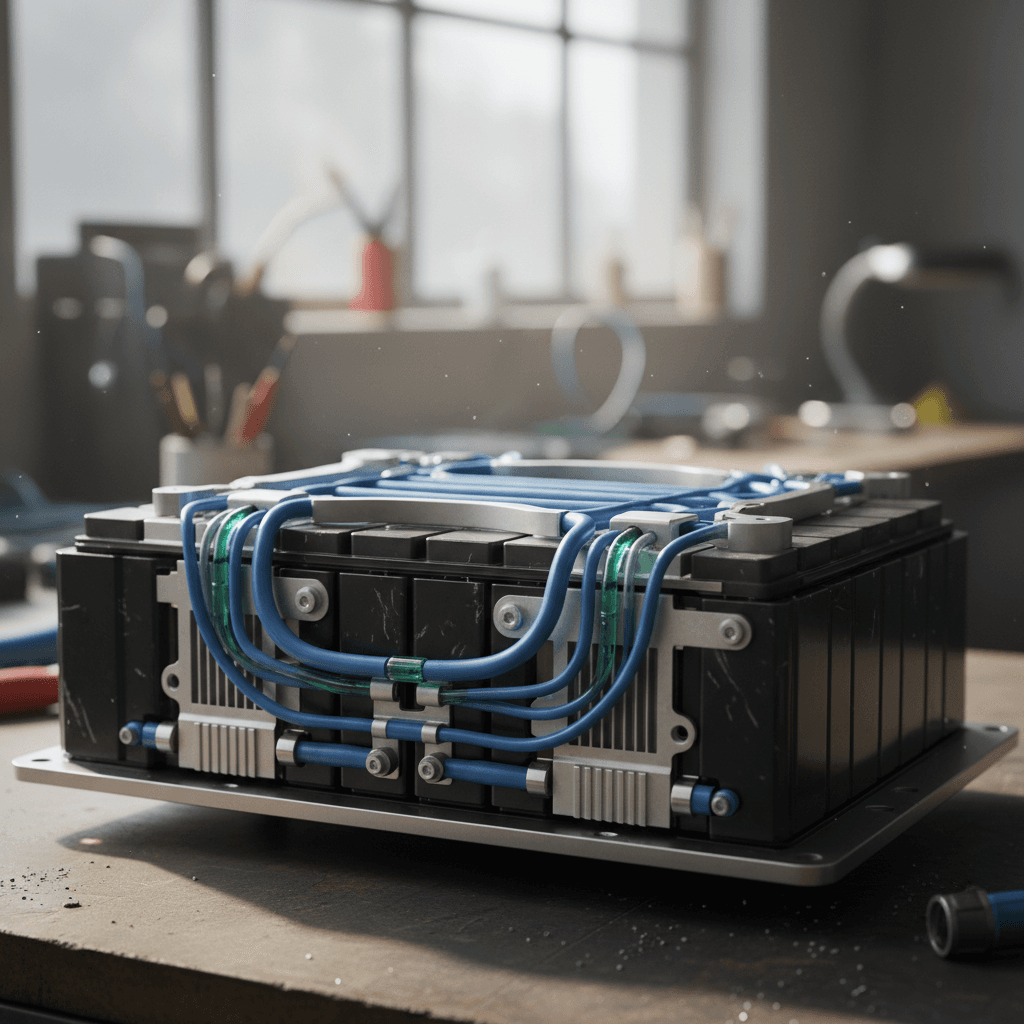
DIY EV Coolant Flush vs Dealer Service
With a gas car, plenty of weekend mechanics are comfortable doing their own coolant flush. With an EV, that’s a different story. Anything that touches high‑voltage components is best left to trained professionals with the right safety procedures and tools.
When DIY Might Make Sense
- Checking coolant level in the translucent reservoir.
- Spotting obvious leaks or stains under the car.
- Monitoring for warning lights and unusual behavior.
These are "eyes‑only" checks that don’t require opening the system.
When to Use Dealer or EV Specialist
- Any coolant flush or replacement.
- Any repair involving the battery, inverter, or drive unit.
- Bleeding air from complex multi‑loop systems.
- Diagnosing repeated thermal or power‑limited warnings.
Technicians follow lock‑out/tag‑out procedures, use insulated tools, and have model‑specific training.
Avoid Generic Coolant
EV Coolant Flush FAQ
Frequently Asked Questions About EV Coolant Flushes
The Bottom Line: When Is an EV Coolant Flush Really Needed?
Unlike the old days of 30,000‑mile radiator flushes, most EV owners won’t think much about coolant for many years. But that doesn’t mean the fluid isn’t important. It’s quietly protecting the most expensive component in your vehicle, the battery, every mile you drive.
Follow the factory maintenance schedule, pay attention to leaks and warning messages, and insist on the correct coolant and procedures when service is needed. If you’re shopping used, take coolant history and battery health seriously, they’re key ingredients in an EV that will go the distance.
Recharged was built to make this easier. Every used EV we sell comes with verified battery health diagnostics through the Recharged Score, expert guidance on prior repairs, and transparent pricing. Whether you buy from us or not, use coolant history and thermal behavior as part of your decision checklist, and you’ll be well on your way to smart EV ownership.