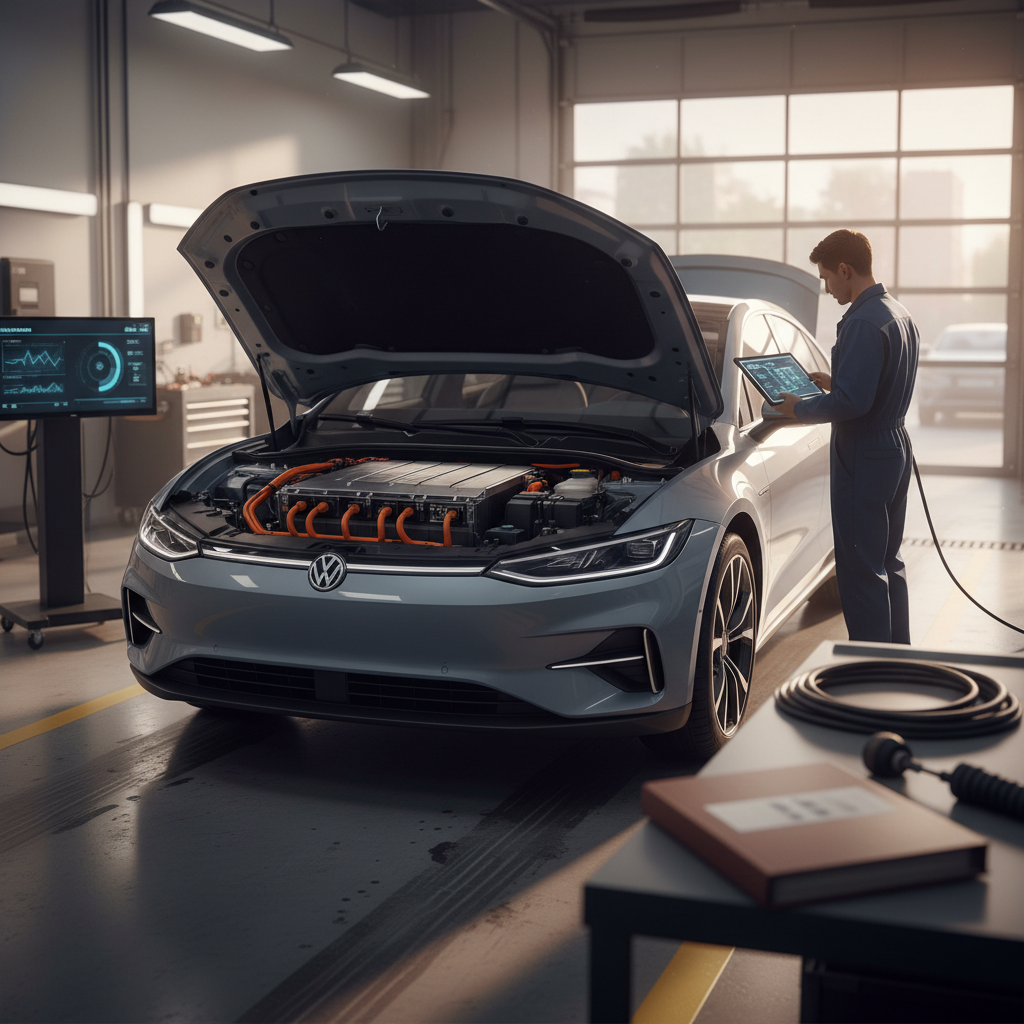
When you start shopping for replacement rubber for your electric car, you’ll see phrases like “EV compatible tires”, “EV ready,” or “Elect” and “iON” splashed across sidewalls and spec sheets. The message is clear: not every tire is happy living under an EV. But that doesn’t mean you must buy an EV-branded tire every time. The trick is understanding what makes a tire truly compatible with an electric vehicle, and how that choice affects your safety, range, and running costs.
Quick definition
What “EV compatible tires” really means
Let’s strip away the marketing. At a minimum, EV compatible tires must match your car’s required size, load index, and speed rating. That’s non‑negotiable, EV or not. What’s different with EVs is the way those numbers are used. Electric vehicles are heavier than their gas counterparts, often by a few hundred extra pounds thanks to the battery pack, and they deliver full torque from zero rpm. That combination punishes the wrong tires.
- They must safely carry the EV’s extra weight at the correct pressure.
- They should be designed to handle strong instant torque without rapid wear.
- They should balance low rolling resistance (for range) with safe wet and dry grip.
- They should keep road noise in check because EV cabins are much quieter.
Don’t assume “any tire that fits” is safe
How EV tires differ from regular tires
You’ll sometimes hear that EV tires are a gimmick. Spend a little time around cutaway samples and test data, and you’ll see the differences are real. Tire makers have spent the last few years quietly re‑engineering construction, rubber compounds, and tread patterns specifically for electric vehicles.
What sets EV-focused tires apart
Why engineers build them differently for electric cars
Higher load capacity
EVs are heavier, especially in the battery pack area. EV‑oriented tires often use XL (extra load) or newer HL (high load) constructions, with beefed‑up sidewalls and internal belts to carry the extra mass without overheating.
Torque-ready construction
Instant torque can scrub tread off in a hurry. EV tires typically have a stiffer center rib and shoulder design to resist squirm and wheelspin under hard acceleration, which helps tread life.
Noise reduction focus
With no engine to mask noise, tire roar becomes the loudest sound. Many EV tires add foam liners, tuned tread blocks, or variable pitch patterns to keep the cabin quiet at highway speeds.
Rolling resistance and range
Most EV-compatible tires lean heavily on low rolling resistance compounds, rubber blends and tread designs that flex less as the tire rolls. That reduces the energy lost as heat and can add meaningful miles to a charge. It’s the same logic behind the eco‑tires that showed up on early hybrids, but updated for heavier, torquier EVs.
Tread patterns and wet grip
Here’s the tightrope: lower rolling resistance can mean longer braking distances, especially on wet pavement. So EV-specific tires counter with asymmetric tread patterns, more sipes (tiny grooves) for water evacuation, and advanced silica blends for grip in the rain, all while keeping tread blocks stiff enough for efficiency.
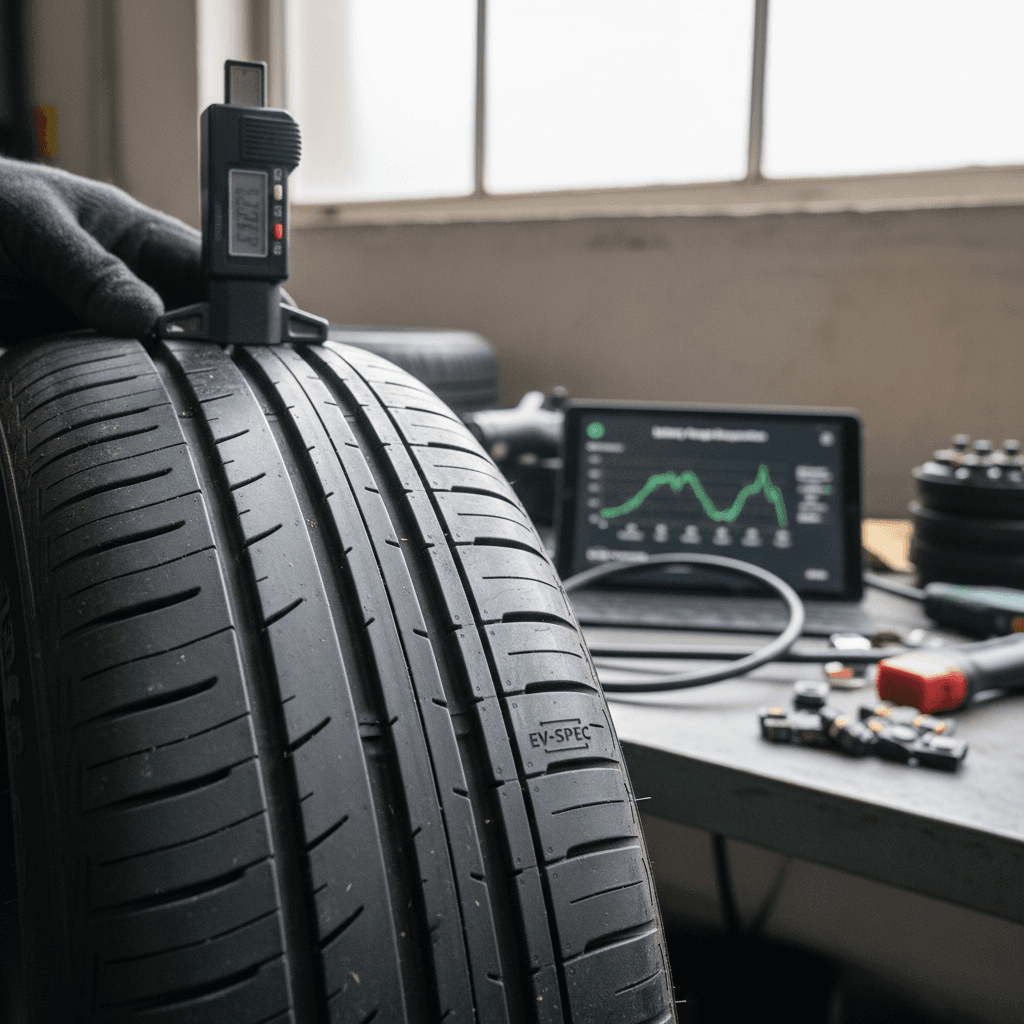
Key specs to check for EV compatibility
You don’t have to become a tire engineer, but you do need to read a sidewall like a pro. Here are the most important numbers and letters to check when you’re evaluating whether a tire is truly EV compatible.
Specs that matter most for EVs
1. Size that matches the placard
The size will look like <strong>235/45R18</strong>. Match what’s on the tire label inside your door jamb unless you’re working with a trusted tire shop on a deliberate change. Wrong sizes can upset your range estimates, handling, and safety systems.
2. Load index and HL/XL markings
The load index is the number after the size, such as <strong>98</strong> or <strong>104</strong>. EVs often ship with XL (extra load) or newer <strong>HL (high load)</strong> tires to cope with their weight. Your replacement tires should have at least the same load index and construction rating, never less.
3. Speed rating that meets or exceeds OEM
The speed rating is the letter after the load index (V, W, Y, etc.). Even if you never see triple‑digit speeds, you should match or exceed the rating your EV came with. It’s a proxy for how the tire handles heat and stress.
4. EV, Elect, iON, or “EV ready” markings
Many brands now print badges like <strong>“EV,” “Elect,” “EV Ready,” or “iON”</strong> on compatible tires. Don’t rely on the logo alone, but it’s a helpful signal that the tire was tested on heavier, high‑torque vehicles.
5. Rolling resistance / efficiency claims
Look for phrases like <strong>“low rolling resistance,” “Energy Saver,” “EcoContact,” “Ecopia”</strong>, or similar. On European‑market tires, the efficiency letter on the EU label can also give clues. For U.S. shoppers, independent tests and owner reviews are your best efficiency guide.
6. Noise and comfort technologies
Foam inlays, noise‑tuned tread blocks, and marketing names like <strong>“SilentDrive,” “Noise Shield,” or “Acoustic”</strong> typically mean the tire was designed to keep EV cabins quiet. If you do a lot of highway miles, prioritize these.
Where to find the right numbers
Do you really need EV-specific tires?
Here’s the honest answer: not every EV needs a tire with an EV logo, but every EV does need tires that are built to handle its weight, torque, and duty cycle. There are two big questions to ask yourself.
1. What did your EV come with?
If your car left the factory on HL or XL tires, or on a specific EV‑branded model, that’s a strong hint about the kind of construction it needs. In that case, you should replace them with EV-rated or clearly "EV-ready" tires that match or exceed the original load index and speed rating.
For lighter city EVs and some plug‑in hybrids that shipped on standard load tires, you may have more flexibility, as long as replacements still meet the required specs.
2. How do you drive?
If you regularly use full acceleration, drive at highway speeds, or haul a full family and cargo, an EV-specific tire will usually last longer and stay quieter than a generic all‑season with the same size and rating. If you mostly shuffle around town at lower speeds, a high‑quality, non‑EV tire that meets the specs can be perfectly safe, just with potentially shorter tread life and more noise.
What tire makers say
How tires affect range, noise, and ride
On an EV, tires are one of the biggest levers you have after driving style and temperature. Swap to the wrong set and you’ll feel it on your range estimate, hear it in the cabin, and maybe even see it at the service shop when tread disappears faster than you expected.
How much difference can EV-compatible tires make?
- Range: Low rolling resistance designs reduce energy consumption per mile, which can add meaningful miles to every charge, particularly at steady highway speeds.
- Noise: With no engine to mask noise, tire hum dominates the soundscape. EV-optimized tires are tuned to keep road noise down so you can enjoy the silence you paid for.
- Ride and handling: Stiffer sidewalls and heavy-duty construction keep a heavy EV feeling planted, but overly stiff tires can hurt ride comfort. The best EV-compatible tires find a balance for your specific vehicle.
The hidden cost of cheap tires
Popular examples of EV-compatible tires
The EV tire shelves are getting crowded, but you’ll see a few patterns: some models are built exclusively for EVs, while others are shared with gas cars but offered in EV‑friendly load indices and compounds. Here are broad examples you’re likely to encounter when you shop, always double‑check availability and sizing for your specific vehicle.
Common categories of EV-compatible tires
Examples only, always confirm size, load index, and fitment for your exact EV before purchase.
| Category | Example tire families | Best for | Typical trade-offs |
|---|---|---|---|
| Efficiency-focused touring | Michelin Energy Saver, Continental EcoContact, Bridgestone Ecopia | Maximizing range and everyday comfort | Less ultimate grip and steering feel than sporty options |
| EV-specific performance | Pirelli P Zero Elect, Michelin Pilot Sport EV, Hankook iON evo | High-performance EVs (Model 3, Taycan, i4) | Higher price, sometimes shorter tread life |
| All-weather / all-season EV-ready | Goodyear Assurance lines, Continental PureContact, Bridgestone Turanza EV | Year-round daily drivers in mixed climates | May not replace dedicated winter tires in harsh snow/ice |
| All-terrain EV truck/SUV | Specialized A/T lines adapted for EVs | Electric trucks and SUVs used off‑pavement | More noise and less range than road-biased tires |
Many tire families now include EV-focused versions or sizes suitable for electric vehicles.
Match tires to your EV and your roads
EV tire buying checklist
When you’re staring at a wall of black rubber, this is the short list you can keep on your phone. Whether you’re ordering online or working with a shop, run through each item before you hand over a credit card.
EV tire shopping, step by step
1. Start with your door‑jamb label
Write down the factory tire size, load index, and speed rating, or snap a clear photo. That’s your baseline for EV compatibility.
2. Decide what matters most to you
Range, quiet, sporty handling, snow traction, price, rank your top two priorities. It’s easier to choose tires when you know what you’re willing to trade.
3. Filter for load index and construction
Filter any online search by load index and look for XL or HL construction if your EV came with it. Crossing that line is non‑negotiable.
4. Shortlist EV-marked or EV-ready models
Within your size and load rating, favor tires that specifically call out EV compatibility, low rolling resistance, or noise-reduction tech.
5. Read EV owner reviews, not just specs
Driver reviews from owners of similar EVs can reveal real‑world range changes, noise levels, and tread life you won’t see on a spec sheet.
6. Get a professional sanity check
Before you click “buy,” it’s perfectly reasonable to ask a tire shop, or your EV specialist at Recharged, to confirm that your shortlist is appropriate for your vehicle.
Tire care tips for EV owners
Choosing EV compatible tires is half the battle; taking care of them is the other half. Because EVs are heavier and harder on rubber, basic maintenance pays off faster than it did with your old gas car.
Make your EV-compatible tires last
Simple habits that protect range and safety
Check pressure monthly
Under‑inflated tires run hot, wear quickly, and eat into range. Check cold pressures at least once a month and before long trips, using the pressure listed on your door‑jamb label, not the sidewall maximum.
Rotate on schedule
EVs can be hard on front tires (from steering) or rears (from torque), depending on drivetrain. Rotating every 5,000–7,500 miles helps even out wear and extend tire life.
Drive smoothly
Enjoy the instant torque, but maybe not at every stoplight. Gentle launches and avoiding unnecessary hard braking are kind to your tires, your passengers, and your range.
Built-in help from your EV
Used EVs: why tire choice and condition matter
If you’re shopping for a used EV, the tires tell you a lot about how the car has been treated. They’re also one of the easiest ways to improve the way a pre‑owned EV feels on day one.
What tire clues say about prior ownership
- Mismatched brands or sizes can be a sign of budget replacements or curb‑hit damage.
- Uneven wear (more on one edge) may point to alignment issues or chronic under‑inflation.
- Cheap, non‑EV tires on a heavy EV suggest the previous owner prioritized price over performance.
How Recharged helps you see the full picture
Every vehicle on Recharged comes with a Recharged Score Report that goes beyond bodywork and battery health. Our specialists review service history and visible wear items, like tires, to flag anything that could affect safety, range, or near‑term running costs.
If a car is wearing tires that aren’t well matched to its weight and performance, our team can walk you through replacement options, estimated costs, and how better EV-compatible tires could change the way that car drives.
EV compatible tires: FAQ
Frequently asked questions about EV compatible tires
The bottom line on EV-compatible tires
EV compatible tires aren’t just a marketing buzzword; they’re tires that can safely carry the extra weight of an electric vehicle, handle its instant torque, and preserve the quiet, efficient drive you bought the EV for in the first place. Match the size, load index, and speed rating from your door‑jamb label, favor construction and compounds designed with EVs in mind, and maintain them with the same care you give your battery.
If you’re stepping into a used EV, tires are one of the first places to look for hidden costs and easy wins. At Recharged, every vehicle includes a Recharged Score Report with verified battery health, fair pricing, and clear notes on wear items like tires, so you’re never guessing about the rubber between you and the road. Choose the right EV-compatible tires, and you’ll feel the difference every mile you drive.