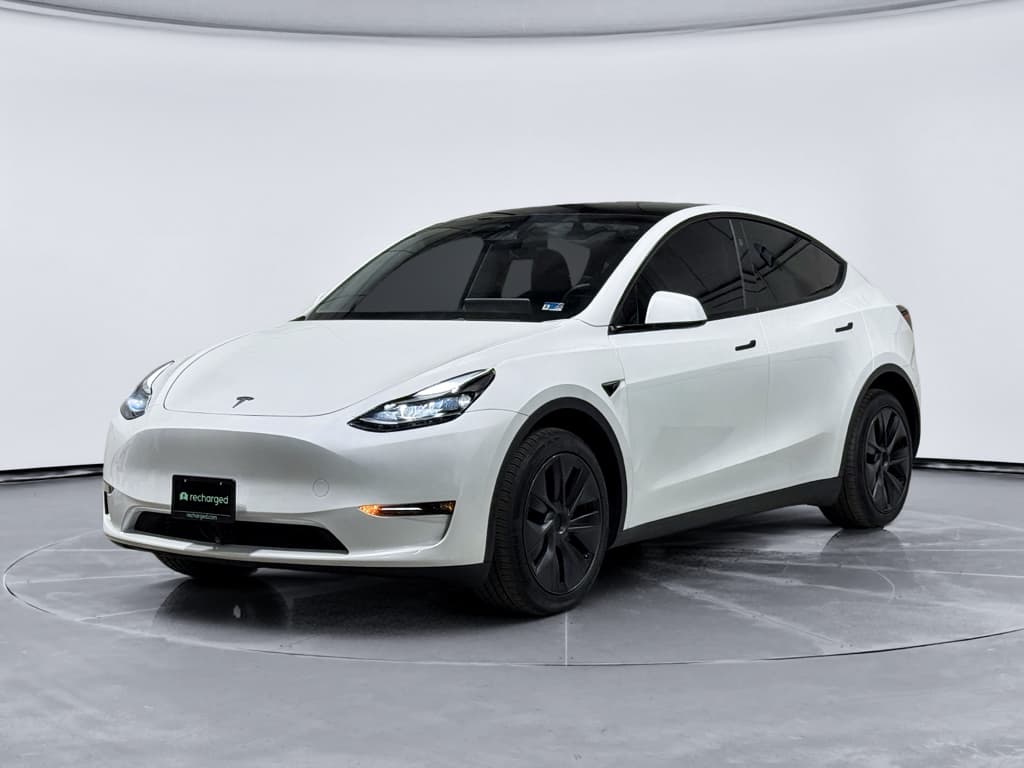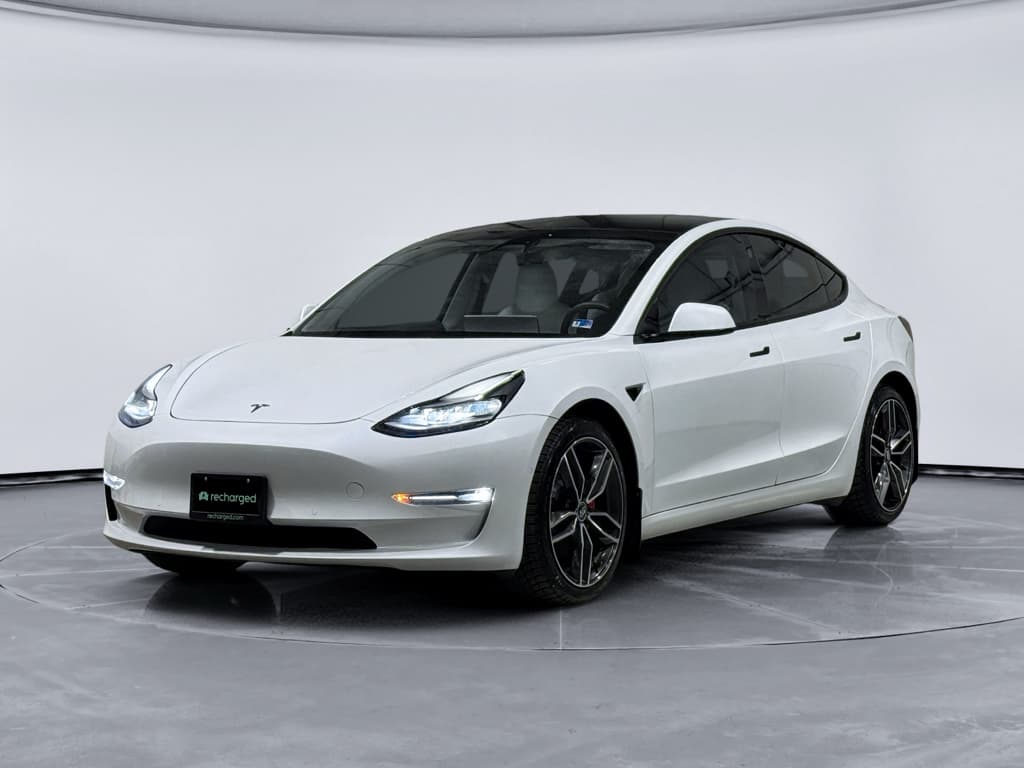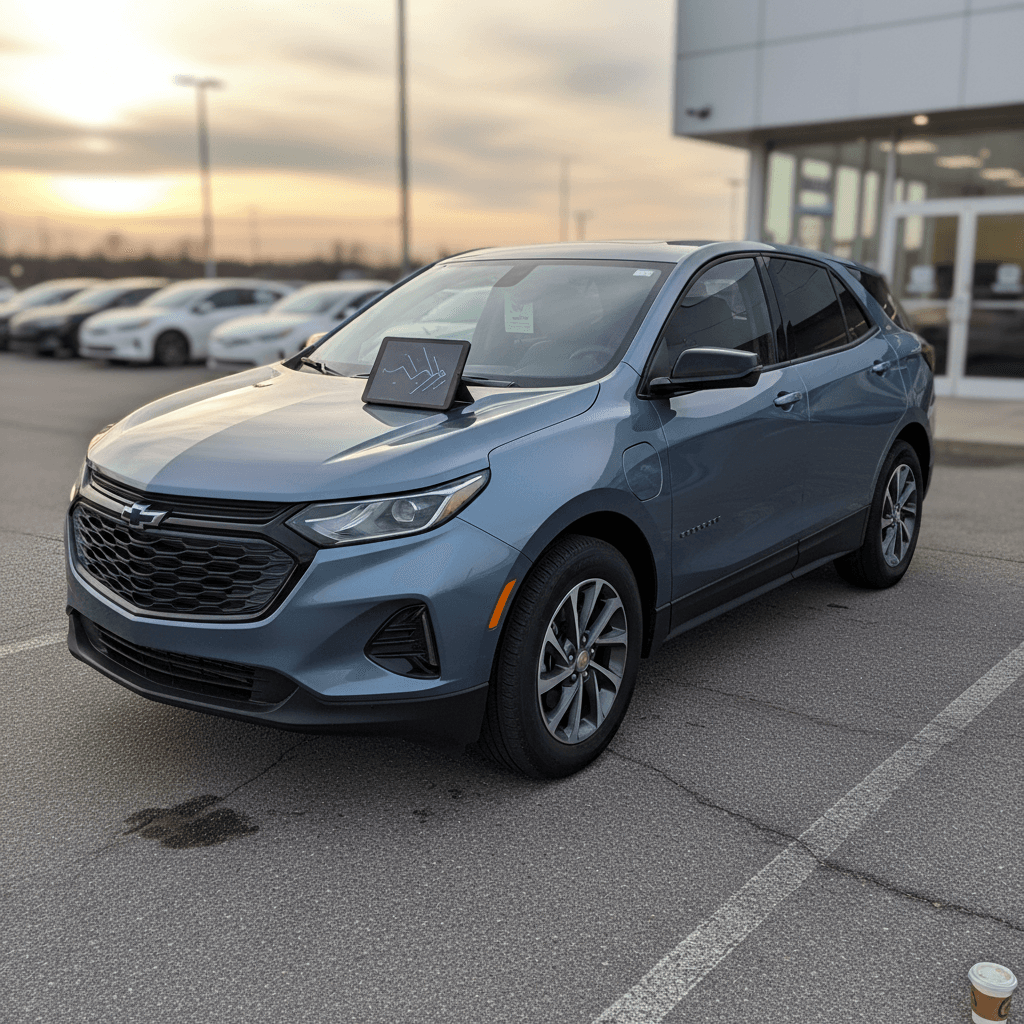
If you’re trying to make sense of an EV comparison in 2025, you’re not alone. Range, kilowatts, connectors, tax credits, battery health, electric cars come with a new language. The good news is that once you know which specs matter (and which don’t), comparing electric vehicles becomes much simpler, especially if you’re shopping the used EV market.
What this EV comparison guide covers
Why EV comparison matters in 2025
EV market snapshot for 2024–2025
The EV market in late 2025 is in an interesting place. There are more models than ever, from sub-$30,000 commuters like the latest Nissan Leaf to long‑range sedans like the Hyundai Ioniq 6 and luxury flagships like the Lucid Air. At the same time, incentives and charging standards are changing quickly. That makes a structured, apples‑to‑apples EV comparison more important than simply chasing the biggest range number or the lowest monthly payment.
Don’t rely on sticker range alone
EV comparison basics: Specs that actually matter
Six specs to prioritize in any EV comparison
Once you understand these, comparing electric cars becomes much easier.
Battery size (kWh)
Think of battery capacity in kilowatt-hours (kWh) as your fuel tank size. Larger batteries generally mean more range, but also higher cost and weight.
Range (EPA miles)
The EPA‑rated range gives you a standardized comparison point. Use it to compare models, then adjust expectations based on your climate and driving style.
Charging speed (kW)
DC fast‑charging speed (in kW) determines how quickly you can add miles on road trips. A peak of 150 kW or higher is solid for most drivers.
Connector type
In North America, look for NACS (Tesla’s standard) or CCS. More 2025+ models are adopting NACS to tap into the Supercharger network.
Body style & space
Compact hatch, sedan, crossover, SUV, or truck, match the body style to your household, cargo needs, and parking realities.
Warranty & battery health
Battery and powertrain warranties are critical, especially for used EVs. Compare remaining coverage and verified battery health, not just mileage.
How Recharged helps
EV range comparison: How much is enough?
One of the first things shoppers compare is range. In 2025, many mainstream EVs, Hyundai Ioniq 6, Tesla Model 3, Chevrolet Equinox EV, and others, offer 300 miles or more on paper. But you don’t necessarily need 300+ miles if you charge at home and mostly drive locally.
Everyday drivers
- Typical daily use: 20–60 miles of commuting and errands.
- Recommended EPA range: 220–260 miles is usually more than enough, especially with home charging.
- Example models: Nissan Leaf, Hyundai Kona Electric, Kia Niro EV, older Tesla Model 3 or Model S.
These vehicles balance cost and range: big enough battery to skip charging some days, without paying for capacity you’ll never use.
Road‑trip and multi‑driver households
- Typical use: Long highway drives, family road trips, or multiple drivers sharing one car.
- Recommended EPA range: 280–320+ miles to reduce charging stops and preserve buffer.
- Example models: Hyundai Ioniq 6, Tesla Model Y and Model 3 Long Range, Chevrolet Equinox EV, Kia EV6, Rivian R1T/R1S.
Here, higher range combines with faster DC charging to give you more flexibility when you’re away from home.
Range vs charging speed
Illustrative EV range and price comparison (2025 mainstream models)
These numbers are representative of how 2025 EVs cluster by range and price. Exact figures vary by trim and options but this shows how to compare segments.
| Model (2025) | Type | Approx. starting price | EPA range (mi) | Notes |
|---|---|---|---|---|
| Nissan Leaf (new gen) | Compact hatch | Around $30,000 | ~300 | Affordable, great commuter; redesigned with more range. |
| Hyundai Kona Electric | Subcompact SUV | Mid‑$30,000s | ~200–260 | Efficient small crossover, good for city and light road trips. |
| Chevrolet Equinox EV | Compact SUV | Mid‑$30,000s | ~250–320 | Strong range per dollar; family‑friendly size. |
| Hyundai Ioniq 6 | Sedan | High‑$30,000s to low‑$40,000s | ~240–340 | One of the longest‑range EVs with very fast DC charging. |
| Tesla Model 3 (updated) | Sedan | Low‑ to mid‑$40,000s | ~300+ | Popular all‑rounder, strong Supercharger access. |
| Ford Mustang Mach‑E | Crossover | High‑$30,000s to $40,000s | ~250–320 | Sporty crossover with family‑friendly utility. |
Use this sort of table to compare EVs you’re actually cross‑shopping.
EV price comparison: New vs used value
On average, new EVs still cost more than comparable gas models, especially in larger SUV and pickup segments. But that’s only half the story. Electricity is usually cheaper per mile, maintenance costs are lower, and the used EV market has matured quickly, creating real bargains for informed shoppers.
New EV vs used EV: How the value compares
Think in terms of total cost of ownership, not just sticker price.
New EV advantages
- Latest tech, safety, and driver‑assist features.
- Full factory warranty and maximum battery coverage.
- Access to current incentives or lease programs.
- Often already equipped with NACS or adapters for more charging networks.
Used EV advantages
- Significant upfront savings vs a new EV, especially on 3–5‑year‑old models.
- Many have already taken most of their depreciation hit.
- Can still have years of battery and powertrain warranty remaining.
- Great way to step into EV ownership and learn what you really need.
Where Recharged fits in
Charging speed and connector types
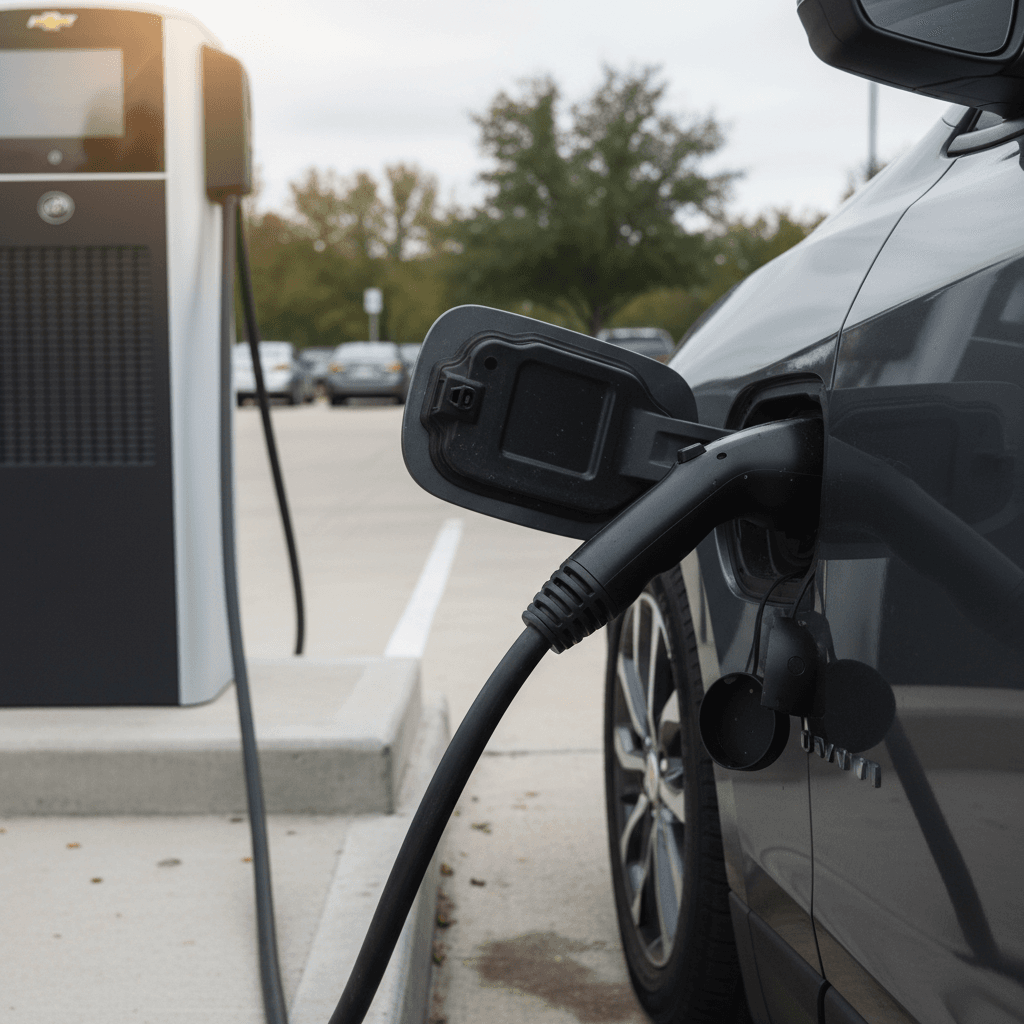
The next big piece of any EV comparison is how and where the car can charge. This is where acronyms like Level 2, DC fast charging, CCS, and NACS show up in spec sheets and confuse buyers. You don’t have to become an engineer, but you do need to know how those specs translate into your daily life.
Home & local charging
- Level 1: Standard 120‑volt outlet, adds only a few miles of range per hour. OK for short‑trip drivers.
- Level 2: 240‑volt home or workplace charging, typically 25–40 miles of range per hour.
- What to compare: Onboard charger rating (kW), whether you have or can add a 240‑volt circuit, and charging equipment included with the car.
Road‑trip and public charging
- DC fast charging: Adds range much faster than Level 2, often 10–80% in 20–40 minutes.
- What to compare: Maximum DC charging power (kW), how long it sustains that rate, and plug type (CCS vs NACS).
- Charging networks: Think about which networks are strong along your typical routes, Tesla Supercharger, Electrify America, etc.
The connector shift: CCS vs NACS
Comparing EV body styles and use cases
Traditional car shopping rules still apply: a compact hatchback that’s perfect for a solo commuter may be a poor fit for a family of five. Instead of starting with range or brand, it can be smart to start your EV comparison with how you’ll actually use the vehicle.
Which EV body style fits your life?
Match vehicle type to your real‑world needs before you obsess over range charts.
Compact hatch & sedan
Best if you:
- Mostly commute solo or with one passenger.
- Live or park in a city and hate hunting for big spaces.
- Want easier entry into EV ownership at a lower price.
Think Nissan Leaf, Chevy Bolt (used), Hyundai Ioniq 6, Tesla Model 3.
Crossovers & small SUVs
Best if you:
- Need kid seats and cargo flexibility.
- Want a higher seating position and all‑weather confidence.
- Take a few road trips each year.
Think Hyundai Kona Electric, Kia Niro EV, Chevy Equinox EV, Tesla Model Y, Ford Mustang Mach‑E.
Pickup & adventure EVs
Best if you:
- Tow, haul, or spend time on job sites.
- Need bed space and power outlets on the go.
- Value capability over maximum efficiency.
Think Ford F‑150 Lightning, Rivian R1T.
Feature comparison: Tech, safety, and comfort
Modern EVs often come loaded with technology, from large touchscreens to hands‑free driving aids. It’s easy to get dazzled by big screens and miss the features that actually affect everyday comfort and safety. When you’re comparing electric cars, sort features into "must‑have" and "nice‑to‑have" groups.
Must‑have features to compare
- Driver‑assist suite: Automatic emergency braking, adaptive cruise, lane‑keeping assist.
- Heated seats & steering wheel: Particularly important in cold climates to preserve range.
- Efficient climate control: Heat‑pump systems can reduce winter range loss.
- Smartphone integration: Reliable Apple CarPlay/Android Auto or robust built‑in nav.
- Good visibility & ergonomics: Simple controls you can use without diving into menus.
Nice‑to‑have extras
- Panoramic glass roofs.
- Premium audio systems.
- Ambient interior lighting packages.
- Hands‑free driving features (where legal).
- Vehicle‑to‑load power outlets for tools or camping.
These can sweeten the deal but shouldn’t outweigh battery health, range, and warranty when you compare EVs, especially used ones.
Comparing used EVs by battery health
With gas cars, we’re used to comparing mileage and service history. With EVs, battery health is just as important as odometer readings, sometimes more. Two five‑year‑old EVs with similar mileage can have very different remaining range and long‑term value depending on how they were charged, stored, and driven.
Key battery factors in a used EV comparison
Don’t just ask how far it went when new, ask how far it goes now.
State of health (SoH)
This is the percentage of original battery capacity remaining. For example, 90% SoH on a car that started with 300 miles of range means around 270 miles when new, now about 270 × 0.9 ≈ 243 miles in ideal conditions.
Age & mileage
Age matters because batteries degrade over time, even with low miles. Mileage matters because frequent fast charging and heavy use add wear. Compare years, miles, and how the car was used.
Warranty coverage
Most EVs have separate battery warranties (often 8 years). Compare how many years or miles remain and what level of capacity loss the warranty actually covers.
How Recharged de‑risks used EV comparison
Ready to find your next EV?
Browse VehiclesShortcut comparisons: Popular EV matchups
Let’s apply all of this to a few common EV comparison scenarios. Exact numbers change over time, but the decision patterns stay the same.
Compact commuter: Leaf vs Kona Electric vs used Model 3
- Nissan Leaf (new gen): Lowest upfront price, around‑town champ with improved range in the latest redesign.
- Hyundai Kona Electric: Small SUV packaging with similar range, better for taller drivers or small families.
- Used Tesla Model 3: Higher initial price but access to Supercharger network and strong efficiency.
How to choose: If you rarely road‑trip, the Leaf or Kona Electric can deliver similar utility for less money. If you value road‑trip charging and advanced driver‑assist tech, a well‑priced used Model 3 may win.
Family crossover: Model Y vs Mustang Mach‑E vs Equinox EV
- Tesla Model Y: Excellent charging network and strong range, especially in Long Range trims.
- Ford Mustang Mach‑E: Sportier feel, distinctive styling, improving fast‑charging performance.
- Chevy Equinox EV: Designed to hit a sweet spot of price, range, and practicality for mainstream buyers.
How to choose: Start with your region’s charging coverage and your budget. If Superchargers are everywhere on your routes, the Model Y has an edge. If you’re value‑focused and don’t need the longest range, a well‑equipped Equinox EV can be compelling.
Be careful with apples‑to‑oranges comparisons
EV comparison checklist
Step‑by‑step EV comparison checklist
1. Start with your use case
List how you’ll actually use the car: commute distance, kids and cargo needs, road‑trip frequency, weather, and parking situation. This determines your minimum range and ideal body style.
2. Set a realistic budget
Consider total cost of ownership: purchase price or monthly payment, electricity costs, insurance, and maintenance. Decide whether new incentives or a well‑priced used EV make more sense for you.
3. Narrow body style and size
Rule out what won’t work, maybe you can’t realistically live with a tiny hatchback, or a large SUV won’t fit in your garage. That alone can shrink your list considerably.
4. Compare range and charging
Within your short list, compare EPA range and DC fast‑charging speed. Adjust for your climate: if you live in a cold region, give yourself extra buffer.
5. Evaluate battery health (for used)
On used EVs, seek out a verified battery health report, not just a dashboard range estimate. Recharged’s battery diagnostics and Recharged Score make this straightforward.
6. Cross‑shop warranty and reliability
Compare remaining battery and powertrain warranty, known reliability patterns, and service availability in your area.
7. Test‑drive your finalists
Pay attention to seating comfort, visibility, ride quality, and how intuitive the tech feels. A car that looks perfect on paper but frustrates you in daily use isn’t the right choice.
EV comparison FAQ
EV comparison frequently asked questions
Bottom line: How to choose with confidence
A smart EV comparison doesn’t start with chasing the biggest range number or the flashiest touchscreen. It starts with you, your driving patterns, where you’ll charge, your budget, and how long you plan to keep the car. From there, you narrow your options by body style and range, then compare charging performance, features, and, for used EVs, verified battery health.
If you’re leaning toward a used EV, that’s where a platform built for electric vehicles really shines. Recharged pairs expert EV‑specialist support with objective data, battery diagnostics, fair market pricing, trade‑in options, and financing, to help you compare models confidently and avoid unpleasant surprises down the road. Take your time, use a structured checklist, and you’ll find an EV that fits both your life and your budget for years to come.