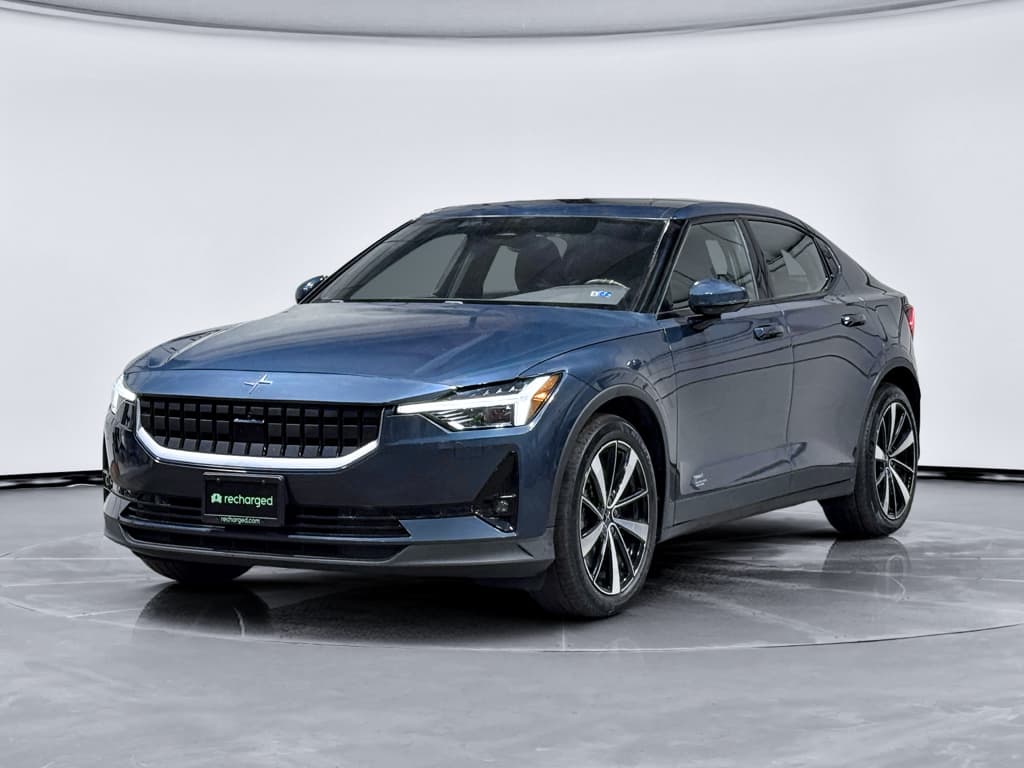
If you’ve been researching electric vehicles lately, you’ve probably seen the term “EV Co” pop up in a few different contexts, from company names to Colorado’s EV CO education initiative. The catch: those two little letters can mean very different things depending on where you see them. This guide untangles the jargon so you know who’s who, what they do, and how it all affects you when you’re shopping for an EV, especially a used one.
Quick definition
What do people actually mean by “EV Co”?
In business shorthand, EV Co is often used the way you might see “Auto Co” or “Motor Co”, as a generic label for an electric vehicle company. You’ll see it in brand names, pitch decks, or headlines about new startups building EVs, batteries, or charging networks. Functionally, it’s usually just an abbreviation for “Electric Vehicle Company.”
- An automaker focused on EVs (cars, vans, scooters, delivery vehicles, etc.)
- A charging or “electric mobility as a service” provider that runs EV fleets and infrastructure
- A local cooperative or community group using EVs in shared fleets
- A state or non-profit initiative branded around EV education, like Colorado’s EV CO
How to decode “EV Co” in the wild
Colorado’s EV CO: Electric Vehicle Colorado explained

One of the most prominent uses of the “EV CO” branding today is Electric Vehicle Colorado, usually written as EV CO. It’s a statewide EV education initiative created by the Colorado Energy Office and supported by the Colorado Department of Transportation.
What Colorado’s EV CO actually does
Think of EV CO as a neutral, state-backed EV help desk.
Explains EV basics
Connects EVs to climate goals
Points to incentives & resources
Why EV CO matters if you’re EV-curious
If you live in Colorado (or a similar policy-forward state), an initiative like EV CO can be your first stop: get familiar with EV concepts, incentives, and real owner stories. Once you’re beyond the basics and ready to actually pick a car and a financing path, that’s where marketplaces like Recharged and specific EV companies come into play.
Types of EV companies and EV co‑ops you’ll see
Whether they use “EV Co” in their name or not, most organizations in the EV space fall into a few common buckets. Understanding which bucket you’re dealing with helps you ask the right questions and avoid surprises later.
Four common “EV Co” models
From automakers to co‑ops, here’s who’s who.
1. Automakers & direct sellers
2. Charging & energy companies
3. Fleet & “e‑Mobility as a Service” providers
4. Co‑ops and community EV groups
Careful with hype-driven startups
How EV companies make money (and why you should care)
One pattern in EV retail over the last decade is simple: business models matter just as much as technology. A company can have impressive battery specs and still fail if the economics don’t work. As a shopper, you don’t need an MBA, but you do want to know how your chosen “EV Co” keeps the lights on, because that affects service, parts, and long‑term support.
EV economics in plain English
Why this matters for a used EV buyer
If an EV company’s model depends on constant growth and cheap capital, a slowdown in demand or credit tightening can hit hard. That can mean service cutbacks, warranty headaches, or orphaned models if the company retrenches or fails.
What Recharged does differently
Recharged doesn’t bet the farm on new‑car margins. It’s built around the used EV ecosystem: verified battery health, fair market pricing, and a digital retail process that connects buyers, sellers, and financing partners without the overhead of a traditional dealership lot.
Follow the incentives
“EV Co” and used EV buying: what it means for you
Most drivers encounter “EV Co” at two key moments: when they’re learningwhen they’re searching for a specific car to buy or lease. Here’s how those worlds connect when you’re shopping the used market.
- State-backed education hubs like Colorado’s EV CO help you understand concepts: charging levels, incentives, real‑world range, winter performance, and total cost of ownership.
- Automakers and service‑focused EV companies shape what’s actually on the used market: models, features, OTA software policies, and how easy it is to get parts.
- Marketplaces like Recharged help you compare specific used EVs side by side, with verified battery health data (via the Recharged Score) and transparent pricing that reflects current market conditions.
Where the Recharged Score fits in
EV CO vs. an EV Co vs. Recharged
Same letters, very different roles in your EV journey.
| Role | Who it typically is | What it’s optimized for | What you should use it for |
|---|---|---|---|
| EV CO (Colorado) | State-backed education program | Education & policy goals | Learning EV basics, incentives, and local context |
| An EV Co (automaker, fleet, etc.) | Private company or cooperative | Vehicle sales or service revenue | Choosing brands and understanding how they’ll support you long term |
| Recharged marketplace | Used EV retailer & marketplace | Transparent used EV transactions | Comparing specific cars, verifying battery health, and arranging financing or trade‑in |
Use state education initiatives and commercial EV companies together, not instead of each other.
Checklist: Questions to ask any EV Co before you commit
No matter which EV Co you’re dealing with, a startup automaker, a local fleet operator, or an online retailer, the same core questions will help you separate durable value from slick marketing.
Essential questions for any EV Co
1. How long have you supported this model in the real world?
Ask for <strong>production history</strong>, number of vehicles on the road, and any major recalls or design changes. With young EV brands, you want evidence that early hardware issues have been identified and fixed, or at least clearly disclosed.
2. What does service and parts support look like where I live?
It’s not enough that the EV Co has a service philosophy. You need to know <strong>where the nearest trained technicians are</strong>, how long parts take to arrive, and what happens if a high‑voltage component fails out of warranty.
3. How transparent are you about battery health on used vehicles?
If you’re buying used, this is non‑negotiable. Ask what diagnostics they run, whether they’ll share battery state‑of‑health numbers, and how they price cars with different levels of degradation. On Recharged, this is built into the <strong>Recharged Score Report</strong>.
4. How do you make money after the sale?
Do they rely on software subscriptions, paid connectivity, or selling energy services? None of these are bad by themselves, but you should know <strong>what you’re committing to over the life of the car</strong>.
5. What financing options and protections are available?
Look for clear information on <strong>APR ranges, terms, and any add‑ons</strong> like extended warranties or service plans. Recharged, for example, offers EV‑savvy financing and trade‑in options that are integrated into a digital buying flow.
6. What happens if the company changes course or exits a market?
Companies don’t like this question, but it matters. Ask about commitments to parts stocking, software support, and any agreements with third‑party service networks that could protect you if their strategy shifts.
Red flags to watch for
FAQ: “EV Co” and EV CO answered
Frequently asked questions about EV Co & EV CO
Bottom line: choosing the right EV Co for you
“EV Co” is one of those neat, compact phrases that hides a lot of complexity. It might refer to a startup automaker, a fleet services firm, a community co‑op, or a state education initiative like Colorado’s EV CO. The important thing isn’t the label, it’s understanding who gets paid for what, how they plan to support you over time, and whether they’re transparent about the things that matter most, especially battery health.
Use education initiatives like EV CO to get smart on the basics. Use tough questions and a clear-eyed look at business models to evaluate any EV company you’re considering. And when you’re ready to buy a used EV, use a marketplace that puts battery diagnostics, fair pricing, financing, and EV‑savvy support front and center. That’s the role Recharged was built to play: a simple, transparent EV Co for the part of the market that’s been neglected the longest, the used EV buyer.