If you’re hunting for EV car deals in late 2025, you’ve picked a strangely perfect moment. Federal tax credits have just been cut off, several states are scrambling to sweeten their own rebates, and used EV prices, especially Teslas, have cooled after a few wild years. In other words: there are real bargains out there, but also plenty of traps.
Context: the market whiplash
Why EV car deals are so interesting right now
The EV deal landscape at a glance
For shoppers, that cocktail of falling prices and changing incentives is a rare opportunity. Dealers hate uncertainty; you can use it. Many are sitting on inventory bought when values were higher. Meanwhile, shoppers who only remember the days of six‑month waitlists and markups assume there are no EV deals to be had. They’re wrong.
How EV pricing has changed by 2025
What changed in EV pricing between 2021 and 2025
Why the “EVs are always expensive” narrative is out of date
New EV sticker prices cooled
Used Teslas flooded the market
Depreciation finally normalized
Don’t anchor on 2022 prices
New EV car deals vs used EV deals
Where new EV car deals still make sense
- Heavy commuters who want the latest efficiency, safety tech, and a full factory warranty.
- Buyers in states with rich point‑of‑sale rebates that stack with dealer discounts.
- Shoppers who can score subvented rates (0–1.9% APR) from captive lenders on specific models.
If you’re in a state piling on rebates, the effective price of a new EV can land surprisingly close to a lightly‑used one.
Where used EV deals are unbeatable
- Three‑to‑six‑year‑old EVs often sell at a steep discount versus new, despite plenty of useful life.
- Former leases with lower miles and full service history can be exceptional value.
- Models that benefited from big new‑car price cuts have seen their used values reset downward too, good for you, bad for the first owner.
In 2025, the used EV market is where many of the biggest absolute dollar savings live.
Rule of thumb
Incentives, tax credits and rebates after 2025 changes
Here’s the part everyone gets wrong at the coffee machine: the big federal EV tax credits that dominated headlines are no longer available for vehicles acquired after September 30, 2025. Previously, buyers could get up to $7,500 off a new EV and up to $4,000 off a qualifying used EV. That party is over for new deals going forward, unless Congress rewrites the script again.
Where EV deal savings come from now
Think of your EV car deal as a stack of possible discounts.
| Source of savings | New EVs (2025+) | Used EVs (2025+) | What to watch |
|---|---|---|---|
| Federal tax credits | Ended for vehicles acquired after 9/30/25 | Ended for vehicles acquired after 9/30/25 | Don’t let anyone market a federal credit on a fresh purchase. |
| State & local rebates | Often strongest on new EVs | Growing on used in some states | Check your state energy or DOT site before you shop. |
| Utility & employer incentives | Home charger rebates, bill credits | Occasional used‑EV bonuses | May quietly shave hundreds off ownership cost. |
| OEM & dealer cash | Rebates, loyalty bonuses | Discounts on CPO vehicles | Advertised as “bonus cash” or “conquest” offers. |
| Financing & lease programs | Low‑APR or subsidized leases | Occasional CPO finance specials | Great deals can hide inside the finance menu. |
Not every layer will apply to your situation, build from the top down.
Watch for outdated advertising
How to spot a genuinely good EV deal
Four pillars of a strong EV car deal
If these look good, you probably found a keeper.
Total cost vs comps
Battery condition
Clear history
Fair trade & finance
Most shoppers obsess over monthly payment and ignore everything else. Flip that thinking. Start with: Is this EV fairly priced for its age, mileage, battery health and equipment, compared with similar cars locally? Then layer on incentives and financing. Only at the end do you ask whether the monthly number works.
Where Recharged fits in
Ready to find your next EV?
Browse VehiclesBattery health: the single biggest variable in any EV deal
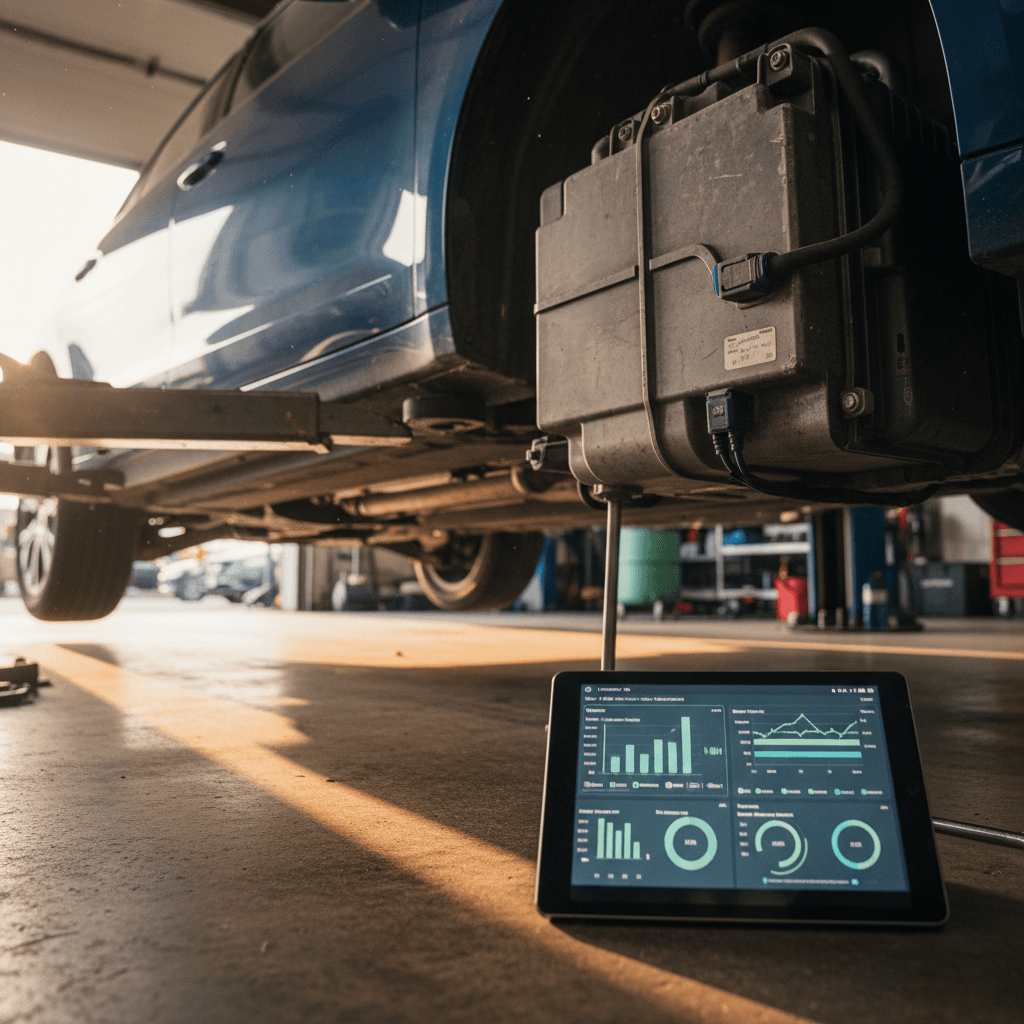
With gas cars, you can tolerate a little mechanical mystery. With an EV, the high‑voltage battery is the car. A low price on a tired battery pack isn’t a bargain; it’s a slow‑motion invoice.
- A modern EV pack is designed to last hundreds of thousands of miles, but abuse, fast‑charging only, extreme heat, chronic 100% charging, can accelerate degradation.
- Two identical EVs, same year and mileage, can have very different real‑world range because of how they were used.
- Replacing a traction battery is still one of the most expensive repairs in the automotive universe. You do not want to be the one funding that retrofit.
Minimum battery checks before you call it a deal
1. Get a real state‑of‑health reading
Ask for an independent or dealer‑grade battery health report, not just a photo of the dash. At Recharged, this is built into the Recharged Score so you don’t have to guess.
2. Compare health to similar cars
A little degradation is normal. What you want to avoid is a car that’s an outlier, say, 10–15 percentage points worse than its peers at the same age and mileage.
3. Ask how the car was charged
Lots of DC fast‑charging is a yellow flag, especially in hot climates. A life spent mostly on Level 2 at home is the battery equivalent of clean living.
4. Understand warranty coverage
Most OEMs offer separate battery warranties, often around 8 years and a defined mileage. Know how much runway is left and what’s actually covered.
Don’t fear mileage by itself
Financing and lease deals on EVs
When federal tax credits were live, many automakers funneled the value into leases, creating some frankly silly cheap EV lease deals. With those credits gone for new acquisitions, the game changes, but you can still use financing to sharpen an EV car deal.
How to use financing to your advantage
Don’t just accept whatever the F&I manager slides across the desk.
Chase rate specials
Separate price from payment
Know your approval power
How Recharged can help on financing
Negotiating on a used EV in 2025
Negotiating for an EV isn’t that different from haggling over a gasoline crossover. The difference is what you choose to argue about. With EVs, you have more leverage around battery data, software history, and the tidal wave of similar vehicles sitting quietly within a 200‑mile radius.
High‑leverage plays when chasing EV car deals
Use nationwide comps, not just local
If similar EVs are thousands cheaper in neighboring regions, bring that data. Online marketplaces like Recharged give you instant comparables you can reference in real time.
Lean on battery transparency
If a seller can’t or won’t provide credible battery health information, that’s either a negotiation lever, or your cue to walk.
Highlight time on lot
EVs that have sat for months cost dealers real money in floorplan interest. An aging listing is usually more negotiable than a fresh one.
Trade with intent
If you’re trading out of a gas car into an EV, know the fair value of your trade before you walk in. Otherwise, they’ll “discount” the EV while quietly underpaying you on the trade.
Beware the software question
Quick checklist before you sign anything
EV car deals checklist by buyer type
Budget‑focused buyer
Set a hard out‑the‑door price cap, not just a monthly payment target.
Shop 3–5‑year‑old EVs with strong battery health; avoid rare trims with expensive parts.
Prioritize total cost of ownership: insurance, charging, and maintenance, not just sticker.
Range‑anxiety skeptic
Look for EVs whose real‑world range is at least 2x your typical daily driving needs.
Favor models with robust fast‑charging networks you actually have access to on your routes.
Factor in cold‑weather performance if you live in a four‑season climate.
Rideshare & gig drivers
Focus on efficiency and durability over luxury features.
Run the math on fueling: electricity vs gas, charging time vs paid hours.
Check for extra incentives from platforms like Uber or Lyft that effectively sweeten the deal.
First‑time EV owners
Budget for home charging upgrades if needed, panel work can eat into your deal savings.
Test‑drive a few different EVs to understand seating position, visibility, and one‑pedal driving feel.
Buy from a seller who can walk you through charging, software, and daily use, not just hand you the keys.
EV car deals FAQ
Frequently asked questions about EV car deals
Bottom line: what makes an EV car deal “good”?
In 2025, the best EV car deals aren’t about one magic rebate or a splashy headline payment. They’re about stacking several smaller advantages: a soft spot in used prices, a state rebate that still has money in the tank, a fair interest rate, and, above all, an EV with a healthy battery and clean history.
If you assemble those pieces with a bit of discipline, comparing nationwide prices, insisting on battery data, separating price from payment, you can land an electric car that’s cheaper to own, better to drive, and easier on your conscience than the gas alternative. Recharged exists to make that puzzle easier: verified battery health, transparent pricing, expert EV support, and financing in one place. However you choose to shop, remember the cardinal rule of modern EV buying: the best deal isn’t the biggest discount, it’s the car that will quietly do its job for years without surprising you, or your wallet.