If there’s one topic that keeps a lot of would‑be EV buyers on the fence, it’s EV battery replacement. You’ve probably heard numbers tossed around from a few thousand dollars to "more than the car is worth." The reality in 2025 is more nuanced, and much calmer, than the horror stories.
Quick Reality Check
Why EV Battery Replacement Sounds Scarier Than It Is
Sticker shock is real. Modern EV packs account for roughly 20–30% of a new EV’s price, so when people imagine paying for that component out of pocket, it can feel like a financial cliff. Add a few viral social posts about five‑figure replacements, and it’s easy to assume every EV is a ticking time bomb.
Why people worry
- They assume EV batteries behave like phone or laptop batteries.
- They’ve heard about rare, high‑dollar replacement quotes.
- They’re unsure how warranties work or what’s covered.
- They’re thinking about buying a used EV without hard data on battery health.
What the data actually shows
- Most modern EV packs are engineered for 100,000–200,000+ miles of service.
- Degradation is typically roughly a couple percent per year, not 30% overnight.
- Federal rules require at least 8 years/100,000 miles of battery warranty coverage.
- Independent studies find only a small percentage of packs have ever been replaced due to age.
Mindset Shift
How Long Do EV Batteries Really Last?
Forecasting EV battery life used to involve a lot of hand‑waving; now we have real‑world data. The National Renewable Energy Laboratory and large fleet studies suggest many modern EV packs can last on the order of 12–15 years in moderate climates, often outliving the first owner and sometimes the vehicle itself.
EV Battery Longevity at a Glance
- Most EVs still on the road today are running their original battery packs.
- Degradation usually shows up as modest range loss over many years, not a sudden breakdown.
- Automakers often limit usable capacity and manage charging to extend pack life.
Climate Caveat
EV Battery Replacement Cost in 2025
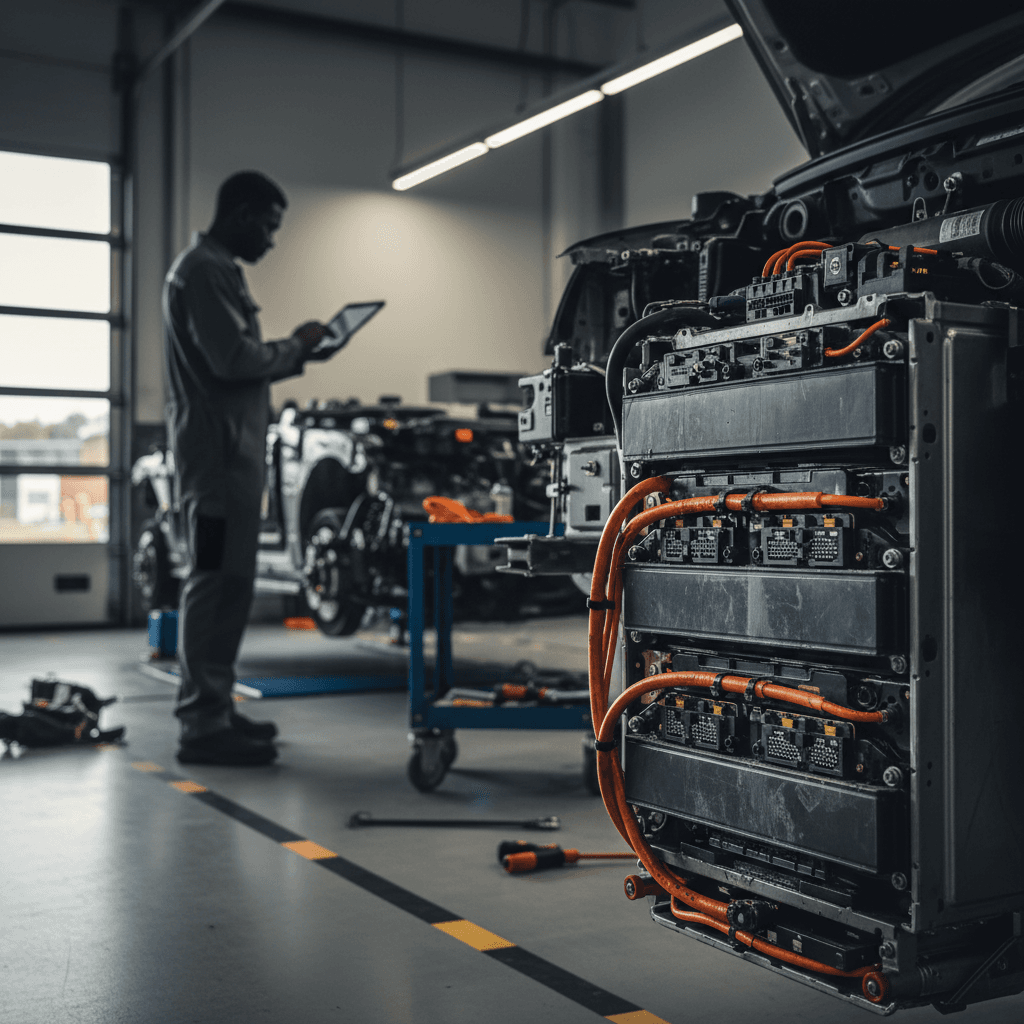
Let’s get to the number everyone wants. In 2025, EV battery replacement is usually a five‑figure conversation, but real‑world data shows a wide spread depending on vehicle type, pack size, and whether you use an OEM new pack or a refurbished unit.
Typical EV Battery Replacement Costs (2025)
Approximate out‑of‑warranty pricing for the battery pack itself, plus typical labor, based on 2024–2025 service quotes and industry reporting. Actual costs vary by market and shop.
| Vehicle Category / Example | Pack Size (kWh) | Battery Pack Cost | Typical Labor | Estimated Total |
|---|---|---|---|---|
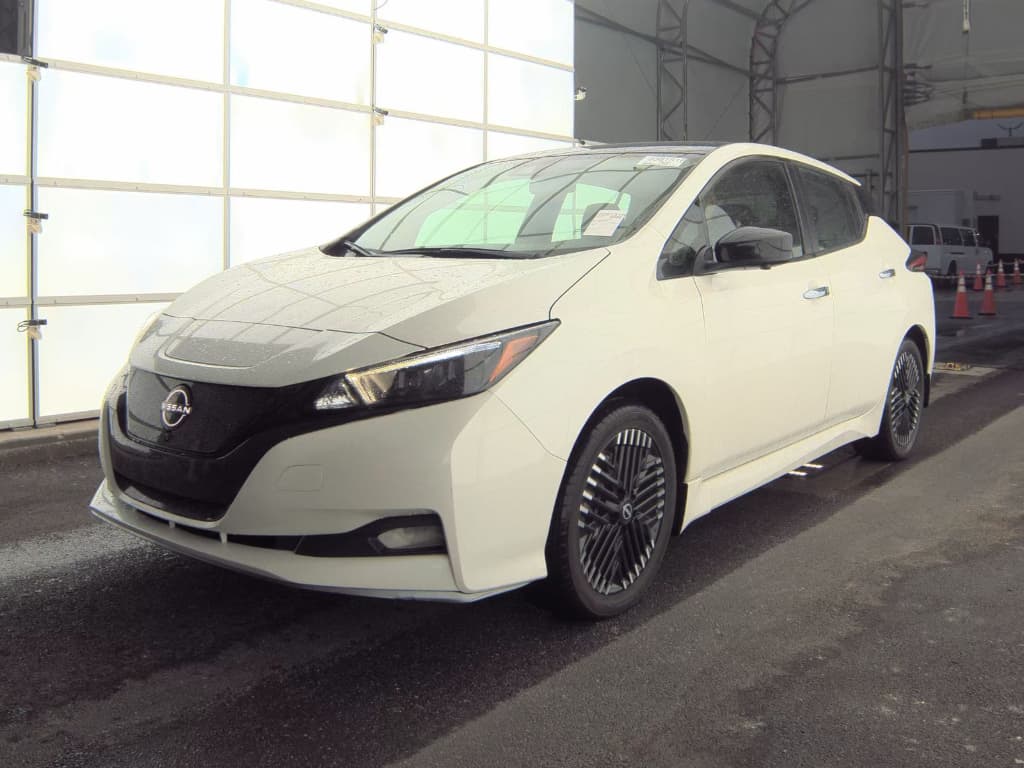
| Compact EV (Nissan Leaf, Mini Cooper SE) | 30–62 | $4,000–$15,000 | $1,000–$2,000 | $5,000–$17,000 |
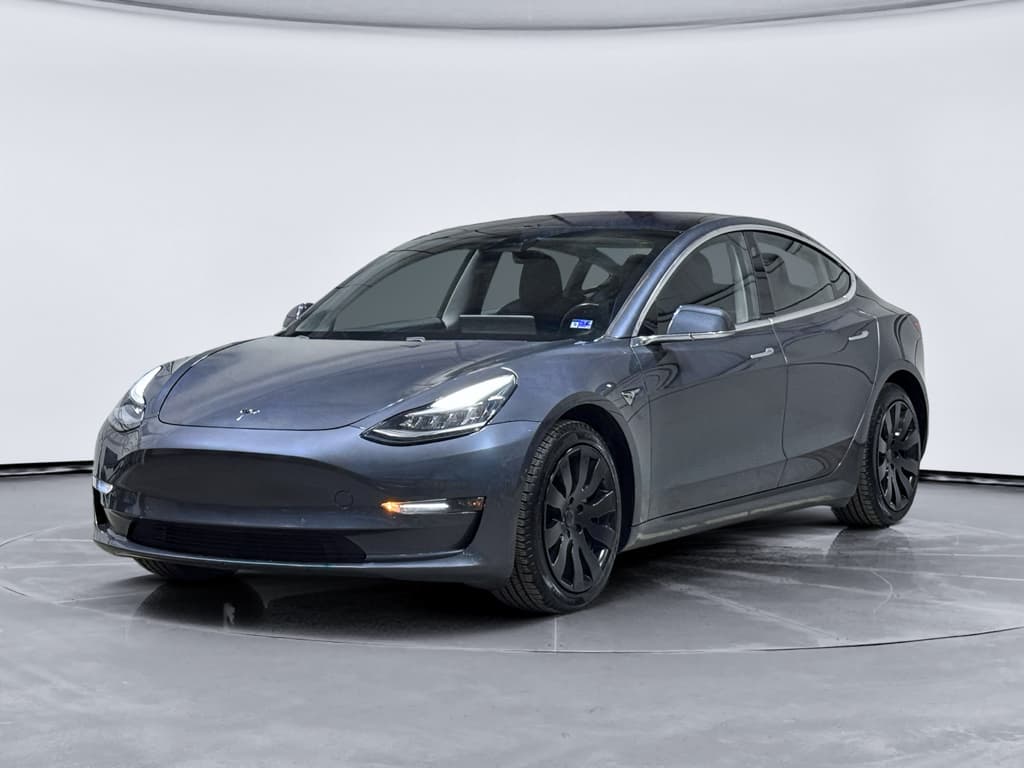
| Mid‑size EV (Tesla Model 3, Hyundai Ioniq 5) | 60–80 | $8,000–$15,000 | $1,500–$3,000 | $9,500–$18,000 |
| Luxury / Long‑Range (Tesla Model S, BMW iX) | 90–120+ | $12,000–$20,000+ | $2,000–$3,000 | $14,000–$23,000+ |
| Electric Trucks (F‑150 Lightning, Rivian R1T) | 120–130+ | $15,000–$25,000+ | $2,000–$3,500 | $17,000–$28,500+ |
These are ballpark ranges, not quotes. Always get a written estimate for your specific VIN.
Why the Wide Range?
How Often Do EV Batteries Actually Get Replaced?
Here’s the part most people never hear: across tens of thousands of vehicles tracked by independent battery analytics firms, only a tiny slice has ever needed a replacement due to age‑related degradation rather than a recall or accident damage. In many datasets, that figure hovers in the low single digits.
When EV Batteries Get Replaced
It’s much rarer, and more predictable, than you might think.
Under Warranty
If a pack fails early or drops below the manufacturer’s guaranteed capacity within the warranty period, it’s typically replaced or repaired at no cost to you.
After Heavy Use
High‑mileage taxis, rideshare vehicles, and fleet cars that fast‑charge constantly may wear out packs earlier and see replacements during a second or third owner’s tenure.
Accident or Flood Damage
Total‑loss collisions and severe water damage can force a pack replacement, even if the cells themselves were healthy before the incident.
Good News for Used‑EV Shoppers
Warranty Coverage: What’s Covered, What’s Not
In the United States, federal rules require automakers to cover EV and hybrid batteries for at least 8 years or 100,000 miles. Many brands go beyond that with longer mileage caps, capacity guarantees, or both.
Sample EV Battery Warranty Coverage (2025 Model Years)
Representative warranty terms for popular EV brands sold in the U.S. Always verify coverage for your specific model year and state.
| Brand / Model | Duration | Mileage Limit | Capacity Guarantee* | Notes |
|---|---|---|---|---|
| Tesla Model 3 / Y | 8 years | 100,000–120,000 miles | 70% | Higher mileage on long‑range variants. |
| Nissan Leaf | 8 years | 100,000 miles | 70% | Includes capacity bars on instrument cluster. |
| Hyundai Ioniq 5 / Kona Electric | 10 years | 100,000 miles | 70% | Often marketed as "lifetime" battery confidence in some regions. |
| Ford Mustang Mach‑E | 8 years | 100,000 miles | 70% | Covers pack and related high‑voltage components. |
| Rivian R1T / R1S | 8 years | up to 175,000 miles | 70% | High mileage cap aimed at adventure and work use. |
Some states, like California and fellow CARB states, layer additional requirements on top of federal rules.
Warranty Fine Print
Signs Your EV Battery Might Need Attention
Most EV batteries don’t suddenly "die"; they slowly lose usable capacity. What you feel is reduced driving range and, in some cases, slower fast‑charging performance. The trick is distinguishing normal aging from a problem worth investigating.
DIY Battery Health Check
1. Compare Today’s Range to When New
Use your EV’s original EPA range or your own early ownership notes as a baseline. Modest loss, say, a few percent over several years, is normal.
2. Watch for Sudden Range Drops
A rapid loss of 10–20% range over a short period (without a clear cause like weather) can signal a module issue or a software problem worth checking.
3. Monitor Dash Warnings
Pay attention to battery or high‑voltage system alerts. Even intermittent warnings should be scanned with a professional diagnostic tool.
4. Note Charging Behavior Changes
If DC fast charges suddenly plateau at very low power or your car refuses fast‑charging altogether, the pack may be protecting itself from a fault or excessive heat.
5. Track Cell Temperature
Some EVs display pack temperature or provide it via apps. Frequent operation at very high temperatures can accelerate degradation.
6. Pull a Formal Battery Report
For peace of mind, especially before purchase or sale, have a professional battery health report done so you’re not guessing from the gauge alone.
Replace the Battery or Sell the Car?
At some point, a high‑mileage EV with a tired pack forces a decision: do you invest in EV battery replacement, or is it time to move on? The right answer depends on the car’s value, your range needs, and how long you plan to keep it.
When Replacement Can Make Sense
- The car is in excellent overall condition (body, interior, suspension).
- You like the vehicle and plan to keep it another 5–8 years.
- A refurbished or third‑party pack is available at a significant discount.
- The vehicle’s market value plus replacement cost is still less than buying a comparable newer EV.
When Selling Is the Better Call
- The pack quote is close to or above the car’s market value.
- You’re already shopping for something newer, larger, or with more range.
- The vehicle has other big needs, like bodywork or high‑dollar suspension repairs.
- Your range needs have grown (longer commute, more road trips) and a newer EV fits better.
Run the Math Like a Business Decision
Used EVs & Battery Health: What to Check Before You Buy
If you’re eyeing a used EV, you’re right to think about future EV battery replacement risk. The way to de‑risk that purchase isn’t guessing, it’s data. You want to know how the previous owner drove, charged, and cared for the vehicle, and what the pack’s actual health looks like today.
Pre‑Purchase EV Battery Due Diligence
1. Verify Remaining Battery Warranty
Ask for the in‑service date and mileage, and confirm how much of the 8–10‑year battery warranty is left based on model and state.
2. Review Charging History
If possible, look at how often the car was DC fast‑charged vs. AC charged at home. Heavy, constant fast‑charging can accelerate wear.
3. Compare Odometer to Range
High miles with healthy range is a good sign; very low miles with big capacity loss can signal calendar and storage issues.
4. Get a Professional Battery Health Report
A third‑party or dealer‑level scan can reveal state of health (SoH), weak modules, and error codes you can’t see on the dash.
5. Test in Your Real‑World Drive Cycle
Take a longer test drive that mirrors your commute or highway usage to see how quickly the percentage drops in practice.
6. Use Transparent Market Pricing
Compare what you’re paying to similar used EVs with known battery health data, not just mileage and trim level.
How Recharged Takes the Guesswork Out of Battery Health
This is exactly where a platform built around EVs, not gas cars, changes the experience. At Recharged, every vehicle comes with a Recharged Score Report that includes verified battery health, so you’re not buying blind or relying on generic assurances.
What You Get with a Recharged EV
Battery‑first transparency, from first click to delivery.
Verified Battery Diagnostics
Each EV undergoes specialized battery testing so you see an objective state‑of‑health score, not just mileage and a guess.
Fair Market Pricing
Pricing is aligned with actual battery condition, remaining warranty, and real‑world range, not just book values.
EV‑Specialist Support
Recharged’s EV‑focused team helps you understand what the battery data means and whether a given car fits your needs.
Ready to find your next EV?
Browse VehiclesIf you decide later that your current EV no longer fits, because of range, family size, or anything else, Recharged can help you trade in or get an instant offer, or even sell on consignment. That way, you’re not stuck trying to market a high‑mileage EV on your own while fielding endless questions about the battery.
From Research to Keys, All Digital
FAQ: EV Battery Replacement Questions Answered
Frequently Asked Questions About EV Battery Replacement
The Bottom Line on EV Battery Replacement
EV battery replacement looms large in a lot of people’s minds, but in practice it’s a rare event, especially within the generous warranty windows built into modern electric cars. The packs are expensive, yes, but they’re engineered to last, and real‑world data from fleets and long‑term owners shows most batteries quietly doing their job year after year.
If you’re considering an EV today, new or used, don’t let worst‑case anecdotes overshadow the bigger picture. Focus on battery health data, warranty coverage, and how the car’s real‑world range fits your life. And if you’d rather not guess, shopping through a battery‑first marketplace like Recharged gives you verified diagnostics, fair pricing, and EV‑savvy support from your first question to final delivery.