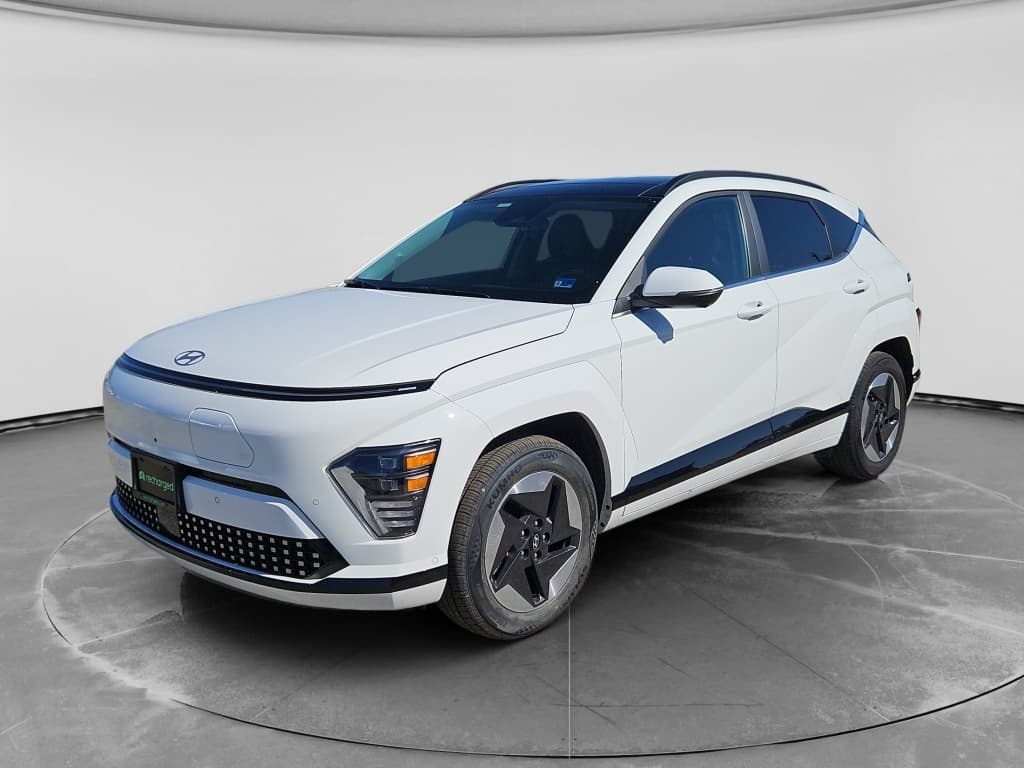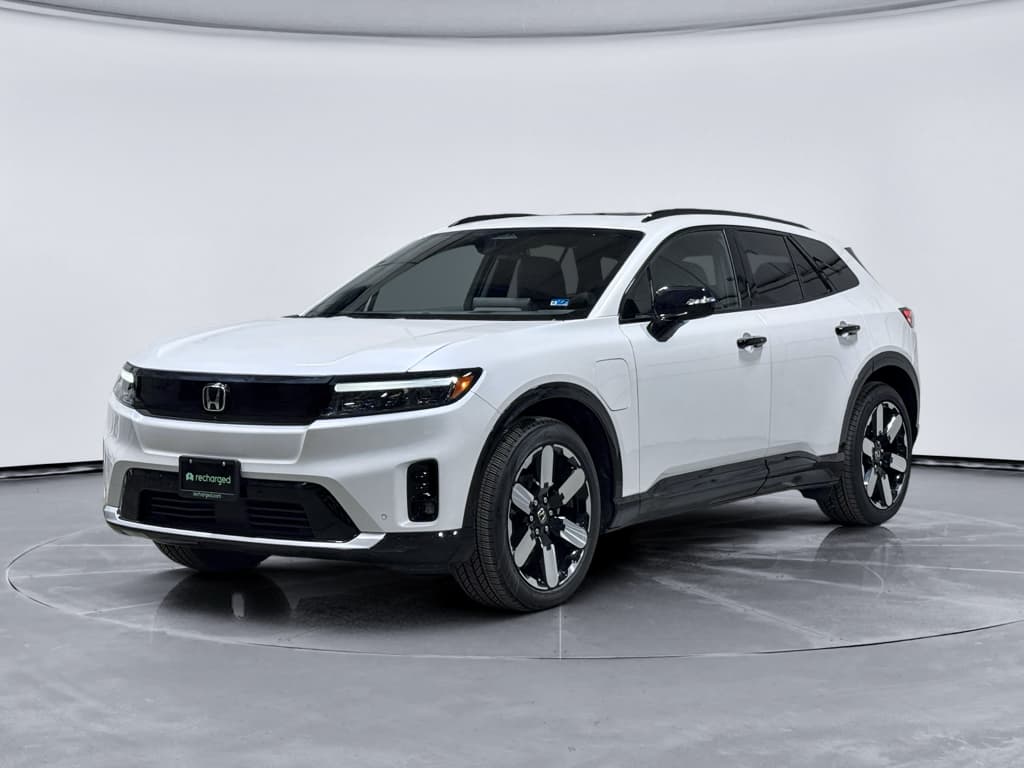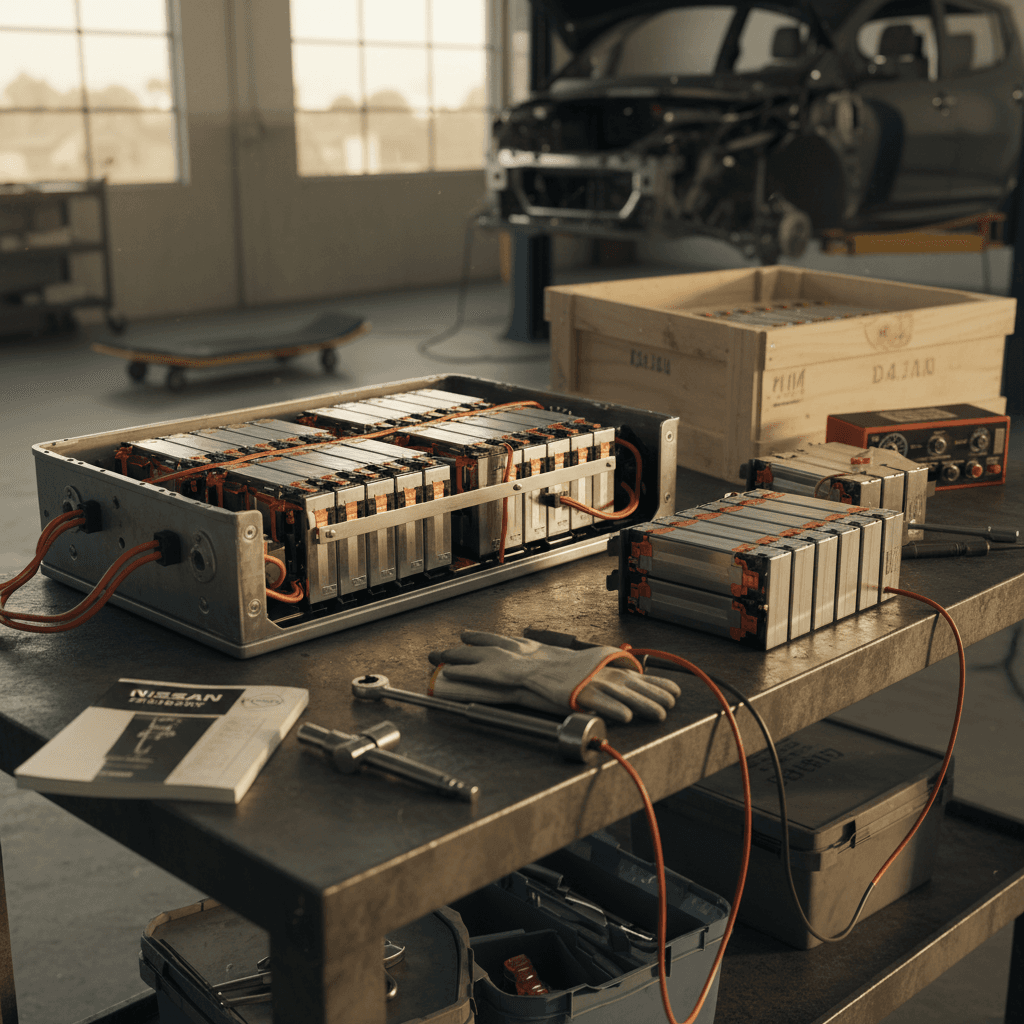
If you’re Googling “EV battery for sale”, you’re probably staring down a scary service quote or wondering if you can revive an aging electric car on the cheap. The twist in 2025 is that a modern EV battery pack isn’t like swapping a 12‑volt in a gas car, it’s more like replacing the entire engine, fuel tank, and transmission in one go. The stakes, and the bill, are high.
Big picture
Why people are searching “EV battery for sale”
There are three main reasons drivers start looking for an EV battery for sale:
- Their current EV has lost range and is out of warranty, so a dealer quote for a new pack feels like a gut punch.
- They’ve found a cheap EV with a bad or unknown battery and wonder if a separate pack will turn it into a bargain.
- They’re DIY‑minded and curious about building energy storage or a project car from salvage‑yard battery modules.
Each of those situations leads to very different decisions. Replacing the main traction battery in a daily‑driver EV is a high‑stakes repair. Repurposing modules for a home battery or off‑grid project is almost a different industry. And in between, there’s a growing second‑hand market for whole used EVs, which is where Recharged lives.
What an EV battery really costs in 2025
Reality check: EV battery replacement costs
Behind the scenes, battery costs have dropped at the cell level, but when you buy an entire pack, case, cooling, electronics, and labor to install it, the numbers climb fast. For popular models like the Tesla Model 3 and Model Y, real‑world invoices in 2025 often land in the $12,000–$16,000 range when you’re out of warranty. Larger packs in vehicles like Model S and Model X, or other long‑range luxury EVs, routinely run in the high teens to mid‑twenties, installed.
Beware of “too cheap to be real” packs
The three very different “EV batteries for sale”
Scroll any marketplace and you’ll see wildly different things all billed as an “EV battery for sale.” To make sense of it, sort listings into three buckets:
Not all “EV batteries for sale” are created equal
Understand what you’re actually looking at before you spend a dollar.
1. OEM replacement packs
These are new or factory‑refurbished packs sold through dealerships or specialist shops.
- Designed as direct replacements
- Usually come with some warranty
- Priced like a major engine swap
2. Salvage / used packs
Packs pulled from wrecked or high‑mileage cars, often sold via salvage yards or online.
- Condition varies wildly
- Limited documentation
- Compatibility and safety are on you
3. Second‑life modules
Individual modules or cells from older EV packs, repurposed for energy storage.
- Great for stationary projects
- Not ideal for returning a modern EV to daily duty
- Sold by kWh or module
Bucket #1 is what you need if your goal is to restore a daily‑driven EV to full health. Buckets #2 and #3 are where DIYers and off‑grid enthusiasts play. The danger is treating them as interchangeable.
Risks of buying a used EV battery pack
A used traction battery with no paperwork is like a heart transplant from a stranger in a parking lot. Technically, it might work. Practically, the odds and the liability are stacked against you. Here’s what you’re gambling with:
Major risks when you see a used EV battery for sale
Unknown degradation
You can’t eyeball state of health. A pack at 60% of original capacity may still power the car, but your real‑world range and fast‑charging performance will be dramatically worse.
Thermal and crash damage
A pack from a collision car can have internal damage even if the case looks okay. Damaged cells and bus bars can create hotspots, shorts, or future failures.
Software and BMS issues
Modern EVs rely on tight integration between the pack, the BMS, and the car’s firmware. Swap in the wrong hardware or software version and you can trigger persistent errors or limited performance modes.
High‑voltage safety
These packs live in the 300–800 volt neighborhood. Mishandling them is not a skinned‑knuckle problem; it’s a serious shock, arc‑flash, or fire hazard if you don’t have the right training and gear.
No meaningful warranty
Most used packs are sold “as‑is.” If it fails in six months, you’re back where you started, only poorer and possibly without recourse.
Resale and insurance complications
A car with a mystery pack is harder to value and insure. Buyers will demand a discount, and some insurers will be wary without documentation.
Safety first
Second‑life batteries vs. driving range: don’t confuse the two
Second‑life packs make great stationary storage
Companies are already taking old EV packs and turning them into commercial and grid‑scale storage. A pack that’s only good for 50–70% of its original capacity can still be perfect for storing solar energy or smoothing grid demand. It doesn’t care about weight or size, and it never faces highway‑speed heat loads.
But they don’t magically restore an aging EV
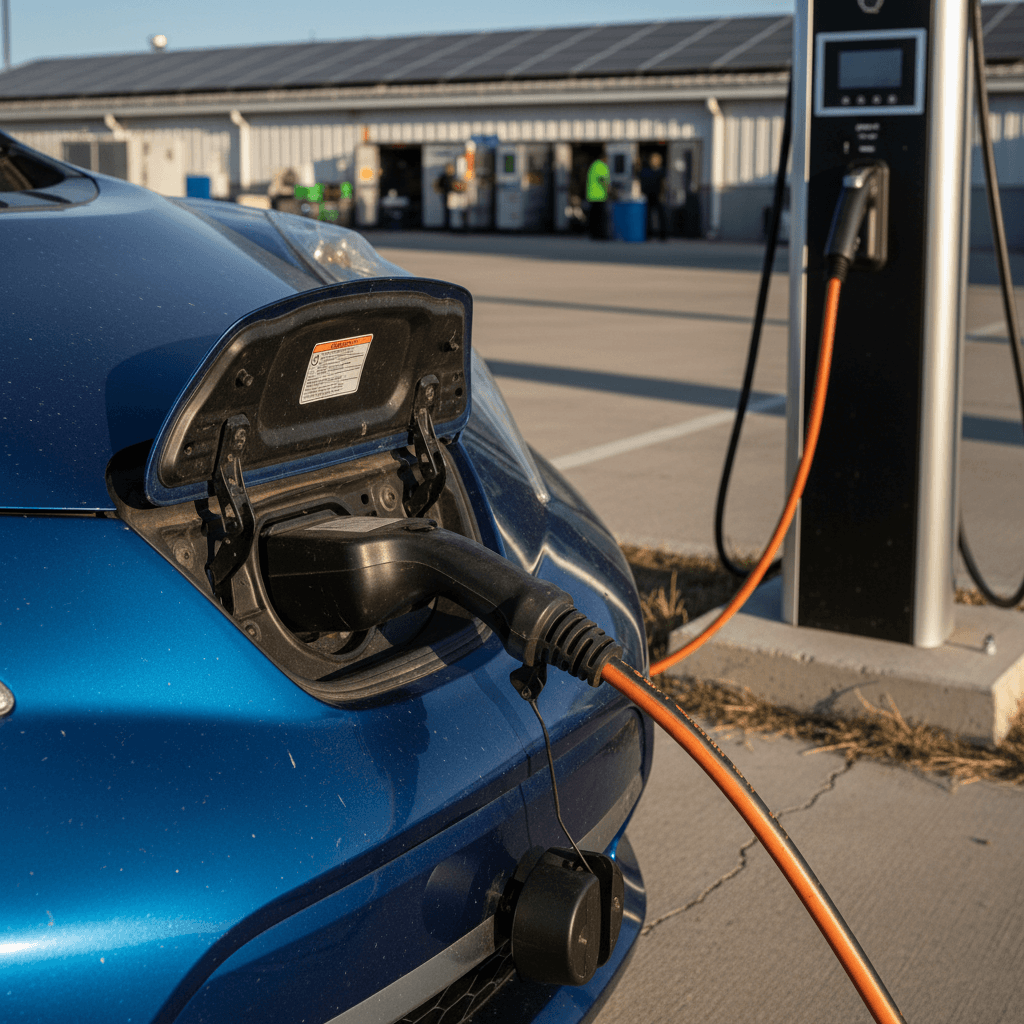
That same “good enough for the grid” pack may leave your car with disappointing range and slow fast‑charging. If you’re commuting or road‑tripping, dropping thousands of dollars on a half‑tired pack is often worse than putting that money toward a healthier used EV.
A better mental model
When a battery replacement actually makes sense
There are definitely situations where paying for a traction‑battery replacement is rational. But they’re narrower than many owners expect. Replacement starts to make sense when:
- Your EV is relatively young, desirable, and structurally sound, no rust, no major crash history, solid interior and electronics.
- The replacement pack is OEM new or factory‑refurbished, with a real warranty and documentation.
- You plan to keep the car for years, so you’ll actually enjoy the benefit of a fresh pack instead of immediately reselling at a loss.
- The all‑in cost of the battery job is less than the premium you’d pay to buy an equivalent used EV with a good pack.
Green light scenario
Why a whole used EV often beats buying a battery
Here’s the uncomfortable arithmetic: once you’re past warranty, the battery alone on many EVs is worth most of the value of the entire car. That’s why a bare “EV battery for sale” rarely pencils out for a private buyer. For the price of a single new pack, you can often buy a complete used EV with a healthy battery, and a fresh interior, suspension, infotainment, and warranty support to go with it.
Option A: Buy a bare pack
- Pay $12,000–$18,000+ for a replacement pack and labor.
- Keep your existing car, with all its other wear and tear.
- Hope resale value improves enough to justify the outlay.
Option B: Buy a verified used EV
- Put that same money into a whole car with a known‑good battery.
- Get a newer interior, updated tech, and often better safety features.
- With Recharged, receive a Recharged Score report with verified battery health and fair‑market pricing.
Where Recharged fits in
How to check battery health before you buy
Whether you’re considering a pack swap or a complete used EV, battery health is the whole ballgame. Here’s how to approach it like a pro:
Battery‑health checklist for shoppers
1. Look beyond the dash estimate
The in‑car range estimate is just that, an estimate. It can be influenced by recent driving patterns, temperature, and software updates. Don’t treat it as a precise report card.
2. Ask for capacity and SOH data
Serious sellers should be able to provide state‑of‑health (SOH) data or a recent diagnostic report. On Recharged, this is baked into the <strong>Recharged Score</strong> so you can compare cars apples‑to‑apples.
3. Review fast‑charging behavior
A pack that throttles quickly on DC fast chargers or struggles to reach high charge rates may be hiding degradation or thermal issues. Road‑test and charge‑test when you can.
4. Study usage history
High‑mileage highway use is often easier on packs than short‑trip, fast‑charge‑heavy city life. Ask how the car was used and charged: mostly Level 2 at home, or rapid‑charge every day?
5. Inspect for flood or crash history
Flood‑damaged or poorly repaired collision cars are red flags. Water ingress and substandard repairs can shorten pack life or create safety hazards long after the accident.
6. Use expert help
If you’re not fluent in kilowatts and kilowatt‑hours, bring in an EV‑savvy inspector, or lean on platforms like <a href="/">Recharged</a>, where EV specialists have already done the homework.
FAQ: EV batteries for sale
Frequently asked questions about EV batteries for sale
Key takeaways: what you should do next
- A modern EV traction battery is a five‑figure component; treating it like a $200 12‑volt is a fast way to get burned.
- Most private buyers are better off buying a complete used EV with a healthy pack than chasing a bare “EV battery for sale.”
- Second‑life batteries are fantastic for stationary storage, but they’re not a magic, cheap range upgrade for a tired commuter car.
- Battery diagnostics and documentation matter more than odometer readings; always ask for real battery‑health data.
- If you want a simpler path, shop used EVs with a Recharged Score Report, financing support, and expert guidance instead of rolling the dice on anonymous hardware.
If your EV’s battery is fading, you’re not out of options, you just need to pick the right problem to solve. You can spend like a manufacturer and buy a new pack, you can experiment with second‑life hardware, or you can redirect that money into a well‑vetted used EV whose battery health is already known. Recharged was built around that last idea: making it easy to see the true state of an EV’s battery, line it up against fair‑market pricing, and get expert support all the way from search bar to driveway.