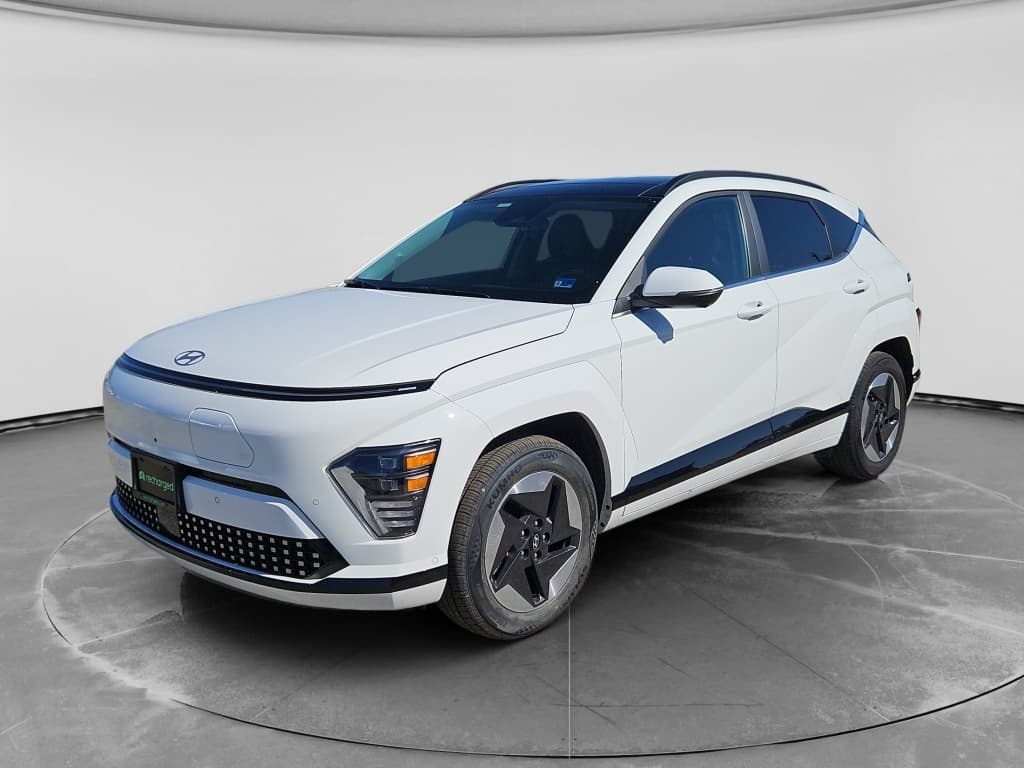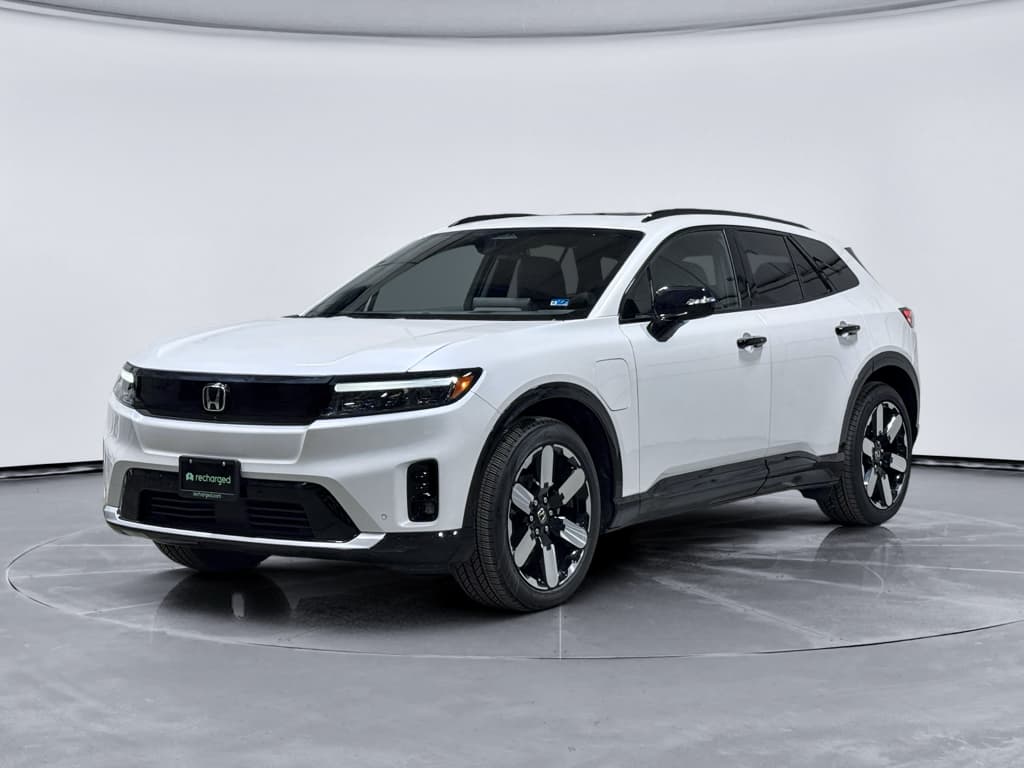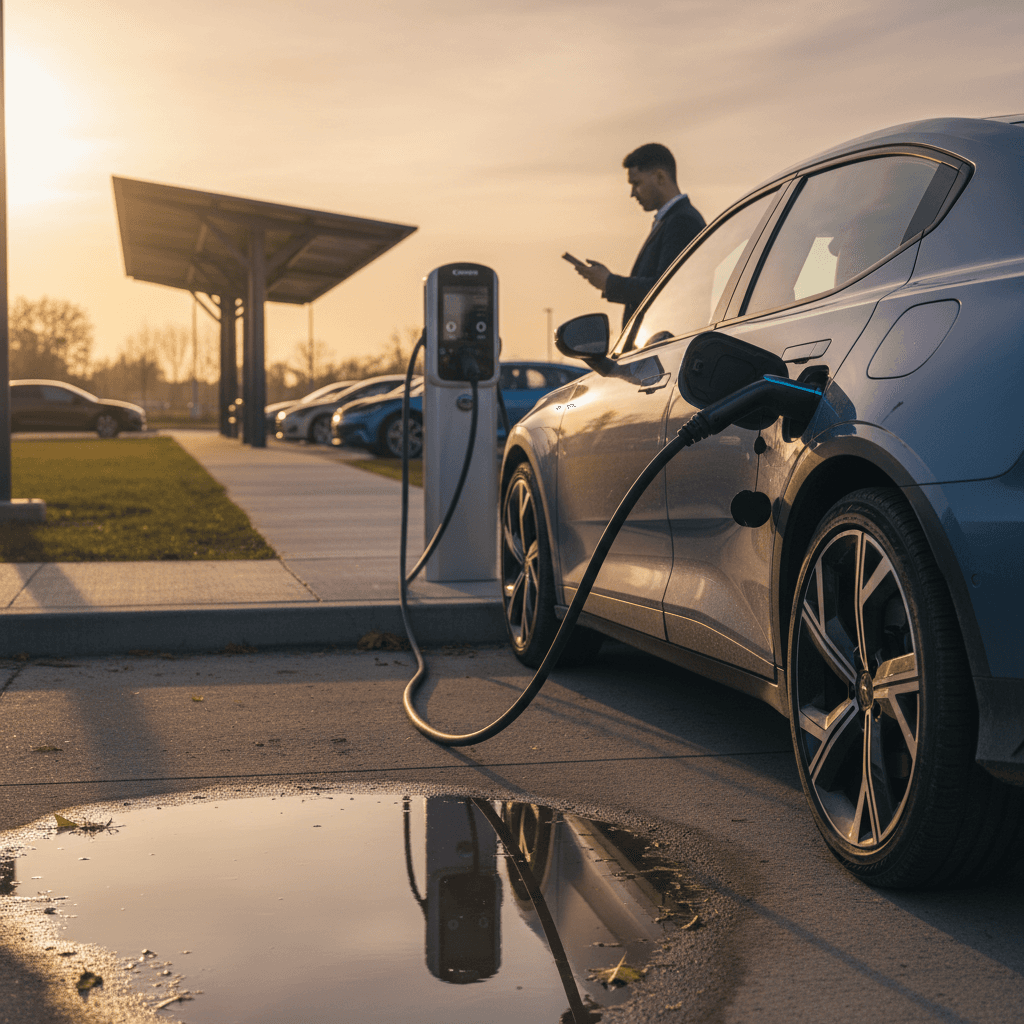
Search data shows more people typing "electricity automobile" when they really mean electric car or electric vehicle. No matter what you call it, the idea is the same: a car powered by electricity instead of gasoline. This guide breaks down how an electricity automobile works, what it costs to own, and how to shop for one, especially on the growing used-EV market.
Electricity automobile = electric car
What is an “electricity automobile”?
An electricity automobile is a passenger vehicle driven primarily or entirely by an electric motor that draws energy from a rechargeable battery pack. Instead of burning gasoline or diesel in an engine, it uses stored electrical energy to spin the wheels.
Three main types of electricity automobiles
Knowing which one you’re looking at matters for range, charging, and incentives.
Battery electric vehicle (BEV)
Runs only on electricity. No gas engine at all.
- Largest battery sizes
- DC fast charging capable
- Examples: Tesla Model 3/Y, Nissan Leaf, Hyundai Ioniq 5
Plug-in hybrid (PHEV)
Combines a small battery + gas engine.
- Electric range typically 20–60 miles
- Uses gas for longer trips
- Examples: Toyota RAV4 Prime, Chevy Volt (used)
Conventional hybrid (HEV)
Gas-powered but with small battery assist. Can’t plug it in.
- Improved fuel economy vs gas only
- No EV-only range on demand
- Examples: Toyota Prius (non-plug-in)
If you’re shopping used
How an electricity automobile actually uses electricity
Gasoline car energy path
- Energy comes from gasoline stored in a tank.
- The engine burns fuel, creating heat and exhaust.
- Only a fraction of that energy turns into motion; the rest is waste heat.
Result: You pay for fuel that mostly turns into heat, not movement.
Electricity automobile energy path
- Energy comes from electricity stored in a battery.
- The battery sends power through electronics to the motor.
- The motor converts most of that energy directly into motion.
Result: Less energy wasted, so you use fewer kilowatt-hours per mile than the equivalent amount of gasoline energy.
Why electricity wins on efficiency
For you, that efficiency shows up as lower fuel cost per mile. In many U.S. markets in 2025, driving an electricity automobile on home electricity works out to the equivalent of paying roughly $1–$1.50 per gallon of gas, depending on local rates and how efficiently you drive.
Inside the battery, motor, and electronics
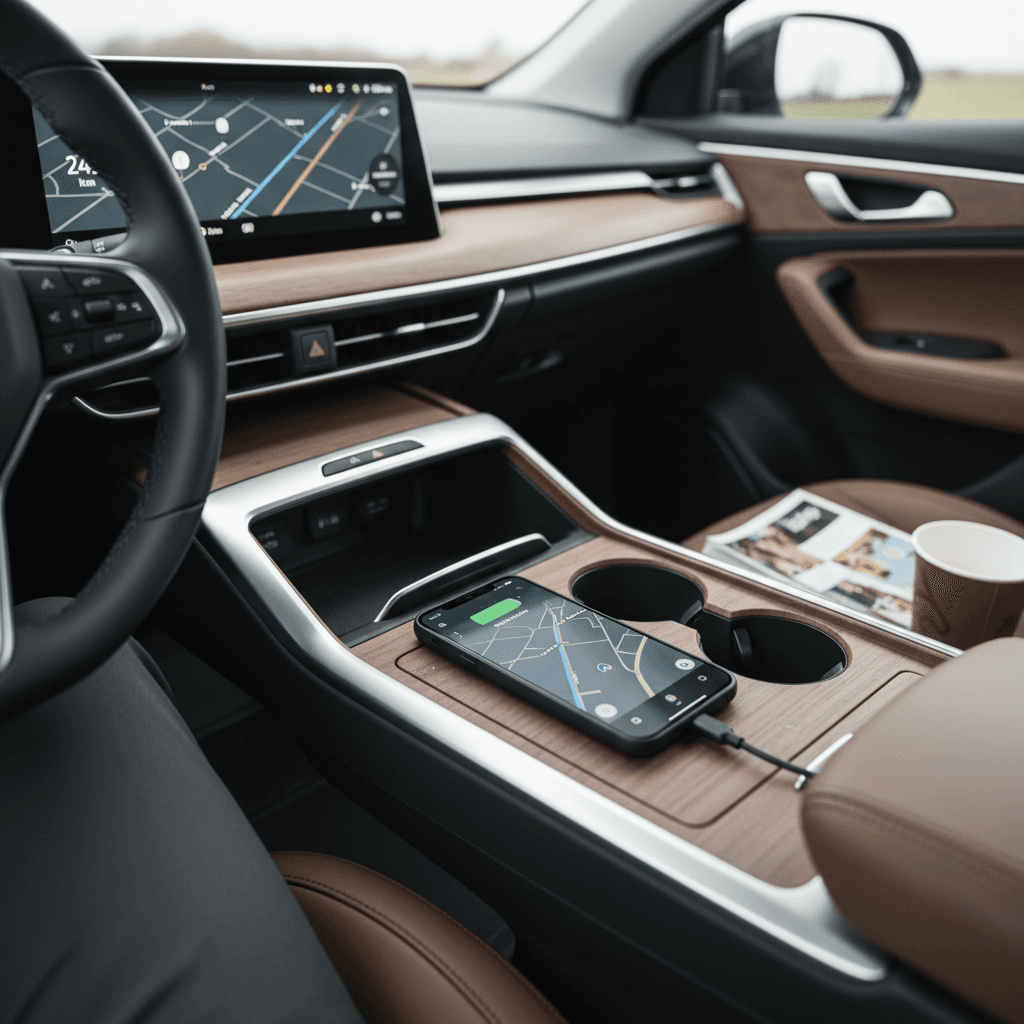
Under the skin, an electricity automobile replaces the engine and transmission with three core systems: a large battery pack, one or more electric motors, and power electronics that coordinate everything. Together, they deliver instant torque, quiet acceleration, and energy recovery when you slow down.
- Battery pack: Measured in kilowatt-hours (kWh). A 60 kWh pack can roughly store the energy equivalent of about 2 gallons of gasoline, but uses it far more efficiently.
- Electric motor: Delivers instant torque, which is why even modest EVs feel punchy around town.
- Inverter and power electronics: Convert DC energy from the battery into the AC power many motors use, and manage charging and regeneration.
- Onboard charger: Limits how fast the car can take AC power from a Level 1 or Level 2 charger.
- Thermal management: Keeps the battery in a safe temperature range to protect performance and long-term health.
Battery health matters in used EVs
Electricity automobile charging levels explained
When people hear "electricity automobile," they often worry most about charging. The basics are simpler than they look: three main levels define how fast a car can add miles of range.
Charging levels for electricity automobiles
How different charging levels compare for U.S. drivers in 2025.
| Charging level | Typical power | Where you’ll see it | Miles of range per hour* | Best use case |
|---|---|---|---|---|
| Level 1 | 1–1.9 kW (120V) | Standard household outlet | 2–5 miles/hr | Overnight top-ups for short daily commutes |
| Level 2 | 7–11 kW (240V) | Home wall unit, many public chargers | 20–40 miles/hr | Daily charging for most drivers; ideal for home |
| DC fast charging | 50–350 kW (high-voltage DC) | Highway corridors, some urban sites | ~100–200 miles in 20–40 minutes | Road trips and quick mid-day top-ups |
Exact charging speed depends on the car’s battery size, onboard charger, and conditions, but this table outlines typical experiences.
Most charging happens at home
Electricity automobile costs: purchase, fuel, and maintenance
Sticker prices for new electricity automobiles climbed in the early 2020s, then started to ease as battery costs fell and competition increased. At the same time, the end of the U.S. federal EV tax credit in October 2025 is reshaping demand and putting more pressure on automakers to cut prices outright instead of leaning on incentives.
Where electricity automobiles save you money
Upfront prices can be higher, but running costs often tilt in your favor, especially on the used market.
Fuel costs
Electricity ≈ cheap fuel.
- Home charging often beats $1.50/gal equivalent.
- Public fast charging costs more but is used less often.
- Price swings depend on time-of-use rates and your utility.
Maintenance
Fewer moving parts.
- No oil changes or spark plugs.
- Regenerative braking stretches brake life.
- Cooling systems and tires still need attention.
Total cost of ownership
Monthly payment + fuel + service.
- Used EV prices have softened as off-lease vehicles hit the market.
- Lower running costs can offset a slightly higher payment.
- Exact math depends on your driving and electricity prices.
Policy whiplash is real
Range, performance, and real-world driving
Modern electricity automobiles come with a wide spread of range figures. Many mainstream BEVs now advertise 230–320 miles of EPA-rated range, while some entry-level models sit closer to 150 miles and long-range versions creep past 350 miles. Real-world results vary with speed, weather, and driving style.
- City vs highway: EVs tend to be more efficient in city driving than at 75 mph on the interstate.
- Weather: Cold snaps and heat waves both affect range, especially when you’re heating or cooling the cabin aggressively.
- Battery age: A five-year-old EV may have 5–15% less usable capacity than when new, depending on chemistry and how it was charged.
- Driving style: Smooth acceleration and using Eco modes can add meaningful miles on the same battery.
Plan your first road trip with margin
Why used electricity automobiles are a smart 2025 play
The last few years produced a wave of new EVs, and many of those early leases are now returning to market. At the same time, policy changes and shifting consumer sentiment have cooled new-EV growth in North America compared with Europe and China. The result: a growing supply of used electricity automobiles at more approachable prices.
Signals from the 2024–2025 used-EV market
We’re moving from an era of EV scarcity to one of EV choice, especially in the used lanes. The challenge now is less ‘can I find an electric car?’ and more ‘which one fits my life and budget?’
How Recharged makes EV ownership simpler
If you’re exploring a used electricity automobile, the hardest part is often confidence: Is the battery healthy? Is the price fair? Am I missing a hidden issue because I haven’t owned an EV before? That’s the gap Recharged is built to fill.
What you get with a used EV from Recharged
Built around the realities of 2025’s EV market and battery tech.
Recharged Score battery health diagnostics
Every vehicle comes with a Recharged Score Report that includes verified battery health, so you can see how much capacity remains and how that compares with similar EVs.
Instead of guesswork based on the dash range estimate, you get data-driven insight into the pack’s condition.
Fair market pricing & flexible selling options
Recharged benchmarks each electricity automobile against live market data.
- Sellers can choose instant offer, trade-in, or consignment.
- Buyers see transparent pricing anchored to current market conditions.
- Financing and nationwide delivery help you shop beyond your ZIP code.
EV-specialist support, online and in-person
From range questions to charging setup, Recharged’s EV specialists explain things in plain language, not just dealer buzzwords.
You can shop fully online or visit the Recharged Experience Center in Richmond, VA for hands-on help.
Fully digital retail experience
Browse inventory, review the Recharged Score Report, line up financing, and arrange delivery from your couch.
That’s especially useful if your local dealers still treat electricity automobiles as a niche product.
Ready to find your next EV?
Browse VehiclesChecklist: buying a used electricity automobile
Key steps before you buy
1. Match range to your real driving
Look at your actual weekly mileage and longest regular trips. Many households find that 180–250 miles of real-world range is plenty when home charging is available.
2. Understand battery health
Ask for objective battery data, such as the Recharged Score, rather than relying only on the dashboard range figure. A few percentage points of loss are normal; big drops deserve closer scrutiny.
3. Confirm charging options at home
Check whether you can install a 240V outlet or wall charger where you park. If you rent, talk with your landlord or HOA. In a pinch, nightly Level 1 charging may still cover short commutes.
4. Test fast charging behavior
On a test drive, if possible, stop at a DC fast charger and watch actual charging speeds. Older models may taper earlier than you expect at higher states of charge.
5. Check software and connectivity
Make sure over-the-air updates, mobile app features, and driver-assistance systems still work as intended. Some older EVs rely on 3G/4G networks that are being phased out.
6. Compare total monthly cost
Add your payment, insurance, estimated electricity, and any subscription fees. Then compare that to your current gas vehicle. For many drivers, total monthly cost is similar, or lower, even if the EV payment is slightly higher.
Where Recharged fits in
Electricity automobile FAQ
Common questions about electricity automobiles
The bottom line for drivers in 2025
The phrase electricity automobile may sound unfamiliar, but the technology is no longer exotic. Electric cars have gone from niche experiments to millions of vehicles on the road, with a growing share now available on the used market. The core advantages, high efficiency, smooth performance, and lower fuel and maintenance costs, are baked into the hardware.
What’s changed in 2025 is the context: policy swings, shifting demand, and aggressive new-model pricing are creating both uncertainty and opportunity. If you focus on the fundamentals, your real driving needs, home charging options, and verified battery health, you can cut through the noise and find an electricity automobile that fits your life.
And if you’d rather not decode all of that alone, platforms like Recharged are emerging to do the heavy lifting: testing batteries, benchmarking prices, and guiding you from search to delivery. That’s what will carry the electricity automobile from early adopters to everyday drivers, one informed purchase at a time.