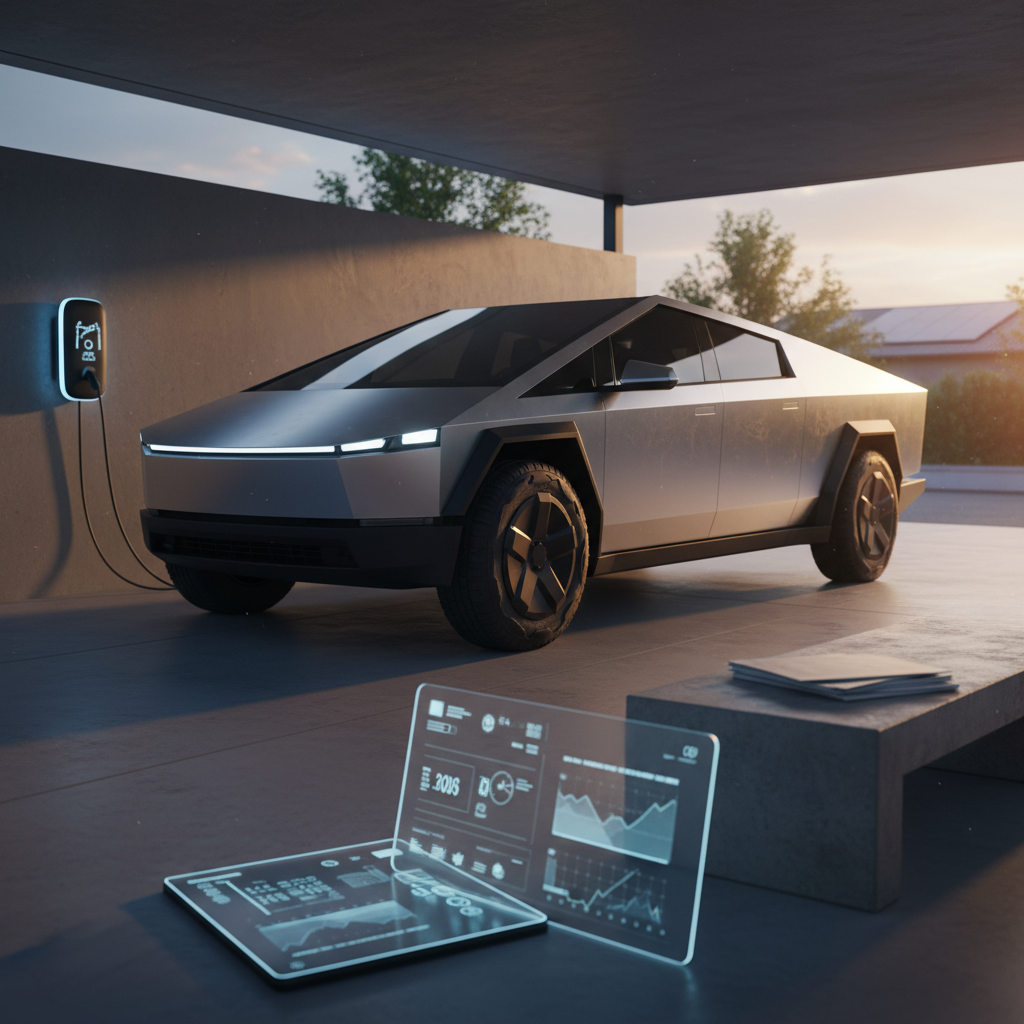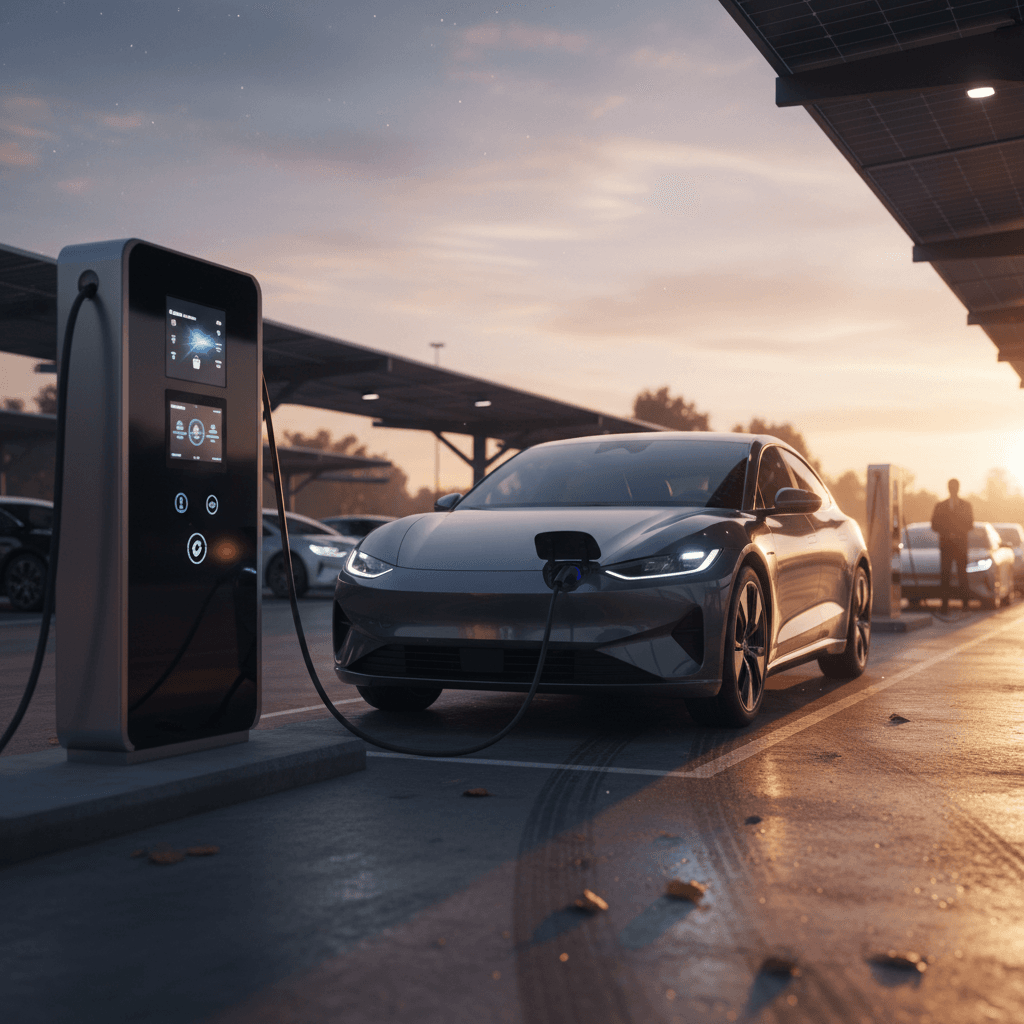
If you’ve been googling “electricalcar” at midnight, you’re not alone. Whether you typed it that way on purpose or just missed the space bar, you’re really asking one question: is an electric car actually a good fit for my life, my commute, my budget, my road trips, my kids’ schedules?
Quick terminology note
What people really mean by “electricalcar”
An electricalcar is a vehicle that runs on a large rechargeable battery and one or more electric motors instead of a gasoline engine. You plug it in, charge it up, and drive, no tailpipe, no oil changes, and a completely different feel from behind the wheel.
- Also called: electric car, EV, BEV (battery‑electric vehicle)
- Uses a high‑voltage battery pack instead of a fuel tank
- Refueled by plugging into a charger, not a gas pump
- Can charge at home, at work, or at public stations
- Produces zero tailpipe emissions while driving
If you’ve driven a modern smartphone down to 5% battery, you already understand the basic idea. The difference is scale: an electricalcar battery is big enough to push more than two tons of steel, glass, and people down the highway at 70 mph, quietly.
How an electricalcar actually works
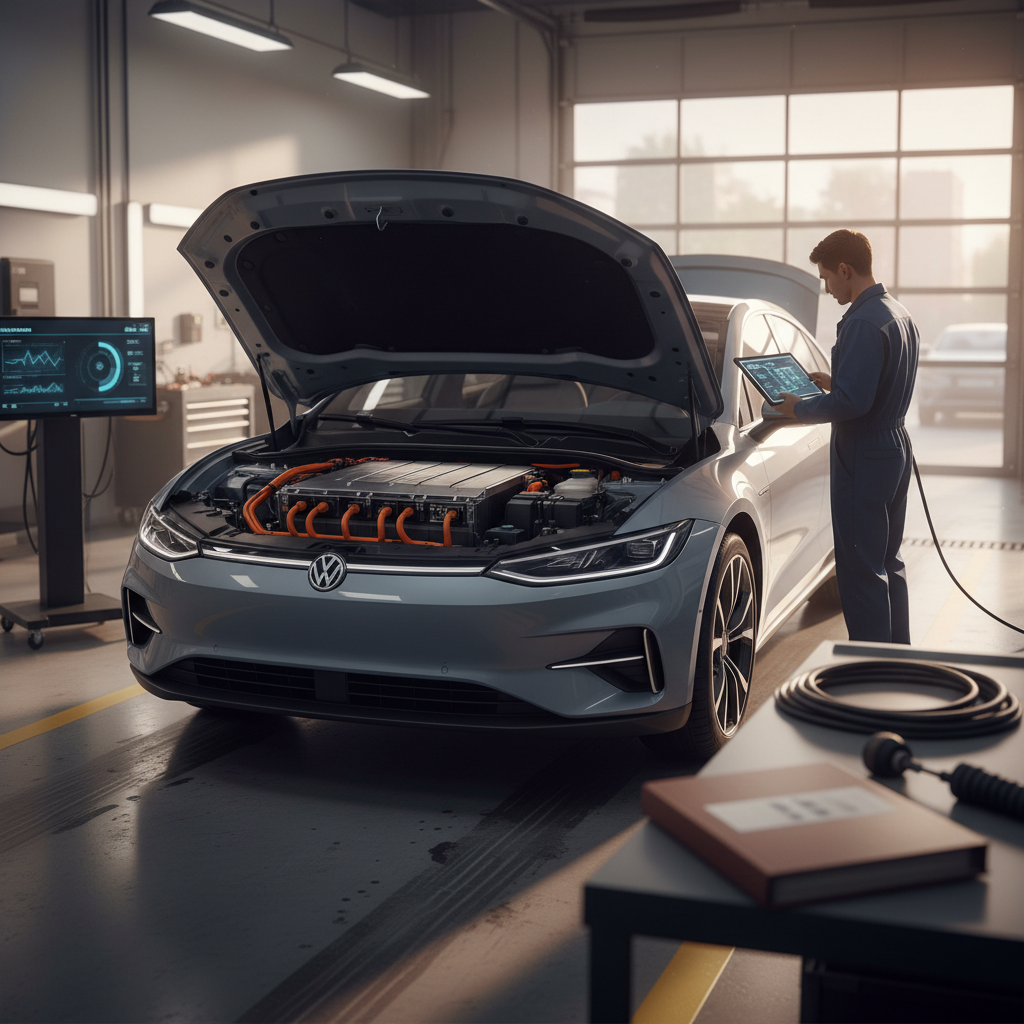
Under the skin of an electricalcar
Four components matter most when you’re shopping
High‑voltage battery
Electric motor
Onboard charger
Software & thermal management
The driving experience
If you’re used to a gas car, an electricalcar feels almost eerie the first time you pull away from a stop. There’s no engine noise, no shifting, and power arrives instantly when you press the pedal. Many EVs offer "one‑pedal" driving, where lifting your foot slows the car aggressively and feeds energy back into the battery.
The ownership experience
Day to day, owning an electricalcar is less about finding gas and more about managing charging. Instead of "empty to full" at a pump, you’re topping up whenever the car is parked, at home overnight, at work, or while you grab coffee. With the right setup, you rarely think about it at all.
Why electricalcars are growing so fast
Electricalcar market snapshot for 2025
Those numbers aren’t abstract; they change your shopping reality. More electricalcars on the road mean more models to choose from, more used EVs at approachable prices, better charging coverage, and a dealership network that’s slowly learning how to talk about something other than horsepower and leather packages.

Who benefits most right now?
Range: real‑world numbers, not brochure fantasy
Official EPA range numbers for electricalcars now stretch from about 200 miles to well over 350 miles on a full charge. In the real world, you’ll see less on winter days, at 75 mph, or with a roof box and a car full of kids and gear. The trick is understanding how those numbers play with your life, not someone else’s marketing department.
Typical real‑world ranges for modern electricalcars
Approximate usable range for today’s popular EV classes when driven at highway speeds in mild weather.
| Electricalcar type | EPA‑rated range | Realistic highway range | Best fit for |
|---|---|---|---|
| Compact city EV | 220–260 mi | 170–210 mi | Short commutes, urban driving |
| Mainstream family EV | 270–330 mi | 210–260 mi | Most households with occasional trips |
| Long‑range premium EV | 340–400+ mi | 260–300+ mi | Frequent highway travel, wide‑open states |
Figures are rounded estimates, not guarantees. Always check the specific model’s ratings and owner reports.
Don’t buy for your rarest trip
Charging your electricalcar at home and on the road
Charging is where electricalcar ownership either becomes wonderfully boring or needlessly stressful. Once you break it down into three levels, it stops feeling mysterious and starts to look like what it really is: just a different way of refueling.
The three basic ways to charge an electricalcar
Think in terms of voltage, speed, and where you’ll actually plug in
Level 1 – 120V outlet
Level 2 – 240V home or work
DC fast charging
Setting up home charging for your electricalcar
1. Decide where the car sleeps
Garage, driveway, or carport? The distance from your electrical panel to the parking spot will influence installation cost and cable length.
2. Check your electrical panel capacity
A licensed electrician can tell you if you can add a 240V circuit for a Level 2 charger or if you’ll need a panel upgrade.
3. Choose a charger or use the one included
Some EVs include a portable Level 2 cable; others don’t. Look for Wi‑Fi control, scheduling, and compatibility with your EV’s maximum AC charging rate.
4. Schedule installation
In most US homes, installing a wall‑mounted Level 2 charger is a half‑day job. Get a written quote and permit if required.
5. Learn your utility’s off‑peak hours
Many utilities offer cheaper overnight rates. Set your EV or charger to start charging when electricity is least expensive.
Safety first
What an electricalcar really costs to own
Sticker prices get all the headlines, but the real story with an electricalcar is total cost of ownership, what you spend (and save) over several years on energy, maintenance, and depreciation.
Energy costs: electricity vs. gasoline
In much of the US, charging an electricalcar at home works out to the equivalent of paying around $1.00–$1.50 per gallon of gas, depending on your local rates and how efficient the car is. Public DC fast charging is more expensive, but you’re also buying time and convenience on long trips.
If you drive 12,000 miles a year, it’s not unusual to save $600–$1,000 annually on fuel alone compared with a similar gas car.
Maintenance and repairs
No oil changes, no spark plugs, no timing belts, no mufflers. Electricalcars still need tires, cabin filters, wiper blades, brake fluid, and the occasional suspension repair, but the powertrain itself has fewer moving parts to wear out.
Over 5–8 years, many owners find their maintenance costs drop by 30–50% compared with a comparable gasoline vehicle.
Don’t forget incentives
Battery health and how long it really lasts
Battery fear kept a lot of smart people out of early electricalcars. In 2025, we have more than a decade of real‑world data, and the story is calmer than the headlines. Modern EV packs are designed to last well over 100,000 miles; most lose range gradually, not suddenly.
- Most EVs still retain around 80–90% of their original capacity after 8–10 years, depending on climate and usage.
- Heat is the enemy: hot climates and constant fast charging age batteries faster than mild climates and mostly home charging.
- Automakers typically warranty the battery for 8 years or around 100,000 miles (sometimes more) against excessive degradation.
How Recharged handles battery health
Should you buy a used or new electricalcar?
A few years ago, new was almost the only game in town. Today the used electricalcar market is big enough that you’ve got real choices, especially if you’re shopping in that sweet $20,000–$35,000 band where a lot of smart money lives.
Electricalcar: new vs. used
Both paths can make sense, here’s how they really differ
New electricalcar
- Full factory warranty and latest tech
- Potentially larger incentives for some models
- Custom order your color and options
- Higher upfront price and faster early depreciation
Used electricalcar
- Lower price for plenty of range and features
- Early depreciation already baked in
- Shorter remaining warranty, battery health matters a lot
- Best value when you have solid history and diagnostics
Where Recharged fits in
Step‑by‑step electricalcar buying checklist
Before you sign anything, walk through these steps
1. Map your real driving needs
Look at a normal month of driving, not just your longest road trip. How many miles do you drive in a typical day? Where does the car sleep at night?
2. Decide on your minimum comfortable range
For most drivers, a realistic 180–220 miles of highway range covers daily life with plenty of buffer. If you live in a cold climate or road‑trip often, aim higher.
3. Plan your charging strategy
Confirm you can install Level 2 at home or have reliable workplace charging. Open a couple of charging apps and see what public options exist around you.
4. Set a total budget, not just monthly payment
Include the cost of a home charger, potential panel work, taxes, and registration. Then factor in fuel and maintenance savings to see the true picture.
5. If buying used, get battery health data
Ask for a recent battery report, not just a snapshot of state of charge. On Recharged, this is built into the Recharged Score so you’re not relying on guesses or vague assurances.
6. Take a long test drive
Drive the way you actually live: highway speeds, city traffic, hills if you have them. Try one‑pedal mode, play with the driver‑assist features, and watch how range responds.
7. Explore financing and trade‑in options
Pre‑qualify for financing so you know your real numbers before you test drive. If you have a vehicle to sell, compare a trade‑in, instant offer, or consignment to see which nets you the best outcome.
Electricalcar FAQ
Common questions about electricalcars
The bottom line: is an electricalcar right for you?
An electricalcar isn’t a magic gadget or a science experiment anymore; it’s just another kind of car, one that happens to be very quiet, very quick, and often much cheaper to run. If you can charge where you park, your daily mileage is reasonable, and you’re willing to spend one weekend learning a new fueling routine, an EV can make your life simpler, not harder.
The key is matching the car to the life you actually live. Get honest about your driving patterns, understand how range and charging work in the real world, and insist on clear battery‑health information if you’re shopping used. When you’re ready, Recharged can help you find, finance, and confidently buy a used electricalcar, with verified battery health and expert support riding shotgun from your first search to your first charge at home.