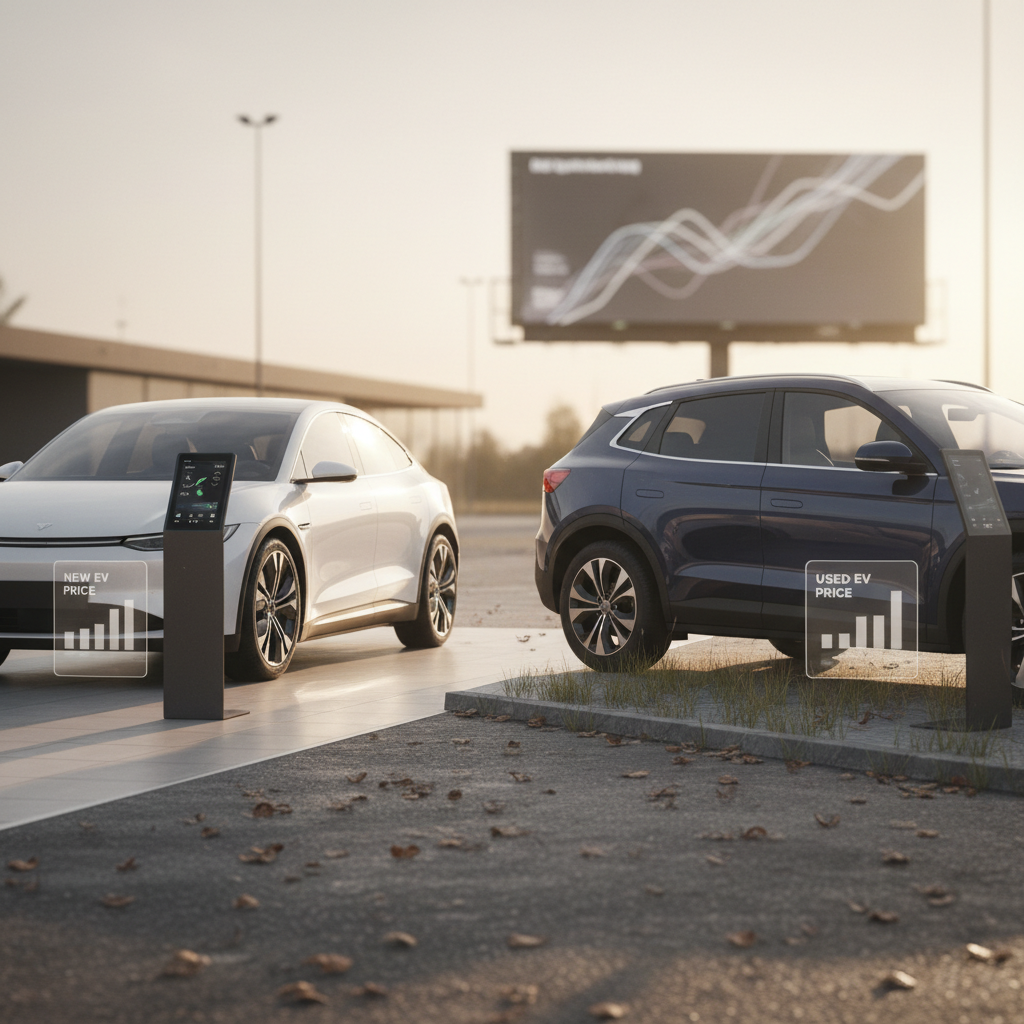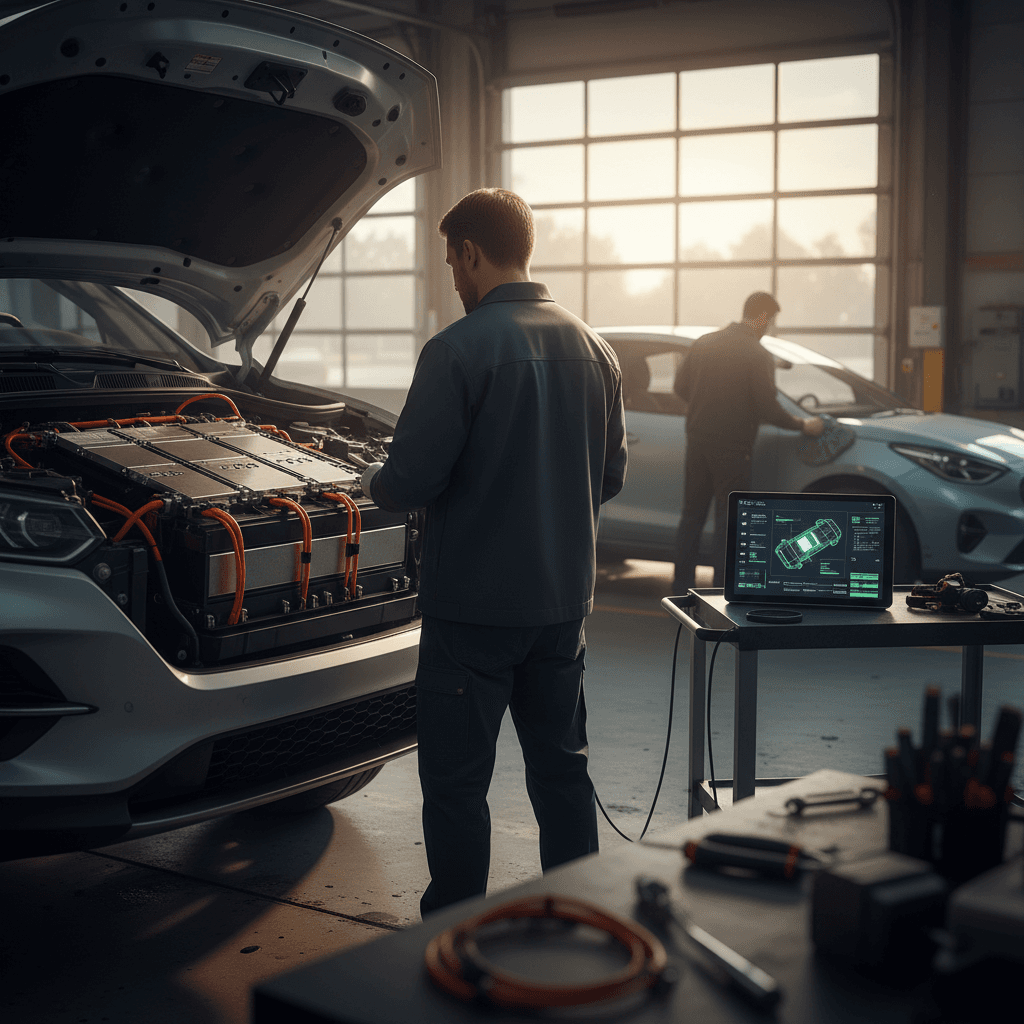
Electric vehicle maintenance looks deceptively simple from the outside: no oil changes, fewer moving parts, far fewer weekend trips to the quick-lube shop. But if you’re trying to decide whether an EV, especially a used EV, fits your life and your budget, you need more than a slogan. You need to know what actually wears out, how much it costs, and how to keep the battery healthy for the long haul.
Key takeaway
How EV maintenance really differs from gas cars
What you don’t service on an EV
- No engine oil or oil filters
- No spark plugs, ignition coils, or timing belts
- No exhaust system, catalytic converter, or mufflers
- No traditional multi-gear automatic transmission fluid service (most EVs use a simple single-speed gearbox)
What you still service (or watch) on an EV
- Tires and wheel alignment
- Brakes (pads, fluid, and corrosion checks)
- Suspension, steering, and cooling systems for the battery/electronics
- Cabin air filter, wiper blades, and HVAC system
- 12‑volt accessory battery on many models
Because there’s no combustion engine, an EV’s routine maintenance list shrinks dramatically. The U.S. Department of Energy estimates average maintenance costs at about $0.06 per mile for EVs versus $0.10 per mile for gas cars, which adds up to thousands in savings over typical ownership. Day to day, that means fewer line items on your service invoice, and more of your budget reserved for the things that actually make a difference in how the car drives.
How much cheaper is electric vehicle maintenance?
What actually gets serviced on an electric vehicle
Core electric vehicle maintenance items
You won’t see oil changes, but these systems still need attention.
High-voltage system checks
Technicians inspect high-voltage cabling, connectors, and battery coolant lines for leaks or damage. This is usually part of multi‑year service visits, not every oil‑change interval.
Most issues are rare but critical to catch early.
Battery & thermal system
Many EVs use liquid cooling for the battery and power electronics. You may need a coolant change around 8–10 years or 100,000 miles, depending on the manufacturer.
It’s infrequent, but not optional.
Cabin air and HVAC
Expect cabin air filter replacement every 1–2 years, plus occasional AC service, just like any modern car.
If the car uses a heat pump, that system may have its own service notes.
Tires & alignment
EVs are heavy and deliver instant torque, which can chew through tires quickly if you’re aggressive with the accelerator or alignment is off.
Plan on regular rotations and alignment checks.
Suspension & steering
Control arms, bushings, shocks and struts still wear over time. Potholes don’t care what powers the car.
Service is similar to any modern vehicle.
Software & diagnostics
Many EV updates happen over the air, but you’ll still see the dealer or specialist for fault codes, recalls, and firmware-related campaigns.
This is where EVs behave more like smartphones than sedans.
Pro tip: choose an EV-savvy shop
Typical electric vehicle maintenance costs
Numbers vary by model and how you drive, but national data in 2024–2025 consistently shows EV owners spending a few hundred dollars per year on maintenance, compared with $900–$1,800 for a similar gas car. Electricity might be creeping up in price, but the parts you’re not buying anymore, oil filters, spark plugs, timing belts, still add up.
Typical annual maintenance costs: EV vs gas (mid-size vehicle)
Approximate 2025 figures for a mainstream mid-size car driven around 12,000–15,000 miles a year. Actual costs vary by brand, location and driving style.
| Item | Typical EV | Typical gas car |
|---|---|---|
| Oil changes | $0 | $150–$300 |
| Brake service | $0–$150 (inspection only most years) | $200–$400 |
| Tire rotation/balance | $60–$120 | $60–$120 |
| Fluids/service bundles | $50–$150 | $200–$400 |
| Misc. repairs | $50–$150 | $300–$600 |
| Estimated annual total | $150–$300 | $900–$1,800 |
These figures exclude insurance and fuel, they’re strictly maintenance and wear items.
Don’t forget higher insurance
Battery health and long-term EV longevity
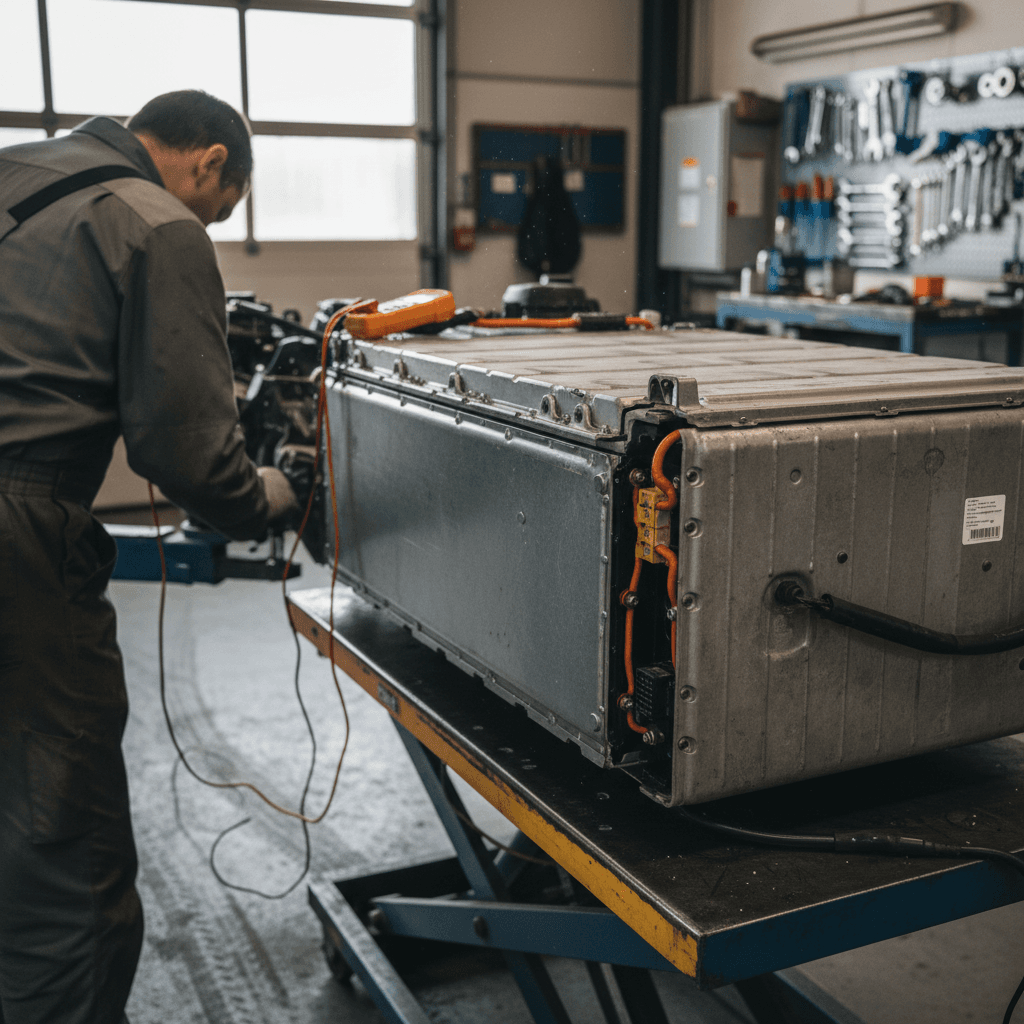
If maintenance is the quiet hero of EV ownership, battery health is the star everyone worries about. The reality is more reassuring than the horror stories: recent analyses put average EV battery degradation at around 1.5–2% of capacity per year, and most automakers back the pack with 8‑ to 10‑year warranties. That said, your habits make a real difference in how gracefully that battery ages.
- Whenever you can, keep daily charging in the 20–80% range instead of topping off to 100% every night.
- Use DC fast charging for road trips and genuine time crunches, not as your default every‑day fill‑up.
- Avoid letting the car sit for weeks at 0–5% or at 100%, both extremes are hard on lithium‑ion chemistry.
- If you live in a cold climate, precondition the battery while plugged in before you drive; in very hot climates, try to park in the shade or a garage.
- Keep software up to date: many manufacturers continuously improve battery management and charging logic with over‑the‑air updates.
Battery replacement: rare but expensive
"For most drivers, EV batteries are proving to be long‑distance runners rather than sprinters. Degradation is real but gradual, and careful charging habits make the difference between a car that feels tired at 120,000 miles and one that still feels fresh at 200,000."
Tires, brakes and other EV wear items
While the powertrain gets all the tech headlines, the old‑school hardware under your EV still does the same dirty work: holding you up, stopping you, and dealing with potholes. That’s where most of your real‑world maintenance dollars go.
The big three wear items on an EV
If you budget for these, very little will surprise you.
Tires
EV‑specific tires are designed to carry extra weight quietly and efficiently. Driven gently, you might see 30,000–40,000 miles; driven hard, that can drop fast.
Rotate every 6,000–7,500 miles and watch pressures.
Brakes
Regenerative braking means pads and rotors see far less work. Many owners don’t need a brake job for 80,000–100,000 miles, but corrosion can still be an issue in salty climates.
Periodic inspections and occasional cleaning help.
Suspension & alignment
Heavier curb weights can accelerate bushing and shock wear on rough roads. You’ll feel it as looseness or extra tire wear rather than a dash warning.
An annual alignment check is cheap insurance.
Driving style matters more than badge
Recommended EV service schedule
Every manufacturer publishes its own schedule, but most modern EVs follow a pattern that looks surprisingly simple compared with gas cars. Here’s a generalized roadmap you can adapt to your owner’s manual.
Typical electric vehicle service milestones
Every 6,000–7,500 miles: Tire care
Rotate tires, check tread depth and pressures, and get an alignment if you see uneven wear or feel the car pulling. This one interval has more to do with your day‑to‑day EV costs than almost anything else.
Every 12 months: General inspection
Have a shop inspect brakes, suspension components, steering, wipers, lights, and the cooling system. Many EVs can run software diagnostics at the same visit.
Every 2 years: Brake fluid & cabin filter
Brake fluid attracts moisture over time, so a two‑ to three‑year change interval is common. Swap the cabin air filter while you’re there, your lungs will thank you.
At 5 years: Deeper checkup
By year five, it’s smart to have a more thorough inspection of shocks, bushings, seals, and the high‑voltage system. Many EVs are still under battery warranty, so it’s a good checkpoint for any concerns.
At 8–10 years: Coolant and battery system
Some manufacturers specify battery coolant replacement around the same time the battery warranty expires. If you’re buying a used EV at this age, budget for that service if it hasn’t been done.
Any time a warning light appears
Don’t ignore EV warning icons, especially battery, temperature, or high‑voltage alerts. Software can misbehave, but it can also save a pack if you act quickly.
Where service actually happens
Reliability, warranties and big-ticket repairs
One honest wrinkle in the EV story: early models haven’t always been paragons of reliability. Consumer surveys through 2024 show EVs averaging more software and electronics issues than gas cars, largely because automakers are stuffing them with new tech at breakneck speed. The good news is that most of those problems are annoyances, not engine‑rebuild catastrophes, and they’re increasingly handled under warranty or via software updates.
What warranties usually cover
- Battery pack and drive unit for at least 8 years / 100,000 miles on most mainstream EVs
- Basic bumper‑to‑bumper coverage for 3–4 years / 36,000–50,000 miles
- Corrosion perforation and emissions (on plug‑in hybrids) for longer terms
Always check the specific vehicle, coverage varies by brand and model year.
Where big EV bills come from
- Collision damage that reaches the battery pack or high‑voltage wiring
- Out‑of‑warranty battery or inverter failures
- Specialty body and paint work on aluminum or composite structures
- Complex infotainment or driver‑assist system repairs
These are relatively rare events, but they’re why insurance tends to be higher on EVs.
Why used EVs are a sweet spot
Used EV maintenance: what to watch for
Shopping for a used gas car, you worry about sludge, misfires, and transmissions. Shopping for a used EV, the checklist shifts: you care about battery health, charging history, software status, and simple wear items that reflect how the previous owner really drove.
Pre-purchase used EV maintenance checklist
1. Ask for a battery health report
Look for data on current usable capacity and past fast‑charging usage. At Recharged, every car includes a Recharged Score Report with verified battery diagnostics so you see this up front.
2. Review software and recall history
Confirm that major software updates and recalls have been completed. On many EVs, these updates include improvements to charging speed, efficiency, and safety.
3. Inspect tires and alignment
Uneven wear, feathering or cupping can signal hard driving or suspension issues. Factor a fresh set of tires and an alignment into the budget if they’re marginal.
4. Check brakes for corrosion, not just wear
Because EV brakes are used less, they can rust rather than simply wear out, especially in wet or salty climates. Listen for grinding and ask the shop to pull the wheels for a proper look.
5. Look for coolant leaks or staining
Any evidence of coolant around the battery case or under the car deserves a closer inspection from an EV‑qualified technician before you buy.
6. Confirm charging compatibility and accessories
Make sure the car includes the correct home charging cable and, if needed, adapters. Replacing missing OEM cables and mobile connectors can cost hundreds of dollars.
Don’t skip the EV-specific inspection
How Recharged helps you manage EV maintenance
If you’re new to electric vehicles, the maintenance learning curve can feel steep. You might be switching from decades of gas‑car habits, and you don’t want your first EV experiment to turn into a spreadsheet full of surprises. That’s exactly why Recharged exists.
What you get when you buy a used EV from Recharged
Maintenance clarity from search to long-term ownership.
Recharged Score battery diagnostics
Every vehicle comes with a Recharged Score Report, including verified battery health data, charging test results, and a summary of any maintenance or recall campaigns we’ve addressed.
Transparent total cost picture
Listings highlight fair market pricing and help you compare estimated maintenance, charging, and insurance costs to a similar gas car, so you see the whole picture, not just the sticker.
EV-specialist support
From financing and trade‑ins to questions about service intervals, our EV specialists walk you through what to expect based on how and where you drive.
Nationwide delivery & Experience Center
Shop fully online from anywhere in the U.S., or visit our Experience Center in Richmond, VA. Either way, your EV arrives ready for its next chapter.
Financing that fits maintenance reality
Lower maintenance costs can free up budget for a slightly newer or longer‑range EV. Our financing tools help you line up payments with your real‑world ownership costs.
Trade-in & consignment options
When it’s time to move on, we can appraise your current EV or gas car and help you step into another electric vehicle with confidence.
Ready to find your next EV?
Browse VehiclesElectric vehicle maintenance FAQ
Common questions about electric vehicle maintenance
The bottom line on electric vehicle maintenance
Living with an electric vehicle doesn’t mean a life without maintenance, but it does mean trading a long list of engine chores for a short list of smart habits. Keep your tires rotated, your software updated, and your charging routine battery‑friendly, and you’ll likely spend less time and money in service bays than you ever did with a gas car. If you’re stepping into a used EV, make battery health and documented maintenance your north star. That’s where platforms like Recharged, with verified Recharged Score Reports and EV‑savvy support, let you enjoy the quiet, quick, low‑maintenance side of electric driving without crossing your fingers every time a warning light flickers on.