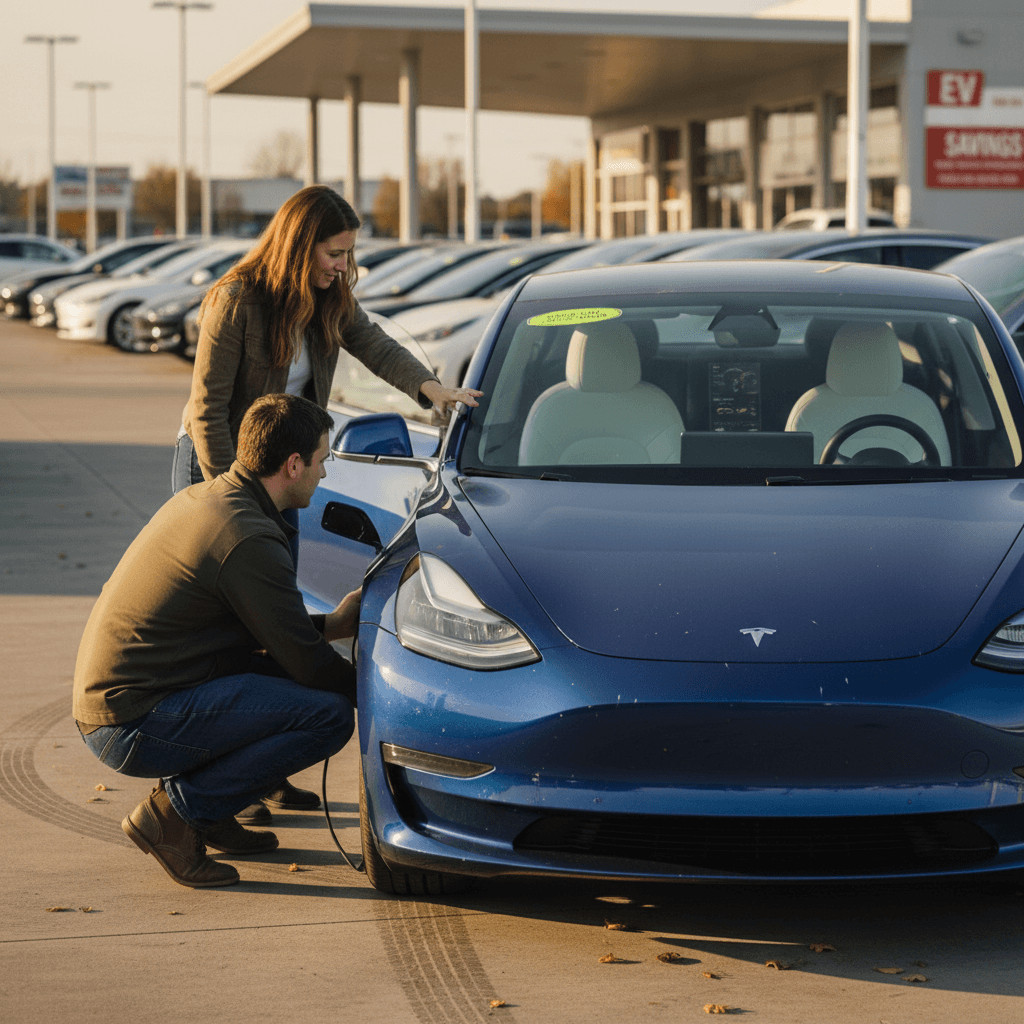
If you’re searching for electric vehicle deals near me in 2025, you’re looking at one of the best buyer’s markets we’ve seen for used EVs. Prices have dropped sharply over the last couple of years, incentives are still available, and more vehicles are coming off lease every month. The key is knowing where to look, what a “good” price really is, and how to evaluate battery health before you sign anything.
Good news for EV shoppers
Why EV deals are so attractive right now
Used EV pricing has shifted in your favor
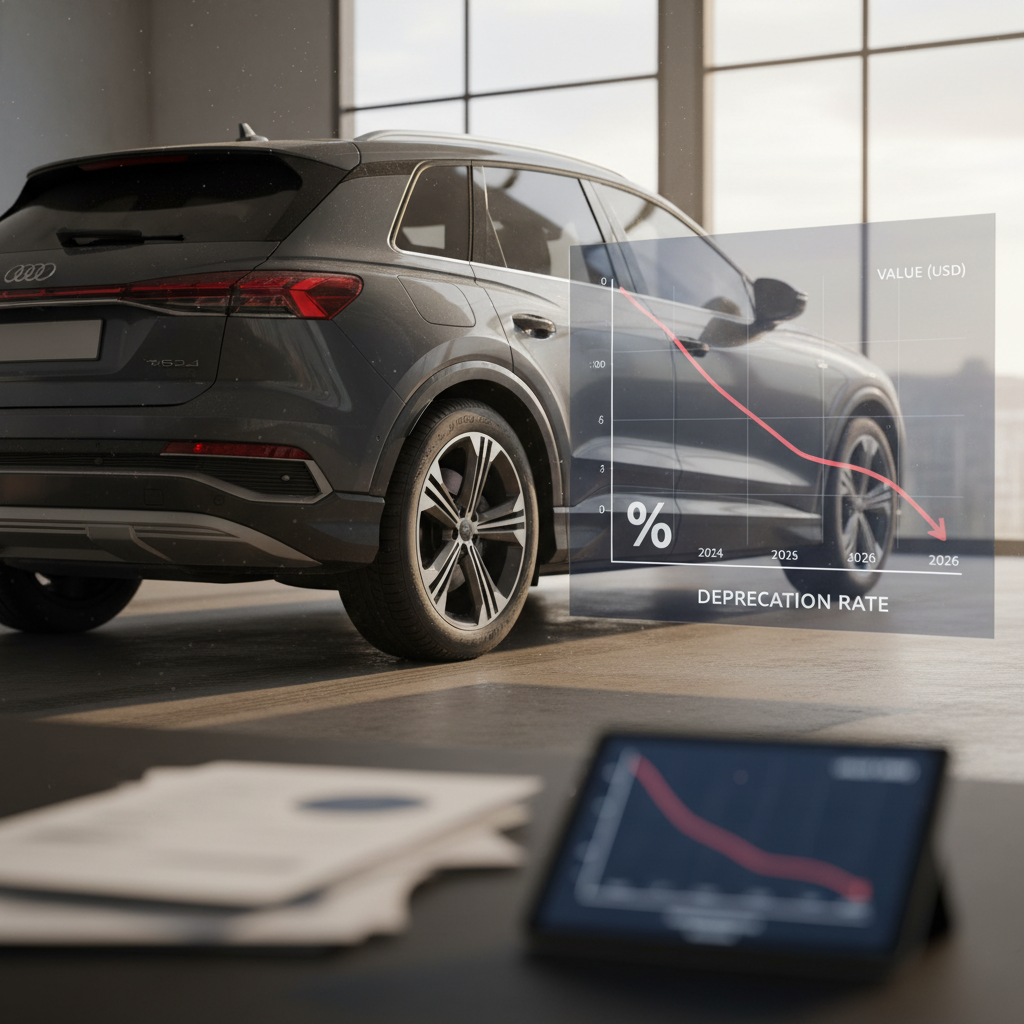
Several forces are working in your favor as a shopper. First, used EV prices have fallen faster than used gas prices as early adopters trade up to newer models and as automakers, especially Tesla, cut new‑car prices. Second, more EVs are coming off lease, which keeps the used market well supplied. Third, federal and state incentives aimed at new EVs have made some shoppers look away from used, which leaves more inventory for you to choose from.
Think total cost, not just sticker price
Where to find the best electric vehicle deals near you
Four smart places to look for EV deals
Mix local shopping with trusted digital platforms for the best outcome.
Local franchised dealers
Many brand dealers (Hyundai, Kia, Ford, VW, etc.) now stock used EVs they originally leased or sold new.
- Certified pre‑owned options
- Access to dealer‑backed service
- May bundle local incentives
Independent used dealers
Independent lots increasingly carry EVs, especially popular models like the Tesla Model 3, Chevy Bolt EV, and Nissan Leaf.
- Room to negotiate on price
- Quality varies, do your homework
Online marketplaces
Car‑shopping sites and EV‑focused platforms let you compare prices beyond your immediate zip code.
- Search by range, body style, and payment
- See price history and market comparisons
EV specialists like Recharged
Recharged focuses on used EVs only, with nationwide inventory and expert support.
- Every car includes a Recharged Score with verified battery health
- Transparent, fair‑market pricing
- Financing, trade‑ins, and nationwide delivery from a digital storefront or the Experience Center in Richmond, VA
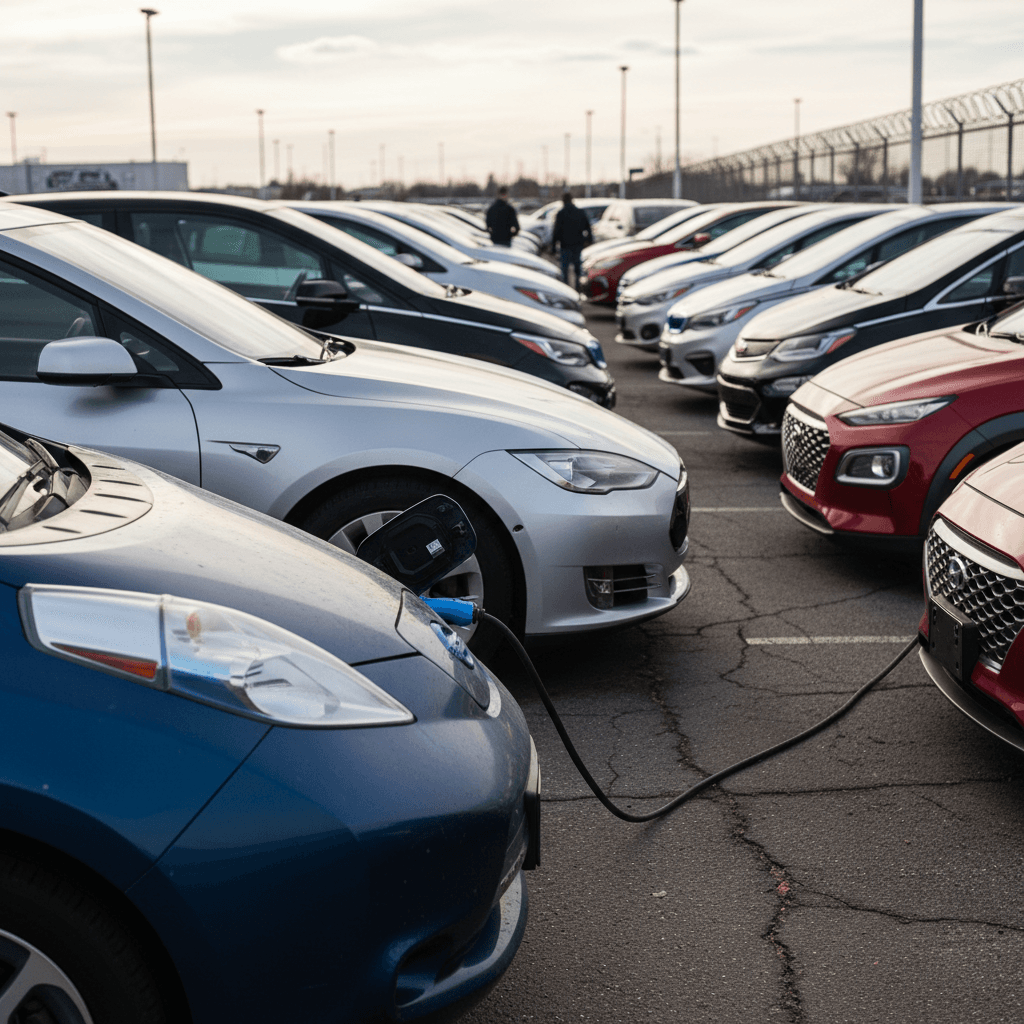
When you type “electric vehicle deals near me” into a search bar, you’ll typically see a mix of nearby dealers and national platforms. Use that to your advantage. Start by deciding how far you’re willing to travel for a test‑drive, say 50–150 miles, and then compare local options to trusted online EV specialists that can deliver to your driveway.
How Recharged fits in
Ready to find your next EV?
Browse VehiclesUnderstanding prices: what is a good deal on a used EV?
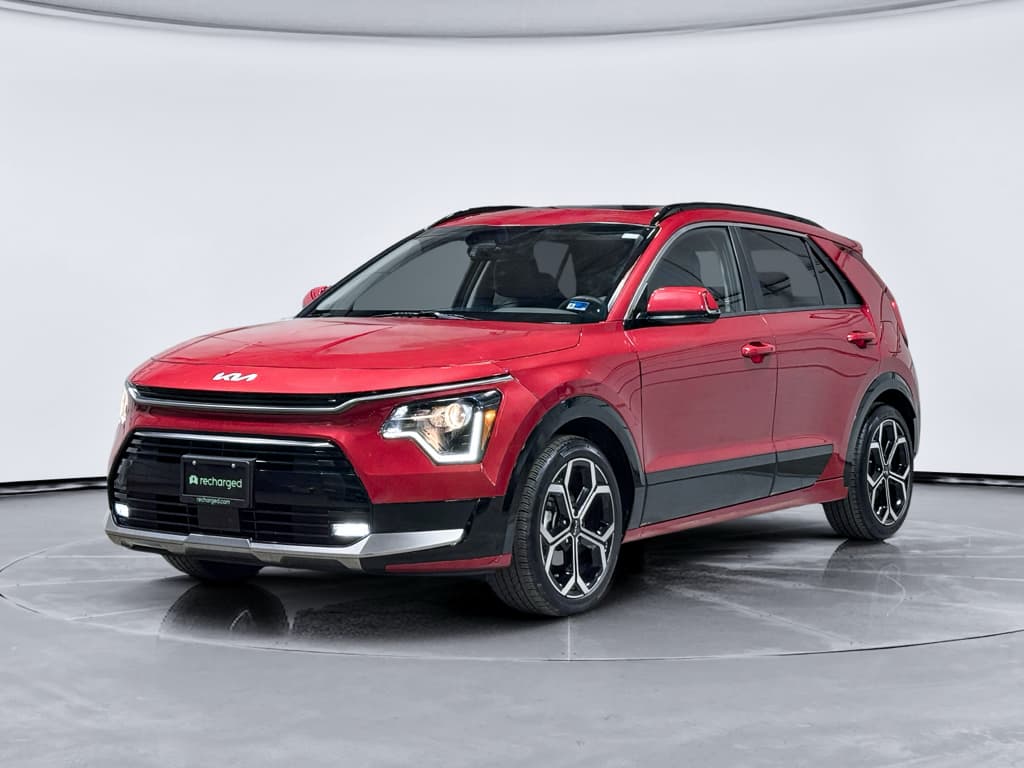
A good deal starts with knowing the market. As of late 2024, average used EV prices had fallen to around the mid‑$20,000s, dipping below the average used gas car. Entry‑level models like the Nissan Leaf, Chevy Bolt EV, and Kia Niro EV often list in the mid‑teens to low‑$20Ks, while newer long‑range crossovers and premium brands still command more.
Typical used EV price bands (late‑model examples)
These are illustrative nationwide ranges for common used EVs in late 2024–2025. Your local market may be higher or lower.
| Model type | Example vehicles | Typical used price band | Notes |
|---|---|---|---|
| Affordable commuter | Nissan Leaf, Chevy Bolt EV | $15,000–$22,000 | Great for short to medium commutes; watch battery health on older cars. |
| Mainstream crossover | Hyundai Kona Electric, Kia Niro EV, VW ID.4 | $22,000–$32,000 | Stronger range and practicality; often just off lease. |
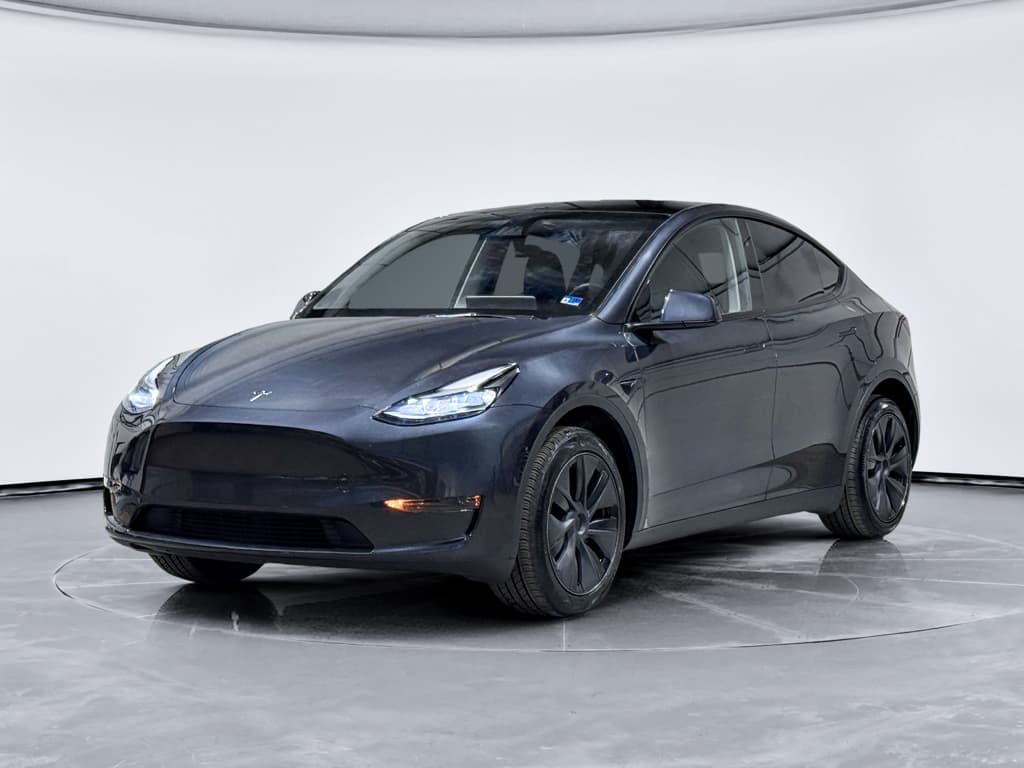
| Popular premium | Tesla Model 3, Tesla Model Y | $25,000–$40,000 | Heavily influenced by new‑car price cuts; deals vary widely by trim and mileage. |
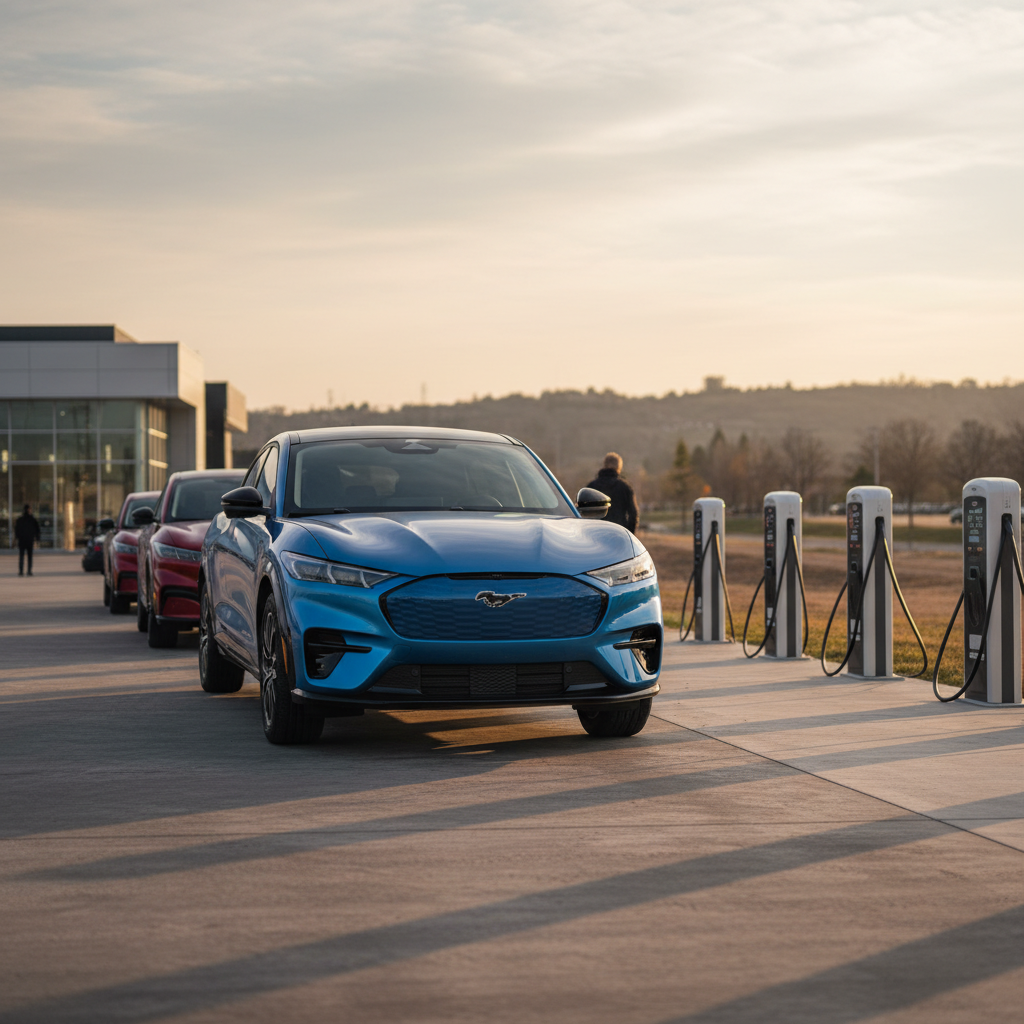
| Larger SUV / truck | Ford Mustang Mach‑E, Kia EV6, F‑150 Lightning | $35,000+ | Still relatively new; incentives and demand in your region matter. |
Use these ranges as a starting point; always compare to real‑time listings in your area.
How to judge if the price is fair
Key factors that raise price
- Newer model year with latest safety and infotainment tech
- Larger battery and longer EPA range
- Fast‑charging capability and NACS/CCS compatibility
- Low mileage and single‑owner history
- Clean accident and service history
Key factors that lower price
- Older chemistry and visible battery degradation
- High mileage or heavy DC fast‑charging use
- Poor tire condition or cosmetic damage
- Lack of remaining battery warranty
- Out‑of‑date software or missing ADAS features
How tax credits and rebates cut your EV price
The price on the windshield is just one part of the story. Many buyers can stack the federal Used Clean Vehicle tax credit with state and local incentives to bring the real cost down thousands of dollars.
Three layers of savings to check
Start at the federal level, then work down to your state and utility.
1. Federal used EV credit
The federal Used Clean Vehicle Credit can be worth up to $4,000 (or 30% of the sale price, whichever is lower) when you buy a qualifying used EV from a dealer.
There are income limits, vehicle price caps, and other rules, so confirm details at purchase time.
2. State & local incentives
Many states add their own rebates or tax credits, especially for income‑qualified buyers.
- Rebates at purchase or via check
- Reduced registration fees or HOV access
- Special programs for replacing older vehicles
3. Utility & charger rebates
Your electricity provider may offer rebates for buying an EV or installing a Level 2 home charger.
These won’t affect the vehicle’s price directly but improve the overall economics of ownership.
Don’t assume every EV qualifies
One advantage of using a specialized marketplace like Recharged is that you can see which vehicles are likely to qualify for available incentives and get help understanding how those programs affect your total cost. That’s especially valuable if you’re buying your first EV and don’t want to navigate IRS language and state program fine print on your own.
Checking battery health: the deal maker or breaker
With a gas car, you worry about engine and transmission. With a used EV, battery health is the big question. A car that looks like a bargain can turn into a disappointment if the pack has lost too much capacity and you’re stuck with short real‑world range.
Battery due diligence before you buy
1. Ask for a battery health report
Whenever possible, get objective data, not just “it feels fine.” At Recharged, every vehicle includes a Recharged Score that summarizes verified battery health, so you aren’t guessing.
2. Compare current range to original EPA rating
Look up the original EPA range for the model and compare it to what the car realistically delivers today. A moderate drop is normal; a dramatic drop is a red flag.
3. Review fast‑charging history
Frequent DC fast‑charging can accelerate degradation, especially on early EVs. Ask how the car was used, mostly home charging or lots of road‑trip fast‑charging?
4. Check remaining battery warranty
Many EVs carry 8‑year battery warranties with mileage caps. A car still within that window may offer extra peace of mind if something goes wrong.
5. Test in your real conditions
If you live in a cold or hot climate, try to test the vehicle in similar conditions. Extreme temperatures affect both range and charging speed.
Beware of “mystery range” deals
Financing and trade‑ins to improve your EV deal
In a high‑rate environment, the way you finance your EV can be the difference between a great deal and an uncomfortable payment. The goal is to match a fair purchase price with competitive financing and a realistic trade‑in value for your current vehicle.
Financing strategies
- Shop rates with your bank or credit union before visiting dealers.
- Compare their offers to any promotional financing from EV‑focused retailers.
- Run the numbers both ways: larger down payment vs. slightly higher rate.
- Target a payment that works even if rates tick up again.
Using your current car as leverage
- Get instant online trade‑in estimates to know your baseline value.
- Consider getting an instant offer or using consignment services to maximize what you net from your old car.
- On Recharged, you can get a value for your current vehicle and apply it directly to the EV you choose.
Pre‑qualify to shop with confidence
Step-by-step: how to shop for EV deals near you
Your 7‑step EV deal‑hunting game plan
1. Define your range and needs
Decide how many miles of real‑world range you need, how many passengers you carry, and whether you can charge at home. That will narrow your target list quickly.
2. Set a realistic budget
Look at your monthly cash flow and decide what payment is comfortable after insurance and charging costs. Work backward to a total price range.
3. Scan local and online inventory
Search dealers and marketplaces for “electric vehicle deals near me.” Shortlist 5–10 candidates that fit your budget and needs, including options from EV specialists like Recharged.
4. Compare pricing to market data
Use price‑comparison tools to see how each vehicle stacks up against similar listings nationwide. Cross‑check against the typical price bands in this guide.
5. Verify battery health and history
Request battery‑health data, a vehicle history report, and service records. Favor cars with transparent documentation, or look for platforms that provide this by default.
6. Stack incentives and financing
Confirm which federal, state, and utility incentives you qualify for, then secure pre‑qualification so you know your likely rate and payment.
7. Test‑drive and negotiate smart
Drive your top choices on the routes you actually use. Focus your negotiation on total out‑the‑door price, not monthly payment alone.
Red flags to avoid with “too good to be true” EV deals
- Price far below comparable listings with no clear explanation (e.g., salvage title, heavy damage, or severe battery degradation).
- Seller unwilling to provide a vehicle history report or any documentation of battery health.
- Inconsistent information between the ad, the title, and what you see on the car (trim level, mileage, equipment).
- Pressure to buy immediately or put down a large, non‑refundable deposit before you can inspect or test‑drive the vehicle.
- Out‑of‑date software and warning lights on the dash that the seller brushes off as “probably nothing.”
Protect yourself on private sales
FAQ: electric vehicle deals near me
Frequently asked questions about EV deals
Bottom line: how to lock in a smart EV deal
Right now, shoppers who do their homework have an unusual opportunity. Used EV prices are attractive, incentives can still shave thousands off the effective cost, and there’s more inventory to choose from than ever before. The winners in this market are the buyers who combine local shopping with trusted online tools, insist on clear battery‑health data, and focus on total cost of ownership rather than just the sticker.
If you’d rather not piece everything together alone, a specialized platform like Recharged can simplify the process. Every car comes with a Recharged Score report so you can see battery health, pricing fairness, and key history at a glance, plus access to EV‑savvy support, financing, trade‑ins, and nationwide delivery. However you choose to shop, use the steps in this guide to make “electric vehicle deals near me” more than a search term, and turn it into a confident, well‑priced purchase that fits the way you drive.