When people ask about the average cost of an EV, they’re usually not just thinking about the sticker price. You’re trying to understand the monthly payment, charging costs, insurance, and what that battery will be worth a few years from now. This guide breaks down the real numbers behind EV ownership in 2025 so you can decide whether a new or used electric vehicle actually fits your budget.
Context: EV prices are cooling off
What actually determines the average cost of an EV?
The “average cost EV” number you sometimes see in headlines is usually a transaction price, what buyers actually pay at the dealership before incentives. That’s useful, but it only tells part of the story. Your real cost depends on five big factors:
- Upfront price (MSRP vs what you actually pay)
- Incentives and tax credits that lower that price
- Financing terms: interest rate, down payment, loan length
- Ongoing costs: charging, insurance, maintenance, registration
- Resale value: what the car and battery are worth when you sell or trade in
EV cost snapshot in 2025 (typical U.S. ranges)
Beware “average” numbers
Average EV prices in 2025: new vs used
By late 2025, the average price of a new EV in the U.S. lands in the upper $40,000s, mostly because big crossovers and trucks skew the average up. But entry-level models and the used market tell a more encouraging story.
Typical EV price bands in 2025
What buyers actually see on dealer listings (before incentives).
New entry-level EVs
Typical asking price: ~$32,000–$38,000
- Examples: compact crossovers and sedans with ~250 miles of range.
- May qualify for up to $7,500 in federal tax credits if built in North America and you meet income caps.
Mainstream new EVs
Typical asking price: ~$40,000–$55,000
- Includes popular crossovers and mid-size SUVs.
- Often better-equipped than gas equivalents, heated seats, driver aids, big screens.
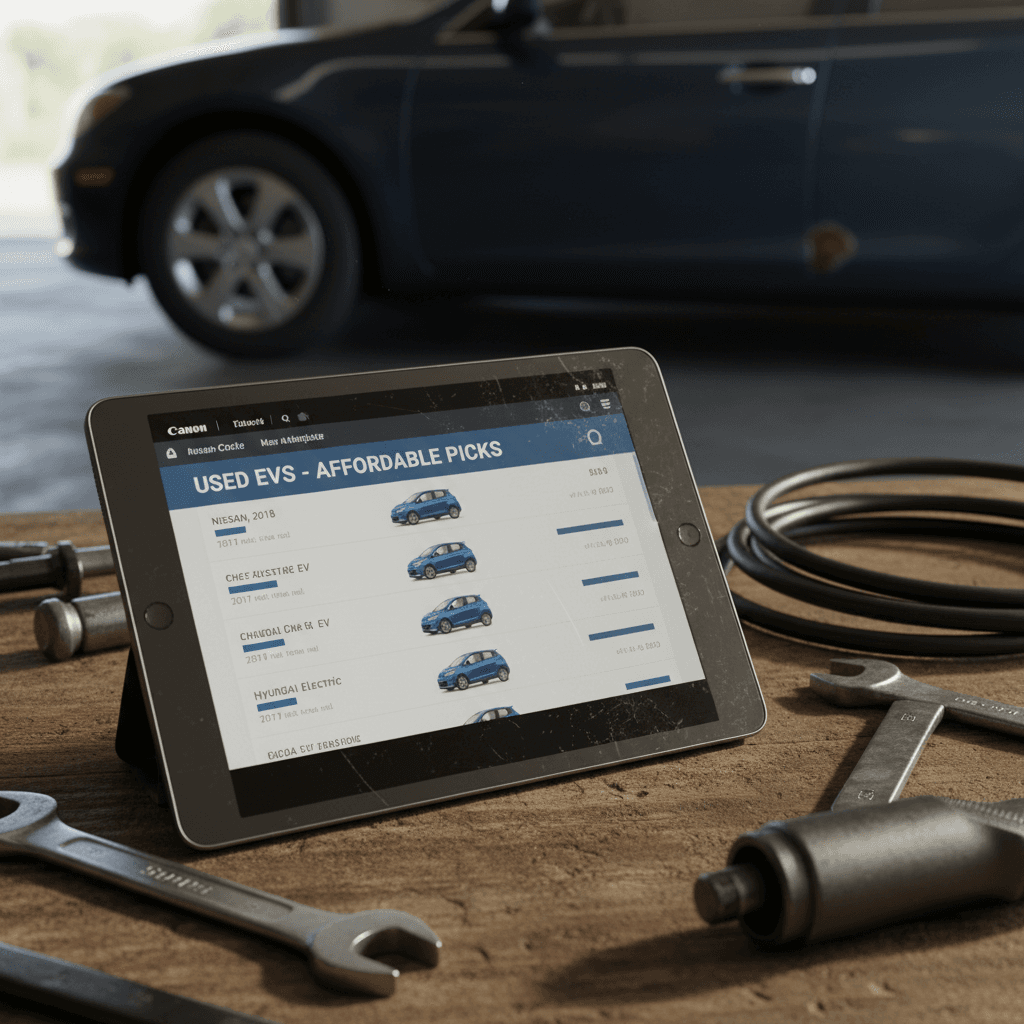
Used EVs (3–5 years old)
Typical asking price: ~$22,000–$32,000
- Significant discount vs new, especially on older luxury or long-range models.
- Ideal if you want EV tech but don’t need the latest styling or max range.
Used EV sweet spot
This is where Recharged comes in. Because EV value lives and dies with the battery, every EV on Recharged.com includes a Recharged Score Report with verified battery health and fair market pricing. That makes it much easier to compare the real value of a used EV to a new gas or hybrid alternative.
Average EV cost vs gas car: where you save (and where you don’t)
Upfront, EVs still tend to cost more than comparable gas models. But over a 5–7 year ownership window, many drivers come out ahead because they spend less on energy and maintenance. The key is understanding how those tradeoffs shake out for your driving habits.
Where EVs usually cost more
- Purchase price: Even with recent discounts, many EVs still carry a higher MSRP than a similarly-sized gas model.
- Financing: A higher price can mean a higher monthly payment, especially if you stretch loans to 72 or 84 months.
- Insurance: Depending on the model and your state, comprehensive coverage can be slightly higher than a mainstream gas car.
Where EVs usually save you money
- Fuel: Electricity often works out to the equivalent of paying $1.00–$1.75 per gallon for many home-charging drivers.
- Maintenance: No oil changes, fewer moving parts, and less brake wear can trim hundreds of dollars per year.
- Incentives: Federal and state programs can effectively cut thousands off the price if you qualify.
Think in total cost of ownership
How much does EV charging cost per month?
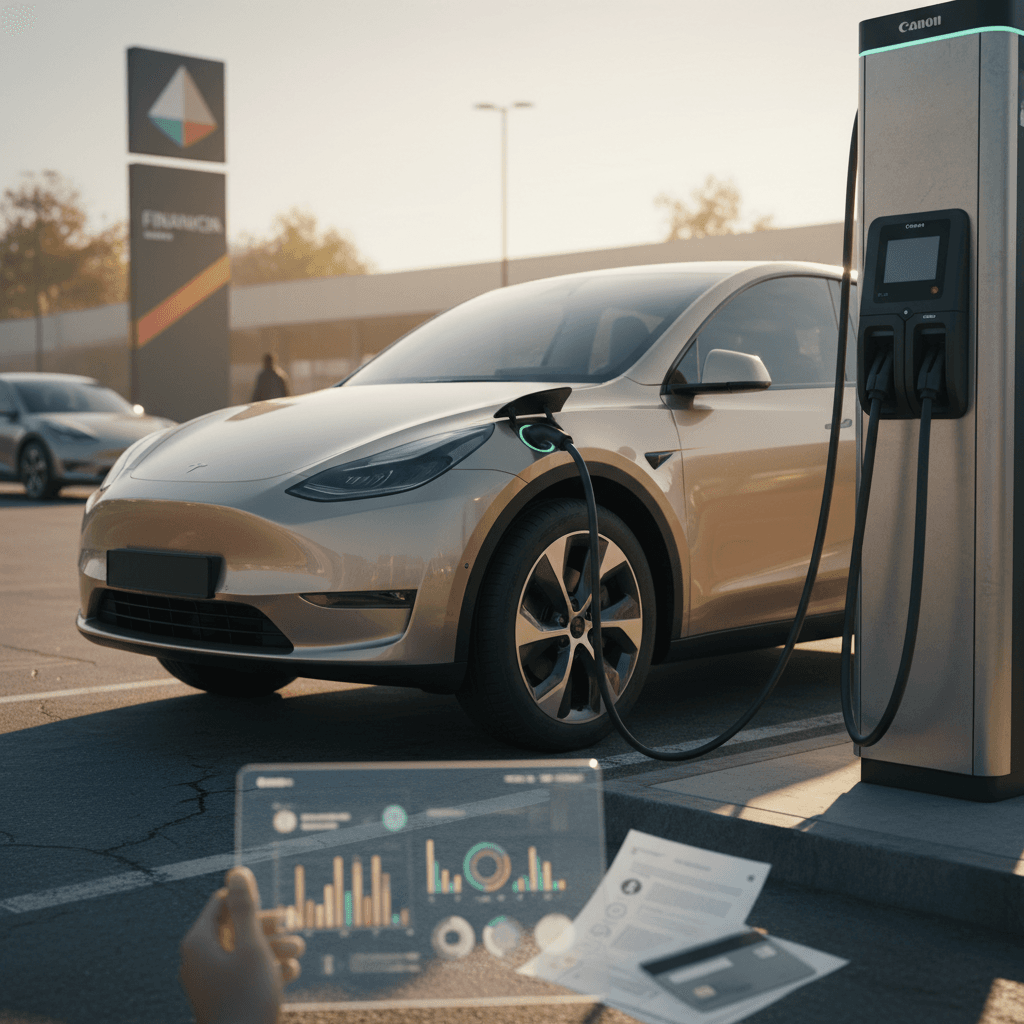
Charging is where the “average cost EV” question gets interesting. For many owners who charge mostly at home, electricity is simply cheaper than gasoline. For drivers who rely heavily on DC fast charging, the savings can shrink or even disappear.
Typical monthly charging costs (U.S. driver, ~1,000 miles/month)
Estimates assume an EV averaging ~3 miles per kWh. Your actual costs depend on your utility rates, climate, and how often you use fast charging.
| Charging style | Assumed electricity price | Estimated monthly cost | Who this fits best |
|---|---|---|---|
| Mostly home charging | $0.13–$0.17/kWh | $45–$65 | Suburban or rural drivers with driveway or garage |
| Home + some public Level 2 | $0.15–$0.20/kWh | $60–$80 | Apartment or mixed-use drivers who sometimes rely on public charging |
| Heavy DC fast charging | $0.30–$0.45/kWh | $110–$160 | High-mileage, road-warrior drivers, or those without home charging |
Use these ranges as planning numbers; your utility bill and driving pattern will fine-tune the real cost.
How to estimate your own charging cost
Insurance, maintenance and repairs: what to budget
Beyond the obvious fuel savings, the other major budget question is keeping the car on the road. EVs behave differently than gas cars here, less routine maintenance, but potentially higher repair bills if you’re unlucky or uninsured.
Typical recurring EV ownership costs
What many U.S. drivers see in 2025 when they budget for a daily-driver EV.
Insurance
What to expect: For many households, similar to or slightly higher than a comparable gas car.
Factors that push it up: newer vehicle, high repair costs for certain models, expensive sensors in bumpers and headlights.
Maintenance
What you avoid: oil changes, spark plugs, timing belts, emissions components.
What you still pay for: tires, brake fluid, cabin filters, alignment, wiper blades, plus recommended battery coolant service on some models.
Repairs
Collision repairs can be pricier for some EVs due to parts and labor. However, major battery failures are rare within the warranty period.
This is where buying a used EV with verified battery health and a remaining warranty really matters.
Don’t skip tire budgets
Battery health, depreciation and resale value
Depreciation is where EV costs get nuanced. Early EVs depreciated sharply as range and tech improved quickly. In 2025, things are stabilizing, but battery health is still the single biggest driver of what a used EV is worth, and what it’s worth to you.
How battery health affects value
- Capacity loss: As a battery ages, it typically loses some usable capacity. Losing 8–15% over the first 100,000 miles isn’t unusual.
- Practical impact: A car that started with 260 miles of range and now offers 230 miles may still fit your lifestyle perfectly, and cost you thousands less.
- Red flags: Unusually high degradation, rapid recent loss, or cells that are out of balance compared with similar vehicles.
Why a battery report matters
Because you can’t see battery health from a photo or a quick test drive, buying used is safer when you have data.
- Recharged’s Score Report uses specialized diagnostics to measure pack health.
- You see how that vehicle’s battery compares to similar EVs of the same age and mileage.
- That transparency helps you avoid overpaying, and identify great-value cars others might overlook.
Good news on modern EV batteries
7 ways to lower the cost of EV ownership
Practical moves to bring your EV costs down
1. Consider a used EV with verified battery health
Let someone else take the steepest depreciation, but protect yourself with a battery health report like the Recharged Score so you know what you’re buying.
2. Stack incentives and rebates
Check federal, state and local programs. Some areas offer tax credits, sales tax breaks, HOV lane access, or installation rebates for home chargers.
3. Charge at home whenever possible
Home Level 2 charging is usually the cheapest way to fuel an EV. If you’re in an area with time-of-use rates, schedule charging for off-peak hours.
4. Right-size your range
Don’t overpay for range you’ll almost never use. A 230–260 mile EV that covers your daily needs can be thousands cheaper than a 320‑mile flagship.
5. Shop insurance before you buy
Get quotes on a few specific VINs, not just a model. Some trims and safety packages can meaningfully change premiums.
6. Avoid ultra-long loans when you can
Stretching to 84 months lowers the payment but raises total interest and can leave you upside down. Financing through platforms that understand EV values, like Recharged’s partners, can sometimes unlock better terms.
7. Maintain tires and alignment
Proper tire pressure, alignment, and rotation not only extend tire life but also preserve range, trimming your electricity bill mile by mile.
Is a used EV worth it for you?
If you’re price-sensitive, the “average cost EV” number for new cars may be discouraging. That’s where the used market changes the story. Many shoppers are discovering that a well-vetted used EV can cost the same, or less, than a new gas model while delivering lower running costs and far more tech.
Who tends to win with a used EV
- Commuters under ~60 miles/day: You don’t need maximum range and can take advantage of discounts on 3–6-year-old cars.
- Homeowners with a garage or driveway: Easy access to overnight Level 2 charging keeps your energy cost low and predictable.
- Tech-forward shoppers: Many used EVs still feel more modern than brand-new gas cars at the same price point.
When to think twice
- You frequently tow heavy loads or drive in areas with limited charging, where a gas or hybrid truck might still make more sense.
- You can’t install home charging and live somewhere with sparse public infrastructure.
- You need a specific EV model that hasn’t depreciated much yet, sometimes a new lease or purchase can be competitive.
How Recharged helps on the used side
Average cost EV: frequently asked questions
Your EV cost questions, answered
Bottom line: what will an EV really cost you?
There’s no single number that captures the average cost of an EV, because your outcome depends on how you buy, how you finance, where you charge, and how long you keep the car. But the pattern in 2025 is clear: new EVs still command a premium on price, while used EVs with healthy batteries increasingly deliver the strongest value, and often beat comparable gas cars on total cost of ownership.
If you’re ready to put some numbers to your own situation, start by comparing a few used EVs against your current vehicle or a gas alternative. Look at monthly payment, insurance quotes, and estimated charging cost side by side. On Recharged, every vehicle comes with a Recharged Score battery health report, fair market pricing, financing options, and EV‑specialist support, so you can see the real cost picture before you decide to plug in for good.