If you’ve been eyeing electric vehicle cars but aren’t sure where to start, you’re not alone. Between range, charging, batteries, and acronyms like BEV and PHEV, it can feel more complicated than it really is. This guide walks you through how EVs work, what they cost, how to charge them, and how to shop smart, especially if you’re considering a used electric car.
A Turning Point for Electric Vehicle Cars
What Are Electric Vehicle Cars, Really?
Let’s start simple: an electric vehicle car is a vehicle that uses an electric motor and a high‑voltage battery to drive the wheels, instead of (or in addition to) a gasoline engine. You "fuel" it by plugging in, not by visiting a gas pump. That’s the heart of it.
- Electric motor (or motors) instead of, or alongside, a gasoline engine
- High‑voltage battery pack that stores energy
- Onboard charger and charging port so you can plug into the grid
- Electronics to manage power flow, safety, and regenerative braking
Why EVs Feel So Different to Drive
Types of Electric Vehicle Cars Explained
Not every "electric" car is the same. When you’re shopping, you’ll see a handful of categories. Knowing the differences will keep you from buying more (or less) EV than you actually need.
Four Common Types of Electric Vehicle Cars
From mild electrification to fully electric driving
Hybrid (HEV)
Pairs a small battery and electric motor with a gasoline engine.
- Never plugged in
- Great fuel economy boost
- Best if you’re not ready to plug in yet
Plug‑In Hybrid (PHEV)
Short electric‑only range plus a gasoline engine.
- Typically 20–50 miles electric
- Gas engine takes over on longer trips
- Good bridge for first‑time EV drivers
Battery Electric (BEV)
Runs only on electricity, no gas tank, no tailpipe.
- Typical range: 200–320 miles
- Needs plug‑in access at home or work
- Lowest running emissions and maintenance
Fuel Cell (FCEV)
Uses hydrogen to generate electricity on board.
- Refuels quickly like gasoline
- Infrastructure limited to a few regions
- Niche choice for most U.S. drivers
Quick Recommendation
How Electric Vehicle Cars Work
Under the floor of most electric cars is a large battery pack made of many individual cells. That pack feeds one or more electric motors. When you press the accelerator, the car’s power electronics send energy from the battery to the motor, and off you go, quietly.
Powering the Wheels
- Battery pack: Stores energy in kilowatt‑hours (kWh), similar to the "size" of a fuel tank.
- Inverter & motor: Convert stored energy into motion.
- Single‑speed gearbox: Most EVs don’t shift gears like traditional automatics.
Putting Energy Back
- Regenerative braking: When you lift off the accelerator, the motor works as a generator, feeding energy back into the battery.
- One‑pedal driving: Many EVs slow strongly when you let off the accelerator, so you barely touch the brake pedal in city driving.
About Battery Size
Charging Electric Vehicle Cars: The Basics
Charging is where most people get nervous, but it’s more straightforward than it seems. You mainly need to know two things: where you’ll charge most often, and how fast you need it to be.
Charging Levels for Electric Vehicle Cars
How long it takes to add range at different charging levels (typical modern EV).
| Charging Level | Where You Find It | Power (Approx.) | Miles of Range per Hour |
|---|---|---|---|
| Level 1 (120V) | Standard household outlet | 1–1.8 kW | 2–5 miles |
| Level 2 (240V) | Home wall box, many public stations | 7–11 kW | 20–40 miles |
| DC Fast Charging | Highway sites, select urban hubs | 50–250+ kW | 150–200+ miles in ~30 minutes |
Actual speeds vary by vehicle and charger, but these ballpark figures help you plan.
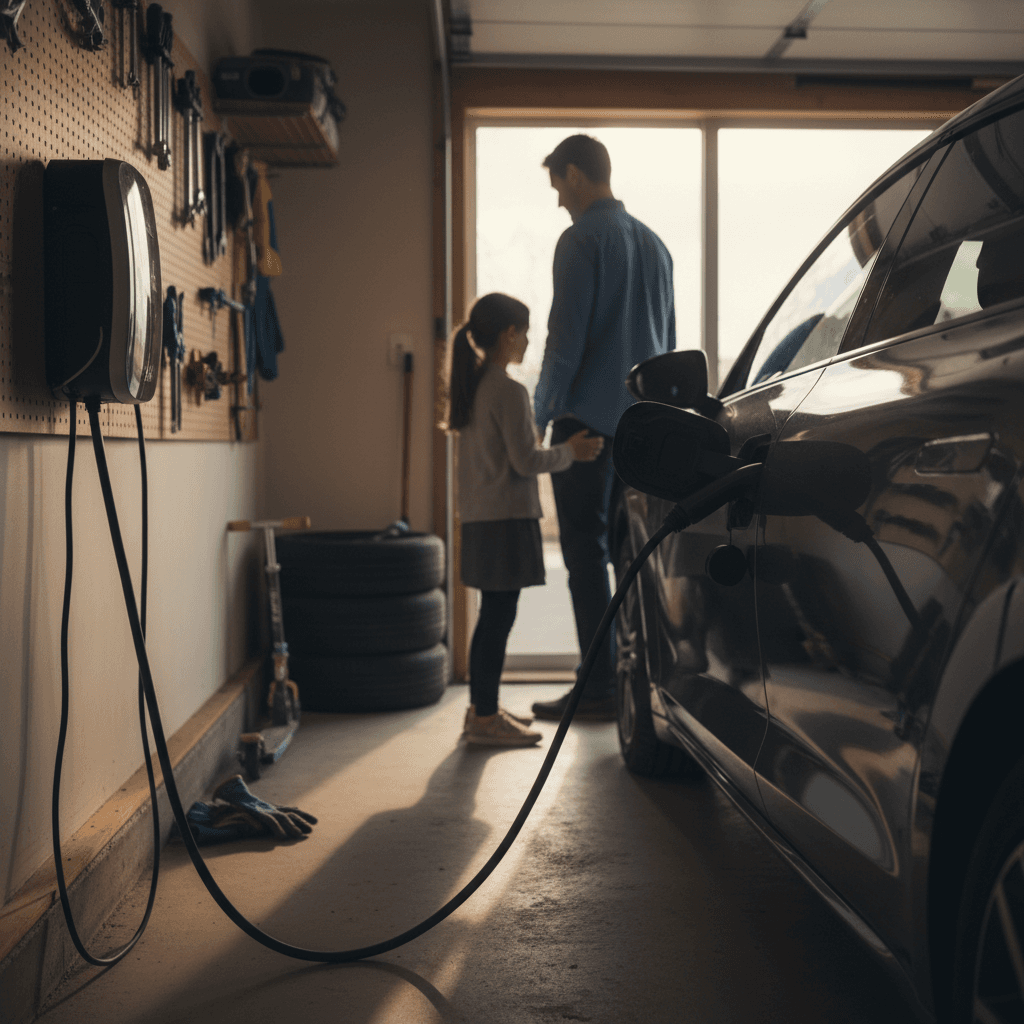
Home Charging is the Game‑Changer
Public fast charging is improving, but it’s still uneven depending on where you live. Before you buy, open a few charging apps and look at your local area and your regular long‑distance routes. It’s the EV version of checking which gas stations are near your house.
Range Anxiety vs. Real Life
"Range anxiety", the fear of running out of charge, is real, especially before you’ve lived with an EV. But daily driving usually uses less range than people think. The average American commute is well under 50 miles per day; many modern EVs can cover four or five days of commuting on a single charge.
Range and Driving Habits at a Glance
Cold Weather Cuts Range
What Electric Vehicle Cars Really Cost to Own
Sticker price is only part of the story. With electric vehicle cars, you trade fuel and maintenance bills for electricity and a simpler mechanical setup. Over a few years, many drivers come out ahead, even if the monthly payment on the car itself is similar to a gas model.
Where You Save
- Electricity vs. gas: On a cost‑per‑mile basis, home charging is typically cheaper than gasoline, especially at off‑peak rates.
- Maintenance: No oil changes, fewer fluids, and far fewer moving parts. Brake pads often last longer thanks to regenerative braking.
- Tax incentives: Many new EVs, and some used ones, qualify for federal or state incentives. Always check current rules before you buy.
Where Costs Can Surprise You
- Home charger installation: A Level 2 charger and 240V circuit can add upfront cost if your panel needs an upgrade.
- Public fast charging: Faster, more convenient, and priced accordingly. It can cost more per mile than home charging.
- Insurance: Some EVs still carry higher repair and insurance costs; shop around and get quotes before you sign.
Run the Numbers Before You Fall in Love
Buying New vs. Used Electric Vehicle Cars
Five years ago, buying a used EV meant choosing from a handful of quirky models with short range. Today, there’s a healthy used market for mainstream crossovers and sedans with real‑world range and modern safety tech. That’s good news if you like value.
New vs. Used Electric Vehicle Cars
Which path fits you best?
New Electric Vehicle
- Latest battery chemistry and range
- Full factory warranty
- Best access to new incentives
- You pick color, options, and trim
Best for: Drivers planning to keep the car a long time or who want the newest tech.
Used Electric Vehicle
- Lower upfront price and slower depreciation
- Real‑world history on reliability and range
- Sometimes still under battery warranty
- Great way to "test" EV life with less cash on the line
Best for: Budget‑conscious shoppers and first‑time EV buyers.
How Recharged Helps in the Used Market
Ready to find your next EV?
Browse VehiclesHow to Check EV Battery Health
The battery pack is the most expensive component in an electric vehicle car, so you want to know how it’s holding up. Batteries do lose capacity over time, but the rate depends on age, mileage, climate, and how the car was charged.
Battery Health Checklist for Used EVs
1. Ask for a Battery Health Report
Many automakers and third‑party services can provide a state‑of‑health or capacity report. On Recharged, the Recharged Score Report includes a battery health snapshot so you’re not guessing.
2. Look at Range vs. Original Specs
Compare the car’s current estimated range at 100% charge with the original EPA rating. A modest drop is normal; a dramatic drop may signal abuse or an issue.
3. Check Warranty Coverage
Most EV batteries carry an 8‑year or similar warranty up to a certain mileage. See how much time and mileage are left, you may be covered for major failures.
4. Review Charging History
If you can, find out whether the car mostly used home Level 2 charging or lived on DC fast chargers. Constant fast charging, especially in hot climates, can accelerate degradation.
5. Inspect for Software Updates
Some battery and charging improvements arrive via software. Confirm the car is running the latest recommended software from the manufacturer.
Don’t Skip the Data
Is an Electric Vehicle Car Right for You?
Electric vehicle cars fit a lot of lifestyles, but not every single one. The right question isn’t "Are EVs good or bad?" It’s "Is an EV a good fit for how I actually live and drive?" Here’s a quick way to think that through.
Which Drivers Are a Great Match for EVs?
Daily Commuters
Drive mostly predictable routes under 80 miles per day.
Can charge at home or at work at least a few times a week.
Value low running costs and quiet, smooth driving.
Suburban & Family Drivers
Have a driveway or garage for Level 2 charging.
Take a few road trips a year and are willing to plan stops.
Appreciate quick acceleration and modern safety tech.
Apartment & City Residents
Rely more on street parking and public charging.
Benefit from lower‑emission driving in dense neighborhoods.
Do best when there are dependable chargers near home or office.
Heavy‑Duty Road‑Trippers
Regularly drive long distances through rural areas.
Depend on tight schedules with little room for charging stops.
May want to keep a gas or hybrid in the mix, for now.
Test an EV in Your Real Life
Electric Vehicle Cars: Frequently Asked Questions
Electric Vehicle Cars: Frequently Asked Questions
The Bottom Line on Electric Vehicle Cars
Electric vehicle cars aren’t a science experiment anymore, they’re just cars, with their own quirks and advantages. If you have a place to plug in and your daily driving fits within a modern EV’s range, they can be quieter, cleaner, and often cheaper to run than the gas car you’re driving now.
The key is to buy with your eyes open: understand charging, be honest about your driving patterns, and, if you’re shopping used, insist on real data about battery health. That’s exactly what platforms like Recharged are built to provide. When you match the right electric car to the way you actually live, the transition from gas to electrons feels less like a leap and more like an upgrade you wish you’d made sooner.