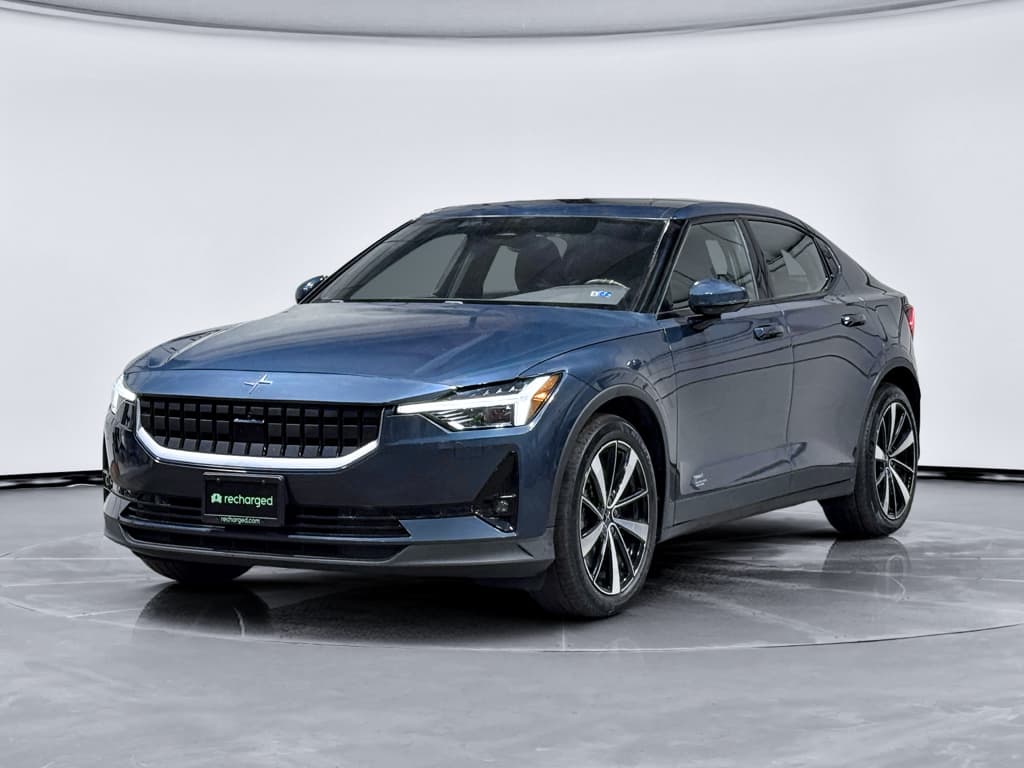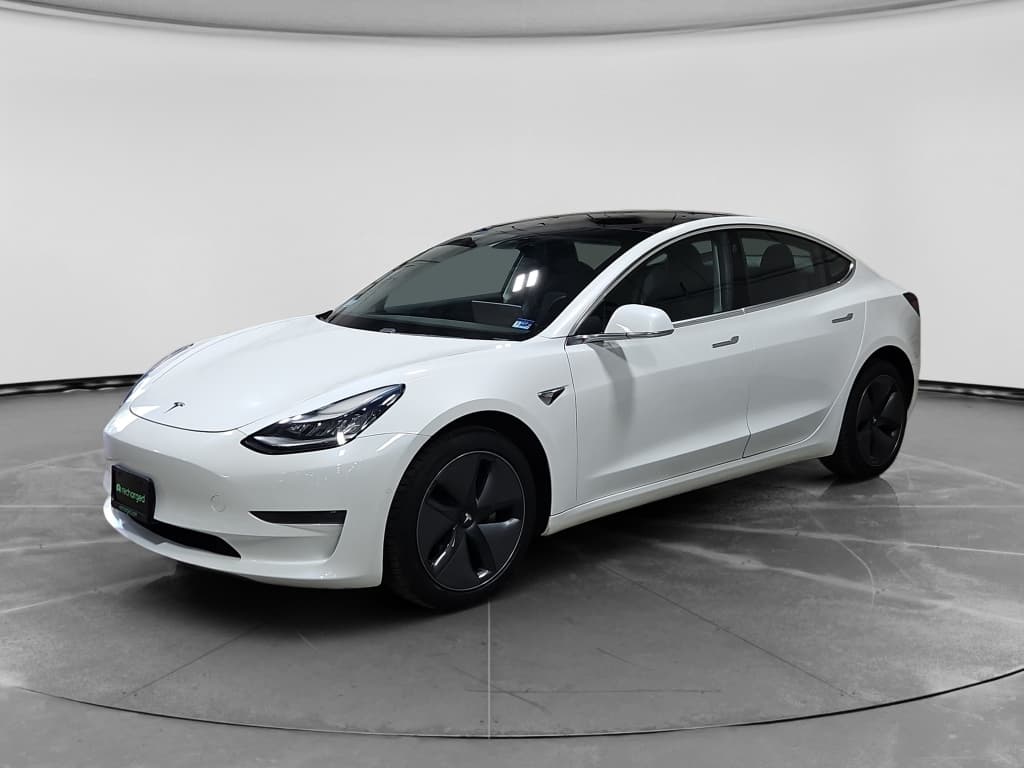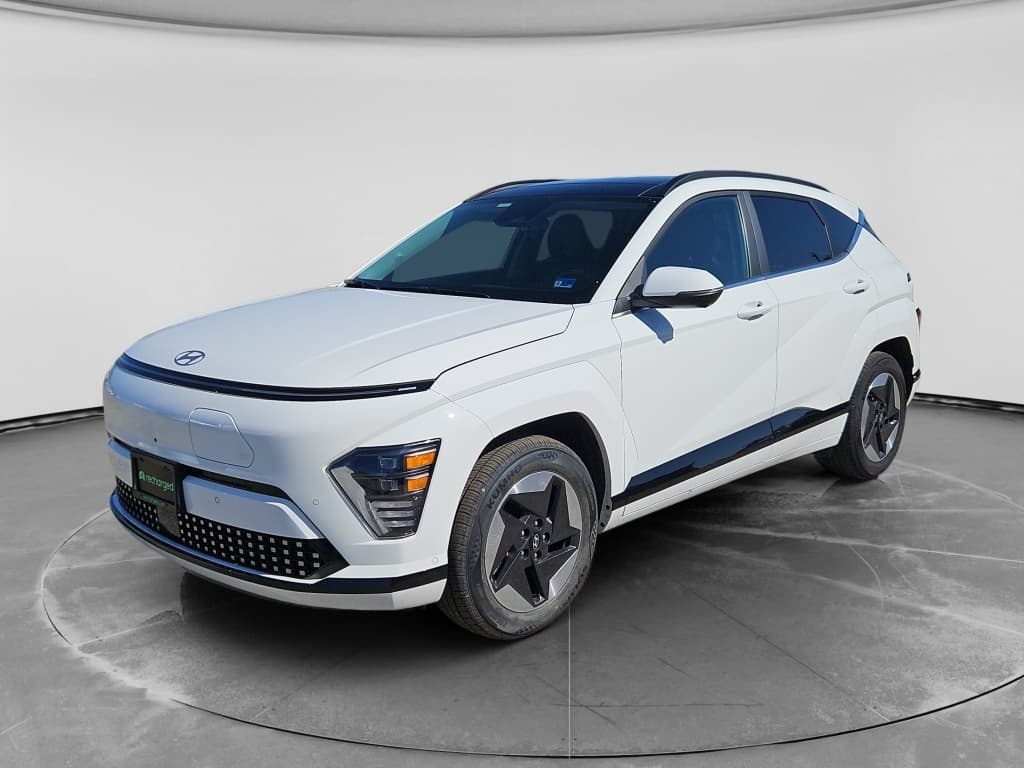
Electric vehicle battery sizing sounds clinical, kilowatt-hours, pack capacities, chemistries, but it’s really about something very human: how much freedom you want between plugs, and how much you’re willing to pay for it. Pick too small a battery and you’re living life with one eye on the range gauge. Pick too big and you’re paying handsomely for capacity you’ll rarely use.
Quick definition
Why electric vehicle battery sizing matters
Battery size is most of the car’s cost
The battery pack is the single most expensive component in an EV. Depending on the model, it can account for 30–40% of the vehicle’s cost. Oversizing means paying thousands of dollars for range you may never use.
Battery size shapes how you live with the car
Pack capacity dictates how often you plug in, how comfortable road trips feel, and how forgiving the car is in winter or at high speeds. The "right" size isn’t the biggest you can afford. It’s the size that matches your real life.
A simple rule of thumb
Battery sizing basics: kWh, range and real-world reality
An EV battery’s capacity is measured in kilowatt-hours (kWh). One kWh is the energy needed to deliver 1 kilowatt of power for one hour. In practical terms, you can think of it as the size of the tank. Range is how far you can drive on that tank.
Three concepts you must understand before sizing a battery
Get these straight and the rest of battery sizing becomes simple.
1. Gross vs usable kWh
Most packs have a buffer. Automakers often quote gross capacity (say 77 kWh), but only allow you to use a bit less (maybe 72 kWh) to protect long-term health. That usable window is what matters for range.
2. Efficiency (Wh/mi or mi/kWh)
Two cars with the same battery can have very different range. A slippery crossover might use 260 Wh/mi, a big brick of an SUV 380 Wh/mi. Battery sizing and efficiency live together.
3. Conditions matter
EPA range numbers are polite fiction. Cold weather, high speeds, roof boxes and big wheels can cut real range by 20–40%. When sizing a battery, you plan for the worst, not the brochure.
Battery size vs roughly expected EPA range
EPA range isn’t gospel
Typical EV battery sizes in today’s market
How current EVs cluster by battery size (rough guide)
Representative examples to give you a feel for how today’s EVs are sized. Exact specs vary by model year and trim.
| Category | Typical capacity (kWh) | Example vehicles | Approx. EPA range |
|---|---|---|---|
| Compact / city BEV | 30–55 | Earlier Nissan Leaf, MINI Electric, Fiat 500e | 100–180 mi |
| Mainstream sedan / crossover | 55–80 | Chevy Bolt EUV, Hyundai Ioniq 5, Tesla Model 3 RWD/Long Range | 220–330 mi |
| Large SUV / premium | 80–120 | Tesla Model X, Mercedes EQS SUV, Kia EV9 | 280–350+ mi |
| Electric pickup / halo | 120–200+ | Rivian R1T Large Pack, GMC Hummer EV | 300–400+ mi (but thirsty) |
Battery sizes are rounded; always check the specific model year you’re considering.
Globally, the average full battery-electric vehicle sold recently carries a pack in the low-60 kWh range, while plug-in hybrids average in the low-20s. That tells you something important: for most people, most of the time, a 60–70 kWh pack is plenty when paired with reasonable charging access.

Step-by-step: how much battery do you actually need?
A simple 6-step method to right-size your EV battery
1. Start with your real daily mileage
Look at 1–3 months of your driving. Many Americans actually drive around <strong>30–40 miles per day on average</strong>, but your commute may be shorter or longer. Use your phone, telematics app, or past fuel receipts to estimate.
2. Decide where you’ll charge most
Home Level 2 charging? Apartment garage? Work chargers? If you can plug in every night, you can live happily with less battery. If you rely on public DC fast charging, having extra capacity is more comfortable.
3. Multiply your worst day, not your average
Think about your <strong>longest regular days</strong>, visiting family, kids’ sports, multi-stop errands. If your worst normal day is 120 miles, build your battery sizing around that, not the 30-mile Tuesday commute.
4. Add a winter and highway buffer
If you live in a cold climate or spend a lot of time at 70–80 mph, assume you’ll lose 25–35% of rated range. A 260-mile EPA car may feel more like 170–190 miles on a frigid interstate day.
5. Decide how low you’re comfortable running
Most drivers don’t like dipping under 10–15% state of charge. If you want to finish a long day with 15% still in the pack, you need to size the battery to cover that margin.
6. Sanity-check against charging network quality
If you live near dense, reliable fast-charging networks, you can get away with less battery. In sparse or unreliable regions, <strong>range is redundancy</strong>, a safety margin on wheels.
A worked example
5 factors that change how much battery you need
The big levers behind battery sizing
Battery capacity is only half the story, your life supplies the other half.
1. Home charging access
If you can plug in every night, think of your car like your phone: small battery, topped off often. If you’re street-parked and public charging is scarce, a larger pack buys convenience.
2. Climate
Cold climates hit range twice: the battery is less efficient and you’re drawing energy for cabin heat. If winter is a serious season where you live, go one size up from what you think you need.
3. Speed & driving style
EVs are most efficient at city and suburban speeds. Aggressive acceleration and 80 mph cruising will move you into the "big pack" category faster than you’d expect.
4. Road-trip frequency
If you do a couple of long trips a year, a medium pack plus good planning works fine. Weekly multi-state drives? That’s when 280–320 miles of honest highway range starts to feel worth it.
5. Vehicle type & aero
Big trucks and boxy SUVs are bricks in the wind. They often need a huge battery just to match the highway range of a sleek sedan with a much smaller pack.
6. Tolerance for planning
Some people love optimizing routes and watching efficiency. Others just want to get in and go. The less you want to think about charging, the more battery you’ll appreciate.
Battery chemistry, usable capacity and pack design
Not all kWh are created equal. How a battery behaves depends on its chemistry and how the automaker chooses to use it. You’ll see terms like LFP (lithium iron phosphate) and NMC (nickel manganese cobalt) in spec sheets and reviews.
LFP packs: durable workhorses
LFP batteries typically have slightly lower energy density, so the same kWh weighs more. But they’re robust and happy living between 20–90% every day, and they tolerate frequent fast charging well. Many modern entry-level trims and high-volume models use LFP to keep costs down.
In practice, that means you can comfortably use more of the battery’s rated capacity without babying it, nice if you’re sizing a smaller pack.
NMC / NCA packs: energy-dense athletes
NMC and NCA chemistries pack more energy per kilogram, which is how you get a 300+-mile SUV without an absolutely ridiculous battery. The tradeoff is that they usually like a bit more pampering: avoid sitting at 100% for long periods, and treat frequent DC fast charging as an occasional tool, not a lifestyle.
When you’re sizing an EV with these chemistries, remember that usable everyday capacity may be a bit less than the badge suggests if you keep it in a conservative charge window.
Gross vs usable: why it matters for sizing
Charging speed vs battery size: the tradeoffs
Battery sizing isn’t only about how far you can go on a charge, it’s also about how quickly you can refill the tank. A small battery on a slow charger can feel like molasses. A big battery with good DC fast charging can turn long trips from math exercise into minor delay.
How battery size and charging speed interact
Approximate times for a modern EV under typical conditions, charging from about 10% to 80%.
| Battery size | AC home charging (7.2 kW) | DC fast (50 kW) | DC fast (150 kW) |
|---|---|---|---|
| 40 kWh | ~5 hours | ~0.5–0.8 hours | ~0.3 hours |
| 60 kWh | ~7.5 hours | ~1.0 hour | ~0.4 hours |
| 80 kWh | ~10 hours | ~1.3 hours | ~0.5–0.6 hours |
These are ballpark figures, real times depend on temperature, charger quality, and the car’s own charging curve.
Think in terms of miles per hour of charging
Battery sizing when you’re shopping used EVs
With used EVs, battery sizing becomes a three-dimensional problem: original pack size, how it was treated, and how it has aged. A 60 kWh car that’s lost 10–15% of its capacity may now behave like a 50-something kWh car. That doesn’t make it a bad buy, but you need to go in with eyes open.
How to think about battery size on a used EV
Capacity today matters more than capacity on the spec sheet.
1. Focus on current health, not day-one specs
A used EV’s window-sticker range may no longer be realistic. What matters for sizing is today’s usable capacity. Tools like Recharged’s Score Report pull real battery health diagnostics so you’re sizing based on what the pack can deliver now, not what it did five years and three owners ago.
2. Check degradation vs your needs
Some degradation is normal. The question is whether the remaining capacity still covers your long days with a buffer. A used EV that started at 75 kWh and is now effectively 67 kWh may still be more than enough for a 40-mile commute plus weekend adventures.
Where Recharged fits in
Ready to find your next EV?
Browse VehiclesUsed EV battery sizing checklist
Confirm current battery health
Ask for a recent battery health report or diagnostic. With Recharged, this is baked right into the Score Report so you know how much capacity is left.
Compare remaining range to your worst days
Use the same sizing method as with a new EV, but plug in the <strong>realistic current range</strong>, not the original EPA figure.
Review charging behavior history where possible
Long-term storage at 100% and constant DC fast charging can accelerate wear. It’s not necessarily a deal-breaker, but it should factor into the price you’re willing to pay.
Look at warranty status
Many EVs carry battery warranties around 8–10 years and 100k miles, often promising to repair or replace if capacity drops below a certain threshold. If that coverage is still in play, it reduces your risk.
Common battery sizing mistakes to avoid
- Buying the biggest battery "just in case" and paying a huge premium for range you use twice a year.
- Underestimating winter and highway range loss when you live in a cold climate or drive fast.
- Sizing based only on EPA range instead of your actual daily patterns and worst days.
- Ignoring charging access, especially at home and work, when deciding how much battery you need.
- Assuming an older, short-range used EV can magically become a long-distance road-tripper with fast charging alone.
The most expensive mistake
EV battery sizing FAQ
Frequently asked questions about electric vehicle battery sizing
Bringing it together: choosing your right-size battery
When you strip away the jargon, electric vehicle battery sizing comes down to three questions: How far do you really drive on your worst normal days? Where and how often can you charge? And how much are you willing to pay to reduce the planning in your life to near zero? Get honest answers to those, and the right battery size usually reveals itself.
For many drivers, that answer is pleasantly modest: a well-engineered EV with a 60–75 kWh pack, honest real-world efficiency, and reliable Level 2 charging at home or work. If you’re cross-shopping used EVs, that’s exactly where Recharged leans in, pairing verified battery health data, fair pricing, and expert EV guidance so you can pick the pack that fits your life instead of chasing the biggest number on the spec sheet.