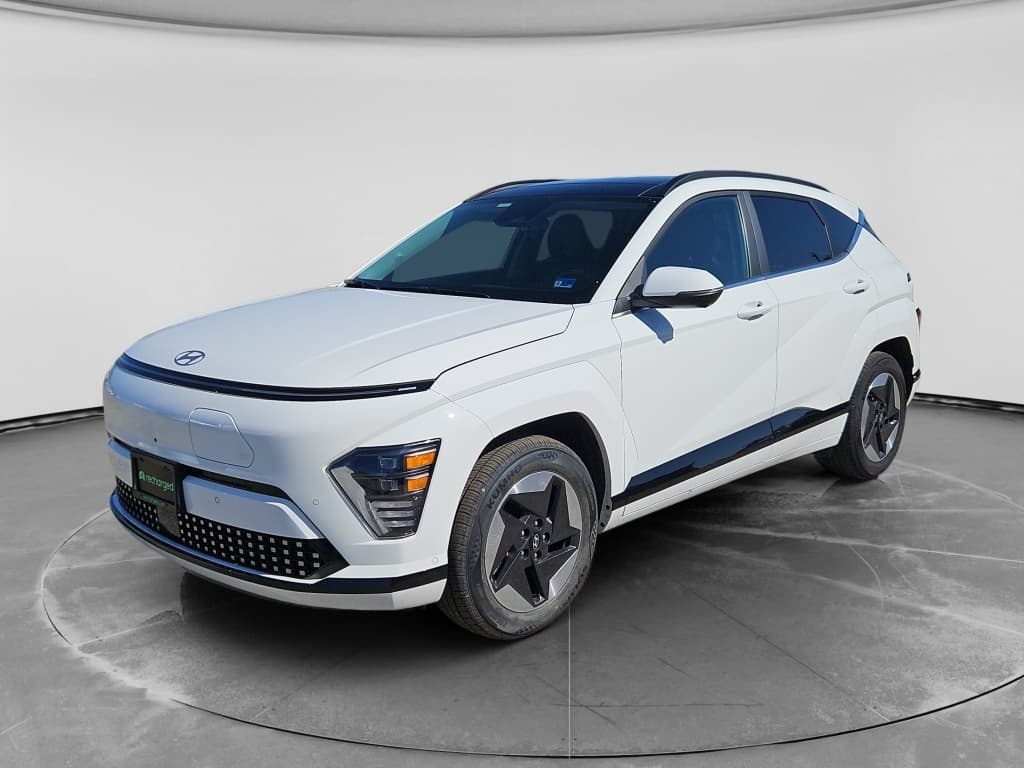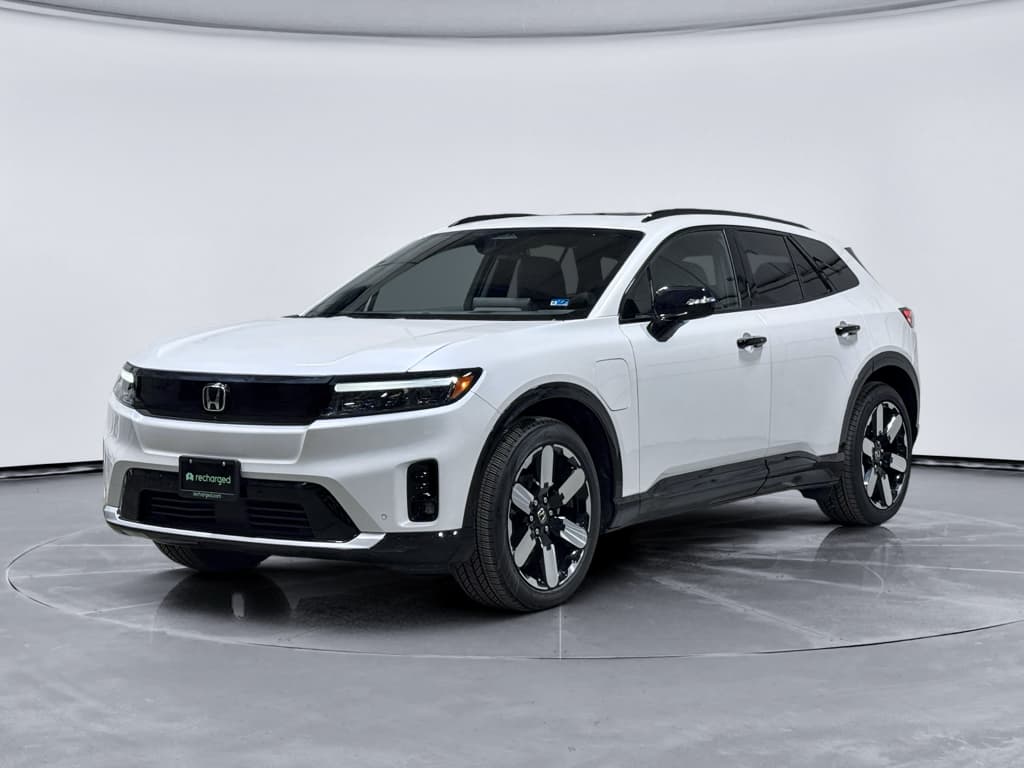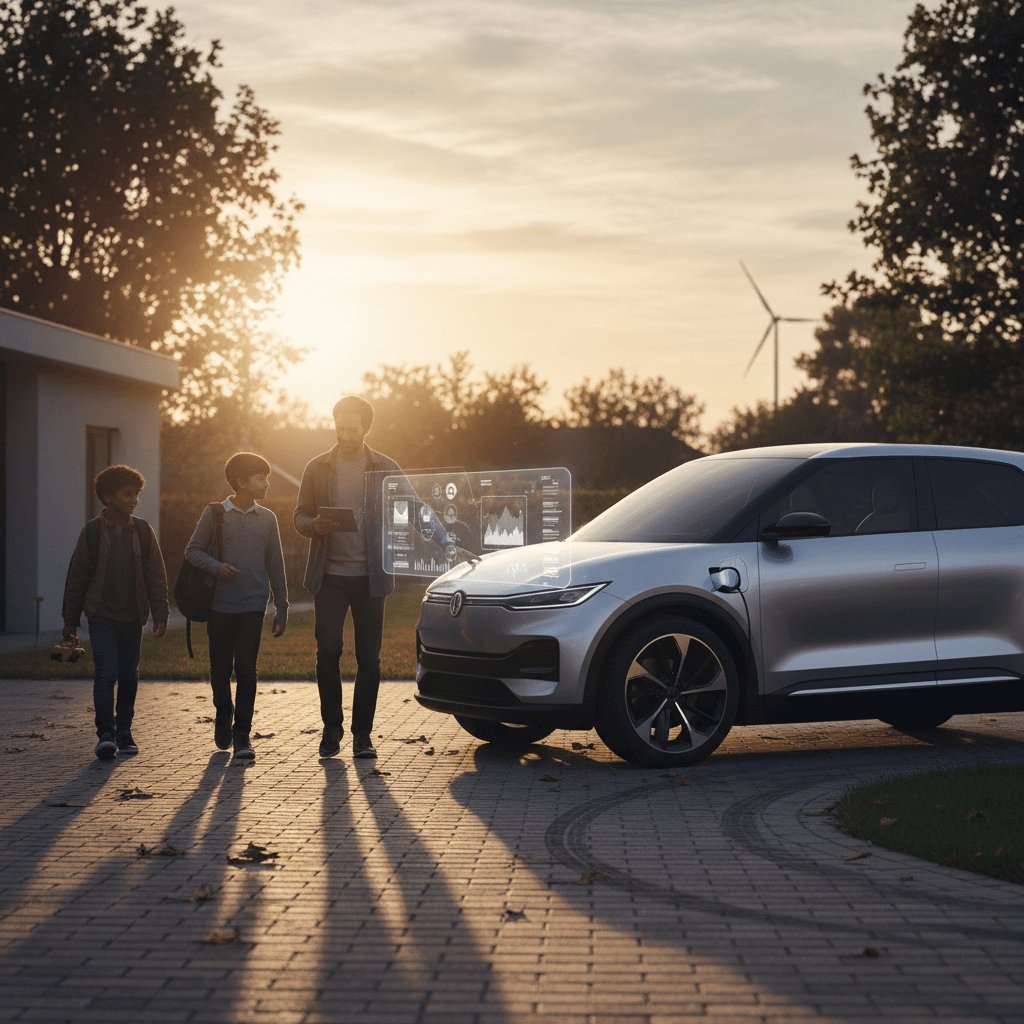
Scroll any U.S. dealership lot right now and you’ll notice something: almost every new EV is an electric SUV or crossover. The market has decided that tall, practical and family‑friendly is the default EV shape. The question for you isn’t “are electric SUVs coming?”, they’re already here. It’s whether one actually fits your life, your budget and your nerves about range, charging and battery health.
Quick definition
Why electric SUVs are everywhere right now
Americans buy SUVs the way the British buy tea. In 2024, the best‑selling EV in the U.S. was the Tesla Model Y, a compact electric SUV that alone grabbed roughly a third of the EV market. Models like the Ford Mustang Mach‑E, Hyundai Ioniq 5, Kia EV6, Kia EV9 and Rivian R1S make up much of the rest of the growth story. The industry simply followed the money: put the battery under a body shape people already want.
Electric SUVs by the numbers (U.S. 2024–2025)
Electric SUV market snapshot in 2025
By late 2025, the electric SUV landscape is crowded and oddly bifurcated: you’ve got approachable family crossovers in the $35,000–$50,000 band, and then moon‑shot luxury rigs in six‑figure territory. In between, there’s a growing used market where the real value lives, especially if you’re willing to buy a 2–4‑year‑old electric SUV instead of a brand‑new one.
Three price bands for electric SUVs
Where most buyers actually land
Accessible family EVs
Typical price: mid-$30Ks to mid-$40Ks (before incentives).
Examples: Chevrolet Equinox EV, Hyundai Ioniq 5, Kia EV6, Nissan Ariya, Ford Mustang Mach‑E.
These are the workhorses: school runs, Costco, soccer, rinse and repeat.
Near‑luxury crossovers
Typical price: $50K–$75K.
Examples: Kia EV9, Cadillac Lyriq, Polestar 3, Volvo EX90 (coming into the range), Genesis GV60.
More power, more leather, more screens, and bigger batteries.
Flagship luxury SUVs
Typical price: $80K–$130K+.
Examples: Rivian R1S, Mercedes‑Benz EQS SUV, BMW iX, Cadillac Escalade IQ.
Think rolling tech showcases with 3 rows, 0–60 sprints in sports‑car territory and battery packs the size of small power plants.

Electric SUV vs gas SUV: what really changes
What gets better
- Running costs: Electricity is typically cheaper per mile than gasoline, and electric SUVs need less maintenance, no oil changes, fewer moving parts, no exhaust system.
- Drive experience: Instant torque, quiet cabins and low centers of gravity make EV SUVs feel smoother and quicker than their gas counterparts.
- Home "refueling": You wake up every morning with a full “tank” if you have Level 2 charging at home.
What gets trickier
- Road‑trip logistics: You’ll plan charging stops instead of gas stops, and you need to know your preferred networks.
- Up‑front price: New electric SUVs still tend to cost more than equivalent gas SUVs, although tax credits and used prices narrow the gap.
- Battery health: On the used market, you’re not just buying a car, you’re buying the life story of a battery pack.
Where Recharged fits in
The three main types of electric SUVs
- Compact crossovers: Think Hyundai Ioniq 5, Tesla Model Y, Ford Mustang Mach‑E. These drive like tall hatchbacks, perfect for commuters, young families or city dwellers who want a small footprint and decent cargo space.
- Mid‑size 2‑row SUVs: Kia EV6, Chevrolet Blazer EV, Nissan Ariya, Polestar 3. More rear‑seat space, more comfort, still easy to park.
- 3‑row and full‑size SUVs: Kia EV9, Rivian R1S, Mercedes‑Benz EQS SUV, Cadillac Escalade IQ. If you haul kids, grandparents, dogs and a Costco pallet, this is your aisle. The price of admission: bigger sticker, bigger battery, bigger wheels.
Don’t buy the wrong size
Range: how much you actually need
Range is the electric SUV bogeyman. Automakers stoke it, marketers polish it, and buyers obsess over it. But most people wildly overestimate how much they really need. The average U.S. commute is still under 40 miles a day; many mainstream electric SUVs now offer 260–330 miles of EPA‑rated range, with long‑range outliers pushing past 400 miles.
Electric SUV range bands & what they’re good for
Match your real life to the right range, not the spec‑sheet flex.
| EPA range (approx) | What it covers | Typical examples |
|---|---|---|
| 220–260 miles | Daily driving, short trips, occasional road trips with more planning. | Entry trims of Ford Mustang Mach‑E, some Hyundai Ioniq 5 and Kia EV6 variants. |
| 260–320 miles | Sweet spot for most families, comfortable commuting plus normal weekend getaways. | Hyundai Ioniq 5 long‑range, Kia EV9 mid trims, Chevy Blazer EV, Tesla Model Y Long Range. |
| 320–400+ miles | Heavy highway use, long‑distance commuters, frequent road‑trippers. | Rivian R1S with larger packs, Cadillac Lyriq, Polestar 3, some upcoming full‑size SUVs. |
| 430–460+ miles | Overkill for most, but handy if you tow or live in cold climates and travel long distances. | Cadillac Escalade IQ and similar flagship electric SUVs with huge battery packs. |
EPA ranges are estimates; cold weather, speed and towing all reduce real‑world numbers.
Cold‑weather reality check
Charging an electric SUV: home, public, road trips
An electric SUV isn’t just a big battery with seats. It’s a lifestyle edit: you trade five‑minute gas stops for fueling while you sleep or shop. The trick is understanding how the different charging pieces fit together.
Three charging pillars for electric SUVs
If two of these are strong, ownership is easy
Home charging
Best case: Level 2 (240‑volt) charger in your garage or driveway.
- Roughly 25–40 miles of range per hour of charging for many electric SUVs.
- Often the cheapest electricity you’ll buy.
- Set it and forget it overnight.
Public Level 2
Think workplace chargers, municipal lots, hotels.
- Great for topping up while you’re parked for hours anyway.
- Many are free or low‑cost.
- Not ideal as your only fuel source unless you have predictable access.
DC fast charging
Your road‑trip and emergency option.
- Can add 100–200 miles in 20–30 minutes on supporting vehicles.
- Networks include Tesla Supercharger, Electrify America, EVgo and others.
- Expect higher per‑kWh costs than home charging.
Good news about connectors
Standout electric SUV models in 2025
The roster of electric SUVs is now long enough to make your eyes glaze over, so let’s keep this high‑impact rather than encyclopedic. Here are a few nameplates you’ll see again and again when you shop, whether new or used.
Representative electric SUVs you’ll keep bumping into
Not exhaustive, just the greatest hits by role
Hyundai Ioniq 5 / Kia EV6
Arguably the benchmark compact electric SUVs right now.
- Striking design, comfortable ride, strong efficiency.
- EPA ranges up around the low‑300‑mile mark on certain trims.
- 800‑volt architecture on some variants for very fast DC charging.
On the used market, these can be excellent value if the battery checks out.
Kia EV9 & Rivian R1S
If you need a genuinely useful 3‑row electric SUV, these two are on your short list.
- Room for six or seven, depending on configuration.
- Rivian leans toward off‑road adventure; EV9 leans family luxury.
- Both offer 280–330+ miles of range depending on spec.
Cadillac Lyriq & Mercedes‑Benz EQS SUV
Electric SUVs for people who equate silence with luxury.
- Plush interiors, advanced driver‑assist systems.
- ~300‑mile ranges on many trims.
- Ideal if you live on the highway and want comfort more than canyon‑carving.
Adventure & lifestyle SUVs
Think Ford Mustang Mach‑E, Subaru‑adjacent crossovers and upcoming rugged trims from Volvo and others.
- More ground clearance, all‑wheel drive, sometimes faux‑overland styling.
- If your “camping trip” includes Wi‑Fi and cold brew, this is you.
Electric SUVs are where America’s affection for big, comfy vehicles collides with the silent brutality of electric torque. The result is something like a family room on fast‑forward.
What an electric SUV really costs to own
Sticker price is only the opening bid. To understand whether an electric SUV makes sense, you have to look at total cost of ownership: energy, maintenance, insurance and depreciation. The good news is that two of those usually swing in your favor.
Where you save
- Fuel: Even with recent electricity price bumps, most owners still pay less per mile than with gasoline, especially if you can charge off‑peak at home.
- Maintenance: No oil, no spark plugs, no timing belts. You’re mostly dealing with tires, cabin filters and the occasional brake service.
- Brakes: Regenerative braking means pads and rotors often last longer than in gas SUVs.
Where costs can rise
- Insurance: Electric SUVs can be pricier to insure due to higher repair costs and expensive electronics.
- Depreciation: EV resale values are still volatile; some models drop sharply as new tech arrives.
- Public fast charging: If you rely heavily on DC fast charging instead of home charging, your “fuel” bill can rival or exceed gas in some regions.
New vs used math
Buying a used electric SUV the smart way
On the used market, an electric SUV can either be a screaming deal or a very expensive chemistry experiment. Batteries age; charging habits matter; software updates can change range and performance. You need more than a Carfax and a handshake.
Key checks before you buy a used electric SUV
1. Get objective battery‑health data
Capacity loss is the big one. Ask for a recent battery‑health report, not just the in‑car state‑of‑charge bars. Recharged’s <strong>Score Report</strong> uses professional diagnostics to show usable capacity and overall pack health.
2. Review charging history
Frequent DC fast charging at high states of charge, lots of time parked fully charged in hot climates, these can accelerate degradation. Ask the seller how and where the SUV has usually been charged.
3. Confirm software and recalls
EVs live and die by their software. Make sure all recalls and major software updates have been applied; they can affect range, charging speed and safety features.
4. Inspect tires and suspension
Electric SUVs are heavy. That extra weight is hard on tires, bushings and dampers. Uneven tire wear can hint at alignment or suspension issues.
5. Test real‑world efficiency
On the test drive, reset the trip computer, do a mixed loop and note the kWh/100 miles or mi/kWh. Compare it with EPA ratings to see whether this specific car is unusually thirsty.
6. Check charging‑port standard & adapters
In the U.S., make sure you understand whether the SUV uses CCS, NACS or both, and what adapters are included. This dictates which fast‑charging networks are easy to use.
How Recharged de‑risks used electric SUVs
Ready to find your next EV?
Browse VehiclesChecklist: choosing the right electric SUV for you
A quick self‑audit before you fall for a press photo
1. Map your real daily mileage
Track a normal week of driving. If you’re under ~60 miles a day, you don’t need a 400‑mile behemoth unless you just want it.
2. Be honest about seating needs
How often do you actually need three rows? If it’s a few trips a year, consider a 2‑row electric SUV plus occasional rentals for big family gatherings.
3. Decide where the SUV lives
Apartment, townhouse, single‑family home? Home charging is the single biggest quality‑of‑life upgrade with an electric SUV. If you can’t install Level 2, prioritize models with strong fast‑charging and think through workplace or public charging options.
4. Choose your charging ecosystem
In your area, which networks are dense, Tesla Supercharger, Electrify America, others? Make sure your SUV’s port (NACS or CCS plus adapter) matches reality on the ground, not just the brochure.
5. Set a hard budget, then total it
Include financing, insurance quotes, expected electricity costs and any home‑charger installation. A used electric SUV from Recharged can often slot under your budget with a higher trim than you’d get new.
6. Prioritize what actually matters
For some buyers it’s range; for others it’s interior space, safety ratings, towing, or ride comfort. Rank your top three must‑haves and ignore the noise.
Electric SUV FAQ
Common questions about electric SUVs
Bottom line: who should buy an electric SUV?
An electric SUV makes the most sense if you love the practicality of a crossover, you can reliably charge at home or work, and you’d like your daily driving to feel more like gliding than grinding. If most of your miles are city and suburban errands with a few road trips sprinkled in, a 260–320‑mile electric SUV quietly turns range anxiety into background noise.
Where it gets genuinely interesting is the used market. A well‑chosen 2‑ or 3‑year‑old electric SUV can deliver 90% of the tech and range of a new one at a sizable discount, provided the battery checks out and the price reflects reality, not wishful thinking. That’s the problem Recharged is built to solve with verified battery diagnostics, transparent pricing and EV‑savvy support from your first online search to the moment the SUV lands in your driveway.
If you’re ready to move past the hype and into something that fits your driveway and your life, start by mapping your real needs, then explore used electric SUVs with objective battery data in hand. The right electric SUV doesn’t just change what you drive; it quietly rewrites how you think about owning a vehicle at all.