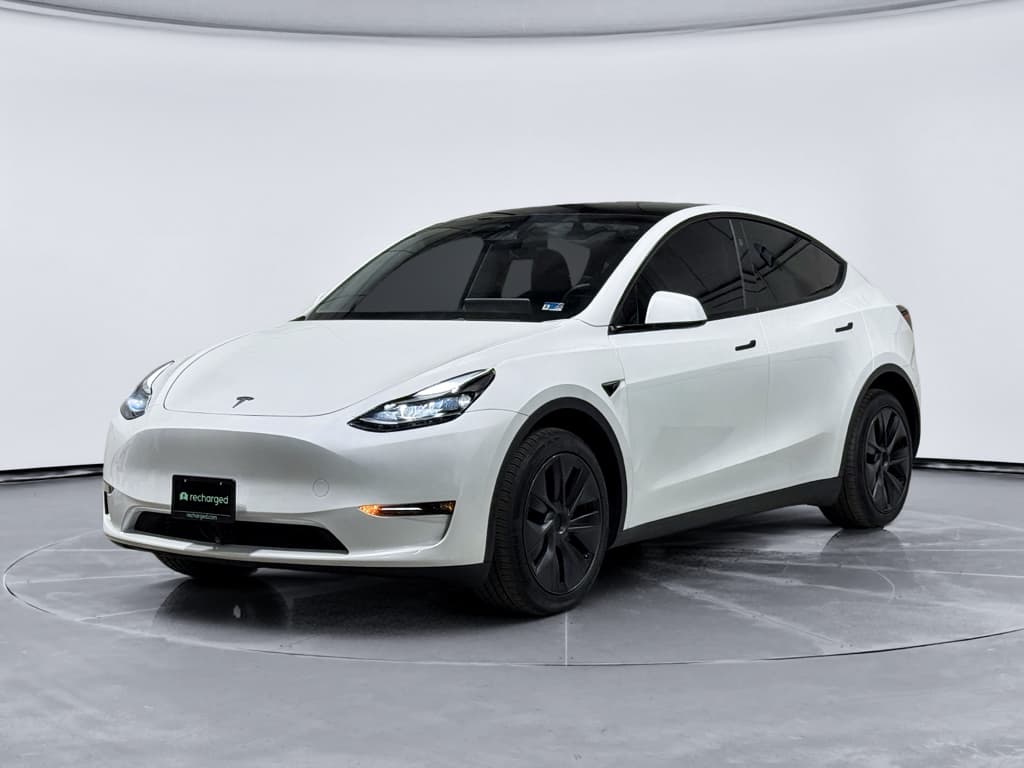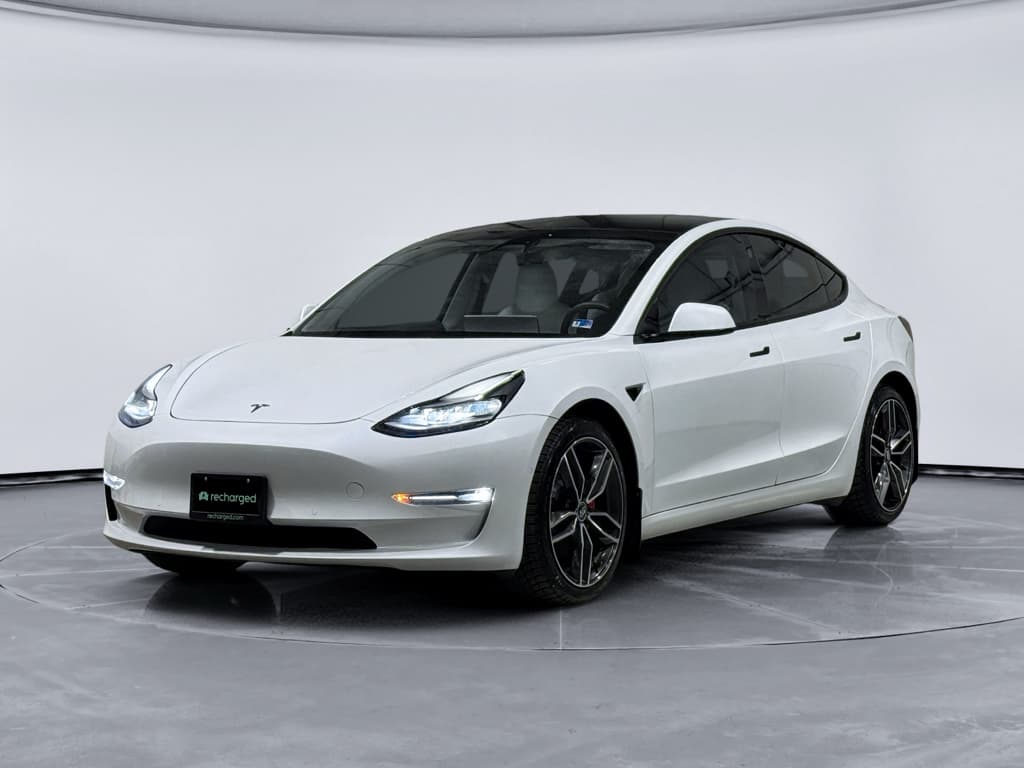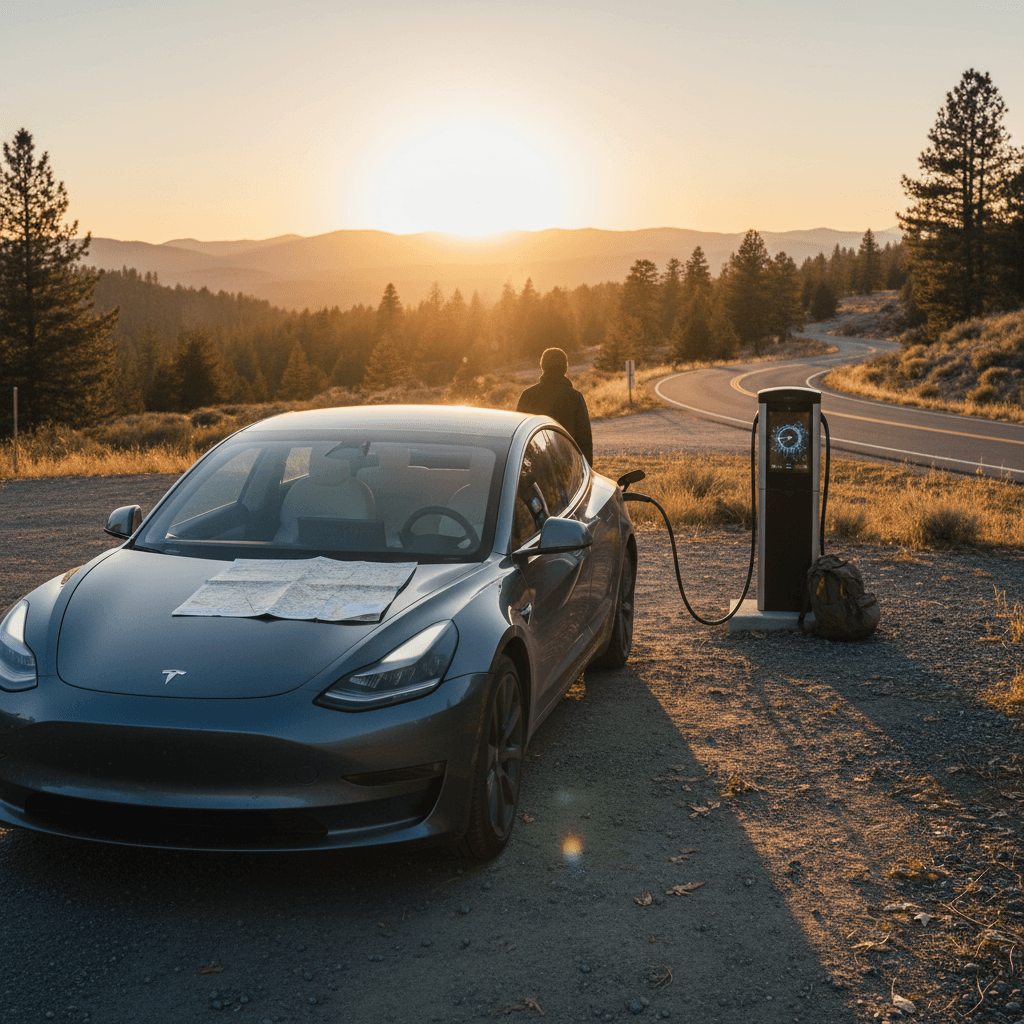
You’ve probably noticed more electric rental cars showing up when you book travel, Teslas in the premium row, compact EVs in the “manager’s special,” and even short‑term rentals directly from carmakers. Done right, an electric rental can be quiet, quick, and cheap to run. Done wrong, it can turn into hunting for chargers at midnight with 12 miles of range left. This guide will help you land on the right side of that equation.
Quick definition
Why electric rental cars are everywhere now
Electric rental cars are moving mainstream
Electric rental cars are growing quickly because they line up with what both travelers and companies want. Business travelers and vacationers are looking for lower emissions and lower fuel costs, while rental companies are under pressure, from regulators, investors, and corporate clients, to shrink their carbon footprint. At the same time, more EV models with longer range and faster charging are entering the used market, making them attractive fleet buys.
The Hertz lesson
Pros and cons of electric rental cars
The real‑world upsides and downsides
Use this to decide if an EV rental fits your next trip.
Key benefits
- Lower running costs: In many areas, charging an EV is cheaper than buying gasoline, especially if your hotel offers free Level 2 charging.
- Smoother drive: Instant torque, quiet cabins, and one‑pedal driving make long days behind the wheel less tiring.
- HOV & preferred parking: Many destinations offer EV‑only parking or access to faster lanes and discounted tolls.
- Built‑in navigation: Modern EVs are better at routing you to chargers than most gas cars are at routing you to gas stations.
Key drawbacks
- Charging time: Even fast chargers take longer than a gas stop. You must build charging into your schedule.
- Learning curve: If you’ve never driven an EV, regeneration, charging apps, and connectors are all new variables.
- Coverage gaps: Rural areas may have few fast chargers, or unreliable ones.
- Return‑charge rules: Many rental companies charge a hefty fee if you bring the car back below a set battery level.
Two questions to ask yourself first
Range and charging basics for EV rentals
You don’t need to become an engineer to enjoy an electric rental car, but you do need a working knowledge of range and charging levels. Think of range like the size of your gas tank, and charging like the speed of the pump.
Charging levels you’ll see with electric rental cars
Rough real‑world numbers, your exact experience will vary by model, temperature, and charger quality.
| Charging type | Also called | Typical location | Time for ~0–80% | Best use case |
|---|---|---|---|---|
| Level 1 | 120V wall outlet | Older homes, friends/family | 24–40 hours | Last‑resort top‑up only |
| Level 2 | 240V charger | Hotels, parking garages, workplaces | 4–10 hours | Overnight charging at hotel or rental house |
| DC fast charging | Level 3, fast charger | Highways, big shopping centers | 20–60 minutes | Road‑trip charging while you eat or shop |
Use faster DC fast chargers on the road, and slower Level 2 overnight when possible.
Range reality check
- For city‑only trips with short daily mileage, a smaller EV with 200 miles of rated range is usually plenty.
- For mixed highway driving and sightseeing, aim for 240–280 miles of range.
- For cold‑weather or mountain trips, treat extra range as cheap insurance.
How to choose the right electric rental car
Checklist: picking an electric rental that fits your trip
1. Start with your daily mileage
Roughly add up the miles you’ll drive each day. If you’ll routinely exceed half the car’s rated range, you’ll be relying heavily on fast chargers, build that time into your schedule or pick a longer‑range model.
2. Look for built‑in EV routing
Teslas and many newer EVs can automatically route you to fast chargers along your route. That’s a major stress reducer for first‑time EV renters.
3. Decide on body style and space
If you’re hauling luggage or family, a compact crossover EV (Tesla Model Y, Hyundai Ioniq 5, VW ID.4) will be more forgiving than a tiny hatchback.
4. Confirm charging cable and adapters
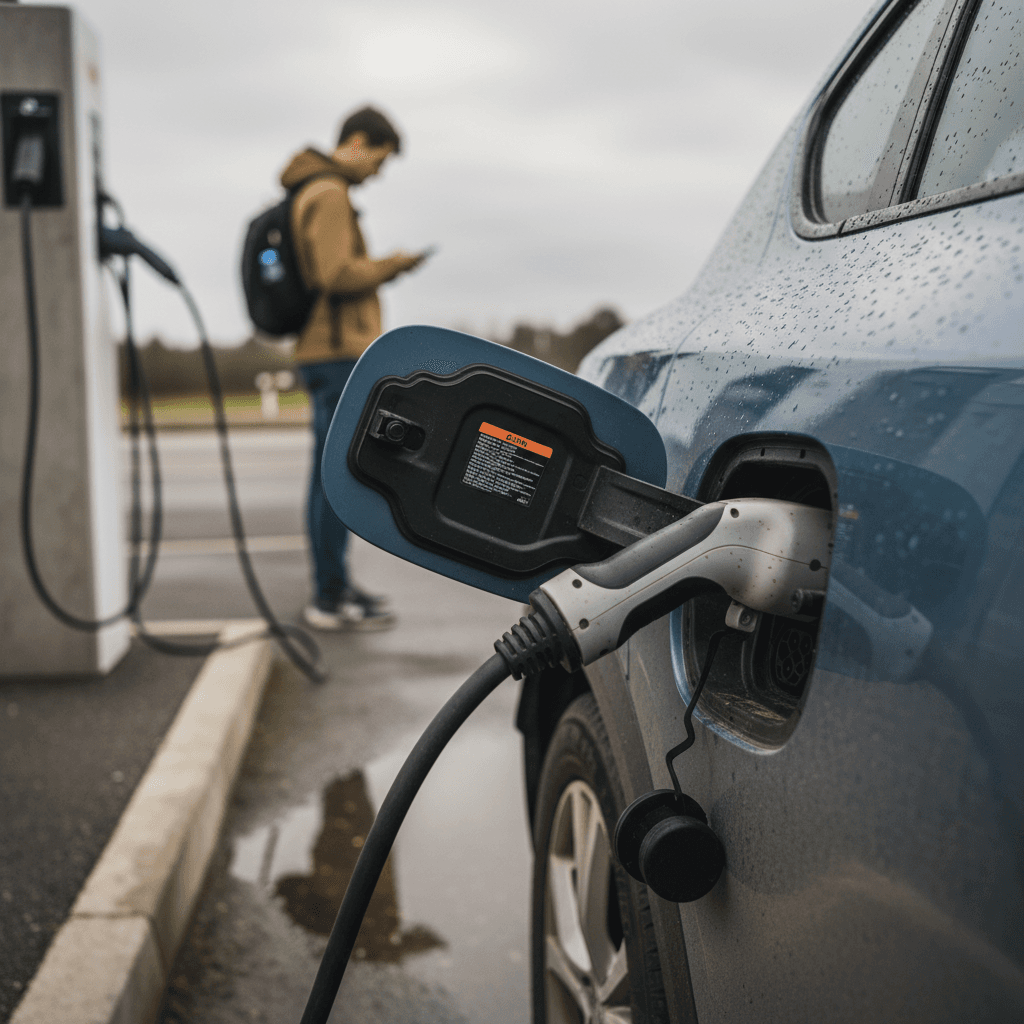
Ask the rental counter whether the car includes a portable charging cable and which connector it uses. Note what you’ll need to charge at hotels or local stations.
5. Read the return‑charge policy
Some companies require a minimum battery percentage at return, often 70–80%. Failing to meet it can trigger significant fees, so understand the rules up front.
6. Check your own comfort level
If you’re nervous and on a tight work trip with no time for learning curves, consider renting electric for a shorter weekend first, then building up to a longer EV road trip.
Planning a trip with an electric rental car
Before you pick up the car
- Map your route with chargers: Use apps like PlugShare, ChargePoint, or your rental EV’s built‑in navigation to identify fast chargers along your path.
- Call your hotel: Ask if they have Level 2 chargers on site and whether you need to reserve a spot or bring your own cable.
- Book the EV explicitly: Instead of a vague “manager’s special,” choose a specific EV category so you’re less likely to be swapped into a gas car, or into an EV you didn’t expect.
During your trip
- Charge while you live: Plug in when you eat, sleep, or shop instead of making separate charging stops.
- Arrive with a buffer: Aim to reach chargers with at least 10–15% battery remaining, especially in unfamiliar areas.
- Watch charging speed: Fast charging slows above ~80%. Often it’s smarter to unplug around 60–80% and keep moving instead of waiting for a full charge.
Aim for one significant charge per day
Costs, fees, and insurance for EV rentals
On the surface, daily rates for electric rental cars can be similar to, or slightly higher than, comparable gas cars. The savings usually show up in energy costs, electricity instead of gasoline. But the fine print matters.
Where the money actually goes
Look beyond the daily rate when comparing an electric rental to a gas car.
Energy costs
Charging at public DC fast chargers is often cheaper than gas per mile, especially if you avoid the most expensive networks and peak times. Hotel or workplace Level 2 charging can be free or flat‑fee.
Return‑charge fees
Many rental companies charge a fee if you return the EV below a specific state of charge. Ask: What’s the minimum battery percentage? and What’s the fee if I’m below it?
Insurance & damage
EVs have different repair costs and may have higher damage charges for wheels, tires, and batteries. Confirm your personal auto policy or credit card coverage applies to EV rentals before you decline the company’s coverage.
Read EV‑specific fine print
Common electric rental car pitfalls (and how to avoid them)
- Getting a car with low charge at pickup. Don’t accept an EV that’s nearly empty unless you’re sure a fast charger is very close. Ask the agent to note the starting charge and where they expect you to top up first.
- Overestimating real‑world range. Don’t plan the day around the maximum EPA rating. Plan around roughly 70–80% of it, especially in winter or at highway speeds.
- Assuming chargers always work. Build in a backup charger within 10–20 miles. If the first station is down or busy, you won’t be scrambling.
- Ignoring parking and charging rules. In many lots, you can’t leave the car in an EV charging space after it’s full. You may be ticketed or towed, even in a rental.
- Returning below the required charge. It’s easy to forget to fast charge on the way back to the airport. Set a reminder the day before return to charge to whatever level the contract requires.
Don’t drive to 0%
When an electric rental car makes sense, and when it doesn’t
Great situations for electric rental cars
- City breaks and conferences: You’re mostly in town, daily miles are modest, and hotels often have Level 2 chargers.
- Interstate road trips on major routes: Fast chargers cluster along busy highways, and many EVs will route you directly to them.
- Test‑drive vacations: You’re already EV‑curious and want a few days to live with one before buying or leasing.
Situations where gas may be simpler
- Remote rural travel: Sparse charging and uncertain coverage make EVs harder to manage.
- Tight schedules and long days: If you’re already pressed for time, adding 30–40 minute charging stops may feel stressful.
- Extreme cold with heavy loads: Range drops are more severe, and charging can be slower in very low temperatures.
Turning an EV rental into a smart test drive
One underrated use of electric rental cars is as an extended, real‑world test drive. A weekend or week‑long rental tells you far more about EV life than a 15‑minute loop with a salesperson. You’ll learn how charging fits your routine, how range feels on your actual routes, and whether your passengers like the experience.
If you’re EV‑curious, use your rental wisely
Treat your trip like a rehearsal for future ownership.
Track your charging habits
How often did you actually need to fast charge? Did hotel or workplace charging cover most of your needs? Note how many minutes per day you spent plugged in versus driving.
Watch real usage
Compare the car’s projected range to your actual range at different speeds and temperatures. That’s the best preview of what ownership would feel like.
Evaluate comfort & tech
Is the ride quiet enough? Do you like the infotainment system? Can everyone’s devices stay charged? These quality‑of‑life details matter more than a spec sheet.
If you discover that EV life suits you, that’s where Recharged can help. Instead of jumping into a brand‑new car with a big depreciation hit, you can shop used EVs with verified battery health through Recharged. Every vehicle comes with a Recharged Score Report so you can see how the battery has actually aged, something your rental experience alone can’t tell you.
Electric rental cars: FAQ
Frequently asked questions about electric rental cars
Bottom line on electric rental cars
Electric rental cars are no longer a niche experiment. For the right trip, city breaks, major‑corridor road trips, or an extended test drive before you buy, they can be cheaper to run, more relaxing to drive, and genuinely enjoyable. The trade‑off is that you must think a bit more about where and when you’ll charge.
If you’re willing to plan your days around one good charge and keep a modest buffer in the battery, an electric rental car can turn your next trip into a low‑stress, low‑emission trial run for the future. And if that trial run convinces you it’s time to own an EV, Recharged is ready with verified battery‑health reports, fair market pricing, financing, trade‑in options, and nationwide delivery, so your move from rental to ownership is just as smooth as your first electric drive.