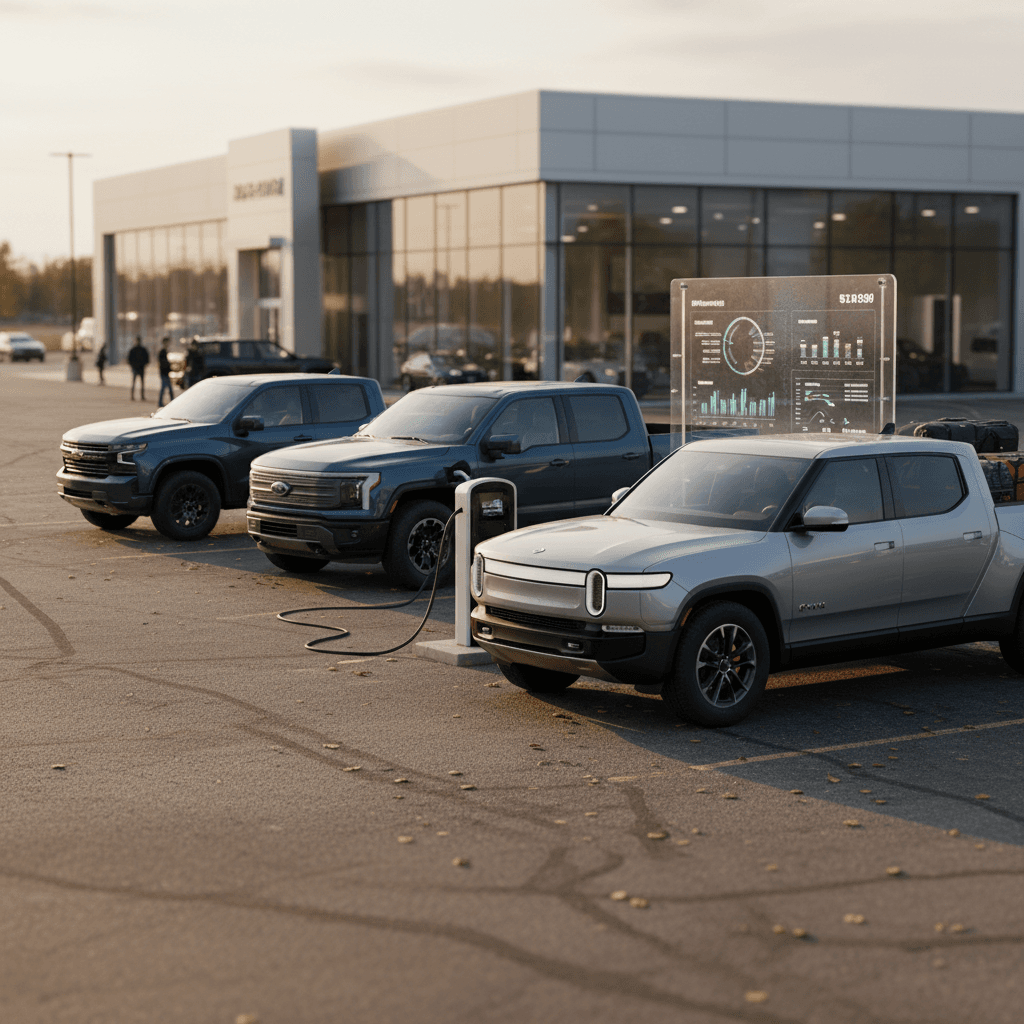
If you’ve been eyeing an electric pickup truck, you’re not alone. From Ford’s F-150 Lightning to Chevrolet’s Silverado EV and Tesla’s Cybertruck, battery-powered trucks are finally hitting American driveways, job sites and campgrounds in real numbers. But they’re also new enough that it’s hard to separate marketing hype from day‑to‑day reality, especially if you’re coming out of a gas or diesel rig.
Quick snapshot: electric pickups in 2025
Why electric pickup trucks are surging in 2025
Electric pickup truck market at a glance
Electric pickups are gaining traction for a few simple reasons: they’re quiet, brutally quick, and cheap to run compared with similarly capable gas trucks. For contractors and small‑business owners, the ability to power tools from the truck, skip oil changes, and tap into instant torque is a real draw. For families, an electric pickup truck doubles as a comfortable daily driver that can tow a camper on weekends and cruise emissions‑free around town during the week.
Think beyond fuel savings
How an electric pickup truck actually works
From engine bay to battery pack
Instead of a V6 or V8, an electric pickup truck uses one or more electric motors powered by a large lithium‑ion battery pack. The battery is usually mounted low in the frame, which helps handling and frees up space under the hood for a front trunk ("frunk") on many models.
- Motors: Typically one in front and one in back for all‑wheel drive.
- Battery: Packs around 100–200 kWh in current full‑size trucks.
- Frunk: Lockable, weather‑sealed storage where the engine used to sit.
Charging & power flow
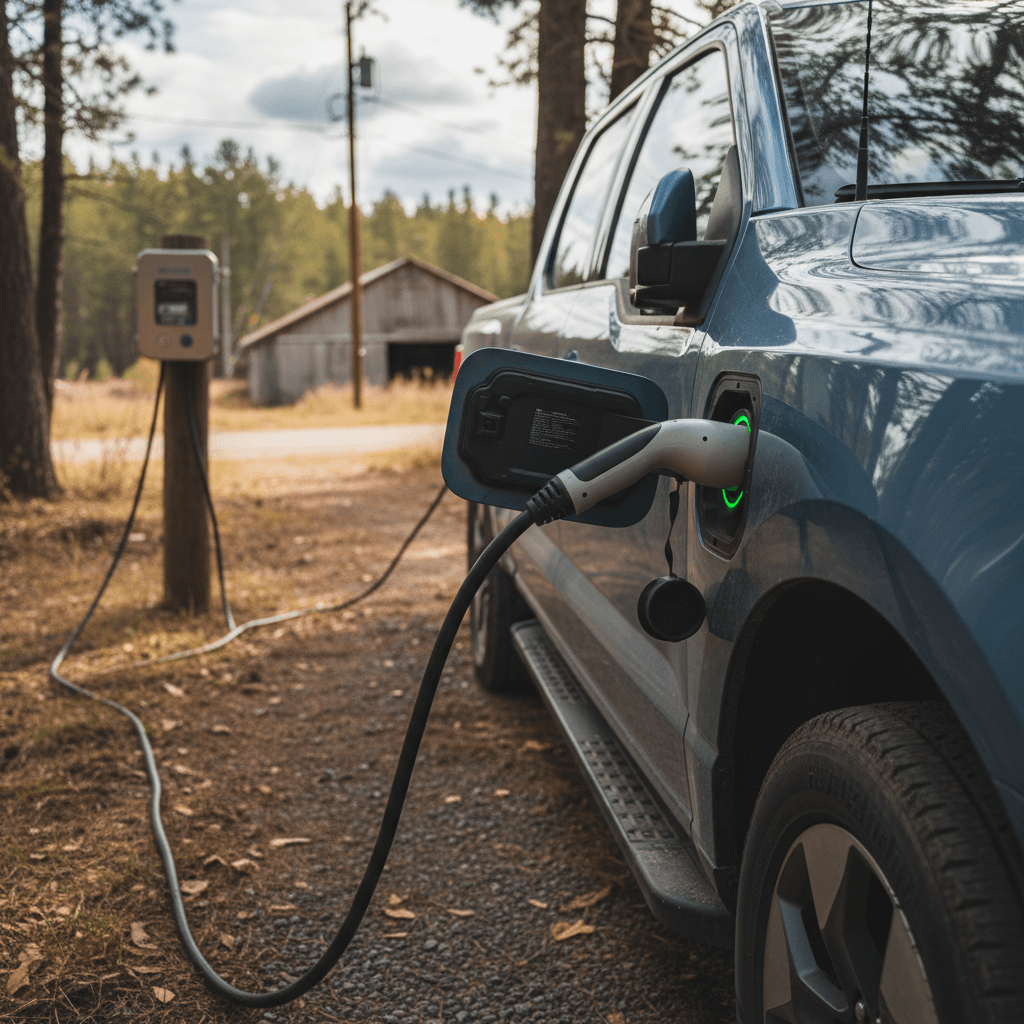
You plug an electric truck into an AC home charger or a DC fast charger on the road. The battery stores energy, then inverters convert it to power the motors and onboard accessories.
- AC charging: Level 2 home chargers typically add 15–35 miles of range per hour.
- DC fast charging: Road‑trip chargers can add 100 miles in about 10 minutes on some models.
- Vehicle‑to‑load: Many pickups now provide 120V/240V outlets in the bed or cabin to power job‑site gear.
Weight and aerodynamics still matter
Key electric pickup truck models to know
Flagship electric pickup trucks in the U.S.
Headline ranges and towing numbers are impressive, but the details matter.
Ford F‑150 Lightning
America’s best‑selling truck nameplate goes electric. The F‑150 Lightning pairs familiar F‑Series practicality with dual electric motors.
- Range: Ford lists up to roughly 320 miles with the larger battery.
- Towing: Up to 10,000 lbs when properly equipped.
- Highlights: Huge front trunk ("Mega Power Frunk"), onboard power for tools and home backup, built‑in scales for payload.
Chevrolet Silverado EV
GM’s electric Silverado rides on the Ultium platform and focuses on long range and work capability.
- Range: Work Truck trims with Max Range battery are rated up to the high‑400‑mile range per charge.
- Towing: Up to about 12,500 lbs depending on trim.
- Highlights: Multi‑Flex Midgate and tailgate to extend bed to nearly 11 feet, four‑wheel steering, powerful onboard outlets.
Tesla Cybertruck
Love it or hate it, the Cybertruck is the most polarizing electric pickup truck on sale, built with angular stainless‑steel bodywork.
- Range: Tesla quotes an estimated ~300–340 miles depending on configuration.
- Towing: Up to 11,000 lbs for dual‑ and tri‑motor versions.
- Highlights: Extremely quick acceleration, integrated lockable bed "vault," native access to the Supercharger network.
Other players exist or are coming, from Rivian’s R1T in the adventure‑oriented mid‑size space to new overseas entries that may reach the U.S. later in the decade. But for now, the bulk of the American electric pickup truck market revolves around these flagship models and their commercial‑focused siblings.
Range and towing: what you can really expect
Brochures for every electric pickup truck will show big range and towing numbers. The reality is more nuanced, especially if you tow often, drive fast highways, or live in very hot or cold climates. Understanding how range is measured and what happens under load is key to deciding whether an EV truck fits your life.
Electric pickup truck headline specs (approximate)
High‑level comparison of current full‑size electric pickup trucks sold in the U.S. Exact numbers vary by trim and model year.
| Model | Approx. Max EPA Range | Max Towing Capacity | Approx. Battery Size |
|---|---|---|---|
| Ford F-150 Lightning | Up to ~320 mi | Up to 10,000 lb | ~98–131 kWh |
| Chevy Silverado EV | Up to ~480–490 mi (Work Truck Max Range) | Up to ~12,500 lb | Up to ~200+ kWh |
| Tesla Cybertruck | Around ~300–340 mi (dual/tri‑motor) | Up to 11,000 lb | ~120+ kWh |
Always check the window sticker and manufacturer site for the exact configuration you’re considering.
Towing can cut range in half
- Highway speed hurts range more than city driving. Aerodynamic drag increases quickly above 60 mph, and boxy truck shapes exaggerate this effect.
- Cold weather reduces battery efficiency. Plan for shorter range in winter, especially on short trips where the battery never fully warms up.
- Payload matters too. Loading the bed with tools or materials won’t hit range as hard as a big trailer, but it still adds weight your motors have to move.
"With electric trucks, the instant torque that makes them great at towing also makes it easy to forget how quickly range drops with a high, square trailer. The smart owners are the ones who plan their charging like they plan their loads."
Electric pickup truck costs & incentives
Up front, a new electric pickup truck still usually costs more than a comparable gas or diesel truck. But fuel and maintenance savings can be substantial, especially if you keep trucks for many years or run them hard in commercial service.
Fuel & maintenance savings
- Electricity vs gas/diesel: At typical residential rates, adding 100 miles of range to an electric pickup often costs less than a single gallon of gas in many states.
- Maintenance: No oil changes, fewer fluids, no exhaust system or spark plugs, and far fewer moving parts than a traditional drivetrain.
- Brakes: Regenerative braking means pads often last longer because motors do much of the slowing.
Over 8–10 years, those savings can offset a lot of the initial price difference, especially if you rack up work‑truck mileage.
Incentives & tax breaks
- Federal tax credits: Some electric pickup trucks qualify for a federal clean‑vehicle tax credit, depending on final assembly location, battery content and your income.
- State & utility rebates: Many states and utilities offer rebates for home Level 2 chargers or commercial fleet purchases.
- Business benefits: Businesses may be able to claim additional depreciation or clean‑fleet incentives on qualifying vehicles.
Check current federal and state rules before you buy; incentive programs have changed repeatedly since 2024 and can shift with new policies.
Run the numbers before you decide
Charging an electric pickup truck at home and on the road
Because an electric pickup truck carries a big battery, your charging habits matter more than they might in a small EV. The good news: once you’re set up, most owners simply plug in at night and wake up with more than enough range for daily needs.
Three main ways to charge an electric pickup truck
From wall outlets to highway fast chargers, you’ll likely use a mix.
Level 1 (120V)
Uses a standard household outlet.
- Best for: Occasional top‑ups, plug‑in at work, emergencies.
- Speed: Only a few miles of range per hour, too slow as your only solution for a full‑size pickup.
Level 2 (240V) home charging
Dedicated 240‑volt circuit and wallbox or hard‑wired charger.
- Best for: Overnight charging at home or at a shop.
- Speed: Often 15–35 miles of range per hour, depending on amp rating and the truck.
DC fast charging
High‑power public chargers along highways and in cities.
- Best for: Road trips and long‑distance towing days.
- Speed: Some electric pickups can add roughly 100 miles in about 10 minutes under ideal conditions.
Plan for more time when towing
Who an electric pickup truck is (and isn’t) right for
Great electric pickup truck use cases
- Contractors and trades in metro/suburban areas who park at a depot or home each night and drive predictable routes.
- Families who want pickup utility but mostly do commuting, errands and weekend projects.
- Outdoor enthusiasts who tow a smaller camper, boat or utility trailer a few times a year and can plan charging stops.
- Public‑sector fleets that need quiet, low‑emission vehicles for parks, utilities or municipal work.
Situations where a gas/diesel may still fit better
- You tow heavy, tall trailers long distances on tight schedules with limited charging in between.
- You regularly drive in remote regions with sparse fast‑charging coverage.
- You need maximum range in extreme cold with no time to stop.
Many owners end up pairing one electric pickup truck with a conventional tow rig in the fleet, using each where it makes the most sense.
How to buy a used electric pickup truck with confidence
With the first wave of F‑150 Lightnings, Silverado EVs and Cybertrucks now hitting the road, used electric pickup trucks are starting to trickle into the secondary market. Buying used can save you tens of thousands of dollars, but battery health, charging history and prior use matter more than odometer mileage alone.
Why battery health is your new "engine condition"
At Recharged, every used electric vehicle, including electric pickups, comes with a Recharged Score Report that includes verified battery health, charging behavior, and how the truck compares to similar vehicles. You also get fair market pricing, financing options, and EV‑specialist support that walks you through how that specific truck will fit your daily driving, towing and charging situation.
Electric pickup truck buying checklist
Step‑by‑step checklist before you buy an electric pickup truck
1. Define your real use case
Write down how you actually use a truck: daily miles, towing weight and frequency, whether you park in a garage, and how often you drive long distances. This will keep you focused on the specs that matter instead of chasing the highest headline range.
2. Decide on minimum acceptable range
Think in worst‑case terms: winter, highway speeds, some cargo. Many buyers aim for an electric pickup truck that delivers at least 150–200 miles of practical range on their toughest days, not just the brochure number.
3. Plan your charging setup
Check your electrical panel and parking situation. Can you install a 240‑volt Level 2 charger at home or at work? If not, is there reliable public Level 2 or DC fast charging near you?
4. Evaluate towing and payload needs
Look at trailer GVWR, tongue weight and payload needs, then compare them to the truck’s official ratings. Remember that towing heavily will require more frequent charging stops than a gas truck.
5. Compare total cost of ownership
Get quotes for both electric and gas/diesel trucks, then estimate monthly fuel and maintenance for each. Factor in any tax credits or rebates you qualify for. A slightly more expensive electric pickup truck up front can still win on total cost.
6. If shopping used, insist on battery health data
Ask for a third‑party battery report or a detailed OEM‑level scan. With Recharged, the Recharged Score gives you this data up front, so you’re not guessing about the long‑term health of the truck you’re buying.
Electric pickup truck FAQ
Frequently asked questions about electric pickup trucks
Bottom line on electric pickup trucks
The modern electric pickup truck is no longer a science‑project prototype, it’s a real tool that can replace a gas truck for many owners, especially those with predictable routes, home charging and moderate towing needs. You get quiet operation, huge torque, low running costs and the ability to power tools or campsites straight from the bed.
At the same time, the trade‑offs are real. Long‑distance towing still requires careful charging plans, public fast‑charging infrastructure is better in some regions than others, and upfront pricing remains high. That’s why it pays to be honest about how you use a truck, run the numbers on total cost, and lean on objective data when you shop, especially in the used market.
How Recharged can help
Ready to find your next EV?
Browse Vehicles