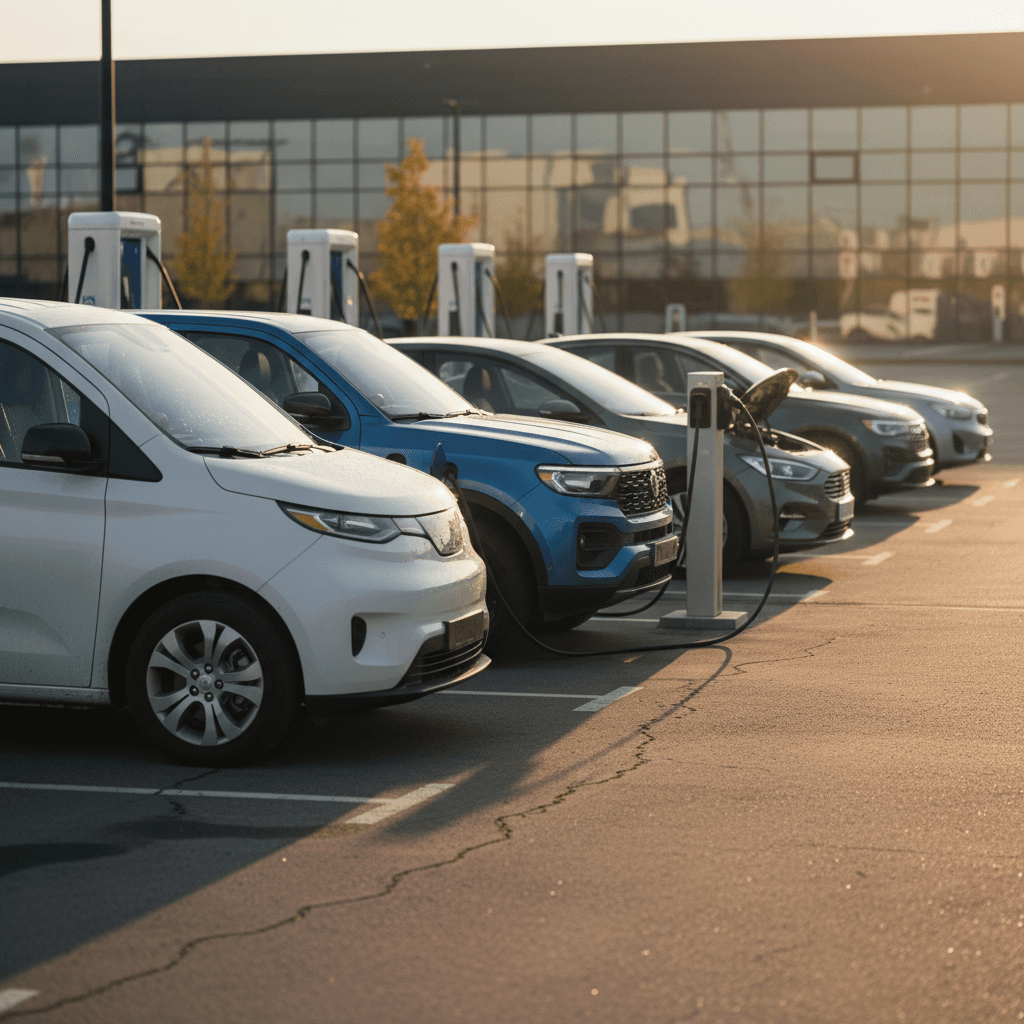
If you manage vehicles for a business, you’re probably feeling the squeeze from fuel, maintenance, and emissions rules. The good news: electric fleet vehicle options in 2026 are finally broad enough that you don’t have to be Amazon or UPS to make the numbers work. The trick is matching the right EVs to the way your people actually drive, and knowing when a used electric van or SUV can save you a small fortune versus buying everything new.
Who this guide is for
Why 2026 is a pivotal year for EV fleets
Electric fleet momentum heading into 2026
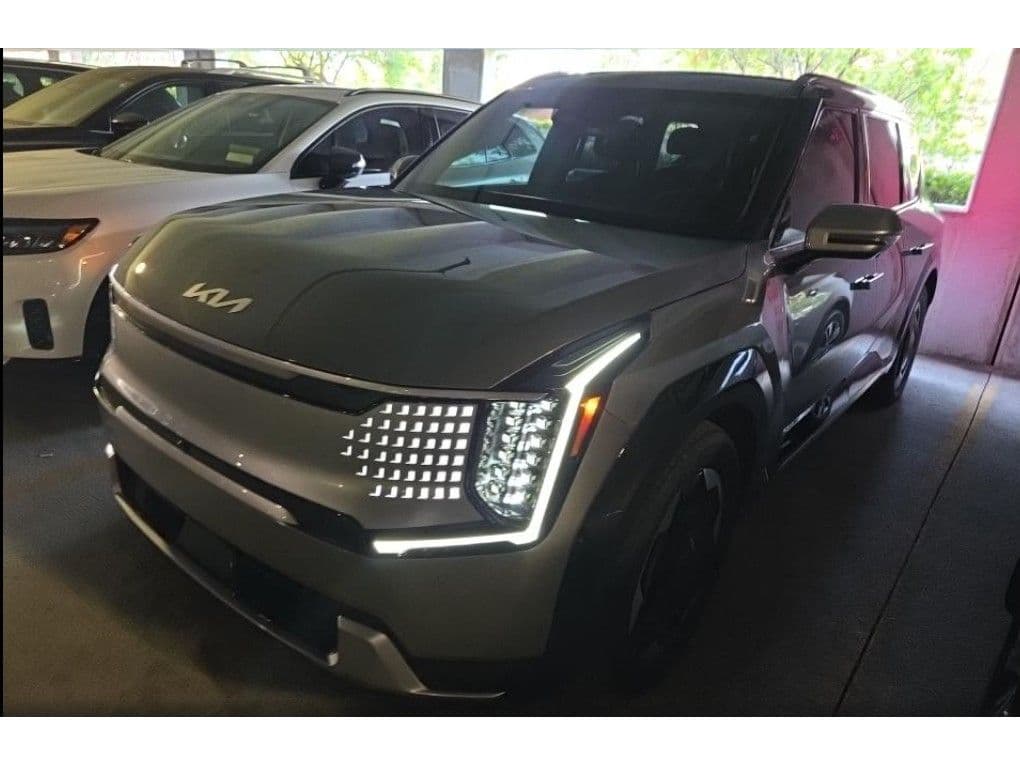
By 2026, battery prices, charging speeds, and model availability have all moved enough that electric fleets are no longer an experiment reserved for tech giants. Vans like the Ford E‑Transit and Rivian EDV are logging millions of delivery miles, while platforms such as Chevrolet BrightDrop and Ram ProMaster EV give you multiple body sizes and upfit paths. At the same time, mainstream crossovers like the Kia EV9, named among the best EVs for 2026, prove that large electric SUVs can haul people and gear without looking like a science project.
Reality check on timelines
Key questions to answer before you pick an EV
Pre‑work before you shop specific models
1. What does a typical day look like for each vehicle?
List average daily miles, maximum miles on a bad day, dwell time at your depot or employee homes, and any towing or heavy‑payload work. Electric fleet vehicle options in 2026 are strong, but they’re not one‑size‑fits‑all.
2. Where will vehicles charge, depot, home, or public?
Depot charging gives you control and lower energy costs, but home charging can work for sales staff. Public DC fast charging should be a safety net, not the foundation of your plan.
3. What’s your replacement cycle and budget?
If you usually keep vehicles 5–7 years, total cost of ownership matters more than sticker price. Decide which units you must replace in the next 12–24 months and which can wait for later EV waves.
4. How critical is uptime?
If your vehicles run multiple shifts, plan for higher‑power DC charging and perhaps spare EVs. If they sit overnight, slower and cheaper Level 2 charging is often enough.
5. Who will maintain these vehicles?
You’ll still be rotating tires and servicing brakes. Line up EV‑qualified service partners, OEM dealers or independent shops, before you put dozens of EVs on the road.
6. Can a used EV meet your needs?
Low‑mileage off‑lease EVs can dramatically cut acquisition costs for sales, light‑duty service, or pool cars. The key is verifying battery health and real‑world range before you buy.
Core electric fleet vehicle categories for 2026
Match EV types to real‑world fleet jobs
Most 2026 electric fleet options fall into these working roles
Urban & last‑mile delivery vans
Think parcel delivery, groceries, and parts runs. These electric vans typically offer 120–200 miles of real‑world range, sliding doors, and plenty of cube space for shelving and bins.
Pickups & chassis cabs
For crews that need to tow, haul tools, or work on unpaved sites. Electric pickups and cutaway/chassis cab platforms handle jobsite abuse while eliminating idling and fuel stops.
Sales, service & pool vehicles
Crossovers, compact SUVs, and a few cars that haul people more than payload. Ideal for reps, inspectors, technicians, and managers who rack up city and highway miles.
Once you know which jobs you’re trying to electrify, you can narrow your shopping list fast. A plumber doing 80 local miles a day needs a very different EV from a regional carrier running 200‑mile routes with time‑critical freight. The good news is that in 2026, there are credible options in each of these categories, both new and, crucially for budgets, used.
Top electric delivery vans for fleets
Electric vans are the workhorses of early fleet electrification. They return to base, run predictable routes, and burn through a lot of fuel in gas form, exactly the scenario where EVs shine. Here are the electric delivery van platforms you’ll be hearing about in 2026.
Representative electric delivery van options for 2026
High‑level snapshot of mainstream and emerging electric vans fleets are considering. Always verify final specs and incentives with the manufacturer or dealer.
| Model / Platform | Typical Use Case | Approx. Range* | Drivetrain | Notes for Fleets |
|---|---|---|---|---|
| Ford E‑Transit | Urban parcel & service van | ~120–160 mi | RWD | Segment‑leading share, broad upfit support, ideal for city routes and trades vans. |
| Rivian EDV (Amazon spec, plus select fleet deals) | High‑volume delivery | ~150+ mi | FWD | Purpose‑built electric delivery van proven in large U.S. fleets; availability mostly through major fleet contracts. |
| Chevrolet BrightDrop 400 / 600 | Urban & regional delivery | ~200+ mi target | FWD | Medium and large van sizes on GM’s Ultium platform, designed around fleet telematics and uptime. |
| Ram ProMaster EV | Service & last‑mile delivery | ~150+ mi target | FWD | Electric version of a familiar van, sharing body styles with gas ProMaster for easy upfits. |
| Emerging mid‑size vans (imports & startups) | Local logistics, niche routes | Varies | Varies | New players bring more sizes and price points, great for specific niches, but vet parts and service support carefully. |
Specs are approximate and may vary by configuration and region. Use as a starting point for fleet planning, not a purchase order.
Don’t chase the biggest battery by default
New electric vans
Buying new gets you full factory support, the latest driver‑assist tech, and potential access to commercial EV incentives. If you’re planning large orders, OEM fleet programs can bundle telematics, charging, and financing.
Lead times can be significant, and sticker prices will look steep next to gas vans. The payback arrives through fuel and maintenance savings over time.
Used and nearly‑new vans
Off‑lease electric vans and lightly used service vehicles are just starting to hit the market. For smaller fleets, snagging a few low‑mile units can be the fastest, cheapest way to test EVs on real routes.
The catch: you must understand battery health and real‑world range. That’s where objective diagnostics, like the Recharged Score and battery health report on every vehicle sold through Recharged, can de‑risk your first purchases.
Electric pickup and work truck options
Pickups are the emotional heart of many fleets, and the electric options arriving by 2026 finally feel like work tools, not science experiments. They bring instant torque, quiet jobsite operation, and enough onboard power to run tools without a generator, if you pick the right trim and duty cycle.
Electric pickup and work truck archetypes
How 2026 electric trucks fit different fleet roles
Half‑ton lifestyle & light‑duty trucks
Vehicles like the Chevrolet Silverado EV, Ford F‑150 Lightning, and Rivian R1T serve mixed personal/fleet roles. Great for managers, supervisors, and high‑mileage sales or consulting work where towing is occasional.
Work‑spec pickups & chassis cabs
Lower‑trim work trucks and chassis cabs are better suited to upfits, ladder racks, and flatbeds. If your crews live in these vehicles, focus on payload, tool storage, and the dealer’s ability to support commercial customers.
Duty‑cycle‑matched regional trucks
Medium‑duty electric trucks and cutaways are appearing for box trucks, reefer units, and step vans. They’re ideal for fixed routes with return‑to‑base charging and clear weight limits.
Watch your towing and payload math
Crossovers, SUVs, and cars for sales and service fleets
Not every fleet vehicle hauls pallets. A lot of your miles may come from territory reps, inspectors, technicians, and managers. For them, electric crossovers and SUVs in 2026 are often the easiest on‑ramp to electrification: plenty of range, quiet cabins, and lower running costs without changing how the job gets done.
Representative EV crossovers & SUVs fleets eye in 2026
Examples of electric vehicles that work well as sales, service, or management vehicles. These are illustrative, not a complete list.
| Model | Segment | Approx. Range | Ideal Fleet Role | Why it works |
|---|---|---|---|---|
| Kia EV9 | 3‑row midsize SUV | ~300+ mi | Manager / team hauler | Spacious, highly rated EV9 balances long‑distance comfort with family‑friendly practicality, good for managers who mix work and personal use. |
| Hyundai Ioniq 5 / Kia EV6 | Compact crossover | ~250–300 mi | Territory sales & service | Fast charging and comfortable cabins make them ideal for reps who live on the highway. |
| Chevrolet Equinox EV | Compact SUV | ~250–300 mi | Value‑focused fleets | Positioned as an affordable EV with solid range, attractive for fleets that need many identical units without luxury‑car pricing. |
| Compact hatch & sedan EVs | Small car | ~220–260 mi | Urban pool cars | Tight‑city fleets, inspectors, and campus vehicles benefit from small footprints and easy parking. |
Exact ranges, trims, and fleet programs vary. Think in terms of role: territory size, passenger needs, and cargo volume.
Standardize where you can
New vs. used electric fleet vehicles in 2026
Fleets tend to default to new vehicles, but with EVs that can be an expensive habit. By 2026, we’re finally seeing a meaningful used market for electric crossovers, some vans, and a handful of trucks. If you’re smart about what you buy, and how you verify the battery, you can put more EVs on the road sooner for the same budget.
When new EVs make sense
- Specialized upfits: If you need custom shelving, refrigeration, wheelchair lifts, or complex telematics from day one, starting with new vehicles simplifies engineering and warranties.
- Heavy annual mileage: High‑miles units wring the most fuel and maintenance savings out of electrification, so the payback on a new EV often arrives sooner.
- Large coordinated rollouts: If you’re swapping dozens or hundreds of vehicles on a schedule, OEM and finance partners can bundle acquisition, charging, and support.
Where used EVs shine
- Pilot programs: A handful of used vans or crossovers lets you test charging, driver feedback, and route planning before you commit to a big new‑vehicle order.
- Lower‑mileage roles: Pool cars, spare vans, and short‑range service vehicles don’t need the latest battery chemistry to do their job.
- Capex‑constrained fleets: When budgets are tight, buying used EVs with verified battery health can deliver EV savings years earlier than waiting for a new‑only cycle.
How Recharged de‑risks used EV fleets
Ready to find your next EV?
Browse VehiclesCharging infrastructure planning for fleets
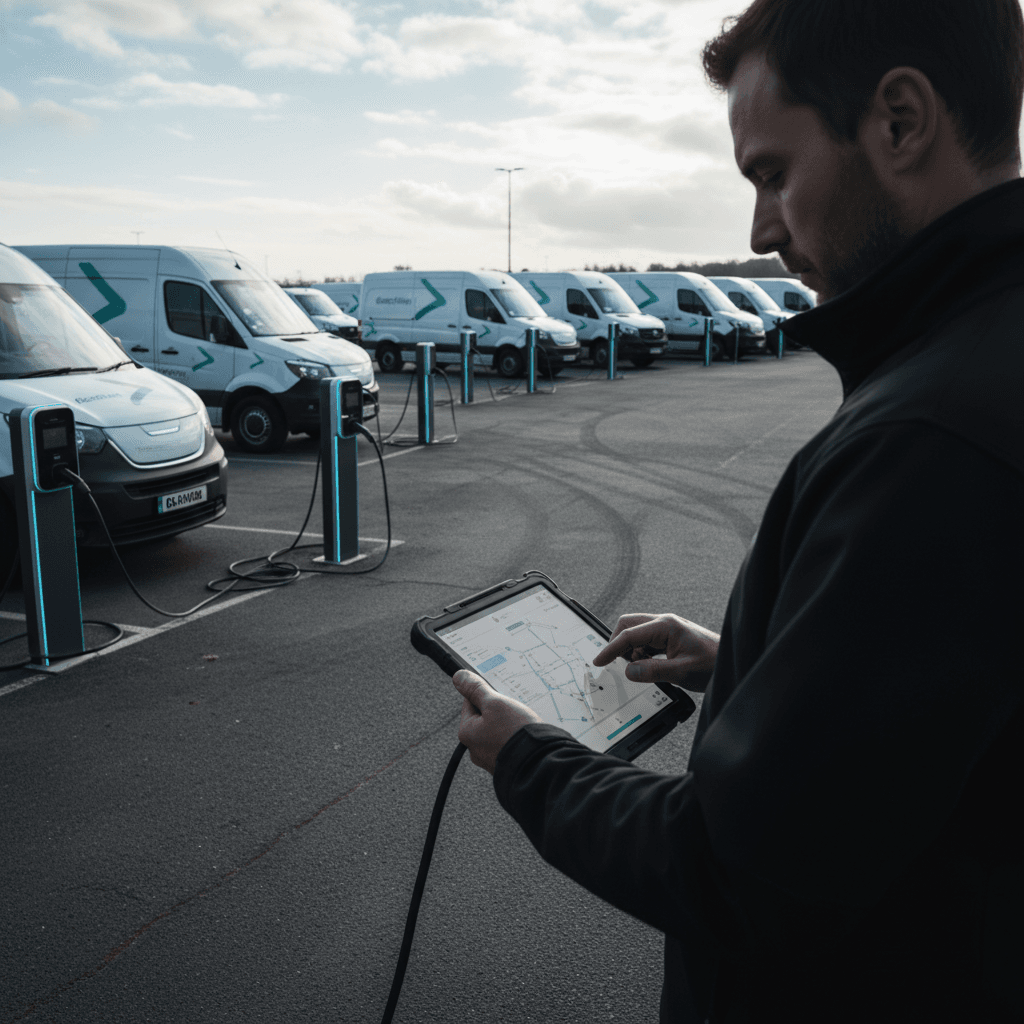
Picking vehicles and ignoring charging is the fastest way to sour drivers on electrification. The good news is that most small and mid‑size fleets don’t need a field of megawatt chargers. Start from your routes and dwell times, then work backward to chargers and power.
Three core charging strategies for 2026 fleets
Most real‑world fleets end up blending at least two of these
Depot‑centric Level 2
Best for: Return‑to‑base vans and pickups with long overnight dwell time.
Install multiple 7–19 kW Level 2 chargers at your depot. Vehicles plug in at the end of the shift and come out full in the morning. Energy is cheap and predictable; hardware costs are modest.
Home charging for take‑home vehicles
Best for: Sales and service vehicles employees park at home.
You can reimburse employees for at‑home charging or use smart chargers that track energy. This model reduces depot congestion but requires clear policies and support for home electrical upgrades.
Targeted DC fast charging
Best for: High‑utilization units and regional routes with tight turnarounds.
A small number of 50–350 kW DC fast chargers at your depot or along key corridors can keep a subset of vehicles running multiple shifts. Treat DC as a strategic tool, not the default for every vehicle.
Avoid overloading your electrical service
How to pilot and scale an EV fleet
From first pilot to meaningful electrification
Phase 1: Learn with a small pilot (3–10 EVs)
Pick routes with plenty of range cushion and easy charging access.
Choose a mix of drivers, enthusiasts and skeptics, and collect structured feedback.
Use a blend of new and used EVs where it makes sense, so you see both acquisition paths in action.
Track energy use, uptime, and driver satisfaction for at least one full seasonal cycle.
Work with partners like Recharged to source vehicles with verified battery health and to plan replacement timing.
Phase 2: Optimize operations
Analyze telematics to fine‑tune routes, dwell times, and charging windows.
Adjust charger counts, locations, and power levels based on real utilization data.
Refine driver training around regen braking, preconditioning, and range planning.
Update your fleet policies, take‑home vehicles, charging reimbursement, and safety training, to reflect EV realities.
Phase 3: Scale to core fleet segments
Prioritize the segments where EVs clearly win on TCO: urban delivery, service routes under ~150 miles, and sales fleets.
Negotiate OEM and financing programs for larger batches where new vehicles are required.
Blend in additional used EVs as pool vehicles or as back‑ups for mission‑critical routes.
Set clear targets, for example, 30% electric by a certain year, and revisit annually as new 2027–2028 models arrive.
You don’t have to go it alone
FAQ: Electric fleet vehicle options in 2026
Frequently asked questions about 2026 electric fleet options
Bringing it together
Electrifying a fleet used to mean betting on unproven vehicles and crossing your fingers. In 2026, you have real options: electric vans that quietly shoulder last‑mile work, pickups that tow and power tools, and crossovers that make long sales days less tiring. The winners aren’t always the flashiest new models, they’re the EVs whose range, charging, and uptime match the way your people actually drive.
If you start with clear routes, honest duty‑cycle math, and a small but deliberate pilot, you can grow into electrification instead of gambling on it. Blend new and used vehicles where it makes sense. Lean on data, especially around battery health and total cost of ownership, not just window stickers. And when you’re ready to explore the used side of the market, platforms like Recharged can help you find battery‑verified EVs, line up financing, and get them delivered to your door, so your first electric fleet steps are confident ones, not cautious experiments.