If you follow automotive headlines, you’ve probably noticed a common theme: just about every new EV is an electric crossover SUV. Automakers love the format, and so do shoppers. You get hatchback practicality, SUV-style seating, and all-electric efficiency in a footprint that still fits easily in a parking garage. This guide walks through what that actually means in 2025, which models stand out, and how to shop smart, especially if you’re considering a used electric crossover.
Crossover, SUV, or hatchback?
What is an electric crossover SUV?
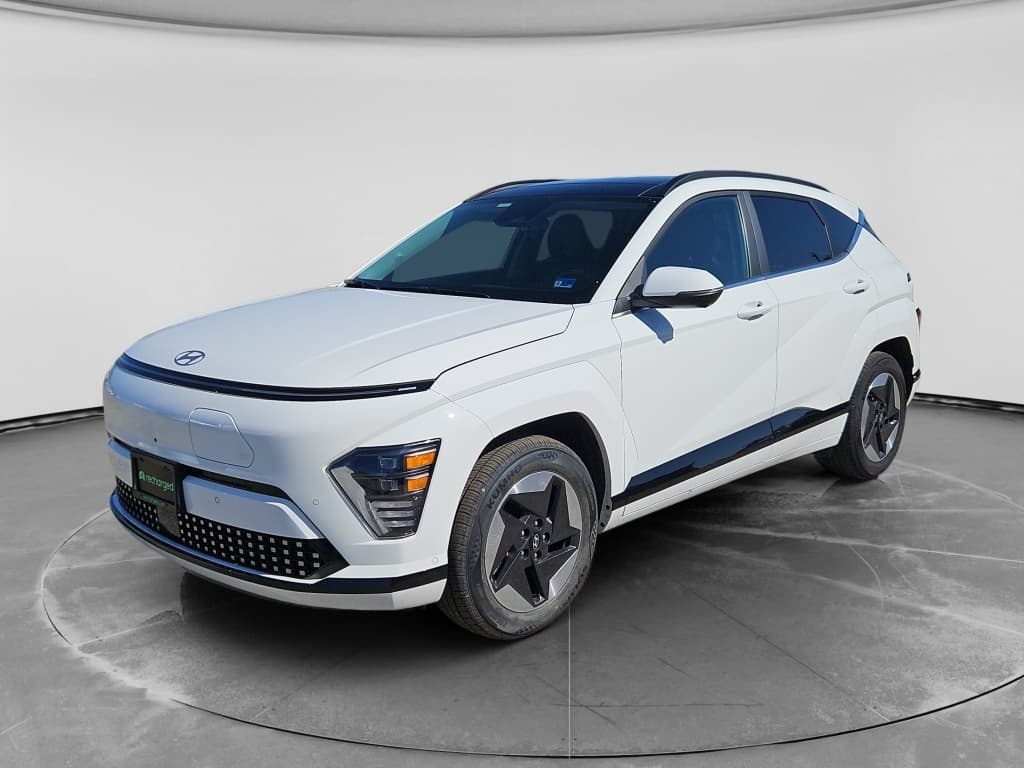
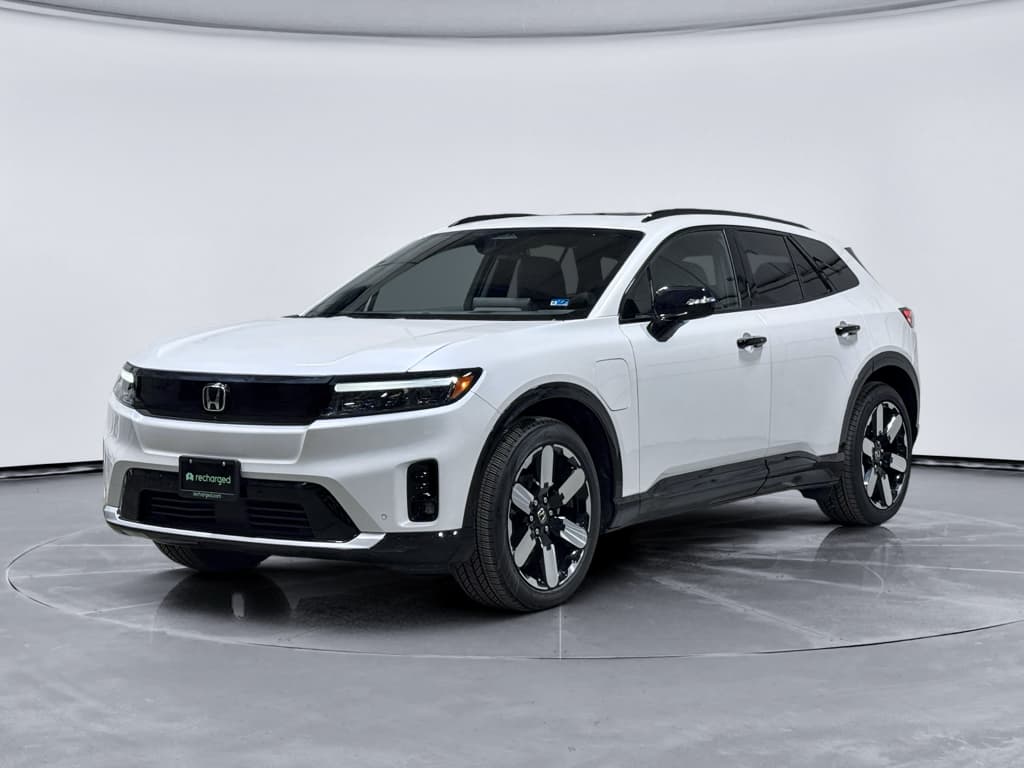
An electric crossover SUV is a battery-electric vehicle with SUV-like ride height and hatchback practicality, built on a unibody (car-like) platform. Think Hyundai Ioniq 5 or Chevrolet Equinox EV, not a full-size off-roader. These models usually offer two rows of seating, optional all-wheel drive, and fold-flat cargo areas, making them the EV equivalent of mainstream compact and midsize crossovers.
How crossovers differ from traditional SUVs
- Unibody construction: Feels more like a car, with better ride and handling.
- Efficiency-focused: Lower weight and better aerodynamics boost range.
- Everyday use: Tuned for commuting, school runs, and road trips, not rock crawling.
What makes them appealing as EVs
- Space-to-size sweet spot: Enough room for family life without the bulk of a 3-row SUV.
- Battery packaging: Flat battery packs under the floor free up cabin and cargo room.
- Higher seating position: SUV-like view of the road that many drivers prefer.
Tip: Look beyond the label
Why electric crossover SUVs are dominating the EV market
Electric crossover SUVs by the numbers
Crossovers are the default family vehicle in America, so it’s no surprise EVs are following the money. For automakers, putting an electric powertrain under a crossover body is the quickest path to volume sales. For you, it means the heart of the EV market is now packed with practical options: enough range for real road trips, DC fast charging that can turn a coffee stop into 150 miles of added range, and cabins that don’t feel like penalty boxes compared with gasoline SUVs.
Watch the trim mix
Notable electric crossover SUV models in 2025
You don’t need to memorize every badge in the EV showroom, but it helps to know how some of the key electric crossover SUVs stack up on paper. Here’s a simplified snapshot of mainstream models shoppers continue to ask about in 2025.
Sample 2025 electric crossover SUV specs
Approximate starting MSRPs and maximum EPA-estimated ranges for popular electric crossovers in the U.S. market. Always verify current figures with the manufacturer or window sticker.
| Model | Class | Approx. starting MSRP (new) | Max EPA-est. range | Notes |
|---|---|---|---|---|
| Chevrolet Equinox EV | Compact crossover | $33,000+ | ~307–319 mi | Value-focused; roomy interior and strong range for the price. |
| Hyundai Ioniq 5 | Compact crossover | Low-$40,000s | Up to ~303 mi | Retro-futuristic design, very fast DC charging, family-friendly cabin. |
| Kia EV6 | Compact crossover | Low-to-mid-$40,000s | Up to ~310+ mi | Sportier feel; shares 800V platform with Ioniq 5. |
| Volkswagen ID.4 | Compact crossover | Low-$40,000s | Up to ~291 mi | Conservative styling, comfortable ride, strong practicality. |
| Ford Mustang Mach-E | Compact crossover | Low-to-mid-$40,000s | Up to ~320 mi | Sporty branding; wide spread of trims from basic to performance. |
| Cadillac Lyriq | Midsize luxury crossover | Upper-$50,000s | Up to ~326 mi | Entry-luxury EV with upscale cabin and competitive range. |
Specs vary by trim, drivetrain, and wheel size. Use this as a directional comparison, not a final purchasing document.
How different electric crossover SUVs position themselves
Same basic shape, very different personalities
Value and practicality
Chevy Equinox EV, VW ID.4, and base Ioniq 5 trims target shoppers who just want an efficient, comfortable daily driver.
- Lower starting prices
- Simpler equipment lists
- Good range without luxury pricing
Performance and style
Variants like the Ioniq 5 N and high-output EV6 trims pitch themselves as electric hot hatches in crossover clothing.
- Powerful dual-motor setups
- Sport-tuned suspensions
- Stronger acceleration than many gas performance SUVs
Premium comfort
Luxury crossovers like the Cadillac Lyriq, BMW iX, or Volvo EX30 focus on materials, tech, and quiet cabins.
- Upscale interiors and audio
- Advanced driver-assistance suites
- Higher pricing but strong used values
How Recharged fits in
Ready to find your next EV?
Browse VehiclesRange, charging, and real-world usage
Window-sticker range numbers help you compare electric crossover SUVs, but they don’t tell the whole story. How you drive, where you live, and how you charge matter just as much. A 300-mile EPA rating is typically closer to 220–260 miles on a fast highway drive in cold weather, but that’s still plenty for commuting and weekend trips when you plan charging stops.
Understanding electric crossover range
- EPA numbers are best-case averages: Expect less at 75+ mph, in winter, or with bikes on the roof.
- Battery size matters: A 77–82 kWh pack is common for compact crossovers and supports ~250–320 miles of rated range.
- AWD trades some range for traction: Dual-motor versions often sacrifice 10–40 miles vs. single-motor trims.
Charging behavior to plan around
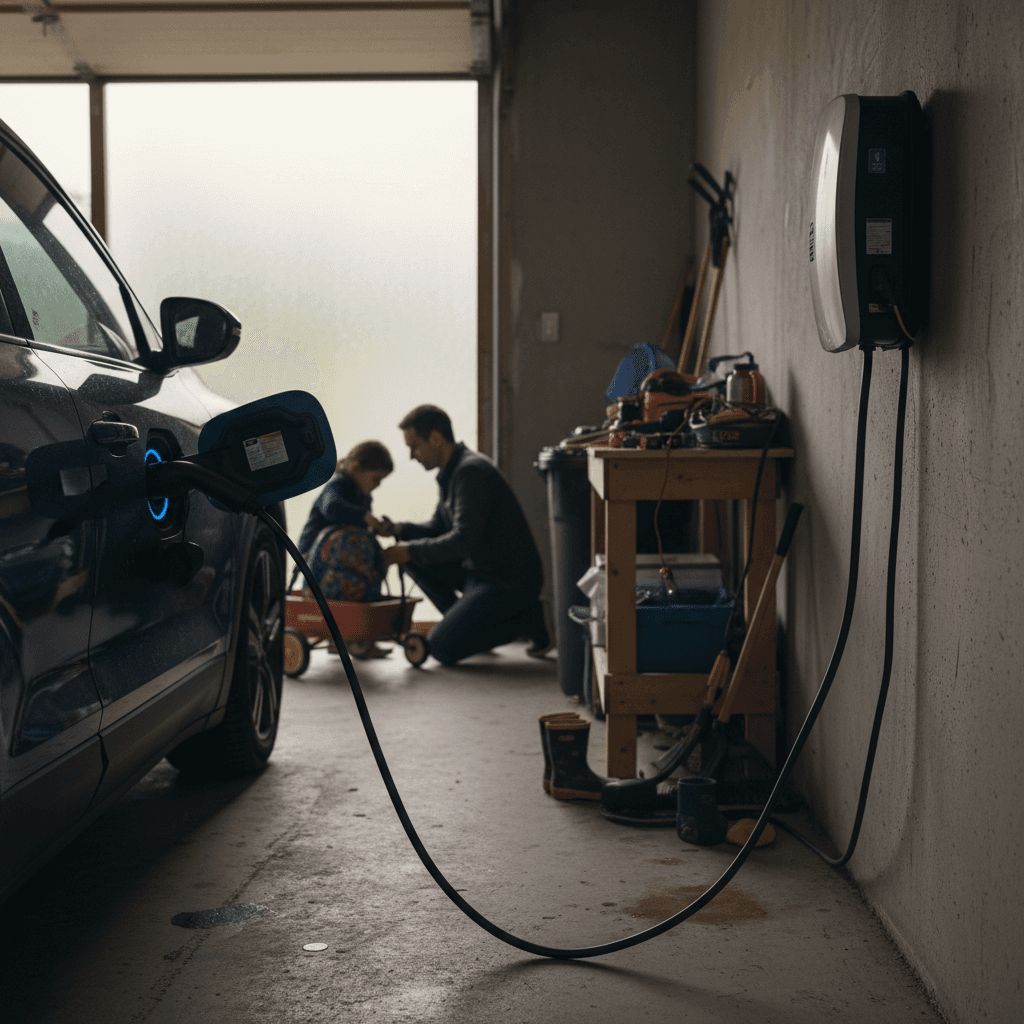
- Home Level 2: A 240V charger typically adds 25–35 miles of range per hour.
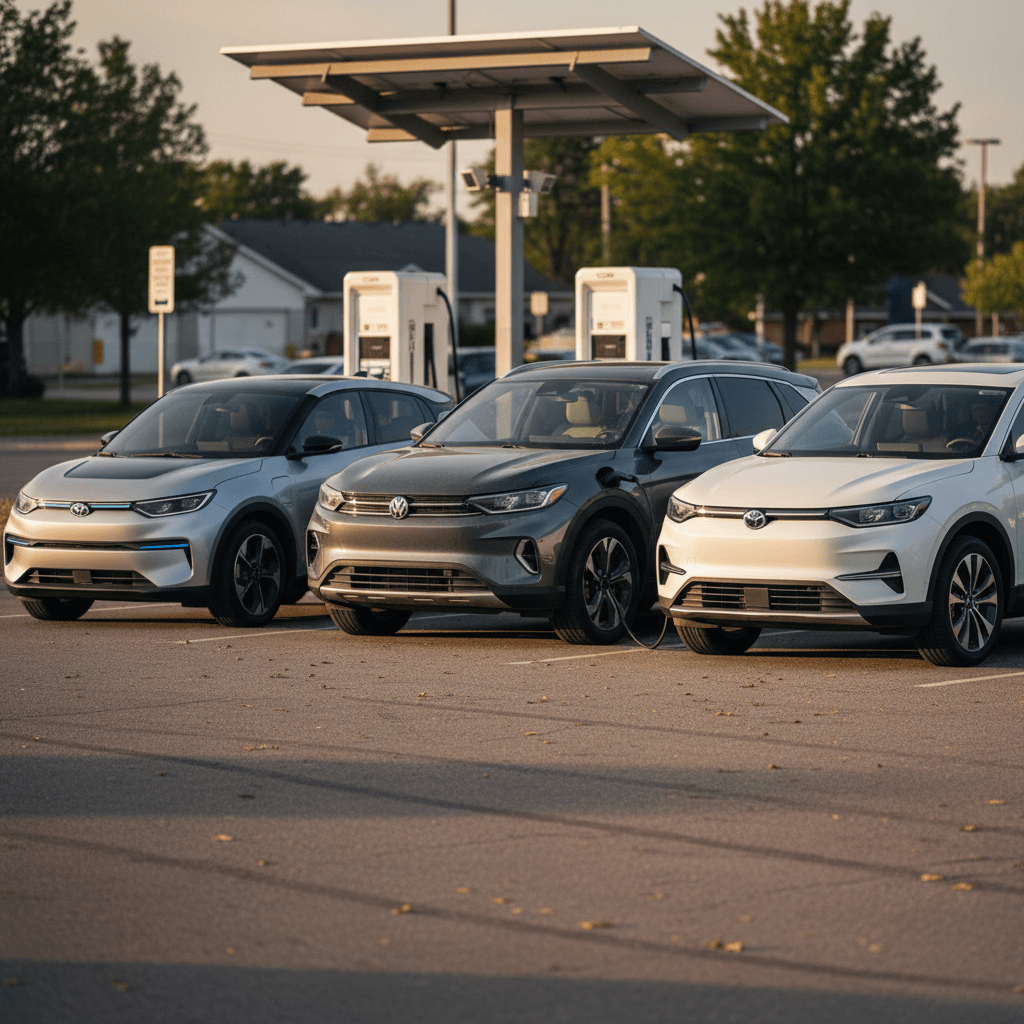
- DC fast charging: Modern crossovers can often go from 10% to 80% in ~25–35 minutes on a capable charger.
- Road trips: Think in 150–200 mile hops, not "run it to 0"; you’ll fast-charge when the battery is warm and low, then get back on the road.
Plan around 10–80%, not 0–100%
Electric crossover SUV ownership costs vs gas SUVs
Sticker price is only one part of the equation. For many drivers, an electric crossover SUV is cheaper to run than a comparable gas crossover once you factor in fuel, maintenance, and potential tax incentives. The math is especially favorable if you can charge at home and you rack up at least 10,000–12,000 miles a year.
Where electric crossovers save you money
Fuel and maintenance are the big levers
Energy vs. gasoline
Electricity is often equivalent to paying roughly $1–$2 per gallon of gasoline, depending on your local rates and utility programs.
- Home charging is almost always cheapest.
- Public fast charging can cost more but you’re paying for speed and convenience.
- Electric crossovers typically use 25–35 kWh per 100 miles.
Maintenance and wear items
Electric crossovers have no oil changes, fewer filters, and fewer moving parts in the powertrain.
- Regenerative braking stretches brake pad life.
- No spark plugs, timing belts, or exhaust systems.
- Most routine costs are tires, cabin filters, and brake fluid.
Don’t ignore insurance and tires
How to buy a used electric crossover SUV with confidence
New EV shoppers get most of the attention, but the used market is where many deals live right now. First-generation Ioniq 5s, EV6s, ID.4s, and Mustang Mach-Es are showing up on used lots with plenty of warranty left and meaningful discounts versus new. The catch is that evaluating a used EV is different from sizing up a used gas SUV.
Key differences when shopping used electric crossovers
Battery health is the new engine compression test
Battery health
Over time, batteries lose some capacity. A healthy used electric crossover SUV should still deliver range close to its original rating.
Look for objective battery diagnostics, not just a full-looking gauge on the dash.
Warranty coverage
Most EV batteries and drive units carry 8–10 year, 100,000 mile warranties.
Check in-service date, mileage, and whether coverage is transferable to you as the next owner.
Charging history
Occasional DC fast charging is fine, but years of heavy fast-charge use can warm batteries more often.
You probably won’t see a perfect history, but a seller or marketplace that can comment on usage patterns is a plus.
What the Recharged Score adds
Checklist: Questions to answer before you buy
Electric crossover SUV pre-purchase checklist
1. How will you charge most of the time?
Confirm where your daily charging will happen. If you have a driveway or garage, plan on installing Level 2 charging. If you rely on public stations, check local coverage and pricing and test a station before committing to an EV.
2. What’s your true daily and weekly mileage?
Look at several months of driving, commutes, school runs, and weekend trips. Many households discover they drive fewer miles per day than they assumed, which makes a 250–300 mile electric crossover more than sufficient.
3. Do you regularly tow or carry heavy loads?
Most electric crossover SUVs aren’t designed to tow heavy trailers, and range drops under load. If you must tow often, compare tow ratings and talk honestly with your advisor about whether a crossover EV meets your needs.
4. Which features are must-haves vs nice-to-haves?
Decide ahead of time on essentials like all-wheel drive, heated seats, a heat pump, or driver-assistance tech. On the used side, being flexible on color or wheel size can save thousands while still covering your must-haves.
5. How long do you plan to keep the vehicle?
If you buy new and flip it in two or three years, depreciation is a bigger factor. If you buy a used electric crossover that’s already taken its first big value drop, the economics often look better over a 5–7 year horizon.
6. Do you understand total cost of ownership?
Compare payment, insurance, energy, and maintenance, not just sticker price. A slightly higher monthly payment for an EV can still be a win if you’re saving $100–$200 a month on fuel and service.
Frequently asked questions about electric crossover SUVs
Electric crossover SUV FAQ
The bottom line: Is an electric crossover SUV right for you?
If you want one vehicle that can handle commuting, family duty, and most road trips while cutting your fuel and maintenance bills, an electric crossover SUV belongs on your short list. The segment has matured fast: 2025 models deliver real-world range, competitive pricing, and tech that doesn’t feel experimental anymore. The used market is even more compelling, with early crossovers trading at discounts that would have been hard to imagine a few years ago.
Your next step is simple: get clear on how you drive, how you’ll charge, and what you can comfortably spend. Then compare a few candidates on range, charging speed, space, and ownership costs rather than getting hung up on marketing labels. If you’d like a head start, explore used electric crossovers on Recharged, where every vehicle comes with a Recharged Score report, EV-specialist support, and flexible options for financing, trade-in, and nationwide delivery.