If you’re shopping for an EV in 2026, especially a used one, the battery warranty should be right up there with price, range, and charging speed. Choosing from electric cars with the best battery warranty can protect you from the single most expensive component on the vehicle and give you confidence that your next EV will age gracefully.
Quick Take
Why EV Battery Warranty Matters More Than Ever
An EV battery pack can easily represent 30–40% of the vehicle’s value. While outright pack failures are rare in late‑model EVs, degradation that significantly cuts range can be both frustrating and expensive to address out of pocket. A strong battery warranty won’t extend your range, but it does put a floor under the worst‑case scenario: if capacity drops below the guarantee, the manufacturer is on the hook, not you.
- Battery warranties help de‑risk long‑term ownership, especially past year 5 when most ICE powertrain warranties expire.
- They’re critical for resale value, a used EV with several years of battery coverage remaining is much easier to sell and finance.
- Coverage details (years, miles, and capacity percentage) vary meaningfully by brand and even by model, so it pays to compare before you sign.
Don’t Confuse Battery Warranty With Bumper‑to‑Bumper
How EV Battery Warranties Work in 2026
Nearly every modern EV battery warranty is built around three levers: time, mileage, and a capacity guarantee. Understanding how these play together is the key to judging which electric cars truly have the best battery warranty, and which simply meet the federal minimum.
The Three Pillars of EV Battery Warranty Coverage
Years, miles, and minimum capacity, all three matter when you buy
Time (Years)
Most EVs: 8 years of battery coverage.
Standout brands: Hyundai and Kia often advertise battery or powertrain coverage stretching to 10 years on many models.
Mileage Limit
Many mainstream EVs cover the battery to 100,000–150,000 miles. Higher mileage limits are especially useful for long‑distance commuters and ride‑share drivers.
Capacity Guarantee
Modern warranties promise the pack will retain around 70% of original capacity (sometimes 60–70%) within the term. If it drops below that, the manufacturer typically repairs or replaces the pack.
Capacity Guarantee Is the Fine Print That Matters
EV Battery Warranty Snapshot for 2026 (U.S. Market)
Brands With the Strongest Battery Warranties
So which carmakers really stand out when you’re hunting for electric cars with the best battery warranty? In the 2026 U.S. market, a few names rise to the top for battery coverage and EV‑friendly terms, especially when you factor in how long they’ve been in the game.
Major EV Brands: Battery Warranty Highlights (2026 U.S.)
High‑level comparison of factory battery coverage on popular EV lines. Always double‑check specific trims and model years before you buy.
| Brand | Representative EVs | Battery Warranty (Years / Miles) | Typical Capacity Guarantee |
|---|---|---|---|
| Hyundai | IONIQ 5, IONIQ 6, Kona Electric | Up to 10 yrs / 100k mi (battery & powertrain on many models) | ~70% |
| Kia | EV6, EV9, Niro EV | Up to 10 yrs / 100k mi battery coverage, often aligned with 10‑yr powertrain | ~70% |
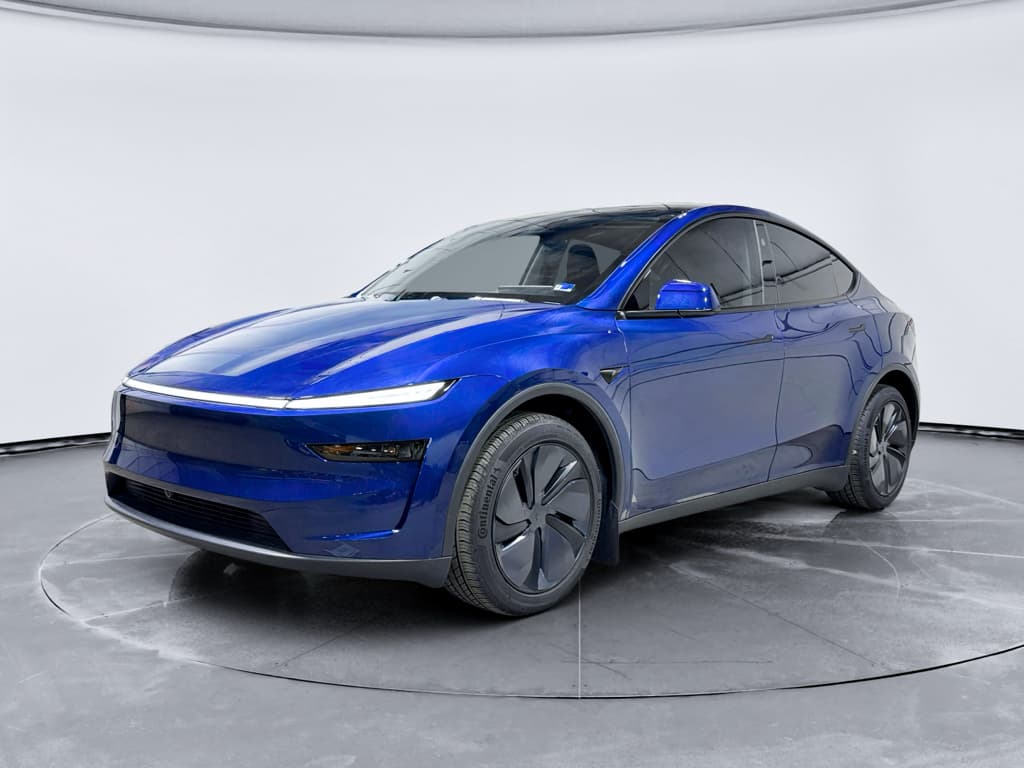
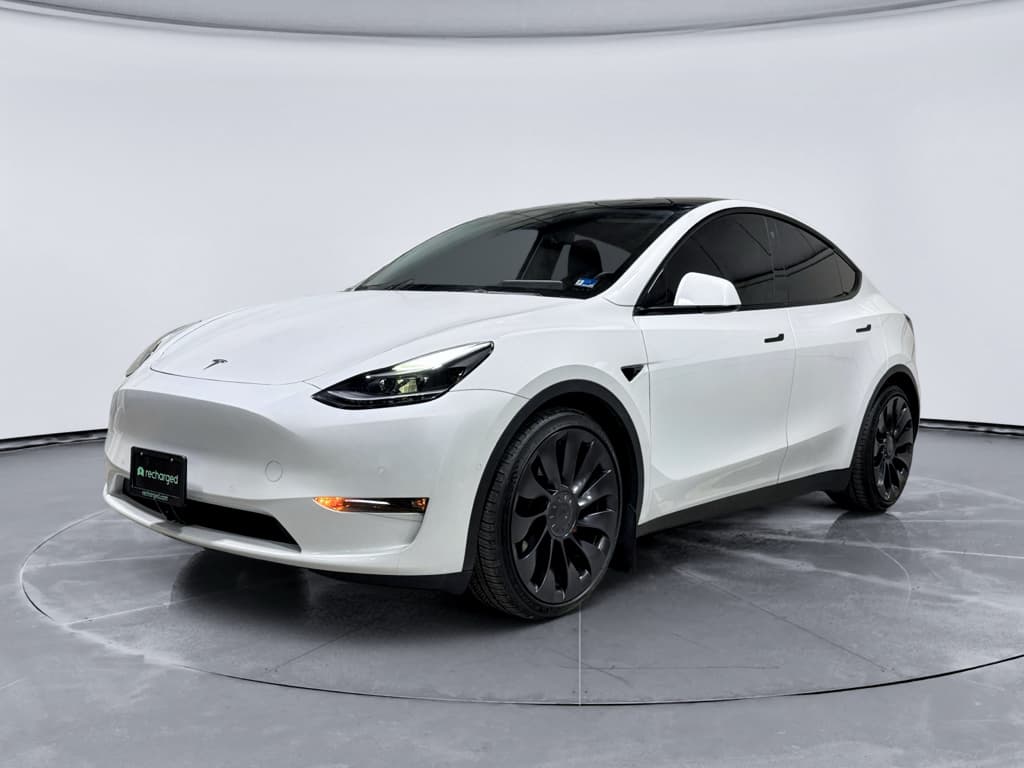
| Tesla | Model 3, Model Y | 8 yrs / 100k–120k mi depending on battery size | ~70% |
| Rivian | R1T, R1S, R2 (announced) | 8 yrs / 175k–200k mi for battery & drivetrain on large/max packs | ~70% |
| Ford | Mustang Mach‑E, F‑150 Lightning | 8 yrs / 100k mi | ~70% |
| GM (Chevy, Cadillac) | Bolt EV/EUV (prior), Lyriq, Escalade IQ | 8 yrs / 100k mi for Ultium packs | ~60–70% depending on model year |
| Toyota | bZ4X | 8 yrs / 100k mi (some regions extend to 10 yrs) | ~70% |
| Volkswagen | ID.4 | 8 yrs / 100k mi | 70% |
| Nissan | Leaf, Ariya | 8 yrs / 100k mi | Around 70% |
These are representative terms for mainstream models; some performance or specialty trims may differ.
Top Warranty Leaders
Top EVs With Standout Battery Coverage
Warranty strength isn’t just a brand story; it’s model‑specific. Here are several high‑volume EVs sold in the U.S. with particularly notable battery warranty packages as of 2026, along with the type of buyer each one suits best.

EVs Commonly Praised for Strong Battery Warranties
Representative examples, not an exhaustive list, but a great short‑list if warranty peace of mind is a priority.
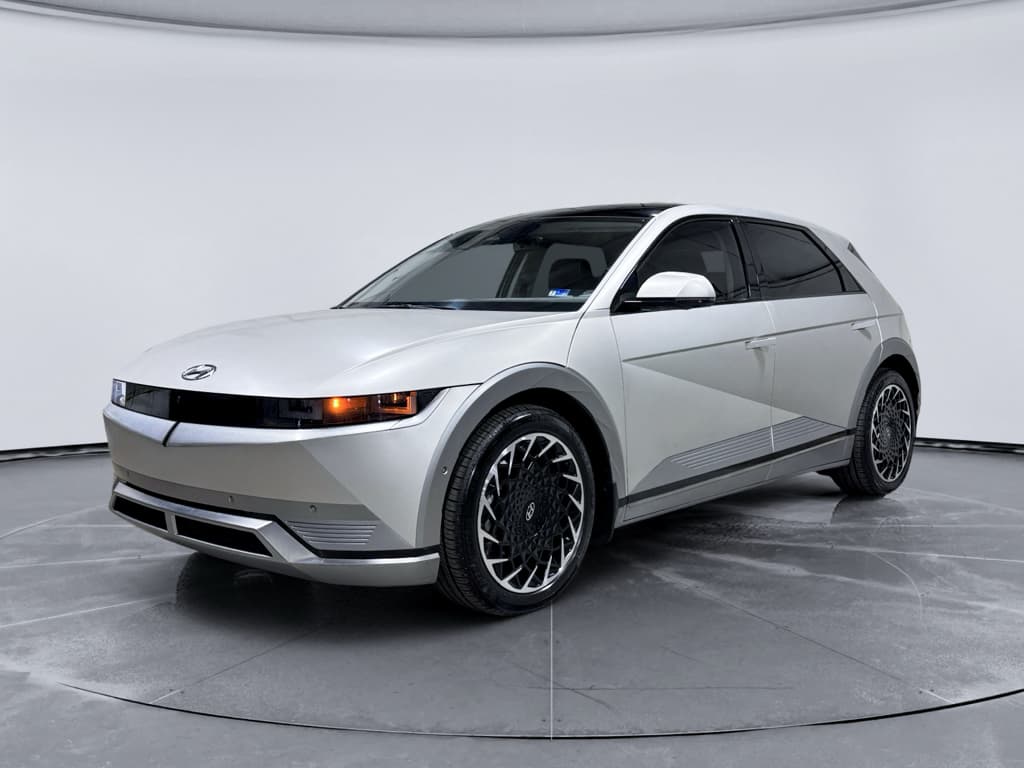
Hyundai IONIQ 5 / IONIQ 6
Hyundai pairs its long‑standing 10‑year powertrain reputation with robust EV coverage. For many shoppers, that combination of years and real‑world reliability makes the IONIQ 5 and IONIQ 6 some of the most confidence‑inspiring EVs on the road.
- Up to 10 yrs / 100k mi powertrain and battery coverage on many trims
- Strong record of slow degradation in owner reports
- Great match for long‑term owners who plan to keep the car 8–12 years
Kia EV6 / EV9
Kia leans into long warranty terms as a brand promise, and its modern EVs benefit. The EV6 and EV9 share much of their underlying tech with Hyundai’s E‑GMP platform.
- Battery coverage commonly aligned to 10 yrs / 100k mi
- Seven‑year bumper‑to‑bumper coverage in some markets boosts overall protection
- Ideal if you want SUV practicality plus maximum warranty comfort
Tesla Model 3 / Model Y
Tesla doesn’t win on years alone, but its mile limits and large fleet data are compelling, especially for high‑mileage drivers.
- Battery warranty typically 8 yrs / 100k–120k mi depending on pack size
- Explicit ~70% capacity guarantee
- Excellent real‑world degradation results on well‑cooled packs
Rivian R1T / R1S
Rivian quietly offers some of the highest mileage limits on battery and drivetrain coverage in the game, tailored to adventure and high‑use drivers.
- As high as 8 yrs / 175k–200k mi on certain large or max packs
- Strong fit for road‑trippers and outdoor enthusiasts who rack up serious miles
- Battery and drive unit covered together, simplifying claims
Ford Mustang Mach‑E
Ford matches the mainstream 8‑year/100,000‑mile standard for its main EV crossover. While not the longest on paper, it’s competitive and widely supported in‑network.
- 8 yrs / 100k mi battery warranty
- Coverage tied to minimum capacity, not just outright failure
- Good balance for shoppers already comfortable with the Ford network
Nissan Leaf / Ariya
Nissan has been in the EV game longer than many rivals, and while early Leafs had more degradation issues, current Leaf and Ariya packs pair improved chemistry with solid warranty terms.
- Typically 8 yrs / 100k mi on traction battery
- Capacity guarantee around 70% on newer models
- Good choice if you value a long EV track record plus mainstream pricing
What About Luxury Brands and Startups?
Battery Warranty vs. Real‑World Degradation
A generous warranty is good; a battery that rarely needs it is even better. When you compare electric cars with the best battery warranty, you should also ask: how quickly do these packs lose capacity in the real world?
What the Warranty Promises
- Most modern EVs guarantee the pack will stay above about 70% capacity during the warranty term.
- If your battery falls below that threshold under normal use, you may qualify for repair or replacement.
- Manufacturers design these warranties assuming relatively low failure and degradation rates.
What Owners Actually See
- Well‑cooled packs (Tesla, Hyundai/Kia, many VW models) commonly show 10% or less loss over the first 100,000 miles in testing and owner data.
- Aggressive fast‑charging, extreme heat, or chronic 100% charging can accelerate degradation, even if you’re still within warranty.
- Early air‑cooled designs (like first‑gen Leaf) showed faster degradation, which is why newer warranties now emphasize capacity guarantees.
How to Help Your Battery Outlive the Warranty
How Battery Warranty Affects Used EV Buyers
If you’re buying used, which is where Recharged focuses, the battery warranty is more than a line of fine print. It directly affects price, risk, and financing. A three‑year‑old EV with five or more years of battery coverage left is a very different proposition from a seven‑year‑old car with the same mileage and only a year or two left on the clock.
Why Remaining Battery Warranty Matters So Much on a Used EV
1. Sets a Safety Net on Range Loss
If the pack degrades faster than expected while the warranty is still active, you may be entitled to repair or replacement instead of eating the cost yourself.
2. Boosts Resale and Trade‑In Value
Buy a used EV with several years of coverage left and you’ll have an easier time trading it in or selling it privately down the road.
3. Makes Financing Easier
Lenders are more comfortable with EVs whose most expensive component is still under factory coverage, which can help you qualify for better terms.
4. Helps You Compare Two Similar Cars
When two EVs have similar mileage and price, the one with more battery warranty remaining is often the smarter buy, even if it costs a little more today.
5. Clarifies Which Model Years to Target
In some lineups, mid‑cycle changes improved warranty terms. Knowing which model years got better coverage can tilt the scales toward one used EV over another.
How Recharged Uses Battery Warranty in Our Score
Checklist: Choosing an EV for Its Battery Warranty
When you’re standing on a dealer lot or scrolling through online listings, it’s easy to get lost in range numbers and monthly payments. Use this quick checklist to make sure you’re really zeroing in on electric cars with the best battery warranty for your situation.
EV Battery Warranty Shopping Checklist
Confirm Years and Miles for That Exact Model Year
Don’t assume that the 2022 and 2025 versions of the same EV share identical battery warranties. Pull the actual warranty booklet or trusted guide for that VIN and model year.
Look for a Stated Capacity Guarantee
Prioritize EVs that spell out a minimum capacity (often ~70%) in the warranty. This is your best protection against unexpectedly rapid range loss.
Estimate How Fast You’ll Use Up the Mileage Limit
A commuter driving 8,000 miles per year treats an 8‑year/100,000‑mile warranty very differently than a ride‑share driver doing 25,000 a year. Run the math before you buy.
Check Transferability to Second Owners
Most modern EV battery warranties transfer automatically to subsequent owners, but some early or niche programs had caveats. Verify that you, as a used buyer, get full coverage.
Weigh Warranty Strength Against Brand Track Record
A long warranty from a brand with very limited EV experience might not be as reassuring as slightly shorter coverage from a brand with millions of real‑world EV miles in the field.
Compare Similar EVs Side by Side
If you’re torn between, say, a Hyundai IONIQ 5 and a Ford Mustang Mach‑E, put their warranty terms on one sheet of paper. The difference in years, miles, and capacity guarantees becomes obvious fast.
Read Exclusions Before You Sign
Frequently Asked Questions About EV Battery Warranties
EV Battery Warranty FAQs
Bottom Line: Picking an Electric Car With the Best Battery Warranty
A strong battery warranty won’t turn a mediocre EV into a great one, but it is a powerful tiebreaker when you’re comparing otherwise similar cars. In 2026, Hyundai and Kia lead on sheer years of coverage, Tesla and Rivian shine on high mileage limits and real‑world track records, and mainstream players like Ford, GM, Toyota, VW and Nissan now cluster around an 8‑year/100,000‑mile baseline with clear capacity guarantees.
If you’re shopping new, start by asking how long you’ll keep the car and how many miles you’ll drive; then favor the brands whose battery coverage comfortably outlasts that window. If you’re shopping used, focus on battery health plus remaining warranty instead of headline specs alone. And if you’d like that legwork done for you, Recharged combines verified diagnostics, warranty details, and EV‑specialist guidance so you can choose your next electric car with genuine, long‑term confidence.