If you’ve been casually scrolling used car listings, you’ve probably noticed something surprising: there are now electric cars under $20K, and not just tiny science experiments with 60 miles of range. Thanks to aggressive price cuts and heavy depreciation, the used EV market in 2025 is where budget-conscious drivers have real leverage. The trick is knowing which cars are deals and which are future headaches.
Quick Take
Why $20K Is a Sweet Spot for Used EVs
Electric vehicles have been hit with some of the steepest depreciation we’ve ever seen in the car world. Several studies in 2024–2025 show five‑year value drops of 55–65% for many mainstream EVs, compared with roughly 40–50% for comparable gas cars. That sounds brutal if you bought new, but it’s exactly why shoppers like you can now find respectable electric cars under $20K.
How Depreciation Helps Used EV Buyers
In plain English: someone else paid for the painful part of EV ownership. Your job is to capture the upside, lower prices, lower running costs, without stepping on landmines like worn batteries or obscure charging connectors.
Budget Strategy Tip
What You Actually Get in an Electric Car Under $20K
Typical Features in Sub‑$20K Used EVs
Most of these cars were mid‑priced new vehicles just a few years ago.
Range & Performance
- Range: Commonly 120–230 miles rated when new.
- 0–60 mph: Many in the 6–8 second range.
- Perfectly adequate for commuting and errands.
Safety & Tech
- Standard airbags, stability control, and ABS.
- Many have lane‑keep assist, blind‑spot monitoring, or adaptive cruise.
- Apple CarPlay/Android Auto in newer models.
Charging & Ownership
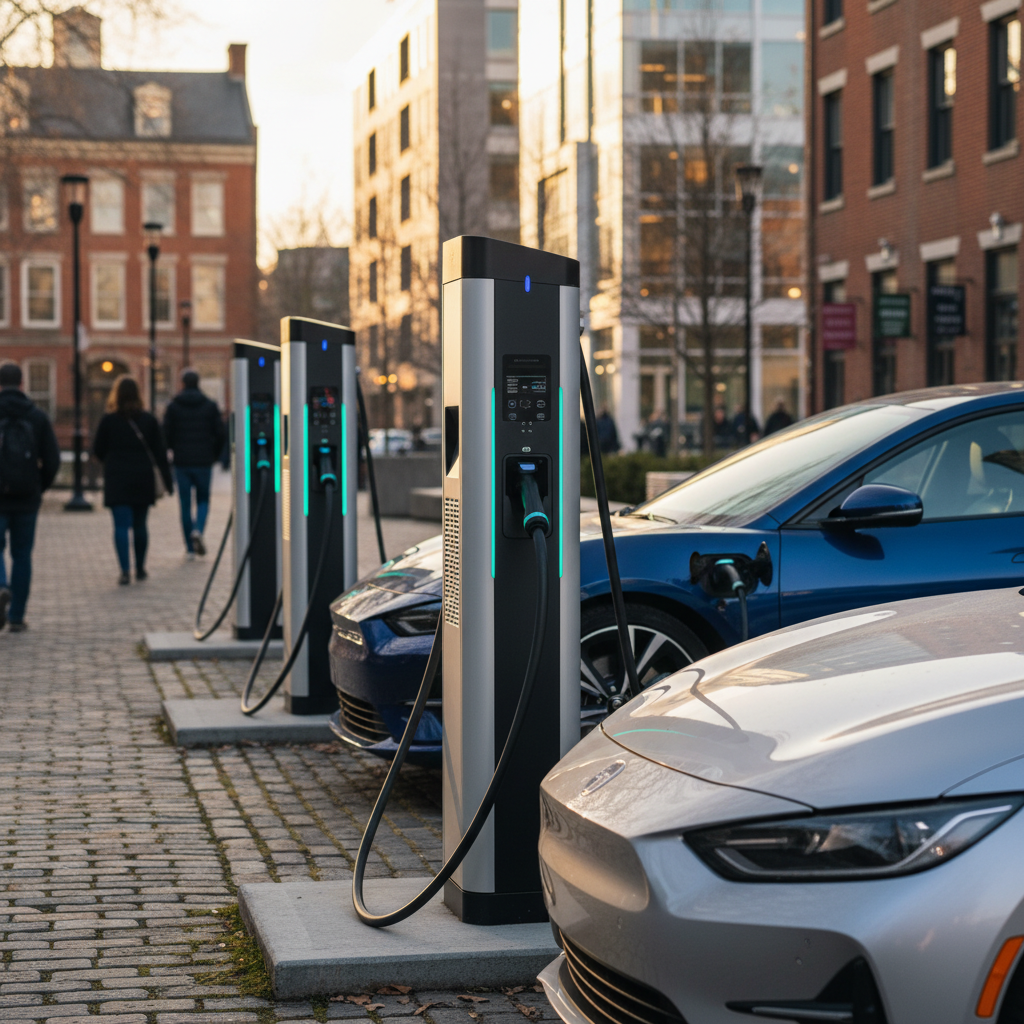
- Most support Level 2 (240V) at home.
- Some include DC fast charging for road trips.
- Lower maintenance: no oil changes, fewer moving parts.
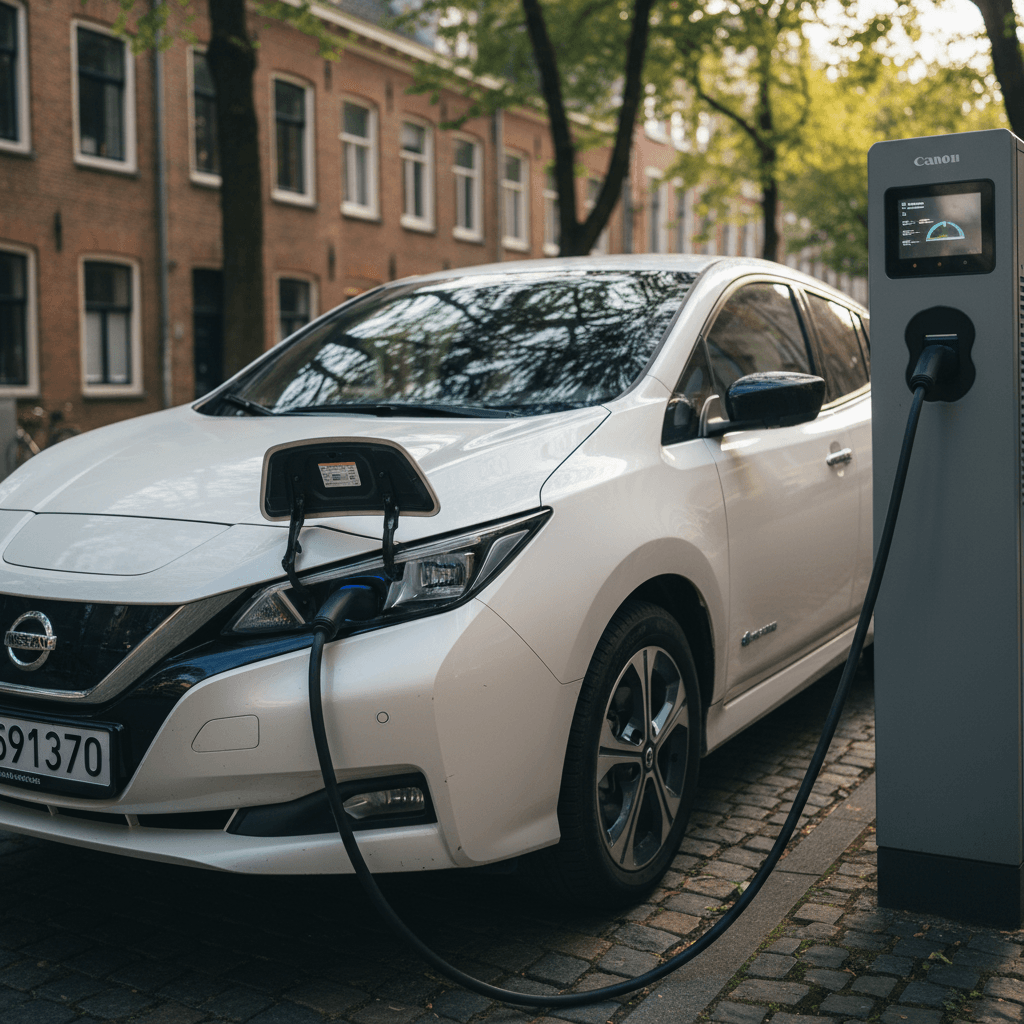
Where budget EVs compromise is usually range and space, not basic usability. Earlier models like the BMW i3 or first‑gen Nissan Leaf are compact and better suited to city or short‑suburb duty. Newer budget options like the Chevy Bolt blur the line and can comfortably tackle longer commutes.
Best Electric Cars Under $20K Right Now
Let’s talk names and numbers. Exact pricing varies by mileage, region, and trim, but as of late 2025, these models regularly appear at or under $20K in the U.S. used market. Think of the ranges below as realistic targets, not one‑off unicorn deals.
Popular Used EVs You’ll See Around or Under $20K
Approximate U.S. used-market pricing for 4–8‑year‑old examples in good condition.
| Model | Typical Used Price* | EPA Range (when new) | DC Fast Charging | Best For |
|---|---|---|---|---|
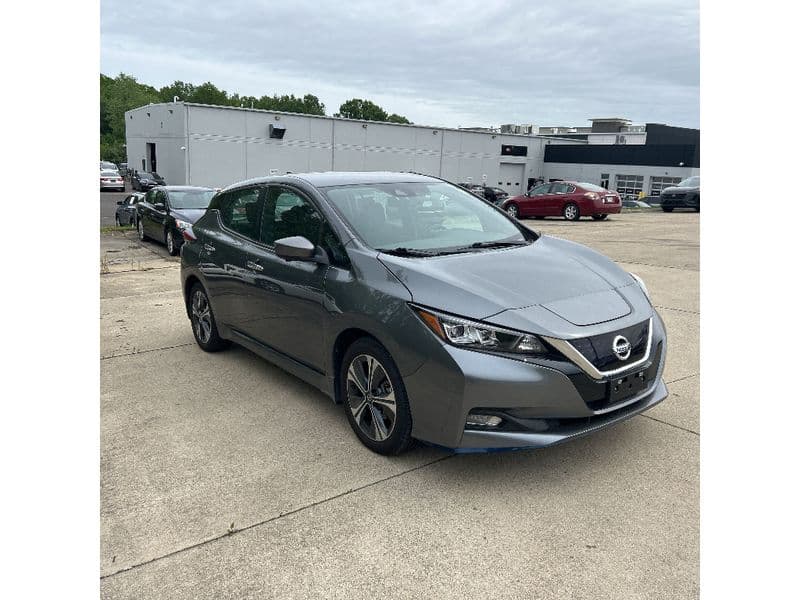
| Nissan Leaf (2nd gen, 40 kWh) | $8,000–$14,000 | 149 mi | Some trims | Short commutes, city use |
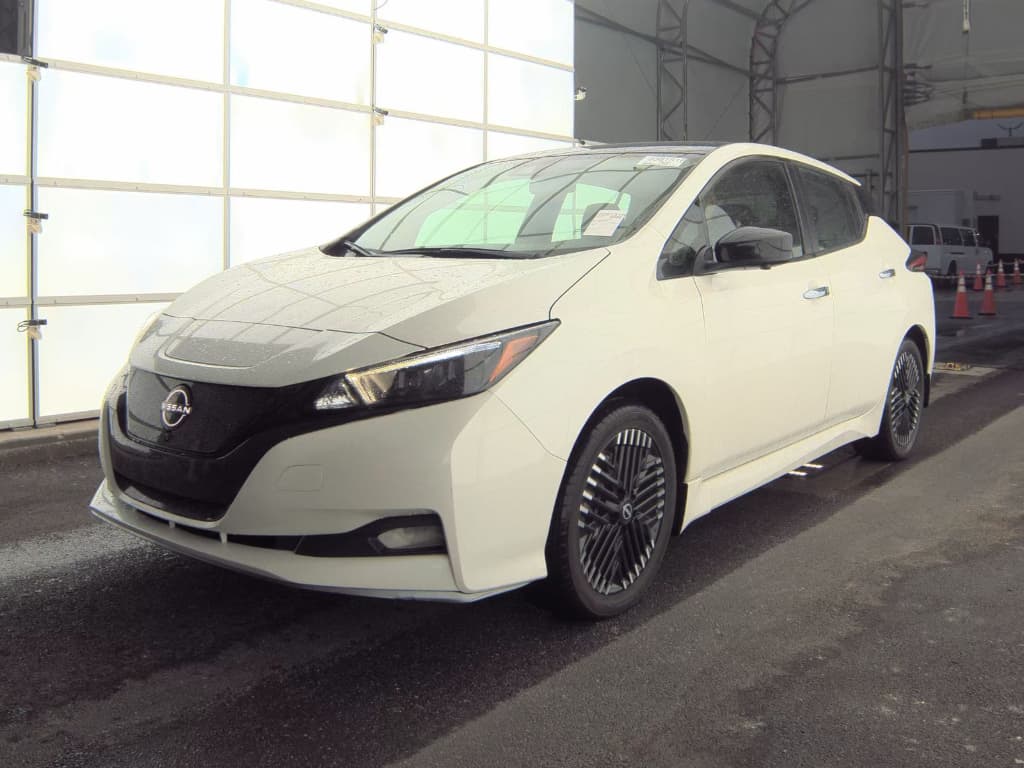
| Nissan Leaf (62 kWh Plus) | $13,000–$18,000 | 215–226 mi | Most trims | Longer commutes on a budget |
| Chevrolet Bolt EV (2017–2022) | $14,000–$19,500 | 238–259 mi | Yes | One‑car households, longer daily drives |
| BMW i3 (BEV/REx older years) | $9,000–$16,000 | 81–153 mi | Limited/slow | Urban drivers who value style & compact size |
| Kia Soul EV / Kia Niro EV (older years) | $13,000–$19,500 | 111–239 mi | Yes (varies by trim) | Tall‑roof practicality, mixed driving |
| Hyundai Ioniq Electric / Kona Electric (early years) | $15,000–$20,000+ | 124–258 mi | Yes | Efficient commuters, light road‑trip use |
| Early Tesla Model S (high‑mile) | $18,000–$22,000 | 200–265 mi (original) | Supercharging | Enthusiasts willing to live with age, higher upkeep |
| High‑mile Tesla Model 3 (RWD) | $19,000–$23,000 | 220–250+ mi | Supercharging | Shoppers lucky enough to snag a deal just under $20K |
Always confirm local prices and battery health before committing, cheap isn’t always good value.
About Those Teslas Under $20K
Battery Health Matters More Than Price
With gas cars, you worry most about engines and transmissions. With electric cars, the battery pack is the car in financial terms. A tired battery can turn an appealing $13,000 EV into a car you don’t want to drive, or a car nobody else wants to buy from you later.
How EV Batteries Age
- Batteries lose capacity slowly over time; 5–15% over the first few years is common.
- Heat, frequent DC fast charging, and high mileage accelerate degradation.
- Some models (early Leaf, some i3s) are more vulnerable than others.
What You Can Check as a Shopper
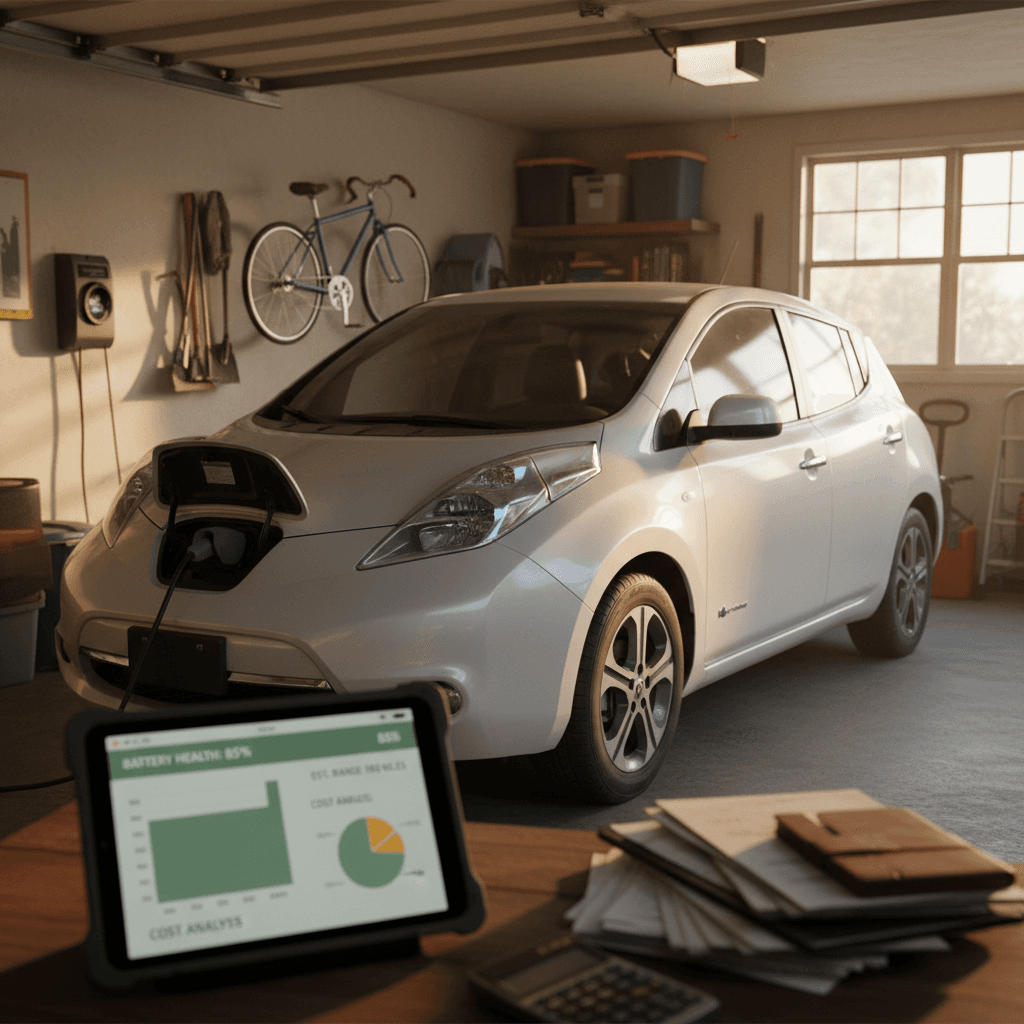
- Look at the car’s displayed range at 100% charge and compare to its original EPA rating.
- Ask for an independent battery health report, not just a dash screenshot.
- Check remaining factory or extended battery warranty coverage.
How the Recharged Score Helps
Battery Health Checklist for Sub‑$20K EVs
1. Compare displayed range to original specs
Charge the car close to 100% and note the indicated range. If a Leaf that was rated at 150 miles now shows 90–100 miles, factor that into your price and planned usage.
2. Ask for a formal battery health report
A scan tool or OEM app can provide a state‑of‑health percentage. A seller who dodges this question is waving a red flag.
3. Look for remaining battery warranty
Many EVs had 8‑year/100,000‑mile battery warranties from new. A car that’s six years old and under the mileage cap still has some safety net.
4. Consider your daily mileage honestly
If you drive 25 miles a day, a degraded pack that still offers 90 miles of range may be totally fine, and far cheaper than chasing long‑range models.
5. Check for rapid‑charging history
Heavy DC fast‑charging use can accelerate wear on some packs. Ask the seller how the car was typically charged and look for documentation if possible.
Running Costs, Incentives, and the Real Cost of Ownership
The sticker price is only half the story. One reason electric cars under $20K can make so much sense is that they’re cheap to keep, especially if you can plug in at home on a standard or 240‑volt outlet.
Where Budget EVs Save You Money
In most cases, fuel and maintenance savings more than offset slightly higher insurance or registration costs.
Fuel Savings
- Electricity is often equivalent to paying $1–$1.50 per gallon in energy.
- Commuters who switch from 25‑mpg gas sedans often save $60–$120 per month.
Lower Maintenance
- No oil changes, timing belts, or exhaust systems.
- Brake wear is reduced thanks to regenerative braking.
- Most routine care is tires, cabin filters, and brake fluid.
Incentives & Perks
- Some states and utilities offer rebates for used EVs or home chargers.
- HOV lane access and discounted tolls in certain regions.
Check Local Incentives
How to Shop Smart for an EV Under $20K
Shopping the EV bargain bin doesn’t mean you have to roll the dice. A bit of structure in your search keeps you focused on total value, not just the lowest asking price.
Smart Shopping Steps for Budget EV Buyers
1. Define your real range needs
Write down your typical weekday and weekend driving. If you rarely exceed 60–80 miles in a day, you can shop confidently among older Leafs, i3s, and Soul EVs.
2. Decide on home vs public charging
If you can install Level 2 at home, your life gets much easier. If you rely on public chargers, prioritize models with reliable DC fast‑charging capability and robust network support.
3. Start with a shortlist of models
Focus on 3–5 models (for example: Leaf, Bolt, Kona, i3, Niro). Research their known quirks and typical battery performance so you’re not starting from zero on every listing.
4. Use tools that show battery and price data
Platforms like Recharged surface <strong>battery health, fair‑market pricing, and history</strong> in one place. That’s a lot easier than piecing together guesses from generic classifieds.
5. Always test drive and inspect
Listen for suspension clunks, check all electronics, and confirm that the onboard charger and public charging both work properly. An EV‑savvy inspection is worth the small upfront cost.
Common Pitfalls to Avoid With Cheap EVs
- Chasing the lowest price and ignoring battery condition.
- Buying a CHAdeMO‑only car (like many older Leafs) if you plan to road‑trip in regions where that connector is disappearing.
- Assuming every EV includes DC fast charging, on some models, it was optional.
- Underestimating how a severely degraded pack shrinks your usable range in winter.
- Skipping a professional inspection because "it’s just an EV", they have suspensions, brakes, and electronics that wear out, too.
Do Not Skip the Battery Report
How Recharged Makes Buying a Budget EV Less Risky
Recharged was built around the reality you’re living in right now: used EVs are finally affordable, but the details matter. If you’re shopping for electric cars under $20K, you don’t have room in your budget for expensive surprises.
What You Get When You Buy Through Recharged
More than just a listing site, Recharged is designed specifically for used EV buyers.
Recharged Score Report
- Independent battery health diagnostics.
- Fair market pricing vs similar EVs.
- Vehicle history and equipment verified.
EV‑Specialist Support
- Talk to people who live and breathe EVs, not generalists.
- Help comparing range, charging, and costs between models.
- Guidance on whether a specific car fits your lifestyle.
Financing & Delivery
- EV‑friendly financing options, including budget‑focused buyers.
- Trade‑in, instant offer, or consignment options for your current car.
- Nationwide delivery and an Experience Center in Richmond, VA.
Ready to find your next EV?
Browse VehiclesWhy This Matters Under $20K
FAQs: Electric Cars Under $20K
Frequently Asked Questions About Sub‑$20K EVs
Bottom Line: Is an Electric Car Under $20K Worth It?
If you’re willing to be honest about how you drive, an electric car under $20K can be one of the smartest buys in today’s used market. You’re taking advantage of heavy depreciation, lower fuel and maintenance costs, and the fact that most commutes simply don’t require 300 miles of range.
The key is to treat battery health, charging access, and real‑world range as non‑negotiables. Get data, not promises. Whether you’re eyeing a $10K Leaf as a second car or hunting for that unicorn sub‑$20K Bolt or Model 3, you don’t have to navigate it alone. With tools like the Recharged Score Report, EV‑specialist support, and flexible financing and delivery, you can step into electric ownership with your eyes open, and your budget intact.