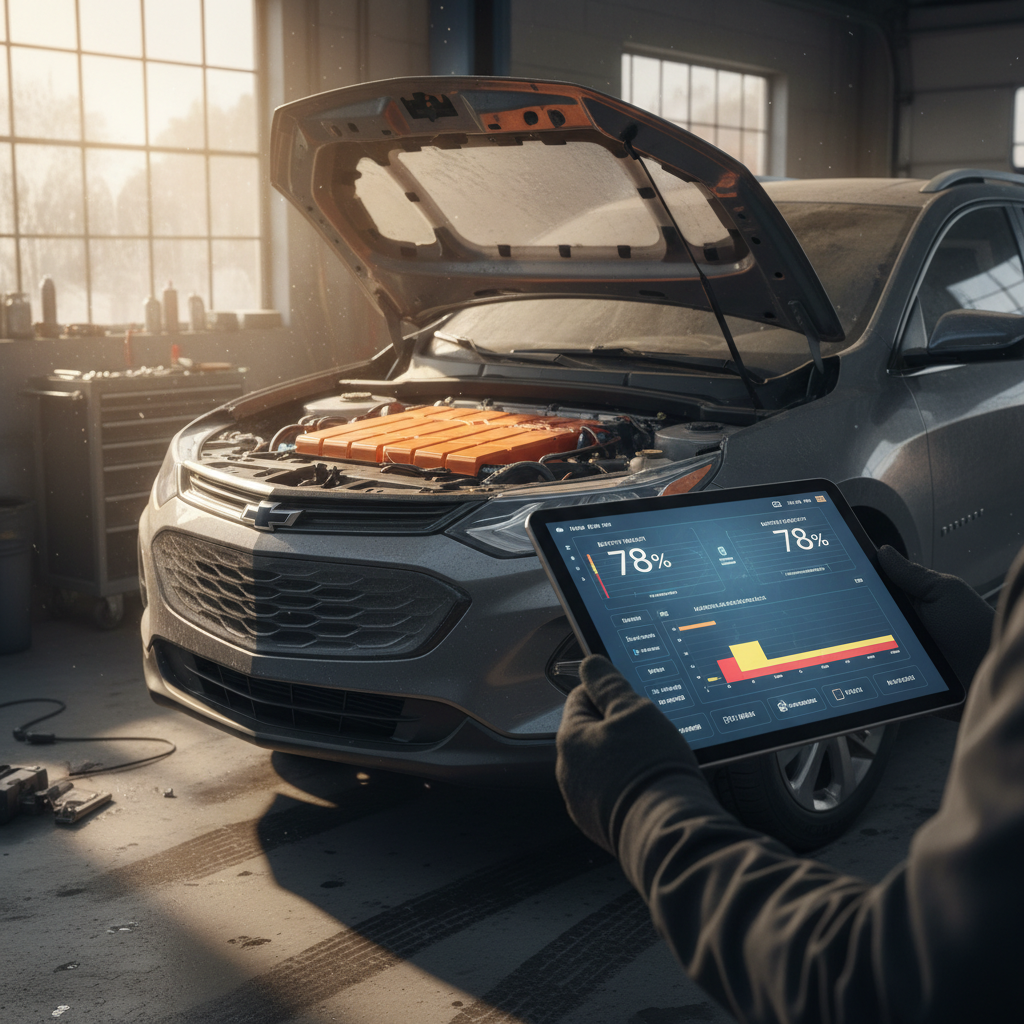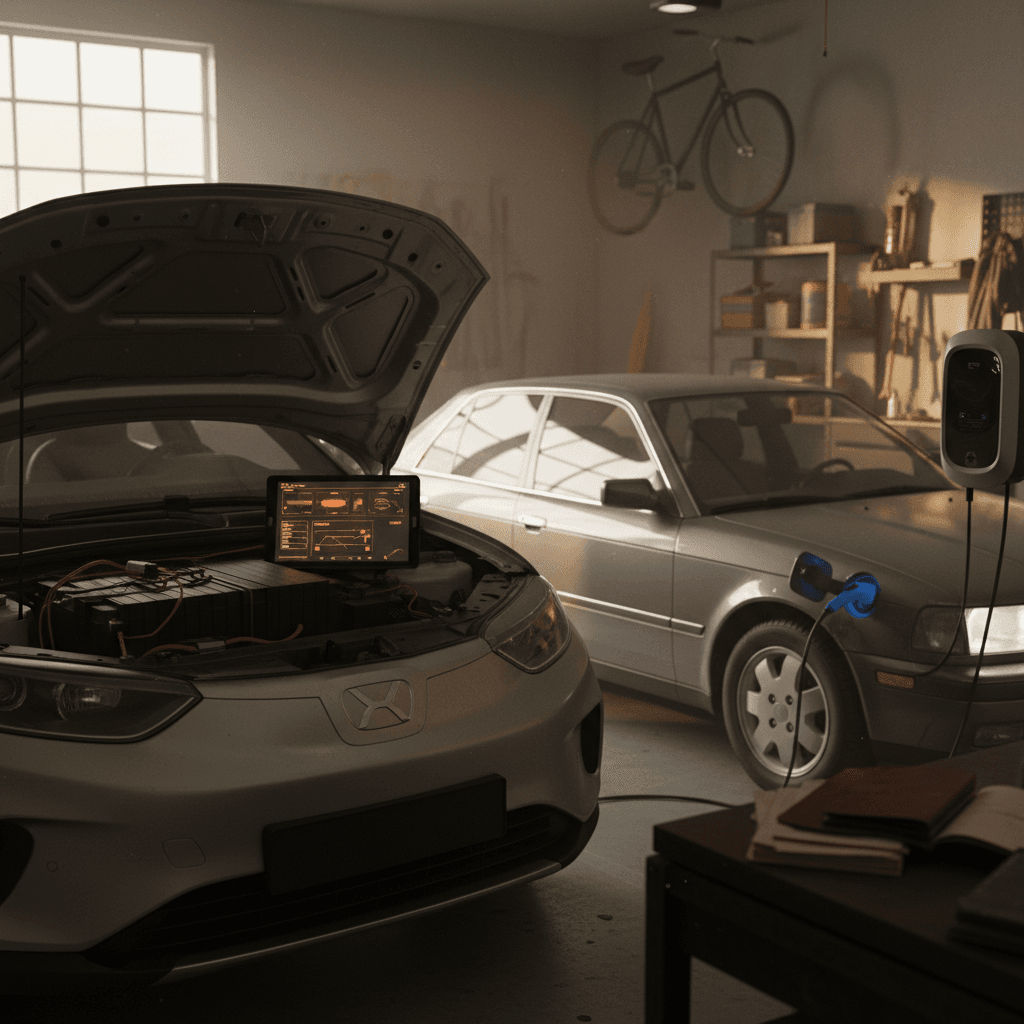
When you Google “electric cars to avoid 2026”, you mostly see scary lists with little context: fires, dead batteries, glitchy screens. Some of those warnings are justified; others are outdated or exaggerated. If you’re shopping for a used EV in 2026, the real goal isn’t to avoid electric cars altogether, it’s to avoid the wrong ones, bought the wrong way.
What this guide is (and isn’t)
Why some electric cars are riskier in 2026
Electric vehicles are still in a rapid learning phase. The 2020–2025 model years were full of first‑generation platforms, rushed software, and immature battery supply chains. By 2026, we can see clear patterns: some EVs have aged well; others have left owners stranded at chargers or in service bays.
- Immature battery packs – Early designs from several brands have seen recalls for fire risk or sudden loss of power, or have simply degraded much faster than owners expected.
- Complex software stacks – EVs are rolling computers. Glitchy infotainment or charging software can make a car effectively unusable, even if the motors and battery are fine.
- Low production volume – Niche models with small owner bases tend to have slower fixes, fewer independent repair options, and shakier parts availability.
- Rapidly evolving hardware – When a platform is replaced after just a few years, first‑gen cars can suffer steeper depreciation and patchy long‑term support.
Don’t confuse “avoid” with “always bad”
Quick list: electric cars to approach carefully
Based on public recall records, owner‑reported reliability data, and industry coverage as of early 2026, here are categories of electric cars to be cautious with in 2026, especially on the used market:
High‑risk EV categories for 2026 shoppers
What deserves extra homework before you sign anything
Battery‑recall veterans
EVs with well‑documented high‑voltage battery recalls or fire‑risk campaigns. Many have been fixed, but you must verify recall completion and battery replacement paperwork.
Examples often discussed: Chevrolet Bolt EV/EUV, Hyundai Kona Electric, some early Hyundai Ioniq Electric.
Software headache specials
Models where owners report persistent software bugs, failed over‑the‑air updates, and charging glitches that make daily use frustrating.
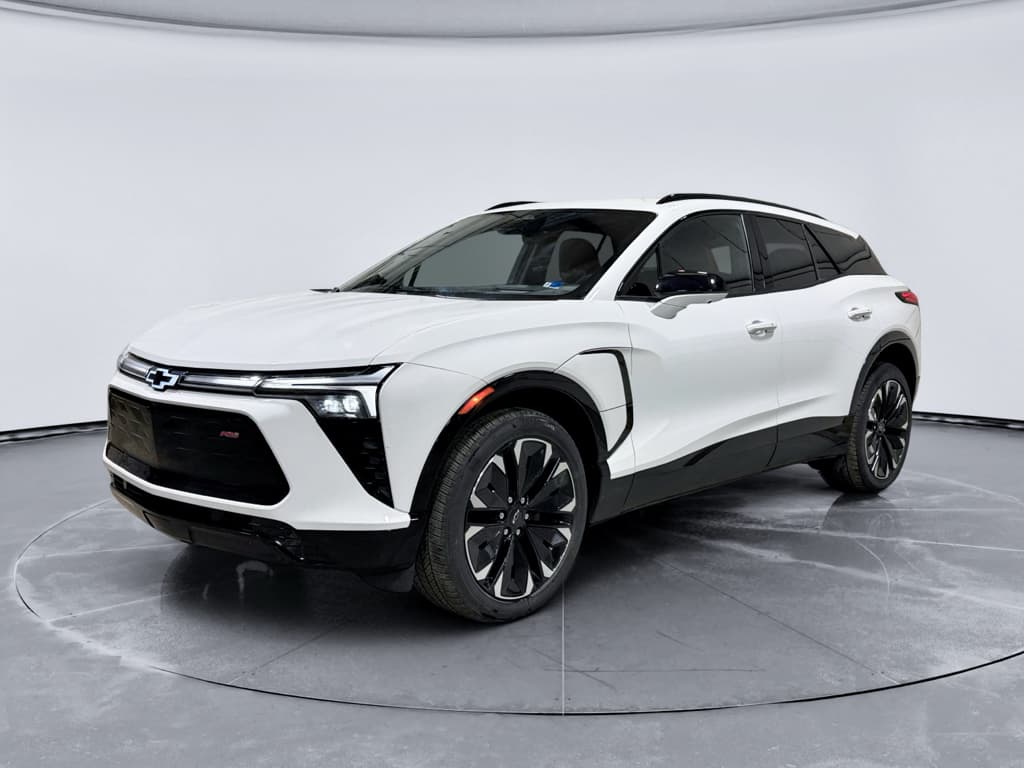
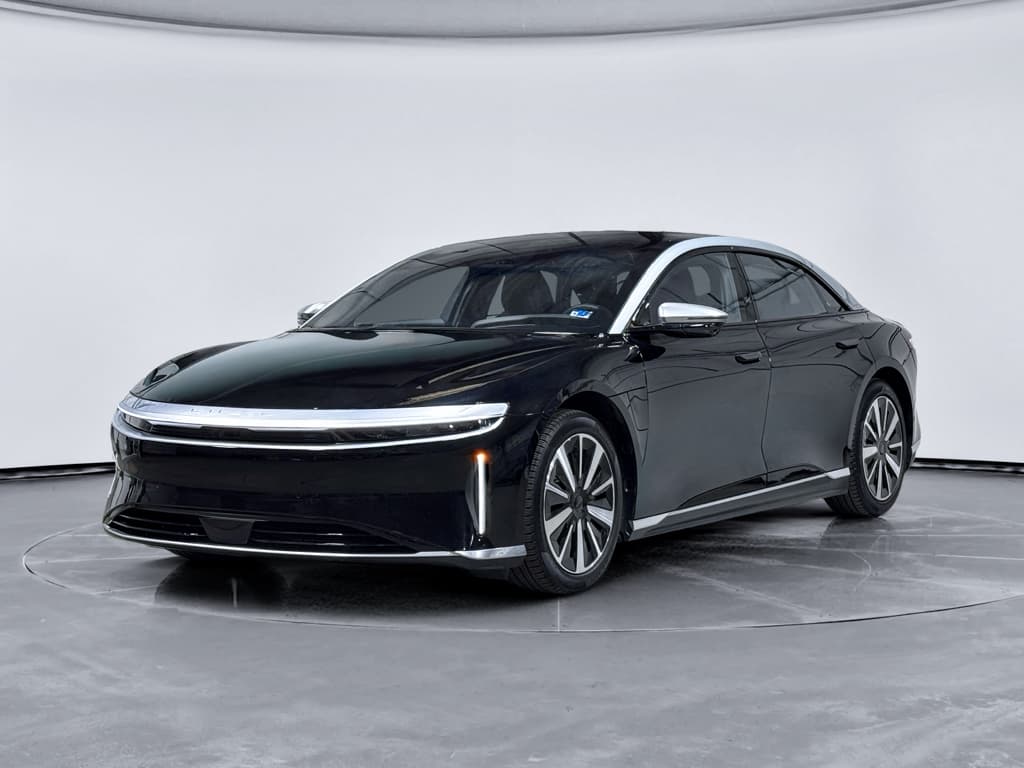
Examples often cited: Volkswagen ID.4, Chevrolet Blazer EV, some Cadillac Lyriq and Lucid Air builds.
Early low‑range, fast‑degrading EVs
First‑generation EVs with small battery packs and limited thermal management that tend to lose range quickly, especially in hot climates.
Examples: early‑build Nissan Leaf (24 kWh packs), some first‑wave compliance‑car EVs.
How to use this list
EVs with major recall or battery risk history
Battery recalls don’t automatically make an EV unsafe forever, but they do change how you should shop. When an automaker has replaced high‑voltage packs under recall, those cars can be either great value, or future headaches, depending on how carefully the work was done and documented.
High‑profile EV battery recall cases to scrutinize
Check each VIN for open recalls and confirm whether pack replacements or software fixes were actually completed.
| Model | Key model years to scrutinize | Typical issues noted | Shopping red flags |
|---|---|---|---|
| Chevrolet Bolt EV / EUV | ~2017–2022 | Battery defects leading to fire‑risk recalls and full pack replacements in many cases. | No proof of pack replacement or recall completion; unusually low price with vague history. |
| Hyundai Kona Electric | ~2019–2020 | High‑voltage battery recall for potential internal short circuits and fires in certain packs. | Car still using affected original pack; owner cannot show recall paperwork or service history. |
| Hyundai Ioniq Electric | 2019–2020 in particular | Smaller pack with some recall campaigns for battery issues in specific VIN ranges. | Missing recall documentation; rapid range loss compared with EPA estimate. |
| Various newer EVs (check by VIN) | 2021–2025 | Isolated battery and charging recalls as automakers ramped up new platforms. | Any open safety recall; seller unwilling to let you run a VIN check. |
Recall history doesn’t kill a deal, but lack of documentation should.
Battery fire risk is rare, but not abstract
For these models, you should insist on service records showing battery work, and, ideally, a fresh, third‑party battery health report. This is exactly the kind of documentation that separates a bargain Bolt or Kona from a time bomb.
Models plagued by software and electronics issues
As EVs pushed more functions into software between 2020 and 2025, some automakers over‑promised and under‑tested. Consumer‑facing reliability data for 2026 highlights several EVs with below‑average predicted reliability, driven heavily by infotainment failures, charging glitches, and electronic gremlins rather than motors or body hardware.
Why software reliability matters more with EVs
Volkswagen ID.4
VW’s mass‑market EV has been repeatedly called out in owner surveys and reliability write‑ups for charging issues, on‑board charger failures, and buggy infotainment. A major recall campaign in 2025 addressed a faulty on‑board charger that could leave the 12‑volt system unpowered and the vehicle inoperable.
If you’re considering a used ID.4 in 2026, be meticulous: demand proof of all recall work, a full software‑update history, and a very thorough test drive using multiple DC fast‑charging sessions if possible.
GM Ultium‑based EVs (Blazer EV, some Lyriq, others)
GM’s Ultium platform promises scale, but early builds of the Chevrolet Blazer EV and Cadillac Lyriq have been dogged by stories of software lockups, charging failures, and feature instability. Several early reviews describe cars that simply weren’t ready for mainstream buyers.
It’s not that every Ultium vehicle is a lemon; it’s that the spread is wide. With these models, a transparent service history and an extended warranty are more than nice‑to‑haves, they’re table stakes.
Luxury EVs are not immune
If you’re set on a premium EV that shows up on “least reliable” lists, focus your search on later build dates, models with documented software and hardware updates, and sellers who can walk you through exactly what’s been fixed and when.
Early EVs with fast battery degradation
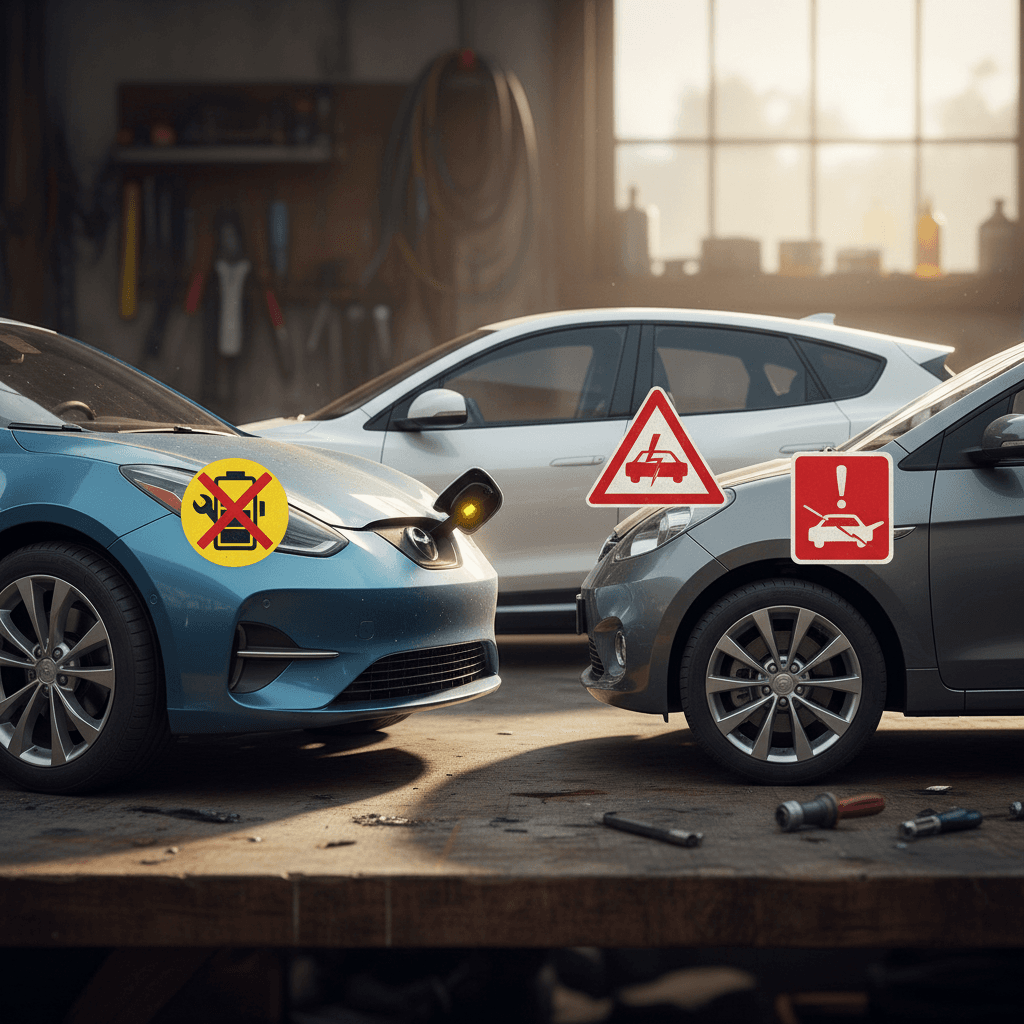
Not every “electric car to avoid” makes headlines. Some simply fade from used‑car listings because their real‑world range has fallen too far behind newer EVs. That’s especially true of early, small‑battery models without active thermal management.
Older EVs where degradation can make or break the deal
These cars can be cheap and perfectly usable for short‑range driving, but only if the remaining battery capacity matches your needs.
| Model / pack | Typical original EPA range | Common 2026 concern | When to walk away |
|---|---|---|---|
| Early Nissan Leaf (24 kWh) | ~73–84 miles | Air‑cooled packs in hot climates often show noticeable degradation by year 8–10. | If the car can’t realistically deliver your daily round‑trip with a safe buffer, even in winter. |
| Slightly larger Leaf packs (30–40 kWh) | ~100–150 miles | Better but still vulnerable in harsh climates or heavy DC fast‑charging use. | If the dash estimate and a real‑world test drive don’t align, or SOH numbers look suspiciously low. |
| First‑wave “compliance” EVs (various) | <100 miles | Aging chemistry plus outdated charging standards and parts scarcity. | If you need this to be a primary car rather than a cheap city runabout. |
Your tolerance for reduced range matters as much as the model name.
Why early Leafs get singled out so often
How to interpret lists of “electric cars to avoid in 2026”
Search results are full of dramatic headlines: “12 Least Reliable EVs for 2026,” “Top 10 Cars Not to Buy,” and so on. Those pieces can be useful starting points, but they rarely spell out how to translate a low reliability score into a concrete decision on a specific used car sitting in front of you.
What those rankings usually mean
- They’re averages. A model can score poorly overall even if some individual cars are trouble‑free.
- They blend serious and trivial issues. A broken infotainment screen and a failed high‑voltage battery are both “problems,” but they don’t carry the same risk.
- They lag reality. Predicted reliability for 2026 is often based on 2022–2024 data. Mid‑cycle fixes may not be fully reflected yet.
How to use them intelligently
- Treat low‑scoring EVs as a cue to dig deeper, not to panic.
- Focus on type of issues (battery, charging, electronics) and their impact on daily use.
- Use rankings alongside a VIN‑specific history report and a battery health assessment, especially for cars with lots of electronic or charging complaints.
A simple rule of thumb
Better bets: used EVs that age more gracefully
To balance out the doom‑scrolling, it’s worth noting that several EV families have built solid reputations by 2026 for predictable degradation and relatively manageable software. Exact rankings change year to year, but the traits you’re looking for are consistent.
What “safer” used EVs tend to have in common
Look for these patterns more than a particular badge
Mature battery chemistry
Models that have been on the road for several years with no major high‑voltage recalls and predictable degradation curves reported by owners.
Boring software (in a good way)
Infotainment that may not be flashy but rarely bricks the car, plus stable over‑the‑air updates or dealer‑applied campaigns.
Decent parts and service footprint
Scaling production and a growing pool of technicians, either at franchised dealers or independent EV shops, who actually know the platform.
Depending on budget and range needs, well‑vetted examples of mainstream EVs, from compact hatchbacks to crossovers, can be more satisfying than chasing the flashiest spec sheet or the newest, least‑proven platform.
Why the used EV market is your friend in 2026
Checklist: buying a used EV safely in 2026
Whether a model appears on an “electric cars to avoid 2026” list or not, the safest approach is methodical. Use this checklist to pressure‑test any used EV before you commit.
10 steps to de‑risk your used EV purchase
1. Start with your real‑world range needs
List your longest regular trips, climate, and parking/charging situation. A car with 150 miles of honest range can be perfect for a short commute but miserable for frequent 140‑mile winter drives.
2. Research model‑specific patterns
Look up common issues, recalls, and owner reports for the exact model and year. Pay attention to whether problems are mostly software nuisances or serious battery/drive‑unit failures.
3. Pull a full VIN history report
Check for accidents, lemon buybacks, flood damage, odometer discrepancies, and repeated service visits for the same concern. A clean EV history is especially valuable on first‑generation platforms.
4. Check recall status and campaign completion
Use official recall tools to confirm there are no open safety recalls, and ask for paperwork showing completed battery or charger campaigns on models known for such issues.
5. Demand objective battery health data
Don’t settle for a seller saying, “It still goes pretty far.” Ask for a quantified state‑of‑health (SOH) reading or a professional battery diagnostic report, not just the dashboard guess.
6. Test AC and DC charging behavior
If possible, charge the car on both a Level 2 station and a DC fast charger. Watch for error messages, stuck charge ports, or charging speeds that are far slower than expected for that model.
7. Punish the software on a long test drive
Run navigation, stream audio, pair and unpair phones, toggle drive modes, and use driver‑assist. You’re looking for freezes, random restarts, warning lights, or features that don’t behave consistently.
8. Inspect tires, brakes, and suspension
EVs are heavy; they can chew through tires and suspension components more quickly. Uneven wear or clunks over bumps can hint at expensive upcoming maintenance, even if the battery is fine.
9. Understand remaining warranty coverage
Many EVs carry 8‑year/100k‑mile (or longer) battery warranties. Verify in writing what’s left for the specific VIN, not just the model line. Be clear on what is and isn’t covered.
10. Get an EV‑savvy pre‑purchase inspection
A generic used‑car inspection isn’t enough. Ideally, have an EV‑specialist shop or retailer perform a detailed assessment, including battery health and high‑voltage safety checks.
How Recharged reduces the risk for used EV shoppers
If this all sounds like a lot to manage on your own, that’s exactly why companies like Recharged exist. The used EV market rewards careful homework, but most shoppers don’t have an oscilloscope or an EV‑savvy technician in their contact list.
What you get when you buy a used EV through Recharged
Designed around the realities of EV reliability and battery risk
Recharged Score battery diagnostics
Every vehicle includes a Recharged Score Report with verified battery health, charging performance, and pricing benchmarks. You’re not guessing about state of health; you see it in writing.
Problem‑focused vehicle selection
Recharged screens out vehicles with unresolved safety recalls, severe battery concerns, or ugly history reports. You’re far less likely to even see the kinds of cars this article warns about.
Fair pricing, financing & trade‑in options
Transparent, data‑backed pricing, plus financing and trade‑in support. You can also get an instant offer or consign your current vehicle while you move into a better‑vetted EV.
Nationwide delivery
Shop digitally and have your EV delivered nationwide, instead of being limited to whatever your local dealer happens to have on the lot.
EV specialist support
From picking the right range for your lifestyle to understanding charging options, Recharged’s EV specialists guide you through each step, not just the sale.
Experience Center in Richmond, VA
If you prefer to see, touch, and drive before deciding, you can visit the Recharged Experience Center in Richmond, Virginia for in‑person help.
Ready to find your next EV?
Browse VehiclesWhy this matters for “cars to avoid” lists
Electric cars to avoid 2026: FAQ
Frequently asked questions about electric cars to avoid in 2026
Bottom line on electric cars to avoid in 2026
By 2026, the EV market has matured enough that we can say, with some confidence, which electric cars you should approach with caution: first‑generation platforms with serious battery recalls, models notorious for buggy software, and older small‑pack EVs whose real‑world range no longer matches modern expectations.
But focusing only on model names misses the point. The real divide isn’t between “good” and “bad” EVs, it’s between cars with transparent battery health and history, and cars that ask you to take the most expensive component on faith. If you keep that distinction front and center, you can safely ignore a lot of the fear‑mongering around electric cars to avoid in 2026.
Use the checklist in this guide, lean on objective diagnostics like a Recharged Score Report, and prioritize EV‑savvy sellers over whoever happens to be closest. Do that, and you’ll be positioned not just to dodge the problem children, but to capture the upside of a used EV market that’s finally coming into its own.