If you’ve tried to compare electric car models lately, you’ve probably noticed two things at once: there are more EVs than ever, and the lineups change constantly. New models arrive, others quietly disappear, and familiar nameplates like Leaf or Bolt evolve into something very different from the original. This guide cuts through the noise so you can understand today’s EV model landscape and choose the right new or used electric car with confidence.
Where the EV market stands in late 2025
Why electric car models feel confusing right now
1. The "same" model can change a lot
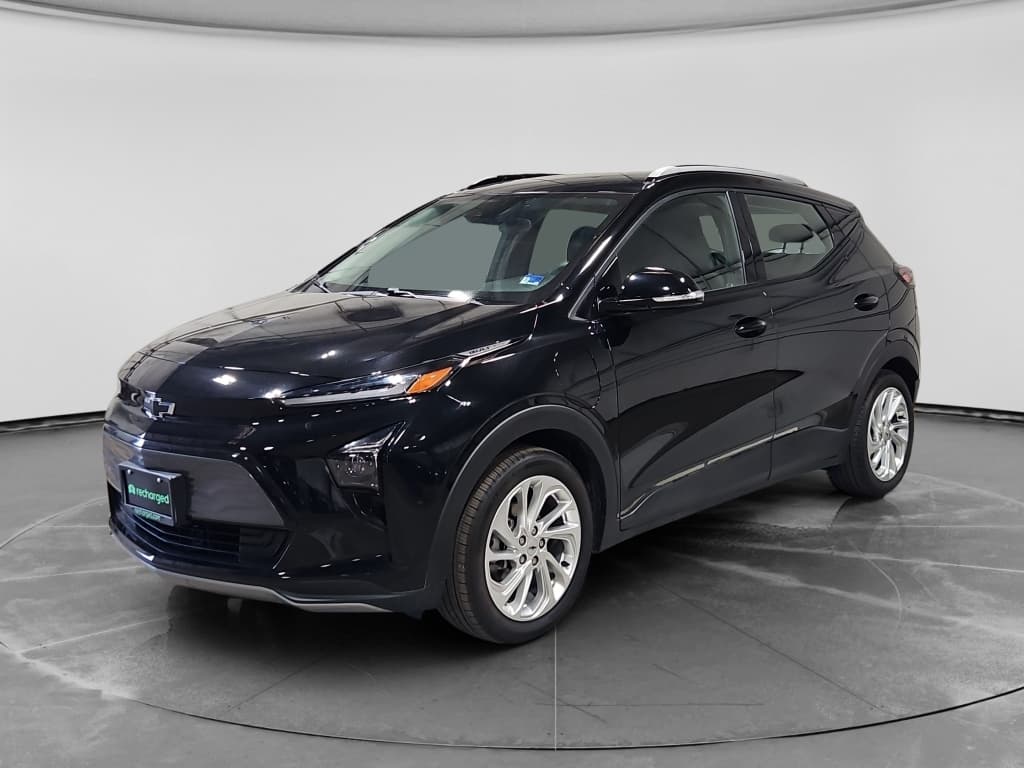
With EVs, a familiar name doesn’t always mean the same hardware. A 2020 Nissan Leaf or Chevy Bolt is a very different car than a 2024 or 2025 EV built on a newer platform. Range, charging speed, and even battery chemistry may have changed dramatically.
2. New segments are still being defined
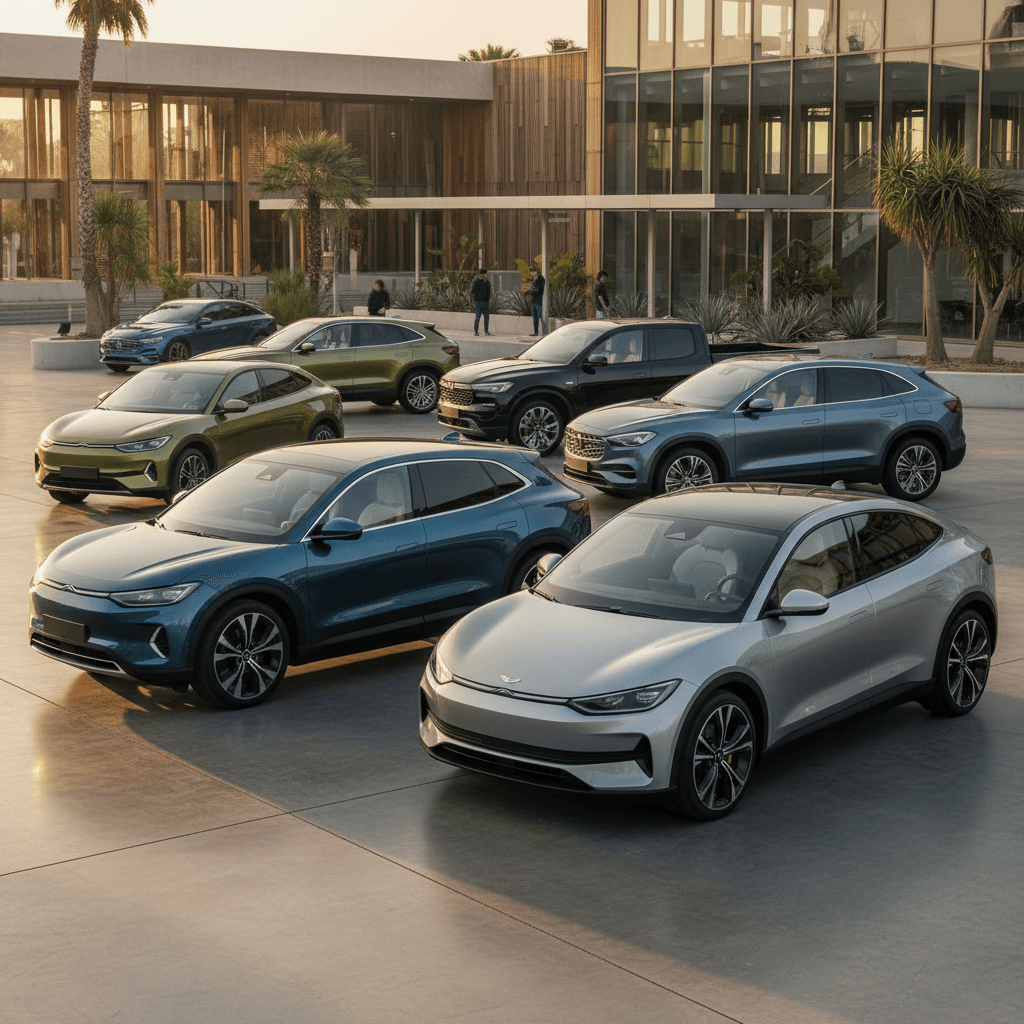
Automakers are still figuring out which electric car models resonate. That means experimental body styles (like coupe‑ish crossovers) and frequent mid‑cycle refreshes. Some nameplates, such as entry‑level sedans and crossovers from Honda, GM and Kia, are only just arriving in volume.
Don’t assume all trims are created equal
How electric car models are categorized
Before you compare individual electric car models, it helps to know how they’re grouped. For shoppers, the most useful way to break things down is by body style and use case rather than by brand marketing language.
Main types of electric car models you’ll see
Most EVs on sale in the U.S. fall into one of these buckets
Compact & midsize cars
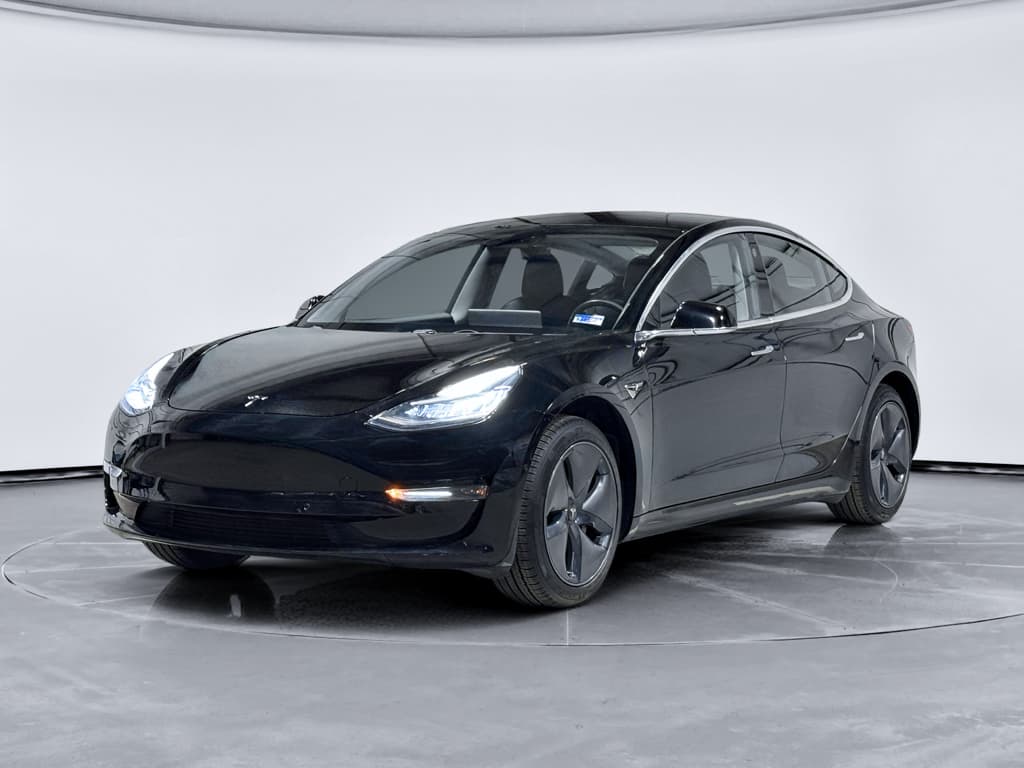
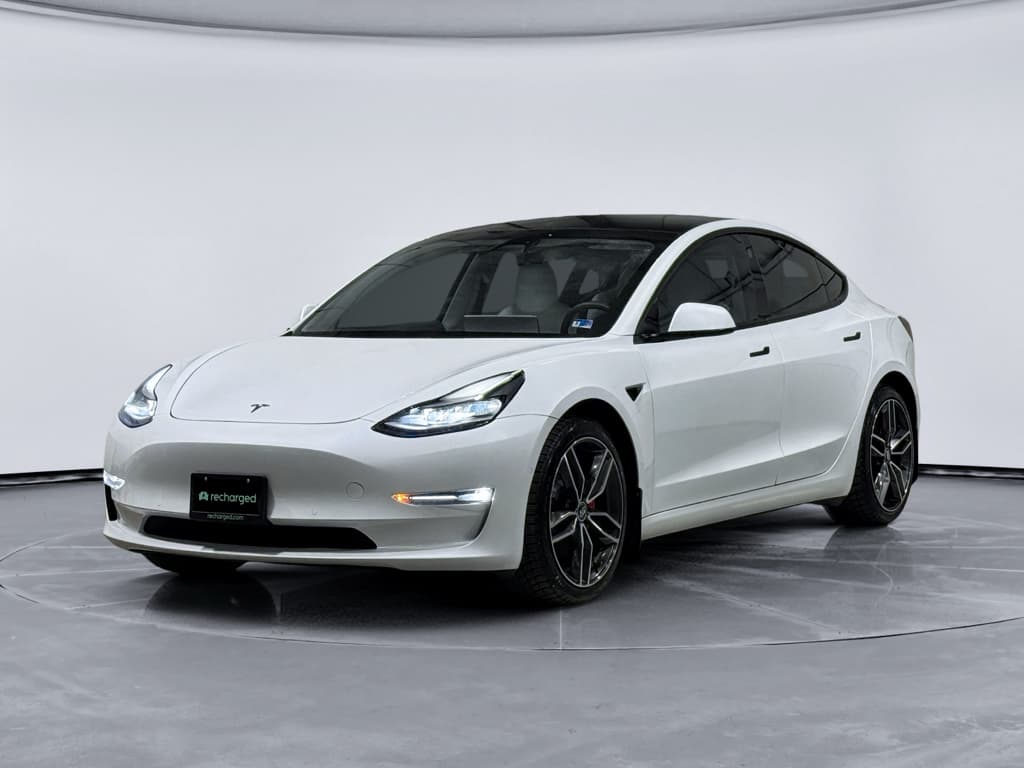
Includes hatchbacks and sedans like the Nissan Leaf, Hyundai Ioniq 6, and Tesla Model 3. Best if you value efficiency and price over cargo space and towing.
Crossovers & SUVs
The heart of the market: Tesla Model Y, Hyundai Ioniq 5, Ford Mustang Mach‑E, Volkswagen ID.4, Kia EV9 and more. Higher ride height, flexible cargo and usually all‑wheel drive available.
Pickup trucks & vans
Includes the Ford F‑150 Lightning, Tesla Cybertruck, and Rivian R1T. Built for towing and utility; large batteries, big charging demands and generally higher prices.
- Battery size (kWh) drives how much energy the car can store and is the key determinant of range.
- Motor layout (single‑motor RWD/FWD vs dual‑motor AWD) influences performance and efficiency.
- Charging architecture (400‑volt vs 800‑volt) affects how quickly the model can DC fast‑charge on road trips.
Think "job to be done," not just body style
Top‑selling electric car models in the U.S.
If you want to understand the EV landscape quickly, follow the sales charts. In 2024, U.S. buyers registered about 1.3 million new EVs. A relatively small group of models account for the bulk of those sales, led, still, by Tesla.
Best‑selling EV models in the U.S., 2024
Rounding out the top tier of electric car models are the Tesla Cybertruck, Ford F‑150 Lightning, Honda Prologue, Chevrolet Equinox EV, Cadillac Lyriq and Rivian R1S. Behind them sit dozens of lower‑volume EVs that may fit specific niches or regional incentives.
Why sales leaders matter to used buyers
Popular EV models by vehicle type
Let’s translate the sales charts into something more practical: which specific electric car models you’ll actually see when you shop, especially in the used market.
Representative electric car models by segment (U.S. focus)
Not a complete list, but a snapshot of the models most shoppers encounter in late 2025.
| Segment | Entry / Value | Mainstream | Premium |
|---|---|---|---|
| Compact / small hatchback | Chevrolet Bolt EV / EUV (used) | Nissan Leaf (used & new redesign coming) | Mini Cooper SE (limited range) |
| Midsize sedan | Hyundai Ioniq 6 | Tesla Model 3 | BMW i4, Mercedes‑Benz EQE Sedan |
| Compact crossover | Hyundai Kona Electric, Kia Niro EV | Hyundai Ioniq 5, VW ID.4, Honda Prologue, Chevy Equinox EV | Volvo EX30, Audi Q4 e‑tron |
| 2‑row SUV | Ford Mustang Mach‑E, Subaru Solterra / Toyota bZ4X | Tesla Model Y, Kia EV6 | Mercedes EQE SUV, BMW iX |
| 3‑row SUV | Kia EV9 | Tesla Model X (used), upcoming GM Ultium 3‑row models | Cadillac Escalade IQ, Volvo EX90 |
| Pickup truck | Chevy Silverado EV (limited), future Ram REV | Ford F‑150 Lightning | Tesla Cybertruck, Rivian R1T |
| Luxury sedan / GT | Hyundai Ioniq 6 Limited | Tesla Model S (used) | Lucid Air, Audi RS e‑tron GT |
Always verify availability and incentives in your state, lineups and trims change quickly.
New models on the way
Range, charging and battery health by model
Specs matter more with EVs than with comparable gasoline cars. The same body style can feel very different in day‑to‑day use depending on range, efficiency, and charging behavior. Here’s how to interpret what you’re seeing on window stickers and listings.
How today’s electric car models typically stack up
Broad patterns, always check the exact trim for precise ratings
Realistic range
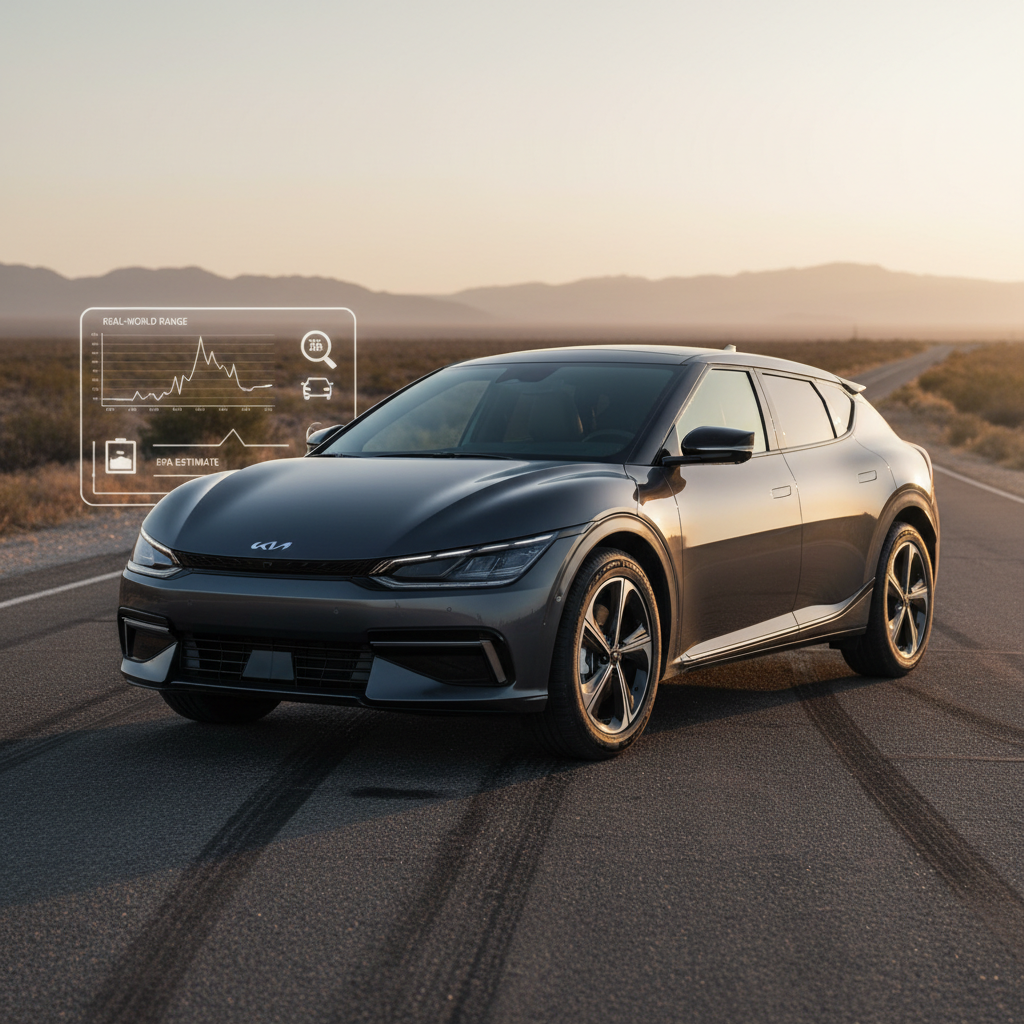
Most current electric car models fall between 220 and 320 miles of EPA range, with some long‑range trims stretching to ~350 miles and a few older city‑EVs (and first‑gen Leaf/Bolt) under 200 miles.
Charging speed
Newer 800‑volt EVs like Hyundai’s Ioniq 5/6 can add 10–80% in around 18 minutes under ideal conditions. Many mainstream models land in the 25–35 minute window; older models may take 40 minutes or more for a similar energy bump.
Battery robustness
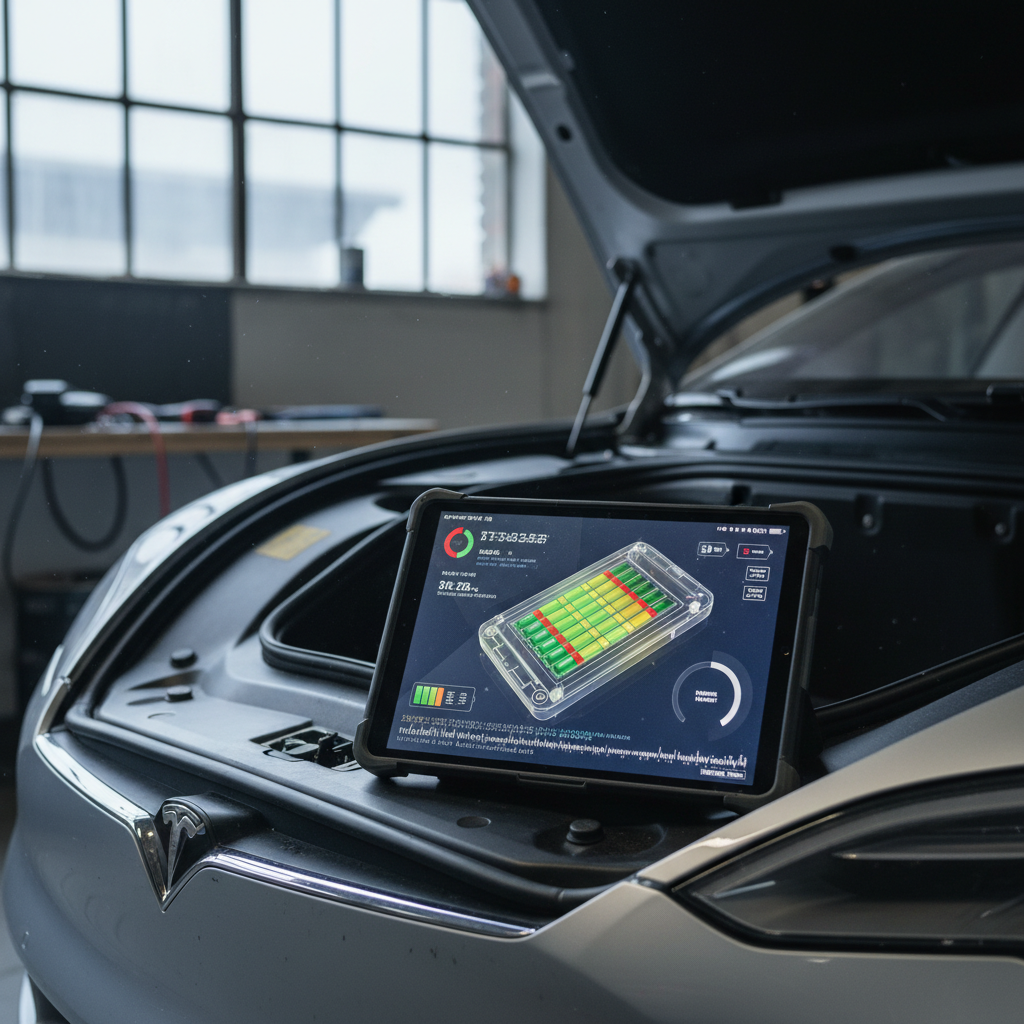
Battery chemistries differ. Some newer models favor LFP packs that tolerate frequent fast‑charging, while older NMC packs in cars like early Leafs can degrade faster, especially in hot climates or without active cooling.
Don’t guess on battery health for used EVs
Questions to ask about any EV model’s range and charging
1. What’s the EPA range for this specific trim?
Look for the official EPA number, then mentally haircut it by 10–20% for highway driving, winter use, and running climate control. A 250‑mile rating usually feels like ~200 miles in mixed real‑world use.
2. How fast can it DC fast‑charge?
Check the maximum DC kW rating and, ideally, an 10–80% time estimate. The difference between a car that peaks at 80 kW vs 230 kW is huge on road trips, even if they have similar battery sizes.
3. Does it use NACS or CCS?
Most new models are shifting to Tesla’s NACS connector, but many popular EVs, especially used, still use CCS. That determines which public chargers are plug‑and‑play versus which require adapters.
4. How is the pack cooled?
Active liquid‑cooled packs tend to manage heat and fast‑charging better than air‑cooled systems. This is especially relevant if you live in a hot climate or fast‑charge frequently.
Which electric car models make the best used buys
For many shoppers, the smartest way to get into an EV is to let someone else eat the early‑adopter depreciation. A handful of high‑volume electric car models stand out for used buying because they combine decent range, maturing reliability data, and now‑attractive prices.
Used EV models most shoppers should at least consider
Specific picks will depend on your budget, climate and charging access
Tesla Model 3 & Model Y
Ubiquitous, efficient and well‑supported with software updates. Later‑build Model 3 and Y examples often include access to Tesla’s vast Supercharger network, and the sheer volume of cars built makes pricing more transparent.
On Recharged, every Model 3 or Y listing includes a Recharged Score with detailed battery diagnostics, so you can see how much of the original range remains.
Chevrolet Bolt EV / EUV
One of the best values in the used EV world. Compact, efficient and plenty for commuting, though earlier cars were subject to a widely publicized battery recall (most have received pack replacements).
If you’re mostly doing city and suburban driving and don’t need road‑trip‑grade fast charging, a properly remediated Bolt can be a bargain.
Hyundai Ioniq 5 / Kia EV6
Among the quickest‑charging EVs on the road, with compelling styling and practical cabins. These make excellent all‑rounders if you road‑trip regularly.
Used pricing has softened as more inventory hits the market, so it’s worth comparing an Ioniq 5 or EV6 against similarly priced new compact crossovers.
VW ID.4, Ford Mustang Mach‑E, Nissan Leaf
Volume players with plenty of supply on the used market. Later‑build ID.4s and Mach‑Es have seen software and hardware improvements, while newer Leafs offer more range than the first generation.
Because these model lines have evolved quickly, inspecting a detailed battery report, like the Recharged Score, is especially important.
Leaning on Recharged for model and battery guidance
How to choose the right EV model for you
Once you understand the categories and the major players, selecting from dozens of electric car models becomes an exercise in matching your use case, budget and risk tolerance. This is where a structured checklist beats endless spec‑sheet surfing.
Step‑by‑step: narrowing down EV models
1. Define your real‑world range requirement
Look at your longest regular days (commute + errands + school runs) and occasional trips. If you mostly charge at home and rarely exceed 120 miles in a day, a 220‑mile EV may be plenty. If you often drive 200+ miles without stopping, look for 280–300 miles EPA or more.
2. Decide how often you’ll fast‑charge
If you mostly drive locally and charge at home, you can prioritize purchase price over 800‑volt architectures and 350‑kW chargers. If you road‑trip frequently, fast‑charging performance and network access should move to the top of your criteria.
3. Choose a body style that fits your life
Families often gravitate to crossovers and 3‑row SUVs; city‑dwelling couples may prefer compact hatchbacks for easy parking. Remember that EV trunks sometimes trade vertical space for underfloor battery packs, so bring strollers, golf bags or pet crates to a test drive.
4. Decide new vs used vs nearly‑new
New gets you the latest range and charging tech plus a full warranty, but used (or off‑lease) EVs often offer far better value. A 2‑ to 4‑year‑old Model Y or Ioniq 5, fully evaluated with a Recharged Score, can cost significantly less than a comparable new build.
5. Run the total‑cost numbers, not just MSRP
Consider federal and state incentives, fuel savings vs your current vehicle, insurance and expected maintenance. Many households find that a higher EV payment is offset by lower running costs over a few years, especially when buying a fairly priced used example.
What Recharged adds to the equation
Recharged was built specifically around used electric cars. Every vehicle comes with a Recharged Score Report that covers battery health, pricing vs the broader market, and a detailed condition review. You can browse, finance, and finalize documents entirely online, then have the vehicle delivered to your door in most of the U.S.
Trade‑in, instant offer, or consignment
If you’re moving out of a gasoline car, or out of an older EV, Recharged can help you unlock that value. You can request an instant offer, explore consignment, or apply it as a trade‑in credit against your next EV. That’s particularly useful if you’re upgrading from a first‑generation model to something with more range and faster charging.
FAQ: electric car models
Frequently asked questions about electric car models
Bottom line on electric car models
The electric car market has moved beyond a Tesla‑plus‑a‑few‑others story. Today, shoppers in the U.S. can choose from dozens of electric car models spanning compact hatchbacks to 3‑row SUVs and serious work trucks, with more variants arriving every model year. The key is not to chase every new announcement, but to anchor on your real‑world needs and then compare a short list of models that can do the job.
If you’re leaning toward a used EV, the stakes are a little different: battery health, charging behavior and pricing vs. remaining life matter more than having the latest styling. That’s exactly why Recharged combines verified battery diagnostics, fair‑market pricing and specialist support into a single, fully digital experience. When you’re ready to move from research to action, you can explore real inventory, trade‑in options and financing without leaving your couch, and end up in an electric car model that fits both your life and your budget.