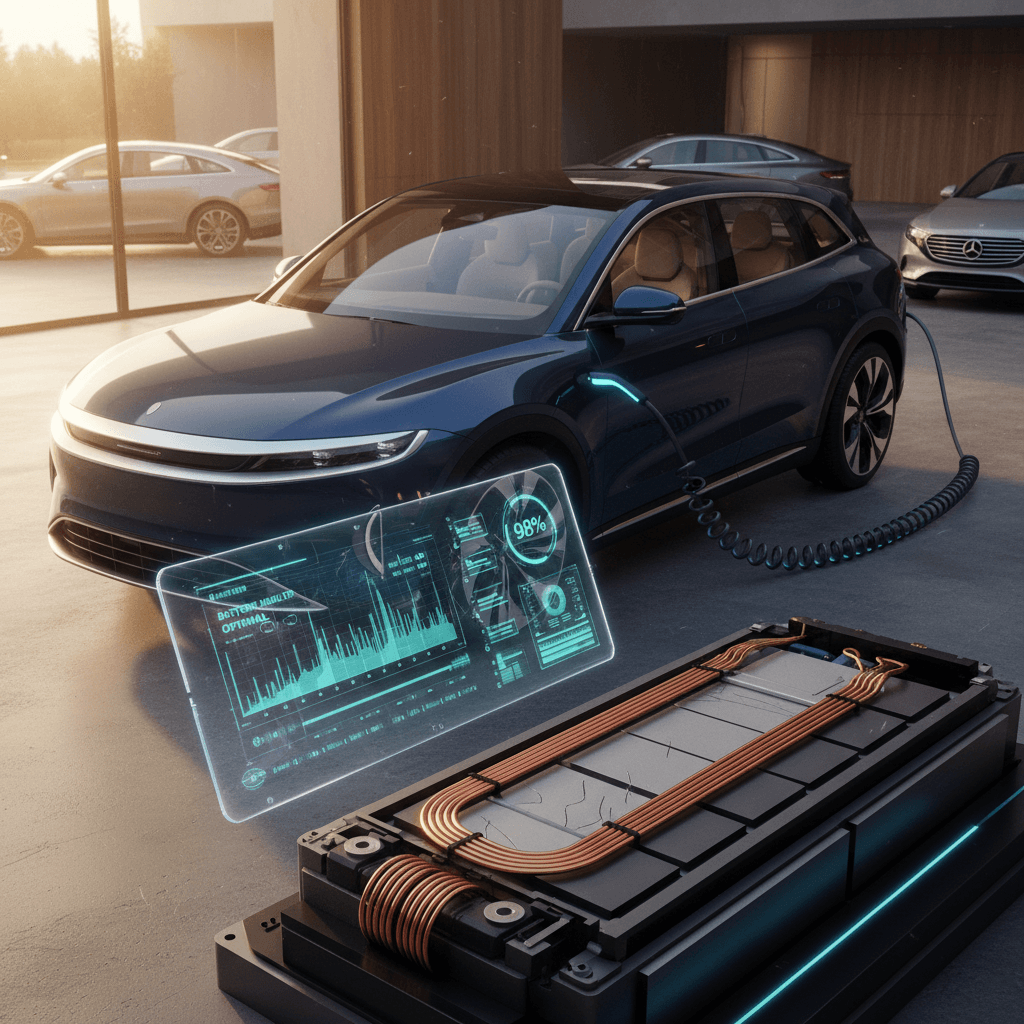
If you’re shopping for an electric cars luxury SUV in 2025, you’re in the sweet spot of the EV market. This is where performance, tech, and comfort all converge, and where the used market is finally mature enough to offer serious value. The challenge isn’t finding options; it’s cutting through the noise to decide what actually fits your life and your budget.
Luxury EV SUVs in one sentence
Why luxury electric SUVs are booming in 2025
Luxury EV SUV momentum at a glance
For years, the EV story was told around small hatchbacks and futuristic sedans. In the U.S., though, the real adoption engine has turned out to be electric SUVs, and especially the luxury end of that spectrum. These vehicles fit existing habits: you sit up high, carry kids and gear, and still get the kind of tech and performance that makes EVs feel special.
- Americans are shifting from sedans to SUVs, and the EV market has followed.
- Luxury buyers are less sensitive to upfront price and more interested in tech, performance, and image.
- Tax credits and aggressive leasing deals have pulled more buyers into premium EVs, often cross-shopping with gas GLE, X5, or Escalade buyers.
- A growing used market means you can now buy a 2–3‑year‑old luxury EV SUV for a fraction of its original price.
New vs used: where the value is now
Key players in today’s electric luxury SUV market
Three main tiers of luxury electric SUVs
From entry‑luxury to full‑fat flagship
Compact luxury EV SUVs
Think of these as EV alternatives to an Audi Q5 or BMW X3.
- Examples: Tesla Model Y, Audi Q4 e‑tron, Genesis GV60, Lexus RZ.
- Typical range: 240–320 miles.
- Best if you mainly drive in cities and suburbs.
Midsize luxury EV SUVs
A step up in presence and comfort, often 2-row with big cargo space.
- Examples: Cadillac Lyriq, BMW iX, Polestar 3, Acura ZDX.
- Typical range: 260–330 miles.
- Good mix of comfort, range, and price.
Premium flagship SUVs
Big, powerful, and expensive. These are the halo vehicles.
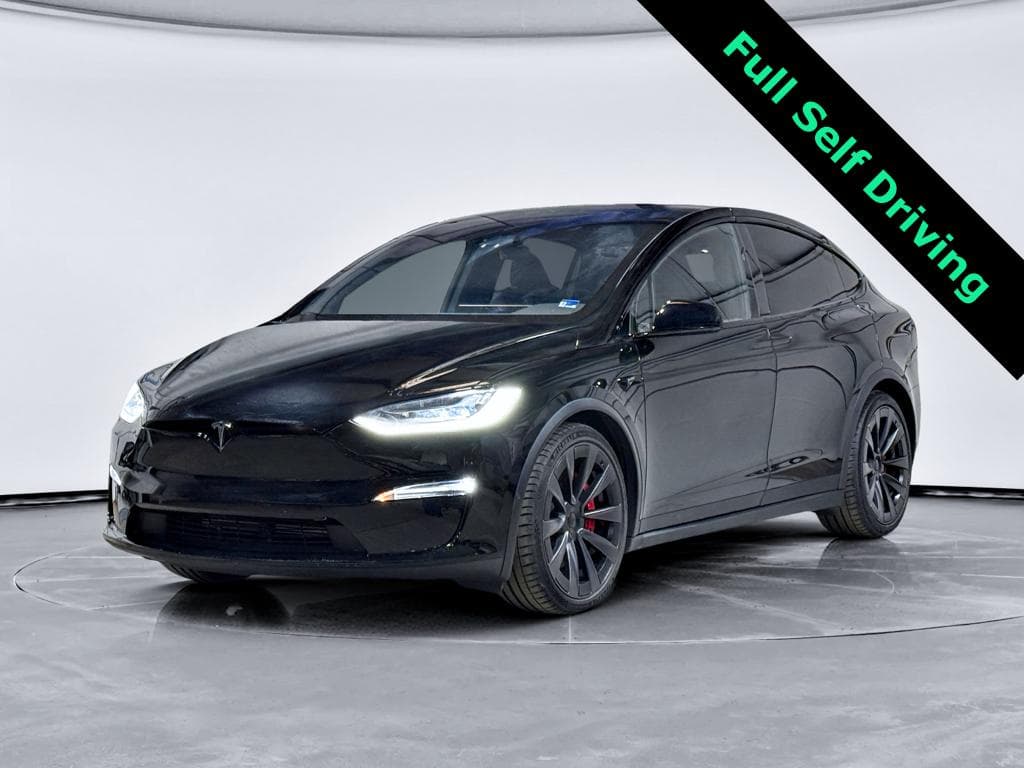
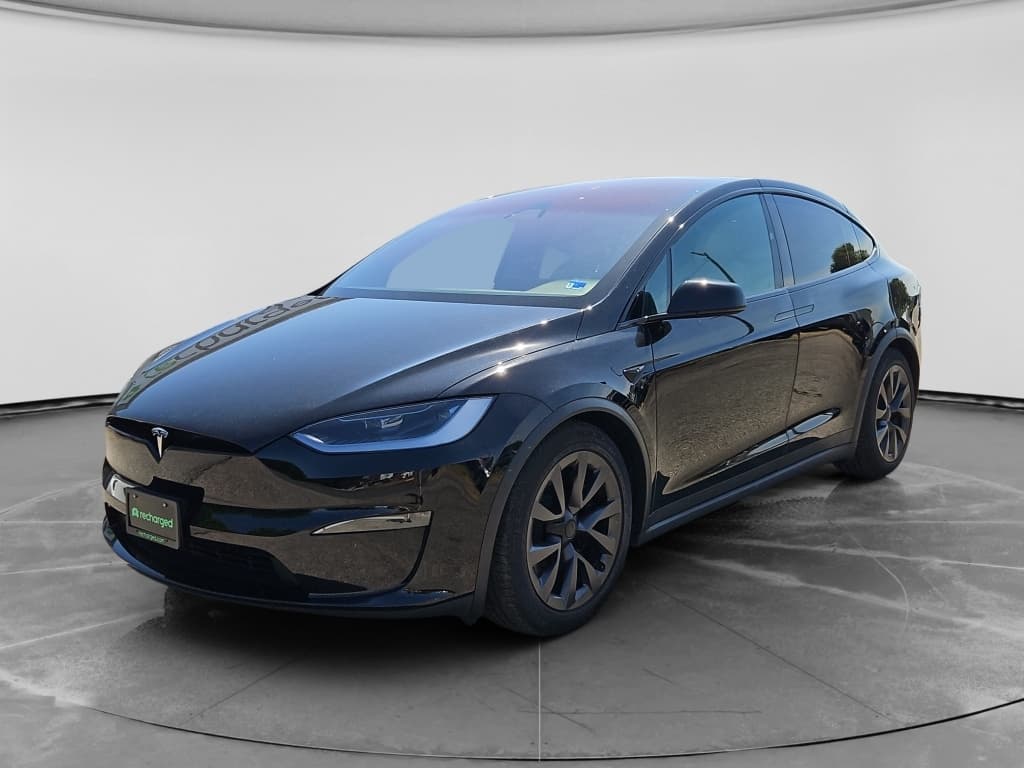
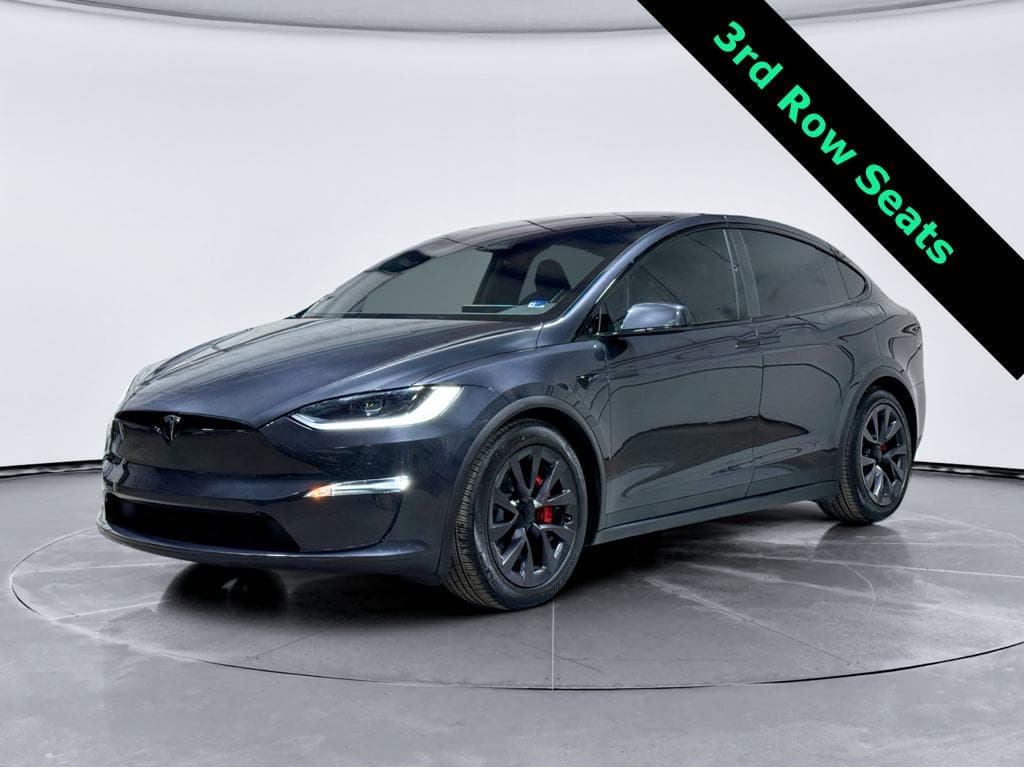
- Examples: Rivian R1S, Lucid Gravity, Escalade IQ, Tesla Model X, Mercedes EQS SUV, GMC Hummer EV SUV.
- Typical range: 270–400+ miles, depending on spec.
- 3 rows, serious towing, and top‑shelf cabins.
In 2025, most lists of the best luxury electric SUVs put the Rivian R1S, Lucid Gravity, Cadillac Lyriq, BMW iX, and Mercedes‑Benz EQS SUV near the top, with Tesla Model X still relevant but no longer the default choice. The right answer for you depends less on lap times and more on how you actually use your SUV day to day.
Don’t ignore non‑luxury badges
Range, charging & ownership costs
Real‑world range expectations
EPA range for luxury electric SUVs in 2025 typically falls between 260 and 350 miles, with a few long‑range outliers like Lucid Gravity stretching beyond that. In practice, your usable range will be lower if you drive fast, carry a full load, or face winter temps.
- Plan around 70–80% of EPA range for road trips.
- Big, boxy SUVs are more sensitive to speed and wind.
- Performance trims trade range for acceleration and bigger wheels.
Charging experience
On a modern high‑power DC fast charger, most luxury SUVs can add 10–80% charge in 25–35 minutes. The experience varies more by charging network and software than by the car itself.
- Rivian, Tesla, and Hyundai/Kia platforms tend to be fast and consistent.
- Access to Tesla Superchargers via NACS or adapters is a real advantage in the U.S.
- If you can charge at home, public fast charging becomes an occasional convenience, not a daily lifeline.
Beware peak‑rate charging costs
Running costs: luxury EV SUV vs. gas luxury SUV (typical scenario)
Illustrative comparison based on U.S. averages; your numbers will vary by energy prices and driving habits.
| Category | Electric luxury SUV | Gas luxury SUV |
|---|---|---|
| Energy/fuel | Roughly $0.04–$0.06 per mile charging at home | Roughly $0.15–$0.20 per mile on premium gas |
| Maintenance | Tires + brakes + cabin filters; no oil changes, fewer moving parts | Oil changes, spark plugs, transmission service, exhaust, more fluids |
| Brakes | Regenerative braking reduces wear | Pads/rotors do more work, especially in city driving |
| Long‑term issues | Battery health and software support matter most | Engine, transmission, emissions system wear over time |
EVs often win on fuel and maintenance, even when the purchase price is similar.
Comparing top luxury electric SUVs
You’ll see the same names popping up across "best electric luxury SUV" lists, but they don’t all excel at the same things. Below is a simplified snapshot to frame your research, not an exhaustive spec sheet.
Hero models in the electric luxury SUV space (2025 snapshot)
Headline traits for a few of the most talked‑about luxury EV SUVs.
| Model | Role | Approx. starting MSRP (new) | EPA‑type range band | Standout strengths |
|---|---|---|---|---|
| Rivian R1S | Adventure flagship | ~$76k+ | 270–410 mi | Off‑road capability, 3-row space, huge power, over‑the‑air updates |
| Lucid Gravity | Tech and range benchmark | ~$95k+ | ~400–450 mi (target) | Segment‑leading efficiency, premium cabin, fast charging |
| Cadillac Lyriq | Value luxury | ~$59k+ | 300–326 mi | Quiet, stylish, strong range for the price |
| BMW iX | Driver’s choice | ~$88k+ | ~290–320 mi | Comfort + performance, top‑tier tech and driver assistance |
| Mercedes‑Benz EQS SUV | Traditional luxury | ~$105k+ | ~300+ mi | S-class‑like ambiance, 3 rows, quiet ride |
| Tesla Model X | Aging but practical | ~$90k+ | 300–340 mi (depending on trim) | Easy Supercharger access, strong performance, huge cargo space |
Always verify final specs and pricing based on trim, options, and region.
How to use comparison tables
Shopping used: How to evaluate a luxury electric SUV
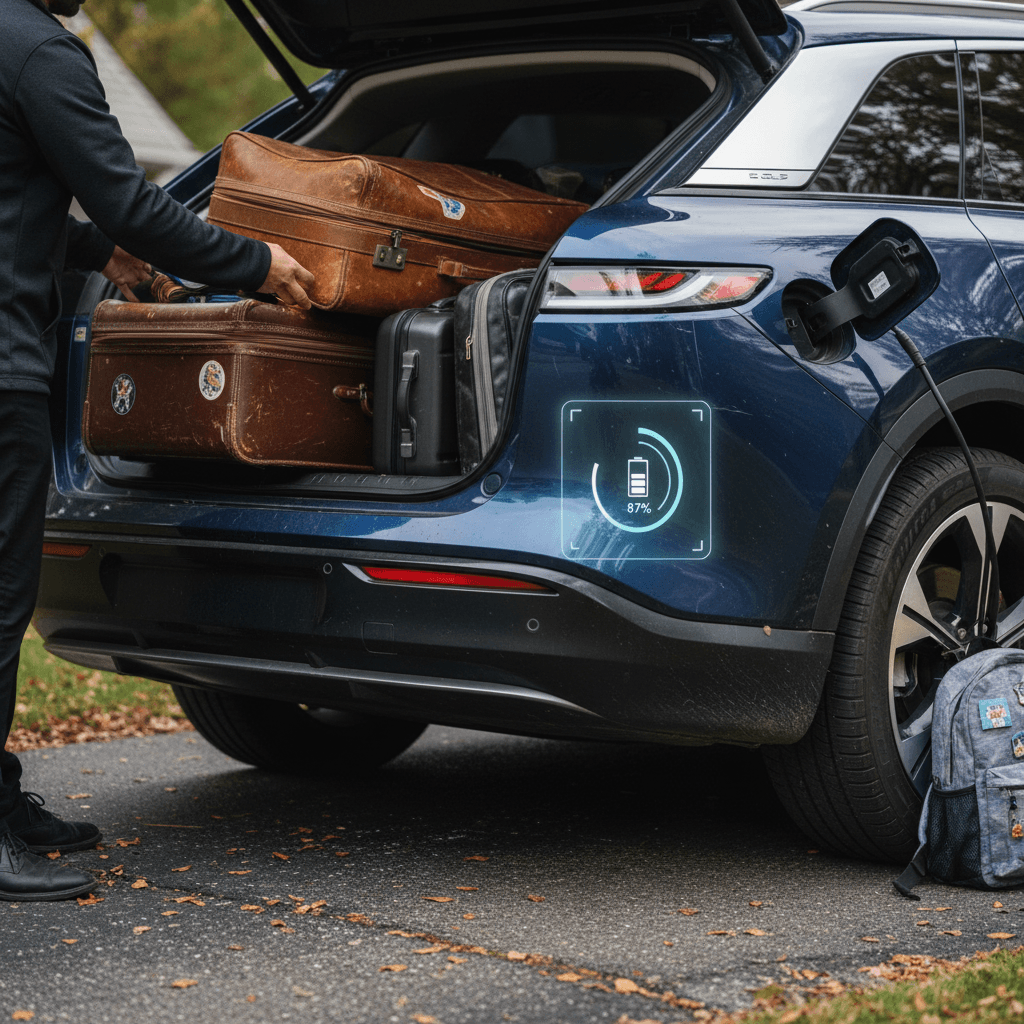
The most interesting part of the electric cars luxury SUV story in 2025 might not be the latest press‑release model, it’s the used market. Early Rivian R1S, Mercedes EQS SUV, Cadillac Lyriq, BMW iX, and Tesla Model X examples are now showing up at prices that undercut many new mid‑trim gas SUVs. That’s a huge opportunity if you know how to evaluate them.
Used luxury EV SUV checklist
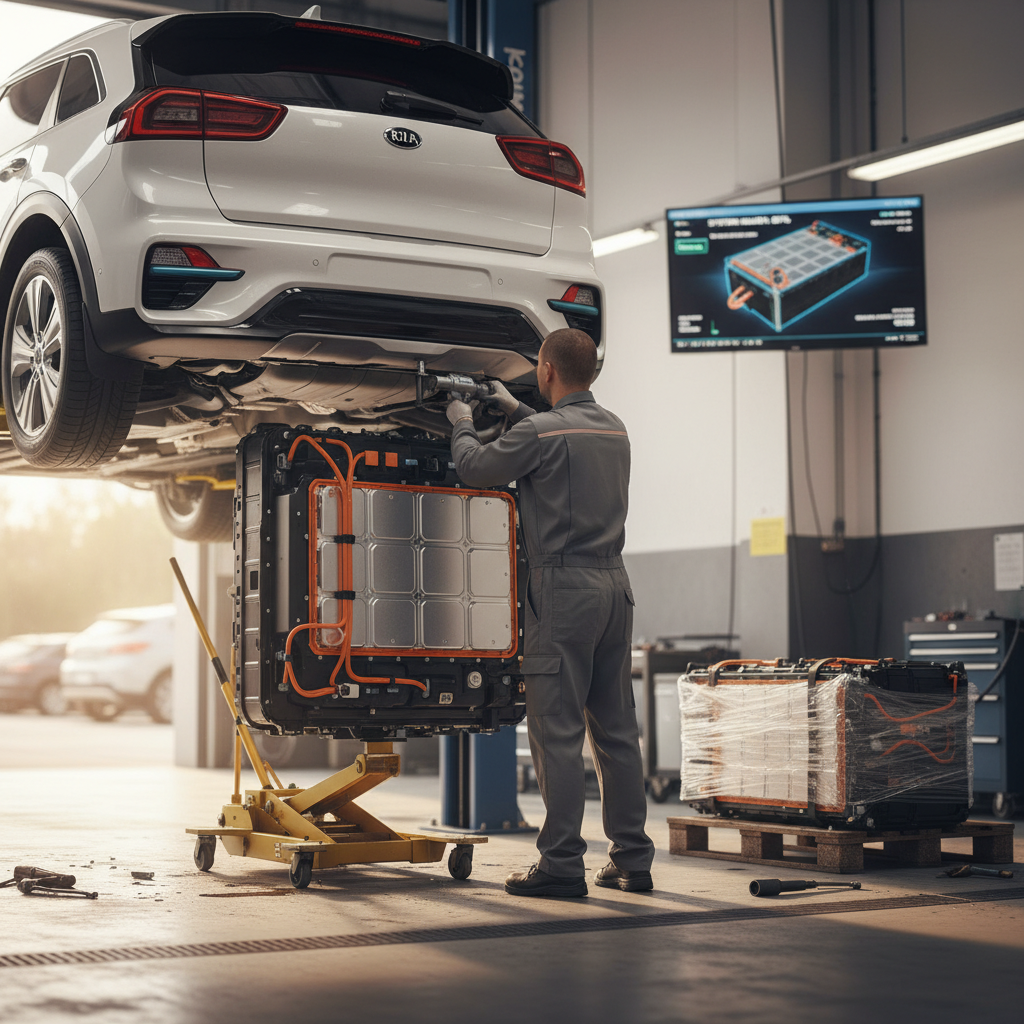
1. Battery health is everything
Ask for objective data, not just "it seems fine." A battery health report, like the <strong>Recharged Score</strong> you get with every vehicle at Recharged, quantifies remaining capacity and helps you avoid unpleasant surprises.
2. Charging history and usage
Frequent 0–100% fast charges at high power can stress a pack. Occasional DC fast charging is normal, but heavy fast‑charge usage plus high mileage should be reflected in the price.
3. Warranty coverage
Many luxury EV SUVs still carry 8‑year/100k‑mile (or similar) battery and drive unit warranties. Verify what’s left by checking the in‑service date, not just the model year.
4. Software and feature support
Over‑the‑air updates can improve range, performance, and UX, but older infotainment hardware or connectivity plans can age poorly. Confirm what updates are still supported and whether key features require subscriptions.
5. Tires, brakes, and alignment
Heavy, powerful EV SUVs eat through tires more quickly than you may expect. Check for uneven wear (suggesting suspension or alignment issues) and budget for high‑quality replacements.
6. Previous use case
A garage‑kept suburban family hauler is a very different proposition than an ex‑fleet or ride‑hail vehicle that fast‑charged daily. Ask where and how the SUV was used.
Where Recharged fits in
Ready to find your next EV?
Browse Vehicles"With used luxury EV SUVs, the cost of a bad battery can easily overwhelm any savings on the purchase price. Objective diagnostics are no longer optional, they’re table stakes."
Financing and total cost of ownership
Sticker shock is real when you look at a $75,000–$100,000 electric SUV, but focusing on monthly cost and total cost of ownership tells a different story. Lower fuel and maintenance spending can help offset higher purchase prices, especially if you buy smart or go used.
How to structure a smart deal
- Leasing new: Can be attractive on high‑MSRP models with strong residuals, especially when automakers leverage tax credits into lower payments.
- Financing used: Often the sweet spot. A 2–3‑year‑old luxury EV SUV has already taken the worst depreciation hit.
- Trade‑in or instant offer: If you currently own a gas SUV, using its equity as a down payment can shrink your monthly cost substantially.
At Recharged, you can finance, trade in, or get an instant offer fully online, then have your EV delivered nationwide or picked up at our Experience Center in Richmond, VA.
Total cost: a simple mental model
When comparing an electric luxury SUV to a gas counterpart, think in three buckets:
- Upfront + financing: Purchase price, taxes, fees, and interest.
- Energy: Home charging vs. premium gasoline. In many parts of the U.S., you may save thousands over 5–7 years.
- Maintenance & repairs: EVs shift risk from mechanical complexity to battery health and electronics. A solid warranty and pre‑purchase diagnostics are your safety net.
Is a luxury electric SUV actually right for you?
Who luxury electric SUVs fit best, and who should think twice
Be honest about your driving, parking, and budget.
Great fit if…
- You drive enough to benefit from lower running costs but not so much that you constantly rely on public fast charging.
- You have reliable home or workplace charging.
- You value quiet, instant torque, and advanced driver‑assist tech more than off‑road rock crawling or towing 10,000 pounds every weekend.
- Your budget can comfortably handle a premium purchase or payment, even after incentives.
Maybe not ideal if…
- You have no realistic way to charge at home or work and live far from reliable public fast chargers.
- You regularly tow very heavy loads over long distances where diesel still shines.
- Your total budget, including insurance and taxes, is more in line with mainstream crossovers.
- You prioritize rugged simplicity over tech features and quietness.
Watch out for lifestyle mismatch
FAQ: Luxury electric SUVs
Frequently asked questions about electric luxury SUVs
Bottom line: How to move from browsing to buying
The electric cars luxury SUV segment in 2025 is crowded, fast‑moving, and occasionally confusing. The good news is that you don’t need to memorize every spec sheet to make a smart choice. Start by getting clear on your range needs, seating and cargo requirements, charging options, and budget. Then shortlist a few models that fit, Rivian R1S for adventure, Cadillac Lyriq for value luxury, EQS SUV for classic comfort, or a used Model X if you want space and Supercharger access.
From there, your biggest risk isn’t choosing the "wrong" badge; it’s overpaying for a vehicle with a tired battery or unclear history. That’s exactly the problem Recharged is built to solve with its battery‑health diagnostics, transparent pricing, and EV‑savvy support. If a luxury electric SUV fits your life, the combination of a softening market and a growing used supply means the next 12–24 months could be a very good time to make the switch.