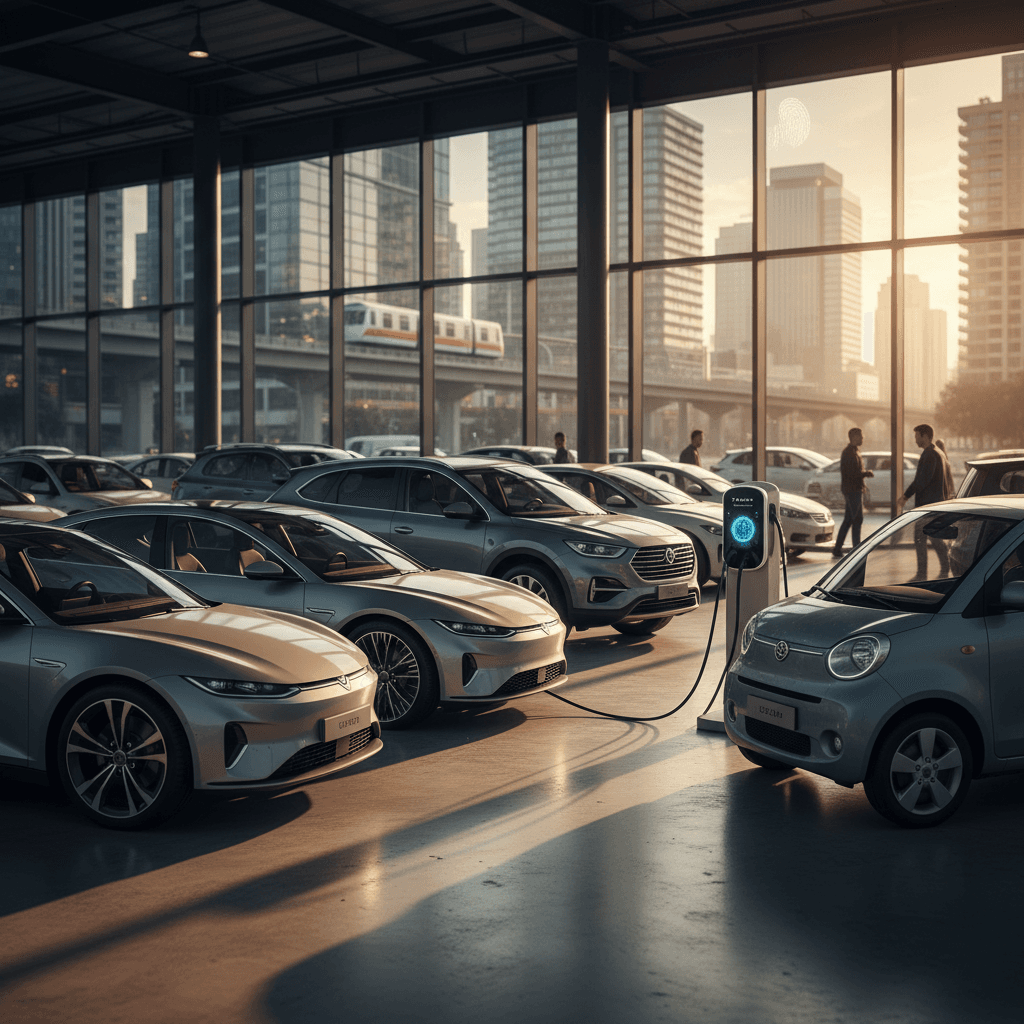
If you’re trying to make sense of which electric cars company to trust with your next vehicle, you’re not alone. In just a few years, EVs have gone from niche to mainstream, and the list of brands building them has exploded, from Tesla and BYD to familiar names like Ford, Hyundai, and GM, plus a wave of startups. The good news: you now have real choice. The challenge: sorting through it without making an expensive mistake.
Quick takeaway

Why electric car companies matter more than ever in 2025
Choosing a brand used to be mostly about style, features, and maybe resale value. With EVs, the electric car company behind the vehicle also determines your charging experience, software updates, battery technology, and in some cases resale value years down the road. You’re not just buying a car, you’re buying into an ecosystem.
- Your charging options depend heavily on the company’s network partnerships and charging ports (NACS vs CCS).
- Battery chemistry and thermal management vary by automaker and affect real-world range and degradation.
- Software support, over-the-air updates, and driver-assist systems are increasingly brand-specific.
- Resale value is shaped by brand reputation, build quality, and how quickly that company updates or discounts models.
Brand matters more with EVs
How big is the electric car market today?
Snapshot of the U.S. EV market in 2025
Globally, electric vehicles have shifted from experiment to core strategy. China alone now produces several million electric and plug‑in vehicles a year, led by companies like BYD and Geely. Europe and the U.S. are catching up fast, helped by stricter emissions rules, more models, and improving charging infrastructure.
What this means for you
Global electric car companies you should know
When shoppers talk about the biggest electric car companies, they usually mean brands that sell large volumes of EVs worldwide, have real technology of their own, and are likely to be around to support vehicles for years. Here are the global players worth having on your radar, even if you only plan to shop in the U.S.
Major global electric car companies
These brands collectively sell millions of EVs per year worldwide.
Tesla
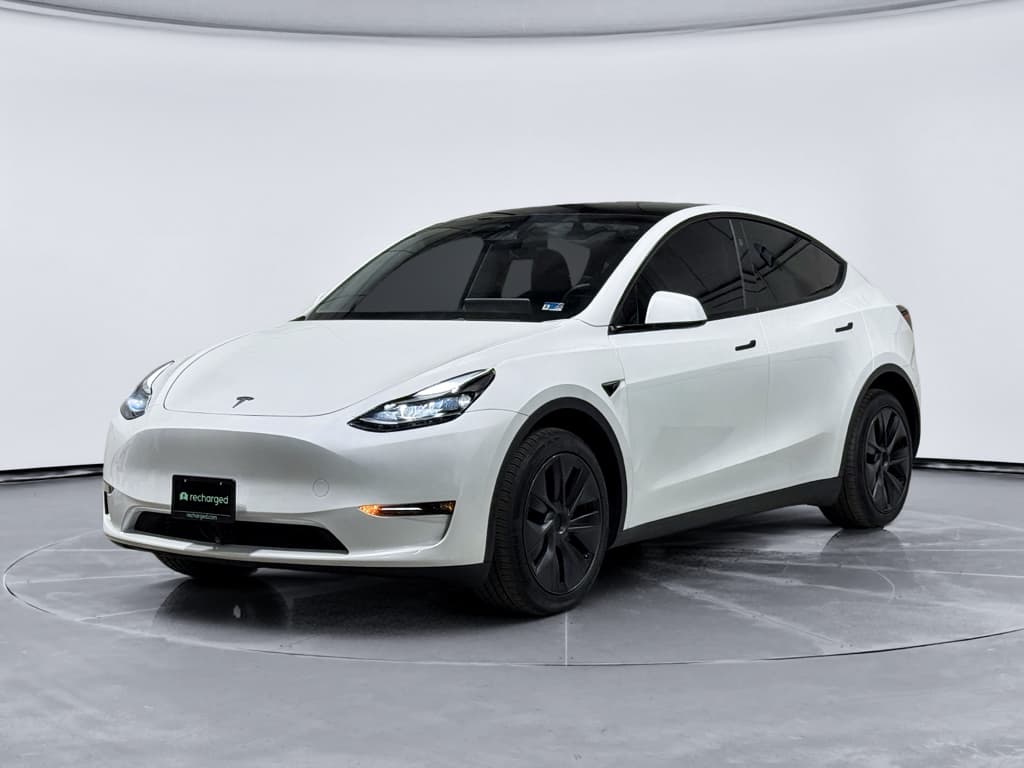
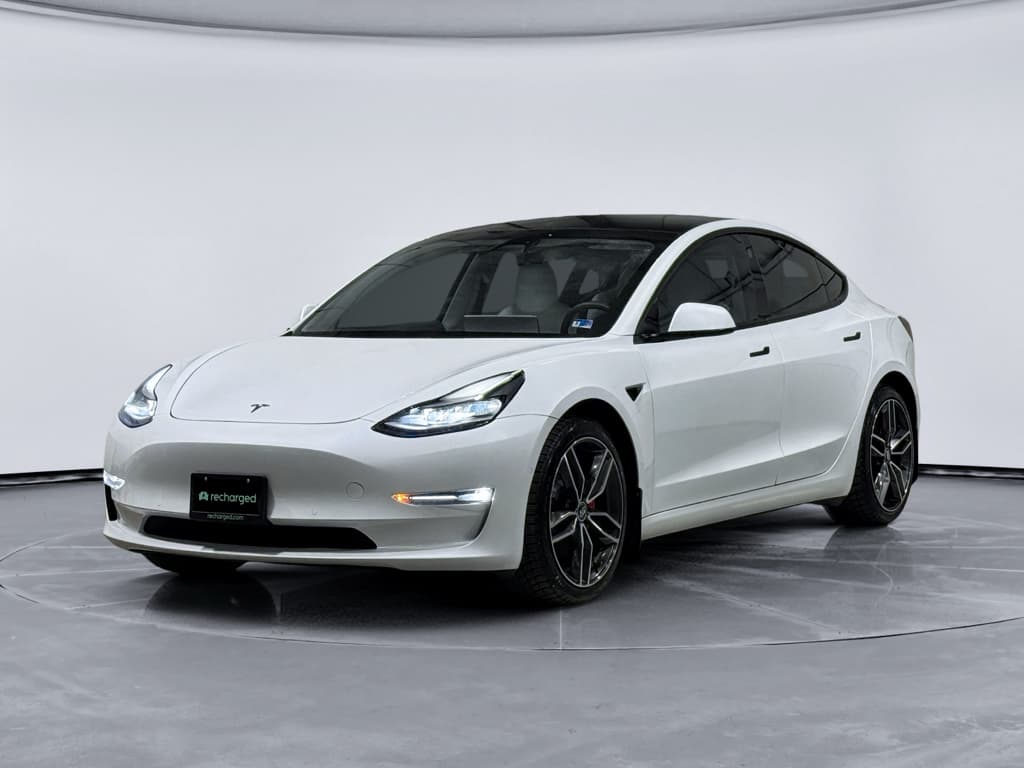
Tesla remains one of the best‑known electric car companies, with strong sales from the Model 3 and Model Y and a massive charging footprint.
- Strengths: Supercharger network access, efficient powertrains, strong software and OTA updates.
- Watch for: Fluctuating pricing, variable build quality, relatively minimalist interiors.
BYD (China)
BYD (Build Your Dreams) has quietly become the world’s largest electrified vehicle maker by volume, with more than 4 million EVs and plug‑ins sold in 2024.
- Strengths: Vertically integrated batteries, aggressive pricing, a wide range of models.
- Watch for: Limited U.S. availability due to tariffs and political concerns.
Volkswagen Group
Volkswagen and its brands (VW, Audi, Škoda, etc.) are pushing hard into EVs with platforms like the ID. series.
- Strengths: European footprint, decent fast‑charging, strong dealer network.
- Watch for: Software growing pains and occasional delays on new models.
Hyundai & Kia
Hyundai Motor Group (Hyundai, Kia, Genesis) has become a technology leader, especially with its E‑GMP platform used in the IONIQ 5, IONIQ 6, Kia EV6, and others.
- Strengths: Fast charging, attractive designs, long warranties.
- Watch for: Limited inventory in some regions and evolving resale values.
BMW Group
BMW has leaned into premium EVs like the i4, iX, and new Mini EVs.
- Strengths: Driving dynamics, upscale interiors, strong brand prestige.
- Watch for: Option pricing can climb quickly; some models prioritize luxury over range.
Others to watch
Geely (and Volvo/Polestar), Mercedes‑Benz, and emerging Chinese brands like Li Auto and NIO are all vying for bigger EV slices globally.
U.S. customers will see some of these via partnerships or luxury imports rather than mass‑market models, at least for now.
Top U.S. electric car companies in 2025
If you’re shopping in the United States, your realistic choices narrow to brands that sell here and have dealer or service coverage. In 2025, several electric car companies stand out in the U.S. market by sales volume, model range, or technology.
Key U.S.-market electric car companies
A high-level look at how major brands position their EV lineups for American buyers.
| Company | Typical Positioning | Notable EVs (U.S.) | Charging Port/Access |
|---|---|---|---|
| Tesla | EV-first brand with strong performance and tech focus | Model 3, Model Y, Model S, Model X, Cybertruck (limited) | NACS port; broad Supercharger access, opening to more brands |
| General Motors (Chevrolet, Cadillac, GMC) | Mass-market and premium EVs using Ultium platform | Chevy Equinox EV, Blazer EV, Cadillac Lyriq, GMC Hummer EV | Transitioning from CCS to NACS; wide DC fast-charging support |
| Ford | Mix of family vehicles and trucks with strong brand recognition | Mustang Mach-E, F-150 Lightning, E-Transit | CCS now, migrating to NACS and Supercharger access via adapters |
| Hyundai/Kia | Tech-forward, stylish crossovers and sedans | Hyundai IONIQ 5 & 6, Kona Electric; Kia EV6, EV9 | CCS today; NACS adoption announced, excellent fast-charging rates |
| Volkswagen/Audi | European-style EVs with familiar nameplates | VW ID.4, ID. Buzz (arriving), Audi Q4 e-tron | CCS today, NACS announced; growing fast-charge support |
| Rivian | Adventure-focused trucks and SUVs | R1T pickup, R1S SUV; smaller R2 models announced | Own fast-charging network plus CCS, with NACS transition underway |
| Lucid | Ultra-efficient luxury sedans and SUVs | Lucid Air, Gravity SUV (ramping) | CCS/DC fast charging now, NACS announced; strong efficiency |
Use this as a starting point; the right company for you depends on body style, budget, and charging access.
Good news for buyers
Legacy automakers vs EV-only startups
Legacy automakers
Legacy brands like GM, Ford, Hyundai, Toyota, and Volkswagen have spent decades building gasoline vehicles and only recently pivoted to EVs. Their advantages include large dealer networks, established supply chains, and experience building cars that last.
- Pros: Wide service coverage, familiar brands, strong financing options, and plenty of parts.
- Cons: Some EVs are built on adapted gas platforms, charging speeds or software may lag behind pure-EV rivals.
EV-focused startups
Companies like Tesla, Rivian, and Lucid were created around electric propulsion from the beginning. They often innovate faster on software, battery management, and user experience.
- Pros: Purpose-built EV platforms, cutting-edge tech, frequent over-the-air updates.
- Cons: Smaller service footprint, young financial histories, and occasionally abrupt pricing or policy changes.
Which type is safer?
The rise of the used EV market and companies like Recharged
One of the biggest changes in 2025 is that the used EV market is finally coming into its own. Nationally, used EV sales have climbed sharply, topping 100,000 units in a single quarter and posting year-over-year growth north of 30% in some reports. That surge is driven by three things: more off-lease vehicles, price cuts on new EVs, and a growing number of shoppers willing to go electric if the price is right.
Why used EVs are suddenly center stage
That’s where companies like Recharged come in. Instead of treating EVs like just another used car, Recharged is built from the ground up for electric vehicles. Every car listed gets a Recharged Score Report with verified battery health diagnostics, transparent pricing versus the market, and expert guidance so you’re not guessing how much life is left in the pack.
Why battery health reporting matters
How to choose the right electric car company for you
A step-by-step way to narrow down EV companies
1. Start with your daily driving needs
Estimate how many miles you actually drive on a typical day and your longest regular trips. This will determine whether a 220‑mile EV feels fine or you need 300+ miles and faster charging.
2. Decide where you’ll charge most
If you’ll charge at home overnight, you can prioritize comfort and price. If you rely on public fast charging, favor brands with strong DC fast‑charging performance and good access to networks (including Superchargers).
3. Check the company’s charging strategy
Look for whether the brand uses NACS, CCS, or both, and whether they’ve formally announced access to Tesla’s Supercharger network. This affects your real-world ownership experience much more than a clever ad campaign.
4. Compare battery and warranty coverage
Most electric car companies offer 8‑year battery warranties, but the mileage caps, capacity guarantees, and exclusions vary. Read the fine print; a stronger warranty is worth real money down the line.
5. Look up reliability and software support
Search owner forums and reliability data for complaints about software glitches, charging bugs, or long service waits. EVs are computers on wheels, so software support is as important as mechanical reliability.
6. For used EVs, insist on battery-health data
When shopping used, treat battery health data as non‑negotiable. Marketplaces like Recharged include this in the Recharged Score Report so you’re not buying blind.
Avoid this common mistake
Comparing major EV companies at a glance
How leading electric car companies stack up
Generalized comparisons to help you frame your research. Specific models can buck these trends.
| Company | Charging strength | Software/UX | Value for money | Best for |
|---|---|---|---|---|
| Tesla | Excellent fast charging via Supercharger network; NACS standard | Strong OTA updates, app integration; minimalist interfaces | Good value on core models, sometimes volatile pricing | Road‑trippers, tech-forward buyers |
| Hyundai/Kia | Among the best DC fast-charging speeds in real-world use | User-friendly interfaces; good driver-assist tech | Strong feature content for the price | Families, first-time EV buyers |
| GM (Chevy, Cadillac, GMC) | Rapidly improving Ultium-based fast charging; wide DC access | Improving infotainment; varies by brand and model | Competitive pricing, especially on newer mass-market EVs | Mainstream crossover and truck shoppers |
| Ford | Decent DC charging; NACS/Supercharger access on the way | Well-known SYNC interfaces; OTA features expanding | Good deals on some trims, especially trucks and crossovers | Brand-loyal Ford owners, light-truck buyers |
| Rivian | Strong DC charging and growing proprietary network | Innovative UX, frequent software updates | Premium pricing but packed with capability | Outdoor and adventure-focused owners |
| Lucid | Very efficient powertrains; strong DC charging on certain trims | High-end, tech-heavy interiors; OTA updates | High purchase price; strong value in efficiency and performance | Luxury buyers prioritizing range and refinement |
Ratings are directional, meant to guide questions you ask dealers or sellers rather than act as final scores.
Key trends shaping electric car companies through 2030
Five trends every EV shopper should watch
These shifts will shape which electric car companies thrive, and which don’t.
Convergence on NACS
Most major electric car companies selling in North America are adopting the NACS connector and gaining Supercharger access. Over time, this will make plug type a non-issue for buyers, good news if you worry about being stranded at the wrong station.
Cheaper, better batteries
Battery costs continue to fall as chemistries like LFP (lithium iron phosphate) gain traction. Companies with strong battery supply chains, Tesla, BYD, Hyundai/Kia, and others, are likely to keep leading on cost and range.
Battery recycling & second life
Huge investments in recycling and second-life energy storage mean more EV batteries will get a useful second act. That’s good for the environment and may support residual values for well-built EVs.
More affordable models
Price cuts and new sub-$30,000 EVs are starting to appear. Companies that can profitably build smaller, efficient EVs will gain share as incentives slowly taper and buyers look harder at monthly payments.
Used EV normalization
As used EV inventory grows, retailers and marketplaces will compete on battery transparency and warranties. Expect more offerings like Recharged’s Score Report as shoppers demand proof, not promises.
Stronger regulation & incentives
State and federal rules continue to push automakers toward zero-emission sales targets, while incentives evolve. Companies with the cleanest lineups and flexible manufacturing will adapt fastest.
“The EV market is moving from early adopters to pragmatic buyers who want value, reliability, and clarity more than bleeding-edge tech. Electric car companies that recognize that shift, and prove it in their products and pricing, are the ones poised to win.”
FAQ about electric car companies
Frequently asked questions about electric car companies
Wrapping up: what today’s EV companies mean for your next car
The phrase electric cars company now covers everything from century‑old manufacturers reinventing themselves to startups that exist purely in the EV world. That’s good news for you: more competition, better products, and a growing used market that makes going electric realistically affordable.
As you shop, pay less attention to hype and more attention to fundamentals: charging access, battery health, warranty terms, and how the company treats its existing owners. If you’re looking at the used side of the market, lean on marketplaces like Recharged that combine verified battery diagnostics, transparent pricing, and EV‑savvy support. The right electric car company isn’t the one that shouts the loudest, it’s the one whose cars, support, and long‑term strategy line up with the way you actually drive.