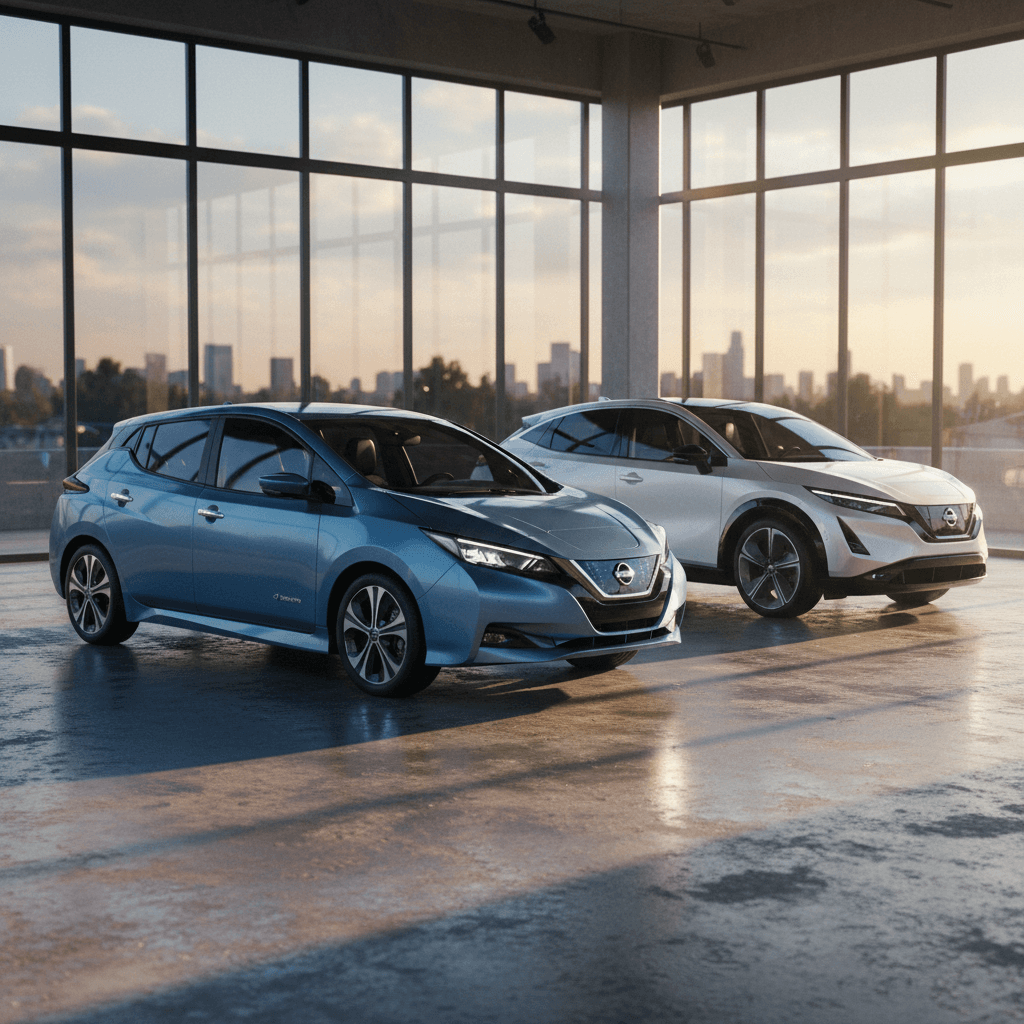
If you’ve searched for electric cars cars lately, you’ve probably seen everything from breathless hype to doom-and-gloom headlines. The reality sits somewhere in between: today’s electric cars are impressive, but they’re not perfect for everyone. This guide walks you through how EVs work, what they really cost, the pros and cons vs gas cars, and how to shop, especially if you’re considering a used electric car.
Quick note on the title
Why electric cars are suddenly everywhere
Electric cars by the numbers (2024–2025 snapshot)
Several forces are pushing electric cars into the mainstream at once: stricter emissions rules, rapidly improving battery tech, more available public charging, and a wave of new models from nearly every major automaker. Prices haven’t fallen as fast as enthusiasts hoped, but incentives and lower running costs are making EVs pencil out for more drivers each year, especially once you look beyond the sticker price.
Think beyond the purchase price
How electric cars work in plain English
What’s under the hood of an EV?
Instead of a gasoline engine, an electric car uses an electric motor powered by a large battery pack. Think of it as a smartphone battery scaled up thousands of times, with sophisticated cooling and safety controls. When you press the accelerator, power flows from the battery to the motor, which turns the wheels instantly, no gears to shift, no revving.
How do you "fill it up"?
Charging an EV is like charging your phone: you plug in and power flows back into the battery. At home, that’s usually a Level 2 charger on a 240‑volt circuit. On the road, you use public stations, which range from slower Level 2 to DC fast chargers that can add hundreds of miles of range in under an hour on many modern models.
- No engine oil, spark plugs, or transmission fluid to change
- Far fewer moving parts than a gas powertrain
- Instant torque, so even modest EVs feel quick in city driving
- Regenerative braking that recaptures energy when you slow down
Key benefits of electric cars cars
Why drivers are choosing electric cars
Four advantages you’ll notice in everyday use
Smooth, quick acceleration
Lower running emissions
Fuel & maintenance savings
Refuel at home
Where used EVs shine
Real downsides of electric cars (and a few myths)
What to watch out for with electric cars
Charging access isn’t equal for everyone
If you rent, live in a condo, or rely on street parking, reliable home charging may be tough. Public networks are improving but still uneven by region.
Upfront prices can be higher
New EVs often cost more than comparable gas models, even after incentives. Used EVs narrow that gap, but battery condition becomes crucial.
Fast charging isn’t always fast
Real‑world fast‑charge speeds depend on the car, the charger, battery temperature, and how full the battery already is. Specs on paper rarely tell the full story.
Cold weather takes a bite out of range
Batteries are less efficient in low temperatures, and cabin heating uses significant energy. Winter range drops are normal, especially for short trips.
Myth: EV batteries all die after 5 years
Range, batteries, and what actually wears out
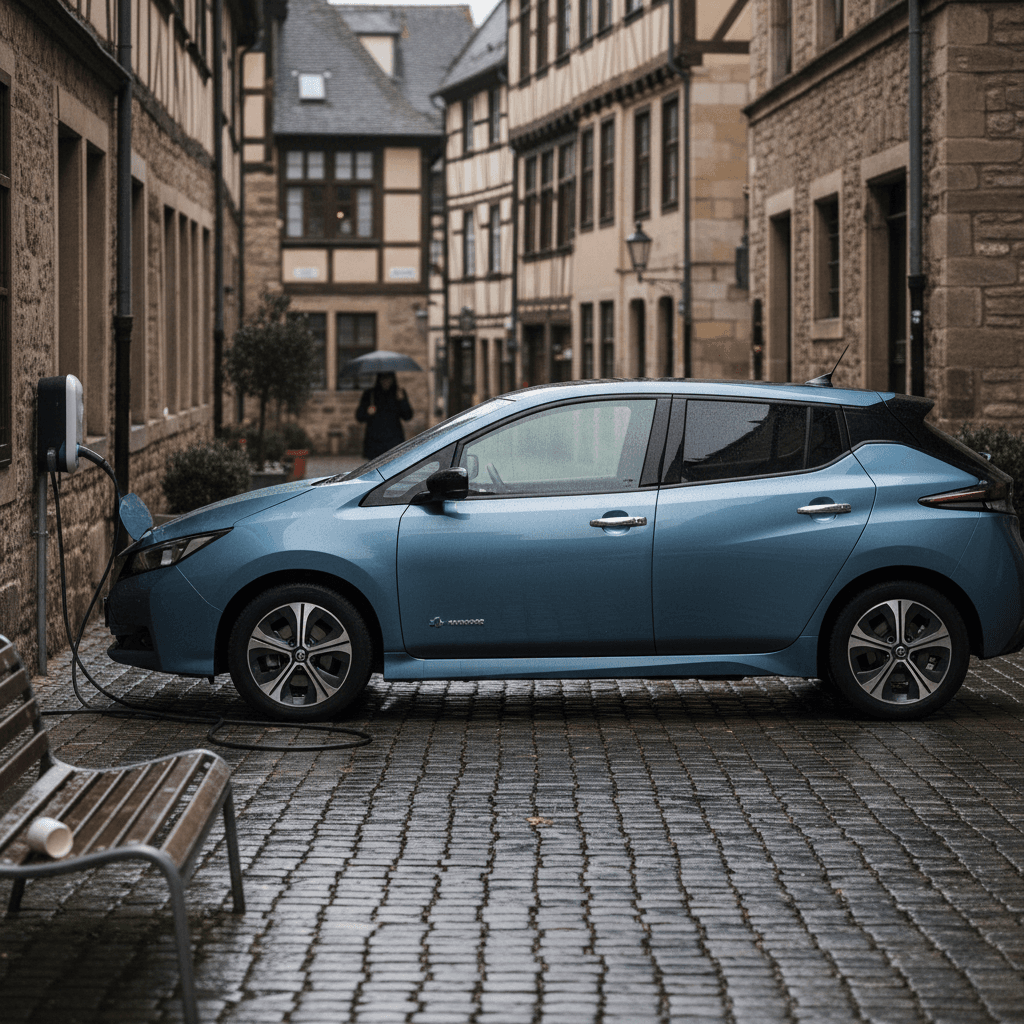
When you look at electric cars, the first number you’ll see is often the EPA‑rated range. Think of this as a lab estimate under mixed driving. In the real world, fast highway speeds, cold or very hot weather, heavy loads, and lots of short trips can all trim that number. The good news is that many modern EVs now offer 230–300+ miles of rated range, which comfortably covers most daily driving with room to spare.
How battery degradation works
Over time, every EV battery loses some usable capacity. You might start at 260 miles of range and find that after 6–8 years, the car charges to 220–230 miles in similar conditions. Factors that speed this up include frequent fast charging, storing the car at 100% charge, and sustained extreme heat.
What matters for a used EV
For a new EV, you just want a realistic sense of range. For a used electric car, the critical question is: how healthy is the battery today? That’s where objective diagnostics, like the Recharged Score battery health report, can save you from guesswork and help ensure you’re paying a fair price for the range you’ll actually get.
Battery warranties still matter
Charging electric cars at home and on the road
Three main ways to charge an electric car
From a wall outlet to high‑speed road‑trip charging
Level 1: 120V outlet
Level 2: 240V home or public
DC fast charging
Think in terms of daily miles, not battery size
- Check your electrical panel to see if you have capacity for a 240‑volt circuit (an electrician can confirm).
- If you own your home, budget for a Level 2 charger and installation, often similar to adding an electric range or dryer circuit.
- If you rent or live in a condo, ask about existing charging or future plans, and scout nearby public options.
- Take a test road trip in a borrowed or rented EV to see how you feel about using fast chargers before you commit.
What electric cars really cost: new vs used
Cost factors: electric vs gasoline cars
These are typical patterns; exact numbers depend on your model, location, and driving habits.
| Category | New EV | Used EV | Comparable Gas Car |
|---|---|---|---|
| Purchase price | Often higher upfront, incentives may apply | Can be very competitive; depreciation already baked in | Typically lower upfront, especially for older models |
| Fuel/energy cost | Lower per mile if you charge mostly at home | Similar to new EV if charging pattern is the same | Higher, fluctuates with gas prices |
| Maintenance | Fewer moving parts; generally lower over time | Still lower, but budget for tires and brakes as usual | More fluids, filters, and moving parts to service |
| Depreciation | Historically steep, especially on early EVs | Slower after first few years, but tied to battery health | More predictable, depends on brand and segment |
| Incentives | Federal and state credits or rebates may reduce cost | Some local incentives apply; federal credit rules vary | Occasional incentives, but usually less generous |
Total cost of ownership matters more than sticker price when you compare electric cars to gas vehicles.
Why used electric car pricing is so scattered
How to shop for a used electric car with confidence
Used electric car buying checklist
1. Match the car’s range to your life
Start with your real driving pattern. If most weeks are under 200 miles, you don’t need a 400‑mile EV, but you do need enough margin for weather, side trips, and occasional longer drives.
2. Get objective battery‑health data
Don’t rely on dashboard range estimates alone. Look for a <strong>professional battery diagnostic</strong>, like the Recharged Score, that quantifies remaining capacity and flags potential issues.
3. Review charging history & habits
Cars that lived on DC fast chargers and sat at 100% charge constantly may have more wear. A good report will often summarize how the car has been charged over its life.
4. Check warranty status carefully
Battery and drive‑unit warranties are separate from basic bumper‑to‑bumper coverage. Know what’s still in effect and what’s expired before you sign anything.
5. Inspect tires, brakes, and suspension
EVs are often heavier than their gas counterparts, which can stress tires and suspension. A thorough inspection, ideally by an EV‑savvy technician, is money well spent.
6. Factor in software and charging standards
Make sure the car supports the charging network you plan to use and check that key software features are active. Some brands also enable new features via over‑the‑air updates.
Where Recharged fits in
Ready to find your next EV?
Browse VehiclesWho electric cars fit best today
Drivers who are strong candidates for electric cars
If these describe you, an EV deserves a hard look
Urban & suburban commuters
Two‑car households
Cost‑of‑ownership shoppers
When an EV might not be the right move, yet
Electric cars cars: Frequently asked questions
Common questions about electric cars cars
Bottom line: Should your next car be electric?
Electric cars aren’t magic, but they are a meaningful step forward in how we move around. For the right driver, someone with predictable daily miles, access to home or workplace charging, and an eye on long‑term costs, an EV can be smoother to drive, cheaper to run, and easier to live with than many gas cars. For others, especially those without charging options or with extreme use cases, it might make sense to wait or to consider a plug‑in hybrid first.
If you’re seriously considering electric cars cars and want to stretch your budget, a carefully chosen used EV is worth a close look. Just make sure you’re seeing the whole picture, battery health, charging needs, total cost of ownership, not just the monthly payment. That’s exactly the gap Recharged set out to solve with verified battery diagnostics, fair pricing, financing, trade‑ins, and nationwide delivery. When you’re ready, you can browse used EVs online, review their Recharged Score Reports, and talk with an EV‑specialist who lives and breathes this space, so your next car fits not just the moment, but the years ahead.