You’re not imagining it, between volatile gas prices and rising electric rates, figuring out the real **electric car vs gas car cost in 2026** is confusing. Sticker prices only tell part of the story. The meaningful question is: over the years you’ll own it, which one quietly drains more money out of your bank account?
Quick answer
How to think about EV vs gas cost in 2026
When you compare an electric car to a gas car, you’re really comparing **total cost of ownership (TCO)**, not just the monthly payment. TCO wraps in everything you’ll pay over the years you own the car:
- Purchase price (minus incentives and tax credits)
- Financing costs (interest)
- Fuel or electricity
- Maintenance and repairs
- Insurance
- Registration, taxes, and EV-specific fees
- Depreciation and resale value
For 2026 shoppers in the U.S., three categories move the needle the most: **purchase & incentives**, **fuel vs electricity**, and **maintenance & repairs**. Let’s walk through each, with real numbers, then tie it together in a five‑year example.
2026 cost snapshot: typical EV vs gas car
Purchase price and incentives in 2026
New EVs still tend to cost more than similar gas cars in 2026, especially well‑equipped crossovers and pickups. That said, **used EV prices have cooled off** from the 2021–2022 frenzy, and federal plus state incentives can narrow (or erase) the gap.
Typical new pricing in 2026
- Compact gas sedan or crossover: often in the $26,000–$32,000 range before fees.
- Comparable new EV: commonly $32,000–$40,000 before incentives, depending on range and trim.
- EV loan rates can be slightly higher than gas, but many lenders now treat them similarly.
Used EVs: the quiet equalizer
- Three‑ to five‑year‑old EVs can undercut comparable new gas cars on price.
- Generous early‑adopter pricing and rapid tech updates mean steep early depreciation, which is bad news for the first owner, good news for you.
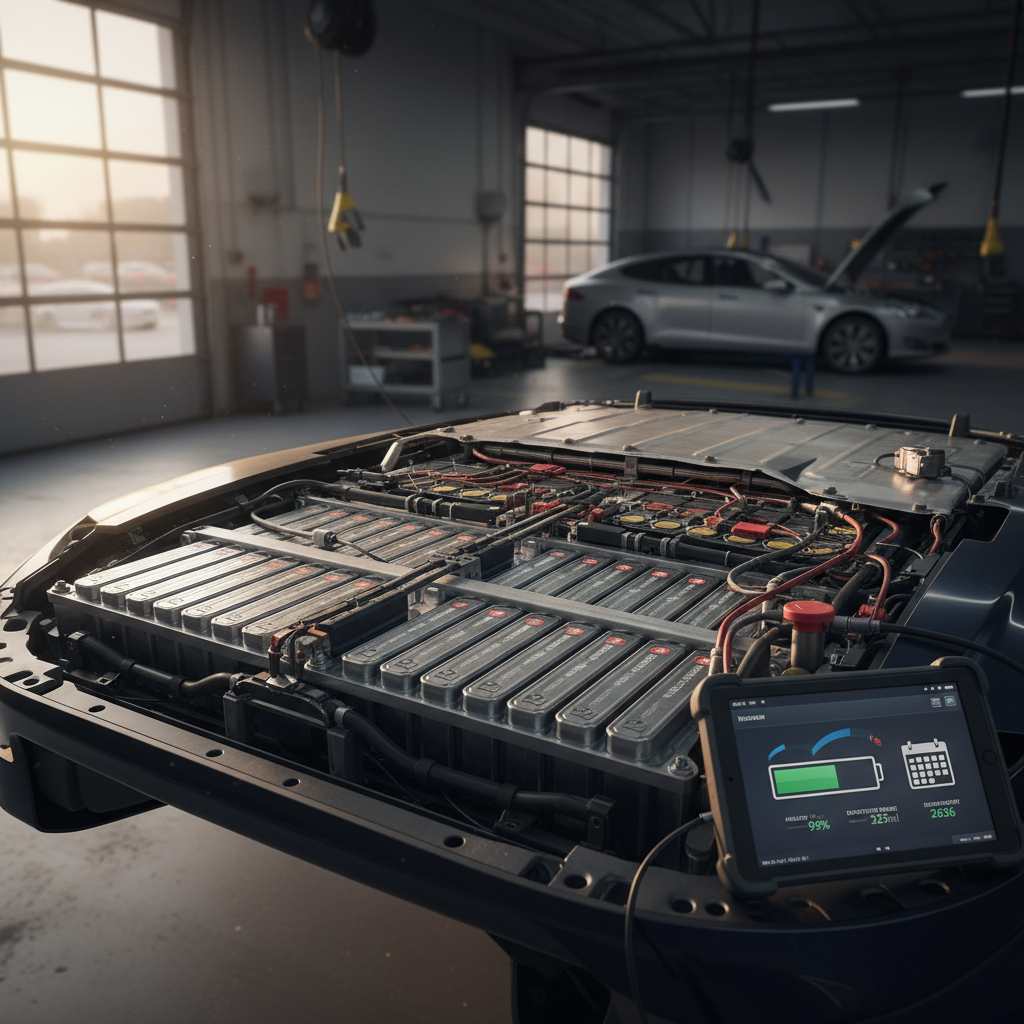
- Platforms like Recharged include a Recharged Score battery health report, so you’re not guessing about pack life when you shop used.
Don’t forget incentives
Fuel vs electricity: what a mile really costs
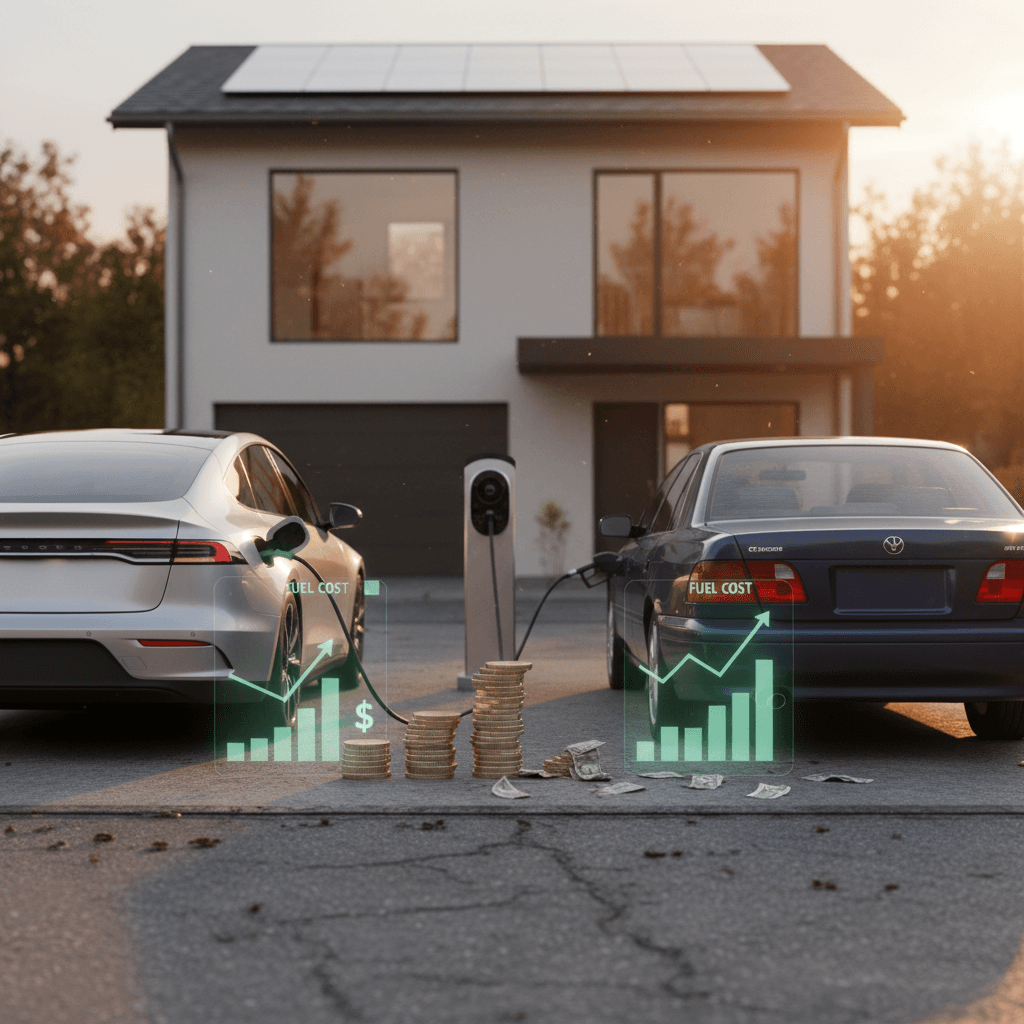
This is where EVs tend to win big. You feel it every time you swipe your card at the pump, or don’t.
Typical 2026 energy cost per mile
Example assumptions for an average compact crossover driven 12,000 miles per year.
| Scenario | Assumptions | Estimated cost per mile | Annual energy cost (12,000 mi) |
|---|---|---|---|
| Gas car, national average | 30 mpg, $4.00/gal | ~13¢/mi | ~$1,600 |
| EV, home charging | 28 kWh/100 mi (0.28 kWh/mi), 18¢/kWh | ~5¢/mi | ~$600 |
| EV, mix of home + some public Level 2 | 70% home at 18¢, 30% public at 30¢ | ~6–7¢/mi | ~$750–$850 |
| EV, mostly DC fast charging | 0.28 kWh/mi, 45–55¢/kWh | ~13–15¢/mi | ~$1,600–$1,800 |
Actual numbers will vary by region and driving style, but the direction of the math is remarkably consistent: electrons beat gasoline when you can charge at home.
The fast‑charging trap
Run that math another way: at national‑average prices, an efficient EV driver with home charging might spend **around $50–$80 per month** on electricity, where a similar gas driver is spending **$130–$160** on fuel. Multiply that by five years and the gap gets real.

Maintenance and repairs: where EVs silently win
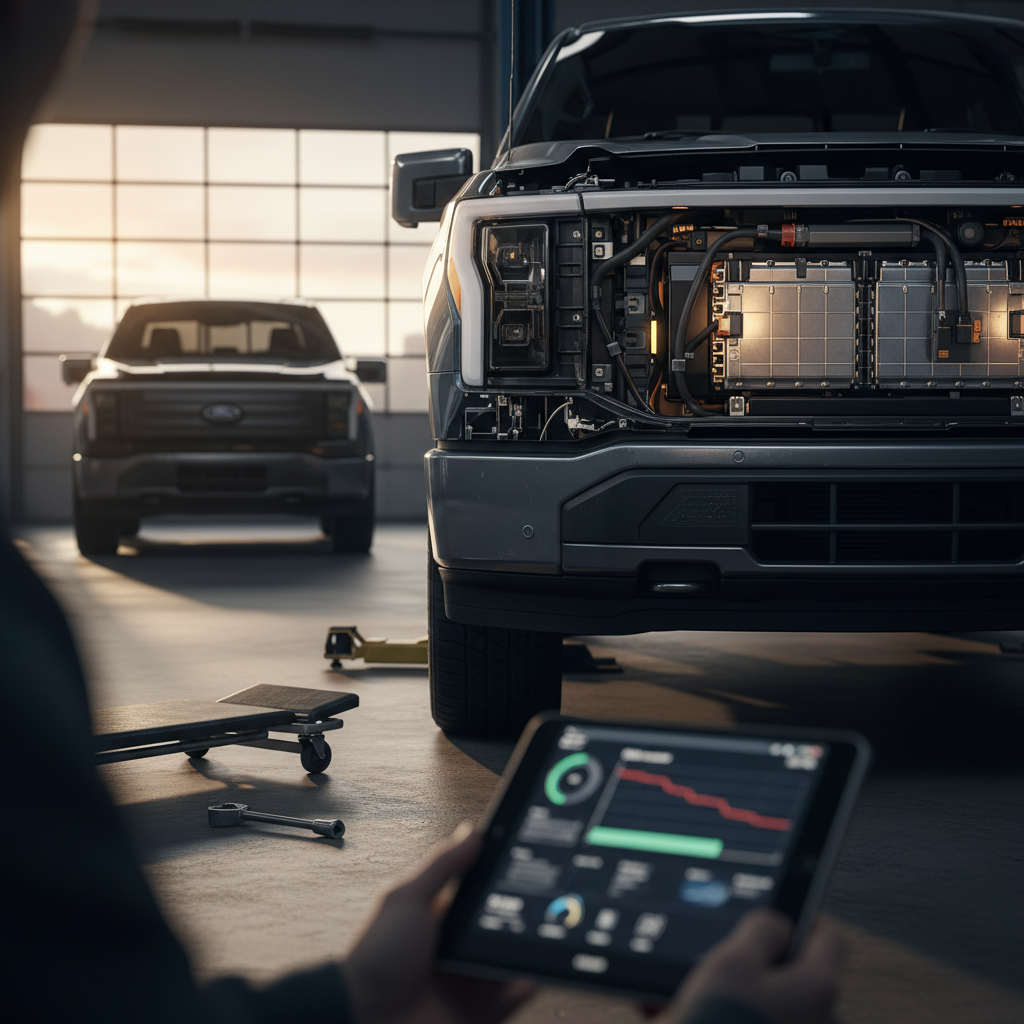
Modern EVs are still cars, you’ll buy tires, wiper blades, cabin filters, and brake fluid. But compared with a gas car, there’s no oil, no transmission fluid, no spark plugs, no exhaust system, no timing belt, and dramatically less brake wear thanks to regenerative braking.
EV vs gas maintenance at a glance
Routine servicing
Gas: Oil changes every 5,000–7,500 miles, transmission/ coolant service, belts.
EV: Mostly inspections, tire rotations, cabin filter, brake fluid at longer intervals.
Wear and tear
Gas: Engine and transmission components wear over time; more moving parts.
EV: Fewer moving parts; motors and inverters tend to be low‑maintenance.
Annual cost
In real‑world 2025–2026 data, many owners see EV maintenance and minor repairs landing hundreds of dollars per year lower than similar gas cars.
What that usually means in dollars
Insurance, registration, and fees
Here’s where things get murky, because these costs vary wildly by state and insurer. A few 2026 patterns are worth knowing about:
- **Insurance:** Many insurers still charge slightly more to cover EVs, especially new, higher‑priced models with advanced driver‑assist systems. On a used EV with a modest value, premiums often look very similar to a mid‑priced gas car.
- **Registration & EV fees:** Several states now impose annual EV fees to replace lost gas‑tax revenue. These typically land in the low hundreds of dollars per year. Check your DMV site to see what applies where you live.
- **Local perks:** Some utilities and municipalities offset those fees with lower off‑peak EV charging rates, free or discounted parking, or HOV‑lane access. Those perks don’t always show up neatly in a spreadsheet, but they affect daily life.
Net impact for most drivers
Resale value and battery health
Resale value used to be the big question mark for EVs. Today we have more real‑world data, and the story is nuanced. Early EVs with short range and no thermal management did lose value quickly. Modern EVs with 200+ miles of EPA range and liquid‑cooled packs have aged much more gracefully.
How EV depreciation compares
- New EVs often depreciate faster in the first 3–4 years than comparable gas cars, tech moves quickly, and incentives lower effective prices.
- From years 4–10, the curve flattens, especially for models with strong range, good charging speeds, and well‑documented battery health.
- Gas cars can hold value well early on, but high mileage and repair risks eventually drag prices down.
Why battery health is everything
- Range is the headline feature, and buyers pay close attention to it on the used market.
- A car with verified battery health will usually command more money, and sell faster, than one with unknown pack condition.
- Every vehicle sold on Recharged includes a Recharged Score battery health report, so buyers and sellers see the same transparent data, not just a guess based on the odometer.
Buying used? Make battery health non‑negotiable
Five‑year electric vs gas cost comparison
To make this concrete, let’s compare two imaginary, but very typical, 2026 purchases. Both are compact crossovers with similar space and features, bought in the U.S. and driven **12,000 miles per year** for five years.
Example: 5‑year cost to own, EV vs gas (2026)
Assumes home charging is available and national‑average energy prices. Numbers are rounded for clarity and intended as directional, not quotes.
| Category (5 yrs) | Electric crossover (used, $30k) | Gas crossover (new, $28k) |
|---|---|---|
| Purchase price & taxes | $30,000 purchase; $1,500 sales tax & fees | $28,000 purchase; $1,400 sales tax & fees |
| Incentives / rebates | -$3,000 used EV/utility rebates (where applicable) | $0 |
| Net upfront outlay | ~$28,500 | ~$29,400 |
| Fuel / electricity | $700/yr × 5 = ~$3,500 | $1,600/yr × 5 = ~$8,000 |
| Maintenance & minor repairs | $500/yr × 5 = ~$2,500 | $900/yr × 5 = ~$4,500 |
| Insurance & fees | Slightly higher insurance + EV fee: +$300/yr vs gas = +$1,500 | Baseline; no EV fee |
| Estimated resale after 5 yrs | Worth ~$14,000 with strong battery health | Worth ~$13,000 at similar mileage |
| Total 5‑yr cost (very rough) | Upfront $28.5k + $3.5k energy + $2.5k maint. + $1.5k fees − $14k resale ≈ $22,000 | Upfront $29.4k + $8k fuel + $4.5k maint. − $13k resale ≈ $28,900 |
If you drive more than 12,000 miles a year or pay more than $4/gal for gas, the EV advantage increases. If you drive less or rely heavily on expensive fast charging, the gap shrinks.
Takeaway from the example
When a gas car can still make more sense
Electric isn’t automatically cheaper for everyone. There are situations in 2026 where a gas car can still win on cost, or at least tie, over your ownership window.
Scenarios where gas can match or beat EV costs
1. You can’t install home or workplace charging
If you live in an apartment with no charging option and rely almost entirely on DC fast charging at 45–60¢/kWh, your energy cost per mile can look a lot like a 30‑mpg gas car, without the benefit of fast fill‑ups everywhere.
2. You drive very few miles
If you only put 5,000–6,000 miles a year on your car, the fuel and maintenance savings of an EV add up slowly. In that case, a simple, inexpensive gas car you keep for a long time can still be the cheapest tool for the job.
3. Your local electricity is unusually expensive
Some regions have residential rates well north of 25–30¢/kWh. If your gas prices are low and your electric rates are high, the EV’s fuel advantage shrinks. Time‑of‑use plans can help, but they’re not available everywhere.
4. You find a screaming‑deal gas car
Used gas cars are plentiful. If you can buy a reliable, efficient model far below market value (say, from a family member), that giant discount can overwhelm the EV’s efficiency advantage for several years.
5. You tow or haul heavy loads constantly
EVs make fantastic tow rigs, but they burn through range quickly under heavy load. If you tow long distances several times a week and cannot charge at your destination, a traditional truck still may pencil out better today.
Don’t forget long‑term risk
How to run the numbers for your own situation
No online article can model every utility tariff or dealership deal sheet. But you can build a pretty accurate personal comparison in under an hour if you gather a few key pieces of info and stay realistic about your driving.
Build your own EV vs gas cost comparison
Here’s a simple framework you can use with any two cars you’re cross‑shopping.
1. Nail down your mileage
Look at service records, telematics, or odometer history for your current car and calculate the miles you actually drive per year. Use that number, not a guess, 12,000 vs 8,000 miles a year can swing thousands of dollars over time.
2. Get real energy prices
Check your utility bill for your exact ¢/kWh and your local gas stations (or AAA data) for current $/gal. Note any time‑of‑use EV rates or off‑peak discounts you can realistically use.
3. Use honest efficiency numbers
For the EV, use EPA combined kWh/100 mi. For the gas car, use real‑world mpg from owner forums or fuel‑tracking apps, not just window‑sticker ratings.
4. Estimate maintenance and insurance
- Call your current mechanic and ask what they typically see for your candidate gas car over 5 years.
- For the EV, factor fewer routine services but budget for tires and potential out‑of‑warranty items once the basic warranty expires.
- Get actual insurance quotes for both VINs or at least both models with your real driving profile.
5. Consider buying used, especially for EVs
- A gently used EV with strong battery health can sidestep the steepest depreciation years and drop your monthly payment.
- On Recharged, every used EV comes with a Recharged Score report showing verified battery health, pricing vs market, and expected running costs, so you can compare EV vs gas on more than just a hunch.
- Once you know your annual miles and local prices, you can plug any Recharged listing into your personal spreadsheet and see how the math shakes out.
FAQ: electric car vs gas car cost in 2026
Frequently asked questions about EV vs gas costs
Bottom line: is an EV cheaper than gas in 2026?
In 2026, the old rule of thumb still holds: **if you drive a reasonable number of miles each year and can charge at home, an electric car is very likely to cost you less to own than a comparable gas car** over a typical 5–8 year period. The math won’t look identical in every ZIP code, but fuel and maintenance savings usually overpower small differences in insurance or fees.
Where EVs really shine is in predictability. Electricity prices move, but they don’t yo‑yo at the same speed as gasoline. There are fewer moving parts to service, and modern battery packs, especially when their health is verified, hang on to useful range for a long time. Pair that with a smart purchase (often a **well‑priced used EV**), and the dollars start lining up in your favor.
If you’re ready to see how the numbers pencil out on real cars, you can browse used EVs on Recharged, each with a transparent Recharged Score battery health report and fair‑market pricing. Run the math with your own miles, fuel and power costs, and you’ll have a clear, 2026‑ready answer to the electric car vs gas car cost question, for your driveway, not just the averages.