When drivers search for electric car shops, they’re usually looking for two things: where to buy an EV and where to get one serviced. The twist is that the EV world doesn’t work exactly like the gas-car dealership model you’re used to. The players are different, the technology is different, and the questions you should ask are definitely different, especially if you’re shopping used.
Why this matters now
What people really mean by “electric car shops”
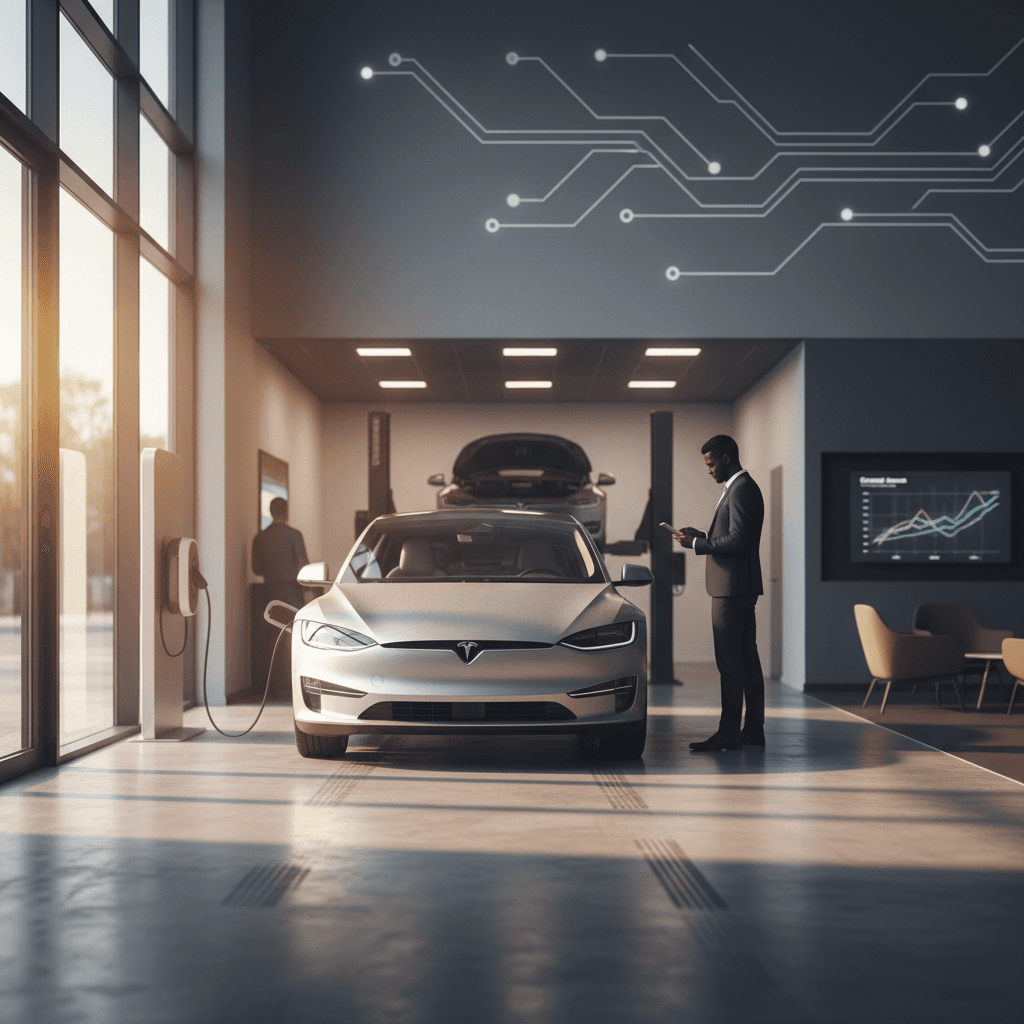
Search data shows that when people type in electric car shops, they’re usually not looking for a mechanic on the corner with a charging plug. They’re asking broader questions like “Where should I buy an electric car?”, “Do I have to go to a Tesla store?”, or “Is it safe to buy a used EV from a regular dealer?”
- Brand-specific retail locations (like Tesla, Rivian or Lucid stores)
- Traditional franchised dealerships that now sell EVs alongside gas cars
- Independent used-car lots that have started stocking electric vehicles
- Online-first marketplaces and EV specialists that handle everything digitally
In other words, an electric car shop can be physical, digital, or a mix of both. The smart move is understanding how each option works so you can decide where you’ll get the best combination of price, battery transparency, and support.
4 main types of electric car shops today
The evolving world of electric car shops
Most U.S. EV buyers run into at least one of these four options.
1. Brand stores & direct sales
2. Franchised dealerships
3. Independent used EV dealers
4. Online EV marketplaces
Shopping strategy
Electric car shops compared: pros and cons
From a distance, most electric car shops look similar: bright photos, monthly payment estimates, maybe a “certified” badge. But behind the glass, the business model, and your experience as a buyer, can be very different. Here’s how the main options stack up.
Where to buy an EV: shop types at a glance
Use this to decide which electric car shop type fits how you like to buy and own cars.
| Shop type | Best for | Typical inventory | Battery transparency | Service & support |
|---|---|---|---|---|
| Brand store / direct sales | First‑time EV buyers focused on one brand | Mostly new, some certified used | Good on new, limited on used unless OEM provides reports | Strong for that brand, weaker for others |
| Franchised dealer | Shoppers comparing EVs to gas or hybrid models | New and certified pre‑owned, plus trade‑ins | Depends on dealer; many rely on basic OBD or no EV‑specific test | OEM-backed service, but EV expertise varies store to store |
| Independent used lot | Bargain hunters and cash buyers | Older EVs, off‑lease cars, high‑mileage trade‑ins | Often minimal; may not test battery beyond a quick drive | Service usually off‑site or third‑party |
| Online EV marketplace / specialist | Shoppers who want clear pricing and remote buying | Curated used EVs with national selection | Typically strongest; look for third‑party battery diagnostics like the Recharged Score | Support done remotely; some integrate with local service partners |
Every option can work; the key is picking the one that aligns with how much support and transparency you want.
Watch the word “certified”
Why battery checks matter more than the showroom
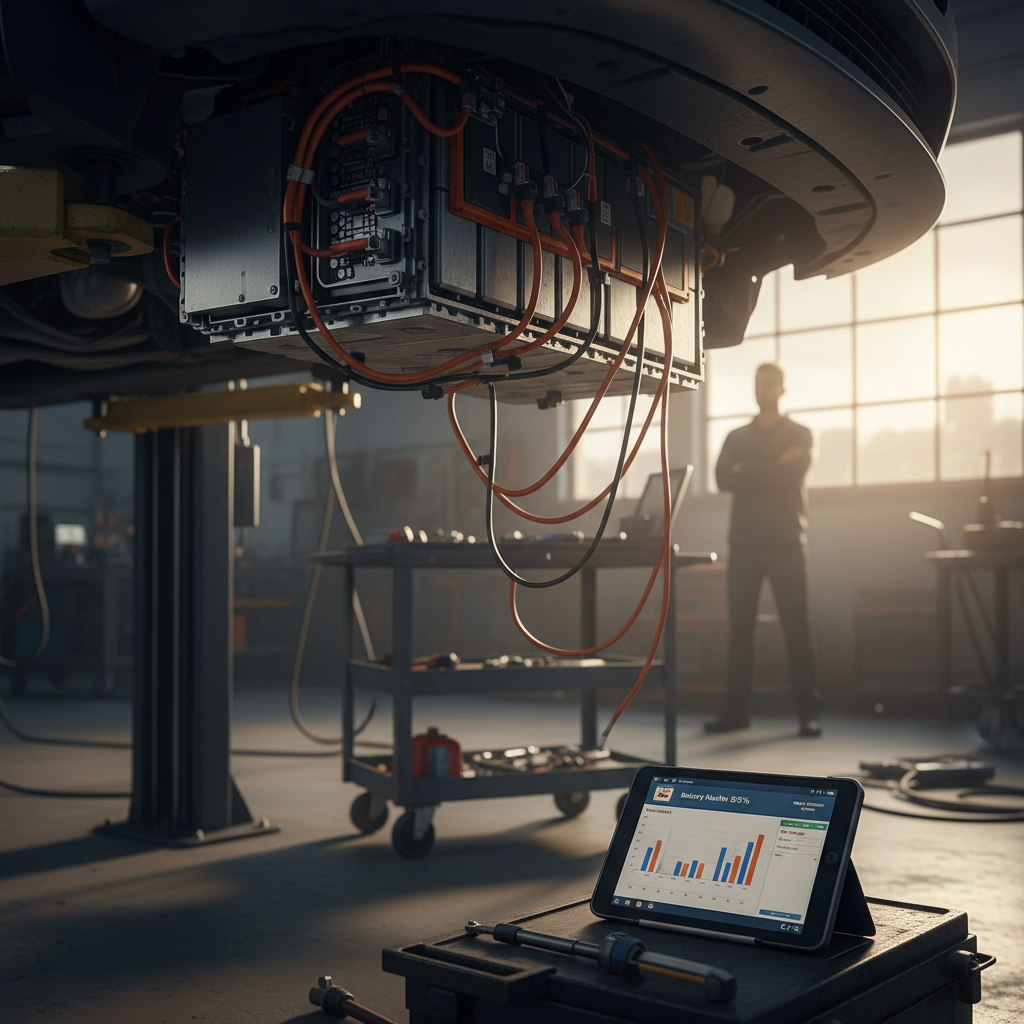
With gas cars, you worry about transmissions and engine oil leaks. At an electric car shop, the single most important component is the high-voltage battery. It can easily be 30–40% of a vehicle’s value. A clean showroom or shiny detail job can’t offset a pack that’s lost too much capacity.
EV market and battery realities
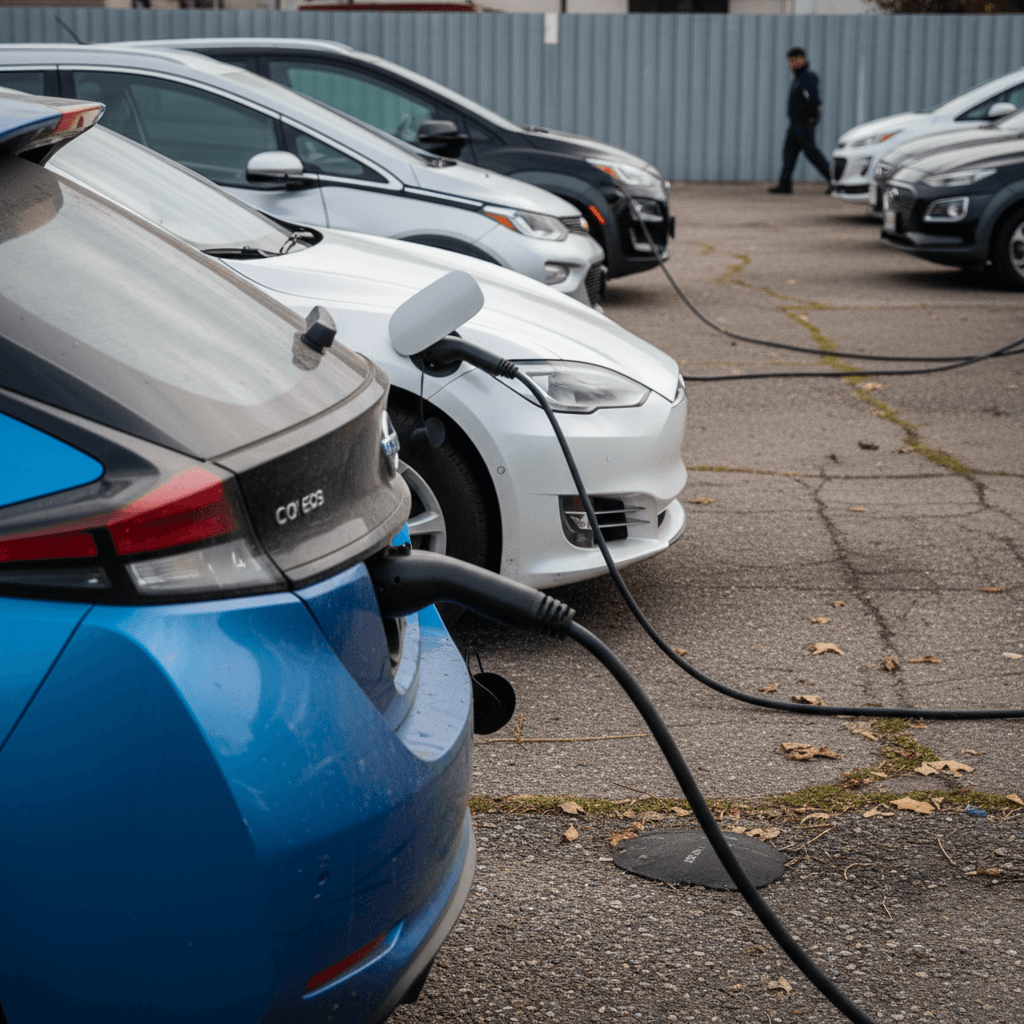
That’s why you should treat a battery report the way you’d treat a home inspection. If an electric car shop can’t show you a clear, third‑party style battery evaluation, you’re buying blind. At Recharged, every vehicle includes a Recharged Score Report with verified battery health, real‑world range estimates, and fair market pricing so you can compare cars on more than color and mileage.
What “good” looks like
Where to service an electric car
When drivers say they’re hunting for “electric car shops near me,” they’re often thinking about repairs and maintenance as much as sales. EVs need less routine work than gas cars, but when they do need attention, you can’t always roll into the same corner garage you’ve used for years.
Common EV service options
Where your electric car is most likely to end up when something goes wrong, or before it does.
1. Brand service centers
2. Franchised dealer service
3. Independent EV specialists
High‑voltage caution
Checklist: choosing an EV service shop
Confirm EV certification
Ask whether technicians have brand‑specific or high‑voltage certifications. Many dealers have only a handful of EV‑trained techs; you want your car in their bay, not the general line.
Ask about diagnostic tools
Good electric car shops use OEM or advanced third‑party diagnostic gear, not just generic OBD scanners that miss EV‑specific trouble codes and battery details.
Check parts availability
Some EV components still have longer lead times. A shop that knows the parts pipeline can give you realistic timelines, and alternative repair options if you’re out of warranty.
Verify loaner or rental options
If a high‑voltage repair takes weeks, you’ll appreciate a shop that helps you stay mobile with loaners, rentals or ride‑share credits.
How to choose the right electric car shop
Choosing where to buy an EV isn’t just about who has the lowest advertised payment. It’s about who will tell you the truth about battery health, total cost of ownership and ongoing support. Here’s a simple framework you can apply whether you’re walking onto a lot or browsing online.
Questions for sales-focused electric car shops
- “How do you test battery health?” Ask for specifics, not just “we drove it and it seems fine.”
- “Can I see the range at different state-of-charge levels?” Good shops can show real or modeled data, not just EPA numbers.
- “What’s your return or exchange policy?” Especially important when buying online or sight‑unseen.
- “Who services this car locally?” You want a clear answer before you sign.
Questions for service-focused EV shops
- “Which brands and models do you see most?” Experience with your specific EV matters.
- “Do you handle high‑voltage work in‑house?” Or do they sub it out to another facility?
- “How do you approach battery degradation issues?” Listen for options other than “replace the whole pack.”
- “Can you share a sample repair estimate?” It helps you understand typical costs.
Visit online, then in person
Financing, trade-ins and pricing for EVs
The financing conversation at an electric car shop feels familiar, APR, term length, down payment, but a few EV‑specific factors can affect your deal, especially now that some federal incentives have expired or changed.
What to watch in an EV finance office
You’re not just negotiating a rate; you’re negotiating risk, warranty coverage and future resale value.
1. Incentives and pricing swings
2. Battery risk baked into price
3. Trade‑ins and instant offers
Financing with Recharged
How Recharged fits into the EV shop landscape
Recharged isn’t a traditional electric car shop with a balloon arch out front. It’s a digital-first retailer and marketplace for used electric vehicles, built around battery transparency and an easier ownership experience. Think of it as an EV‑specialist dealer that happens to operate primarily online.
- Every vehicle includes a Recharged Score Report with verified battery health, range estimates and market-based pricing.
- You can shop, finance and complete paperwork entirely online, or visit the Recharged Experience Center in Richmond, VA.
- Options to sell or trade in your current vehicle through an instant offer or consignment model.
- Nationwide delivery and EV‑specialist support from first click through delivery and beyond.
Who Recharged is ideal for
Ready to find your next EV?
Browse VehiclesElectric car shops: FAQ
Frequently asked questions about electric car shops
The bottom line on electric car shops
The phrase electric car shops covers everything from Tesla stores to suburban used‑car lots and EV‑only online marketplaces. The right choice for you isn’t about who has the flashiest showroom; it’s about who gives you the clearest picture of battery health, total cost of ownership and long‑term support.
If you keep your focus on battery transparency, EV‑specific expertise and straightforward pricing, you can safely buy and service an electric vehicle through any channel, local or online. And if you want those pieces baked in from the start, Recharged is built to be the kind of electric car shop that puts the technology, and your confidence, front and center.