You expect an electric car to be whisper-quiet. Then you hit 70 mph and suddenly you’re living with a constant roar from the pavement and a hiss from the mirrors. If that sounds familiar, you’re not alone, many owners go searching for **electric car road noise solutions** within weeks of buying their EV.
What’s really going on?
The good news: you don’t have to just live with it. From smarter tire choices and simple DIY sound deadening to alignment tweaks and, in some cases, choosing a quieter used EV, there are clear ways to tame road noise. This guide walks you step-by-step through diagnosing the noise and choosing the fixes that offer the biggest payoff for your budget.
Why EVs Seem So Loud on the Highway
At low speeds around town, an electric car is typically **much quieter than a gas car** because there’s no combustion engine and almost no drivetrain noise. Above about 40–45 mph, things change. The dominant noises become:
- Tire noise – the sound of rubber blocks and sipes striking the pavement and the air being pumped in and out of the tread grooves.
- Wind noise – air rushing around mirrors, window frames, the A-pillars, and roof rails.
- Suspension and structure noise – bumps, joints, and rough surfaces sending vibrations into the cabin.
Because the powertrain in an EV is so quiet, your ear is more sensitive to these background sounds. Tire makers now offer **acoustic foam tires** and optimized tread patterns specifically to reduce this low-frequency roar inside electric vehicles, and some automakers are adding double-glazed glass and additional seals to keep cabins quiet, especially on premium models.
Be realistic about “luxury car quiet”
Step 1: Diagnose Where Your EV Road Noise Comes From
Before you spend a dollar on parts or sound deadening mat, you need to figure out whether your main problem is **tires, wind, or something mechanical.** Here’s a quick, practical test routine you can do in 20–30 minutes.
Quick Road Noise Diagnostic Drive
1. Vary your speed in 5–10 mph steps
On a safe, relatively empty road, listen at 35, 45, 55, 65, and 75 mph. Tire roar typically ramps up smoothly with speed; wind noise often spikes above 55 mph.
2. Try different surfaces
Compare fresh asphalt, older worn asphalt, and concrete. If noise changes dramatically with pavement, your tires and road surface are the main culprits.
3. Listen near specific areas
Have a passenger move their ear (safely belted) near each door, the floor, and the rear cargo area. Strong noise from the rear often points to hatch and wheel well areas.
4. Do a neutral coast test
At highway speed where the noise is worst, safely shift into Neutral briefly (in an EV this only cuts torque, not power steering or brakes). If the sound doesn’t change, the motor is not your issue.
5. Check for rhythmic thumps or humming
A pulsing or cyclical hum that changes with speed can signal a cupped tire, wheel bearing, or alignment problem, not just normal tire roar.
Record a short video on your phone
Step 2: Tackle Tires – The Biggest Source of EV Road Noise
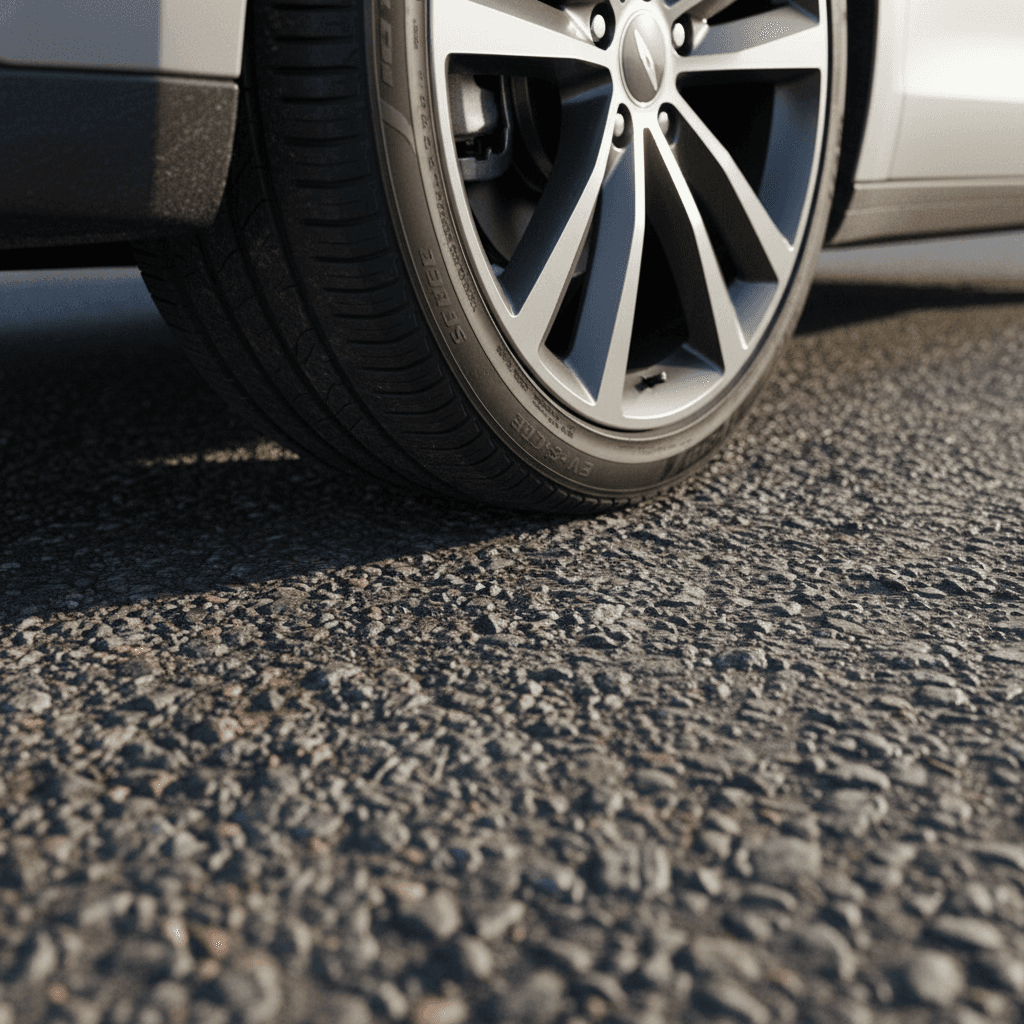
For most owners, **tires are the single most effective road noise lever.** EVs are heavy and deliver instant torque, so they ship with tires designed to balance grip, efficiency, and noise. Change that equation, different tread, more aggressive sizing, and your interior can get much louder.
How Tire Choices Change EV Noise
Small decisions at the sidewall make big differences in the cabin
Tread pattern
Closely spaced tread blocks and ribbed patterns tend to be quieter than aggressive, open-block designs. Performance or all-terrain tires usually sound louder than touring or eco tires.
Speed rating & stiffness
Ultra‑high‑performance tires with stiff sidewalls sharpen handling but often transmit more impact noise over joints and broken pavement.
Acoustic foam & EV-specific tires
Some EV tires use foam bonded inside to cut cabin noise and are marketed as “Acoustic” or “Silent.” They don’t fix everything, but they can trim the low‑frequency hum.
Common Tire Changes and Their Noise Impact
Use this as a rule-of-thumb guide when shopping for replacements.
| Change | Likely Effect on Noise | Comment |
|---|---|---|
| Switching from eco/touring to performance tires | Louder | More grip and sharper response, but usually more roar on concrete and coarse asphalt. |
| Going from 18" to 20"+ wheels with lower-profile tires | Louder and harsher | Thinner sidewalls pass more impact and texture noise into the cabin. |
| Choosing EV-marketed, acoustic foam tires | Quieter (slightly) | Helps with droning noise on the highway, especially in premium EVs with good insulation. |
| Replacing worn, cupped, or unevenly worn tires | Quieter and smoother | Cupping can create a helicopter-like thrum that brand-new tires almost always cure. |
Always verify load index and speed rating for your specific EV before changing tire size or type.
Don’t chase silence with the wrong tire
If your current tires are more than halfway worn, noisy from day one, or show uneven wear, **a different tire model in the factory size is often the single best electric car road noise solution.** Ask specifically about rolling noise ratings and look for reviews that mention cabin quietness, not just grip.
Step 3: Cut Wind Noise Around Doors, Mirrors, and Glass
On many EVs, especially crossovers, owners complain about a **hiss around the mirrors or A‑pillars above 60 mph.** Automakers fight this with better aerodynamics and improved seals, but you can make gains at home too.
Inspect and refresh door & window seals
- Look for flattened or torn rubber around the door frame, especially near the top front corner.
- Clean seals with mild soap and water, then apply a rubber conditioner to restore flexibility.
- If you see gaps where light or air can pass, consider OEM replacement seals for that door.
Even a small gap near the driver’s ear can sound like a leaky window at highway speeds.
Simple aero and mirror checks
- Make sure mirror caps and trim pieces are fully seated; loose plastic can whistle loudly.
- Remove unused roof racks or cargo boxes; they add both drag and wind noise.
- Check that frameless windows (if your EV has them) are indexing correctly when closing.
Sometimes a dealer software update or window adjustment fixes wind hiss on newer EVs.
Quick test for wind vs. tire noise
Step 4: Budget-Friendly Sound Deadening Upgrades
If your tires and seals are in good shape but the car still sounds boomy, you can add targeted **sound deadening materials**. Modern EVs already carry a lot of weight in their battery packs, so the trick is to be strategic, quiet the noisiest areas without turning your hatchback into a rolling recording studio.
Common DIY Sound Deadening Areas in EVs
Start with the surfaces that give you the best noise reduction per hour of work
Rear hatch & cargo floor
On many crossovers, the rear wheel wells and thin hatch metal let in a lot of tire roar. Lining the hatch and under the cargo floor with butyl mats can noticeably reduce boom from the back.
Wheel wells & underbody
Some owners add stick-on damping or spray-on liners inside plastic wheel tub liners. This can help on coarse roads, but you must avoid blocking drainage or rubbing the tire.
Front footwells & firewall
If you’re comfortable pulling trim, adding damping under the front mats and along the firewall can cut droning and vibration you feel through your feet and pedals.
Be careful around high-voltage components
Stick with reputable butyl-based mats rather than asphalt-based products, which can smell in hot weather. For most daily drivers, **20–40 square feet** focused on the rear cargo area, wheel wells, and front footwells is plenty. Beyond that, you’ll see diminishing returns.
Step 5: Use Maintenance, Alignment, and Suspension to Quiet the Ride
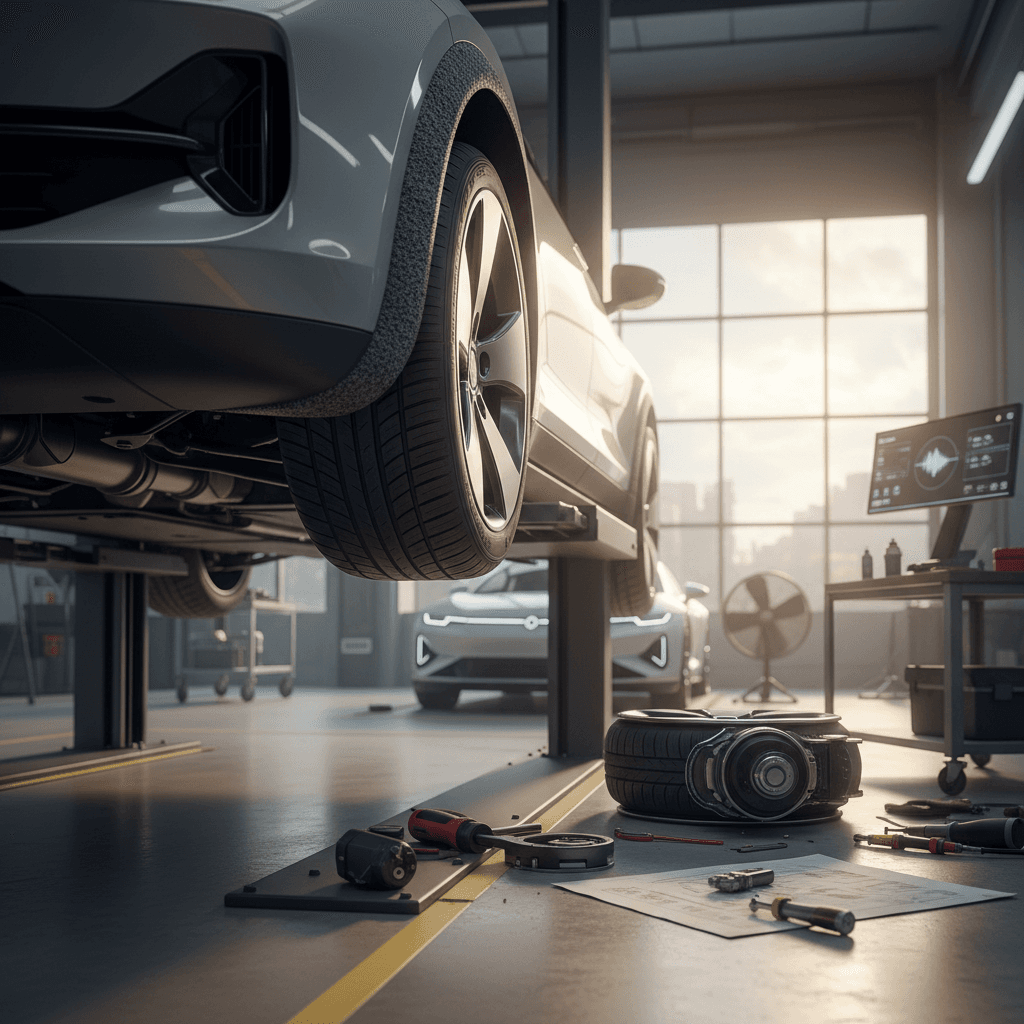
Not all EV noise is just “the way it is.” Basic maintenance items can have a big impact on how much vibration and harshness makes it into the cabin, especially as the miles add up.
Maintenance Issues That Often Masquerade as “Normal” EV Road Noise
- Rotate and balance tires at the intervals in your owner’s manual (often 6,000–8,000 miles). Irregular wear patterns create thrumming that feels like road noise.
- Check alignment if you’ve hit a major pothole, notice uneven tread depths left-to-right, or feel the steering pull. Correcting toe and camber can quiet the car and extend tire life.
- Inspect suspension components like bushings and struts. Worn parts don’t just make clunks, they can let more vibration and harshness into the cabin.
- Verify tire pressures at least monthly. Overinflated tires transmit more impact; underinflated tires can hum and squirm. Use the door‑jamb sticker, not the number on the sidewall.
Where a good EV shop earns its keep
Step 6: Driving Habits and Road Choice Matter More Than You Think
This is the least glamorous answer, but it’s real: **How and where you drive** can change your perceived cabin noise more than any product you can buy.
Speed and lane choice
- Every 5–10 mph you add on the highway increases wind and tire noise noticeably.
- Right lanes often have more truck wear, grooves, and patches that make more noise than smoother middle lanes.
- Freshly repaved segments can be dramatically quieter than old concrete, even on the same commute.
Load and cargo
- Loose items in the cargo area rattle and resonate, amplifying road noise.
- Folding down rear seats can open a bigger "echo chamber" to the cabin; sometimes raising them actually quiets boom.
- Try a simple cargo cover or soft items (blanket, luggage) to absorb some rear‑end resonance.
Build yourself a “quiet route”
When to Consider a Different EV Instead of Modding
Sometimes you can do everything right, fresh, quiet tires, good seals, targeted sound deadening, and the car still isn’t as refined as you’d like. That’s usually baked into the platform: wheelbase, body stiffness, glass design, and how much the automaker invested in noise, vibration, and harshness (NVH) tuning from day one.
Cabin quiet isn’t an afterthought, it’s engineered into the structure, glass, seals, and suspension from the first sketch. You can trim the rough edges, but you can’t turn a basic commuter into a Bentley with a few rolls of sound mat.
If your EV spends a lot of time on the highway and noise is affecting how much you enjoy driving, it can be rational, not indulgent, to look at **quieter models on the used market**. That’s especially true if you’re already considering a trade‑in or your lease is ending soon.
How Recharged can help
Quiet Used EVs to Shortlist
If you’re browsing used EVs with an ear for quietness, look for models and trims where the automaker clearly invested in NVH, thicker glass, more insulation, and sometimes specialized tires. You don’t need to buy a six‑figure luxury car, but choosing the right platform pays dividends every mile.
Examples of EVs Known for Refined, Quiet Cabins
Always compare specific trims, wheels, and tire types, those details matter
Premium & luxury EVs
- Many midsize and large luxury EV SUVs and crossovers offer double‑glazed glass, acoustic side windows, and extensive insulation.
- They often ride most quietly on the smallest wheel option (for example, 19" or 20" instead of 21"–23").
Refined mainstream crossovers
Several mainstream electric crossovers from major brands are praised for quiet cruising. Look for reviews that highlight low cabin dB levels at 70 mph and mention "calm" or "hushed" ride quality.
Comfort-focused hatchbacks & sedans
Some EV hatchbacks and sedans prioritize comfort and aero efficiency over aggressive styling. Their slippery shapes and softer suspensions often translate into inherently lower wind and road noise.
Test drive the way you actually drive
If you’re browsing online, filtered marketplaces like Recharged make it easy to compare multiple used EVs side by side, then schedule a real highway test before you commit. That’s the single best way to know whether a particular car will feel peaceful on your commute.
Electric Car Road Noise Checklist
Step-by-Step Plan to Quiet Your EV
1. Pinpoint whether it’s tires, wind, or vibration
Use a short diagnostic drive on different surfaces and speeds, plus a neutral‑coast test, to identify the primary noise source.
2. Inspect tires and alignment first
Check tread depth and patterns for cupping, confirm pressures, and have a shop assess balance, alignment, and wheel bearings if anything seems off.
3. Choose quieter replacement tires when it’s time
Stick close to stock sizes, prioritize touring or EV‑specific tires with strong noise reviews, and avoid oversized, ultra‑low‑profile fitments.
4. Refresh seals and address obvious wind leaks
Clean and condition door and window seals, fix loose trim or mirror covers, and consider seal replacement if you see clear gaps.
5. Add targeted sound deadening, not overkill
Focus on the rear cargo area, wheel wells, and front footwells. Use quality butyl mats and avoid disturbing high‑voltage components.
6. Fine‑tune driving routes and habits
Favor smoother pavement where possible, keep unused roof accessories off the car, secure cargo, and remember that an extra 5–10 mph always raises cabin noise.
7. Reassess whether this EV fits your priorities
If you’ve tried the major fixes and still aren’t happy, it might be time to consider a different EV whose fundamental design puts more emphasis on quiet comfort.
Electric Car Road Noise FAQ
Frequently Asked Questions About EV Road Noise
The Bottom Line on Quieting Your EV
If your electric car sounds louder than you expected, you’re not imagining things. With the engine gone, tire and wind noise step into the spotlight. The right combination of **quiet‑oriented tires, healthy alignment and suspension, fresh seals, and a bit of targeted sound deadening** can transform how your EV feels on the open road.
Start with the simple, low‑cost fixes first, then decide whether it makes sense to invest in tires and materials on your current car, or to move into a used EV that was tuned from the factory for long‑distance comfort. If you reach that crossroads, Recharged is built to make the switch easy, from fair trade‑in offers to expert help picking a quieter, better‑sorted electric vehicle for the way you really drive.