If you grew up on 3,000‑mile oil changes, an electric car maintenance schedule feels almost suspiciously simple. No engine oil, no spark plugs, no timing belt waiting to self‑destruct on the highway. But “less maintenance” doesn’t mean “no maintenance”, it means a different schedule, with different things that actually matter for an EV.
Big picture
Why electric car maintenance is different
A modern EV has far fewer moving parts than a gas car: no multi‑gear transmission, no exhaust system, no engine full of precision parts hammering away at 6,000 rpm. That mechanical simplicity is why EVs tend to spend less time on the lift and more time in your driveway.
- No oil changes, fuel filters, spark plugs, or timing belts
- Regenerative braking dramatically reduces brake wear in daily driving
- Single‑speed drivetrains mean fewer rotating parts to service
- Battery and high‑voltage system are largely maintenance‑free under warranty
What still matters
Core electric car maintenance schedule at a glance
How EV maintenance stacks up
Typical electric car maintenance schedule (high level)
Real‑world intervals that apply to many modern EVs. Always confirm against your owner’s manual for model‑specific requirements.
| Item | Typical Interval | Notes |
|---|---|---|
| Tire rotation | 6,000–7,500 miles or 6–12 months | Many EVs are heavy and powerful; rotate and inspect tires frequently. |
| Brake inspection | Every 12 months | Pads often last longer on EVs, but calipers can seize in salty climates. |
| Brake caliper service (rust belt) | 12 months or 12,500 miles | Clean and lubricate calipers if you drive where roads are salted. |
| Cabin air filter | Every 2 years | Some models specify 1 year; replace sooner in dusty or urban areas. |
| Wiper blades | 12 months | Replace when streaking or chattering. |
| Brake fluid check | Every 2–4 years | Moisture contaminates fluid; some brands recommend a 4‑year check and change as needed. |
| Coolant for battery/drive unit | ~8–10 years (if required) | Some EVs use lifetime coolant; others call for a long‑interval replacement. |
| Alignment & suspension check | Every 2 years or when pulling/drifting | Crucial for heavy EVs to prevent rapid tire wear. |
| High‑voltage system | On condition | Software alerts and diagnostics; no regular shop ritual required. |
Intervals are approximate and may be shorter in harsh climates, heavy use, or towing.
Use your manual as the tiebreaker
EV maintenance by time and mileage
Most electric cars don’t use old‑school “major service at 30,000 miles” checklists. Instead, they break your maintenance schedule into a few recurring tasks. Here’s a practical, brand‑agnostic way to think about it.
Your EV service rhythm
Group maintenance by how often you actually need to think about it.
Every 6–12 months
- Tire rotation and tread inspection
- Visual brake and suspension check
- Wiper blades and washer fluid
- Top off tire pressures
Every 2–4 years
- Cabin air filter replacement
- Brake fluid check and change as needed
- Alignment if you’ve hit potholes or curbs
Long‑interval items
- Battery or drive‑unit coolant (if specified)
- Desiccant bag/A/C service on some models
- Comprehensive inspection around 8–10 years
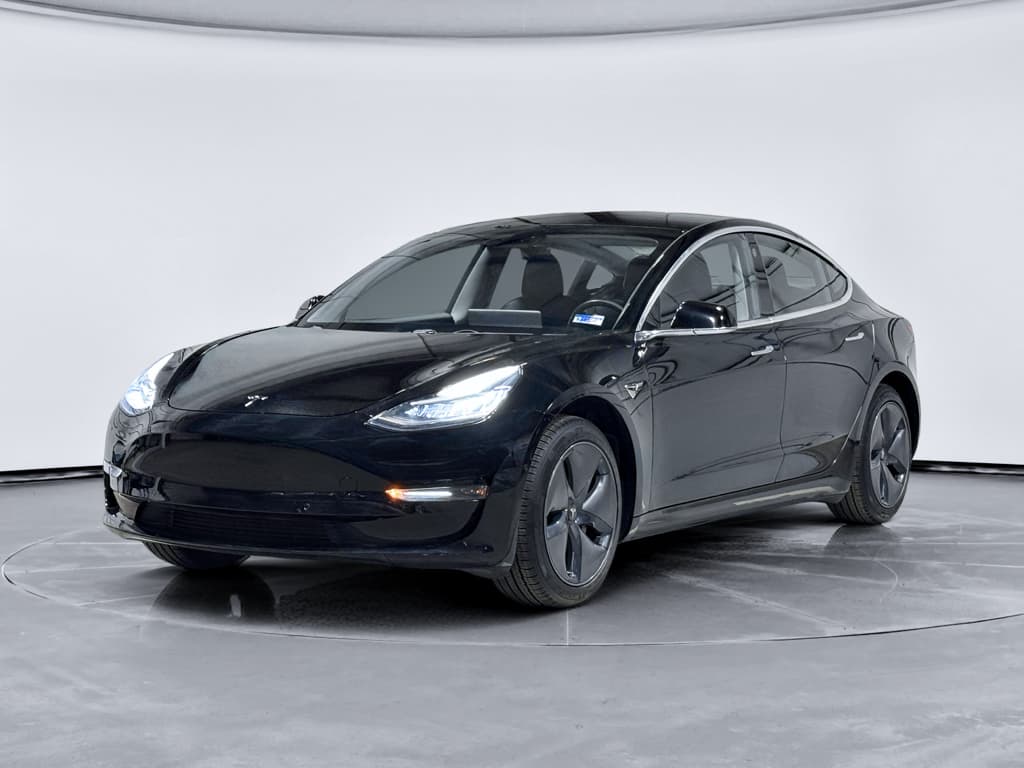
If you own a Tesla, this may look familiar. For example, Model 3 guidance includes tire rotation about every 6,250 miles, cabin air filters every 2 years, brake fluid checks at 4 years, and annual caliper lubrication in salty climates, broadly similar to other EVs in the market.
Mileage vs calendar time
Battery health: what to watch and when
Here’s the paradox: the most expensive part of an EV, the high‑voltage battery, is the least maintenance‑intensive. There’s no yearly service ritual. What matters is how you charge, how you store the car, and occasionally, how you verify the pack is aging gracefully.
- Avoid living at 100% state of charge; daily driving is happier around 20–80%.
- Fast charging is fine in moderation; constant DC fast charging can accelerate wear.
- Heat is the enemy. Shade and garages are friends.
- Deep discharges to near 0% should be occasional, not a lifestyle.
Set it and forget it (mostly)
Light‑touch battery health schedule
Once a year: sanity‑check your range
Compare today’s real‑world range at your normal highway speed with what you saw in year one. A few percent of loss is normal; big step changes deserve attention.
Every 2–3 years: get a battery health report
Some brands and independent shops can run diagnostics and generate a battery health report. When you buy from Recharged, every vehicle comes with a <strong>Recharged Score</strong> that includes verified battery health, so you start with real data, not guesswork.
Before warranty end: full system inspection
As your 8–10 year battery warranty window closes, consider a full inspection and health report so you aren’t blindsided later.
The long‑term cost story on an EV isn’t oil changes; it’s how kindly you treat the battery pack over a decade.
Brakes, tires and fluids on an EV
The rest of your electric car maintenance schedule is pleasantly old‑fashioned: rubber, steel, and hydraulic fluid. This is where driving style and local climate matter more than the badge on the trunk.
What actually wears out on an EV
Spoiler: it’s the stuff touching the ground.
Tires
EVs are heavy and tend to have instant torque. That’s great for on‑ramps, rough on tires. Rotate every 6,000–7,500 miles and budget for replacements a bit sooner than you would on a similar gas car.
Brakes
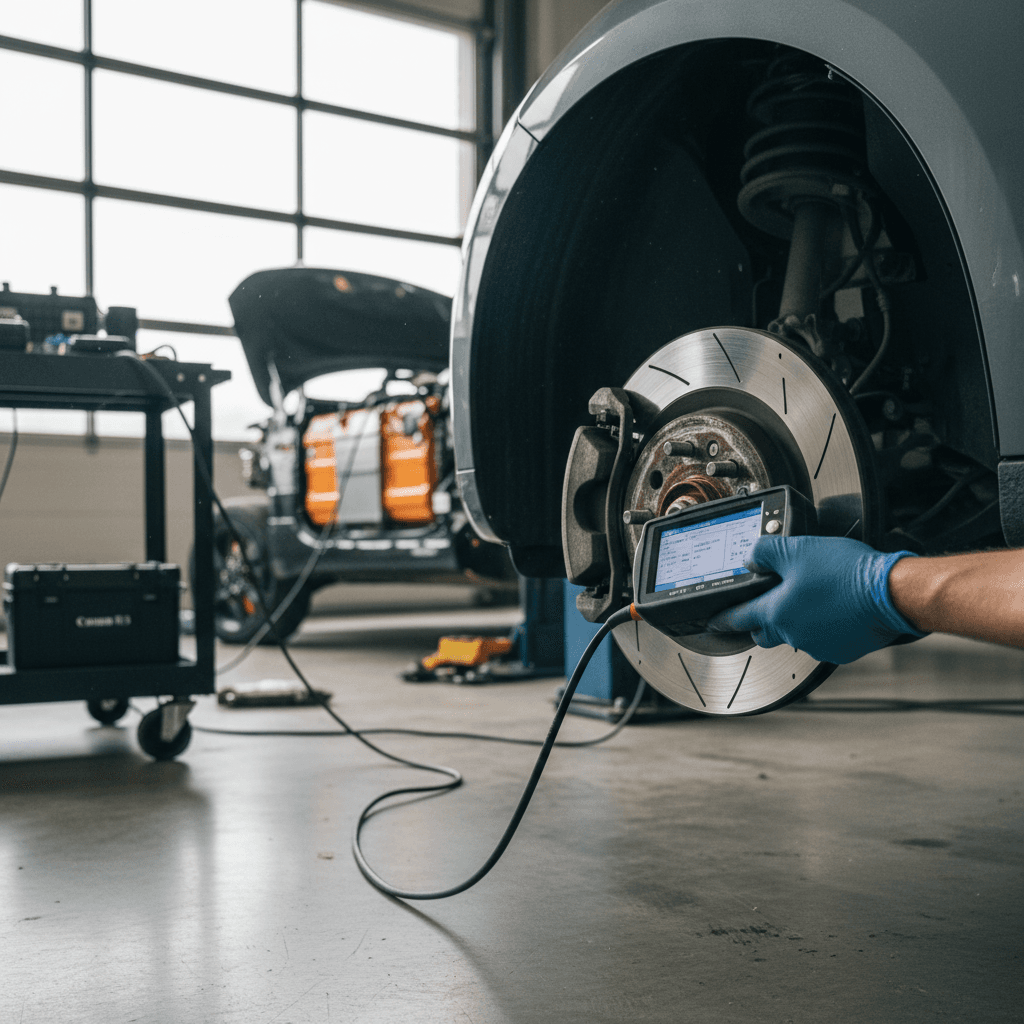
In city driving, regenerative braking does most of the work. Pads can last 60,000+ miles. The catch? Calipers in salty climates can seize from lack of use, so annual inspection and lubrication are cheap insurance.
Fluids
No engine oil, but you still have brake fluid, washer fluid, and in many cases a long‑life coolant loop for the battery and drive unit. These have long intervals but they’re not immortal.
Don’t skip brake fluid
Maintenance cost: EV vs gas car
When you put an EV and a comparable gas car side by side, the long‑term math looks pretty good for electrons. Studies of five‑year ownership show EVs generally spend much less on routine maintenance and repairs, even if their purchase price is higher and insurance can cost more.
Five‑year maintenance cost snapshot (typical U.S. driver)
Illustrative numbers for a mainstream compact SUV driven ~15,000 miles per year. Fuel costs are not included, this is maintenance and repairs only.
| Vehicle type | Estimated 5‑year maintenance & repair | What drives the cost |
|---|---|---|
| Modern EV | ≈ $4,500 | Tires, occasional brakes, cabin filters, long‑interval fluids, a few repairs |
| Comparable gas SUV | ≈ $7,500 | Oil services, transmission service, belts and plugs, exhaust and cooling repairs, plus the same tires and brakes |
| Difference | ≈ $3,000 saved with EV | Those savings offset a meaningful chunk of the higher purchase price over time. |
Actual costs depend on brand, local labor rates, and how gently you treat the car.
Where EVs quietly save you money
Used EVs: how to reset the schedule
If you’re buying used, the “schedule” on paper and the reality under the car may be two very different stories. The previous owner might have been meticulous. They also might have treated service reminders like spam email.
Day‑one checklist for a used EV
Confirm what’s been done (with receipts)
Ask for service records, not just verbal assurances. Look for tire rotations, brake work, and any coolant or brake fluid services.
Baseline inspection
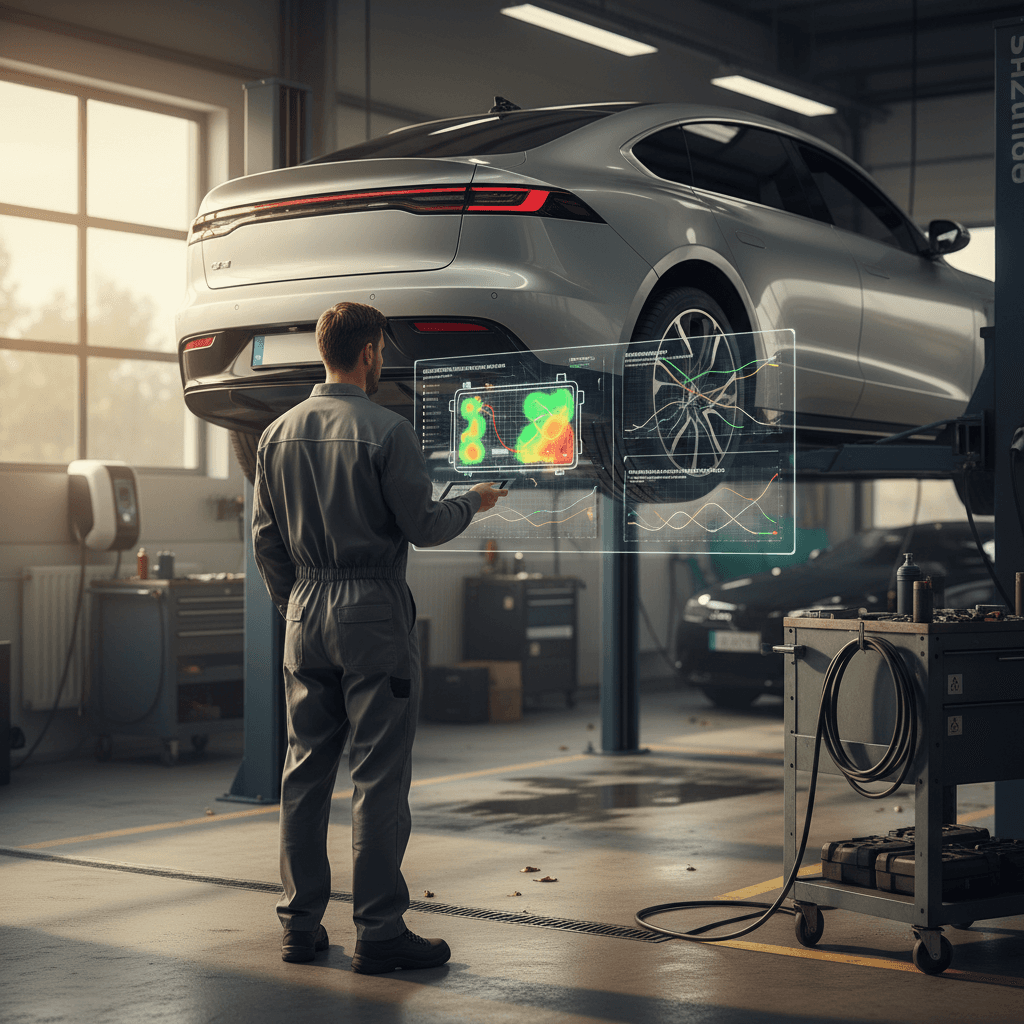
Book a comprehensive inspection with an EV‑literate shop. They should check suspension, brakes, underbody corrosion, and high‑voltage leak checks where supported.
Battery health report
A health report can reveal hidden abuse, fast‑charging habits, or capacity loss. When you buy through Recharged, the <strong>Recharged Score Report</strong> gives you verified battery diagnostics up front.
Reset the clock
After that first inspection, follow the manufacturer schedule from where the car actually is, not what the calendar says. If records are missing, assume conservative intervals for the first couple of years.
Why Recharged exists at all
DIY vs dealer vs EV specialist
Not every line on an electric car maintenance schedule demands a dealer visit. Some tasks are perfect for a Saturday morning with coffee; others belong firmly in the hands of people with high‑voltage gloves and a healthy respect for electricity.
DIY‑friendly jobs
- Tire pressure checks and simple rotations (if you have a jack and stands)
- Wiper blades and washer fluid
- Cabin air filter on many models
- Visual inspections for worn tires or damaged suspension parts
If you’re ordering parts, stick with OEM or reputable aftermarket brands designed for the extra weight of an EV.
Leave these to the pros
- High‑voltage battery or inverter work
- Coolant service on battery/drive units
- Brake fluid changes if you’re not experienced
- Software‑related diagnostics and firmware issues
An experienced EV shop or brand dealer has insulated tools, training, and the laptop access your driveway doesn’t.
Respect the orange cables
Sample 12‑year EV maintenance roadmap
Want to know what the next decade with your EV actually looks like? Here’s a simplified roadmap for a typical electric crossover driven about 12,000–15,000 miles a year, assuming you follow sensible charging habits.
12‑year EV maintenance roadmap
Years 1–4: Getting acquainted
Rotate tires every 6,000–7,500 miles.
Annual brake and suspension inspection.
One or two sets of wiper blades.
Cabin air filter once or twice.
Optional battery health report if you’re curious.
Years 5–8: Middle age
One full set of tires (maybe two if you drive hard).
Brake fluid service if not already done.
Possible brake pad replacement, depending on driving style.
Alignment check to protect those pricey EV tires.
Battery and coolant system inspection per manufacturer.
Years 9–12: Long‑term keeper
Another set of tires and possibly rotors/pads.
Second round of cabin filters and fluids.
Thorough underbody corrosion check in snowy regions.
Pre‑emptive replacement of tired suspension bushings or shocks.
Deep battery health check as the warranty window closes.
Planning to sell before year 10?
Ready to find your next EV?
Browse VehiclesElectric car maintenance schedule FAQ
Frequently asked questions
Bottom line: build a simple, realistic plan
An electric car maintenance schedule isn’t mysterious; it’s just shorter, calmer, and more focused on the parts that still wear out when gasoline leaves the chat. Think in yearly checkups, a handful of long‑interval fluid and coolant services, and a long‑term relationship with your battery, not your oil change sticker.
If you’re already in an EV, use this guide to cross‑check your manual and sketch out the next decade. If you’re shopping for a used electric car, especially through a digital marketplace like Recharged, factor this maintenance reality into your budget: lower routine costs, a few big‑ticket items you can see coming, and a battery whose story you can verify instead of taking on faith.