If you’ve been scrolling ads for electric car lease deals, you’ve probably seen numbers that look almost too good to be true, $169, $199, even $209 a month for brand‑new EVs. In 2025, EV leasing has become one of the most aggressive battlegrounds in the car market, but not every “deal” is actually a bargain once you read the fine print. This guide breaks down how EV leases really work right now, what a good payment looks like, and when you might be better off skipping the lease and buying a used electric vehicle instead.
Quick snapshot
Why EV lease deals look so aggressive in 2025
To understand today’s electric car lease deals, you have to look at incentives and timing. The federal $7,500 EV purchase tax credit expired for consumers on September 30, 2025, but automakers like Ford and GM are still using leasing programs and their captive finance arms to pass similar savings through on existing inventory. On top of that, slowing EV sales earlier in 2025 left many dealers with too many electric crossovers and sedans sitting on the lot, which pushed brands to roll out aggressive lease promotions to keep metal moving.
EV lease market at a glance (late 2025)
Why leasing looks so cheap
Typical electric car lease payments today
Exact numbers change month to month, but you can use current offers as a reality check when you evaluate electric car lease deals in your area. Here’s the general ballpark for late 2025 offers on new EVs in the U.S.:
Typical 2025 electric car lease ranges (new vehicles)
Approximate national promotional lease ranges for popular EV segments in late 2025. Local offers will vary by region, credit score, and inventory.
| EV segment / example | Typical promo payment | Term & miles (common) | Due at signing (approx.) | Notes |
|---|---|---|---|---|
| Compact / city EV (e.g., Fiat 500e, Mini Cooper SE) | $169–$249/mo | 24–36 months, 10k–12k mi/yr | $2,500–$4,000 | Best headline numbers; smaller batteries and range. |
| Mainstream compact SUV (e.g., Hyundai Ioniq 5, Kia Niro EV, Subaru Solterra) | $179–$299/mo | 24–36 months, 10k–12k mi/yr | $3,000–$4,500 | Sweet spot of the market; many sub‑$300 deals advertised. |
| Midsize sedan / crossover (e.g., Hyundai Ioniq 6, Chevy Equinox EV, Honda Prologue) | $249–$359/mo | 24–36 months, 10k–12k mi/yr | $3,000–$5,000 | Often heavily subsidized in regions with lots of inventory. |
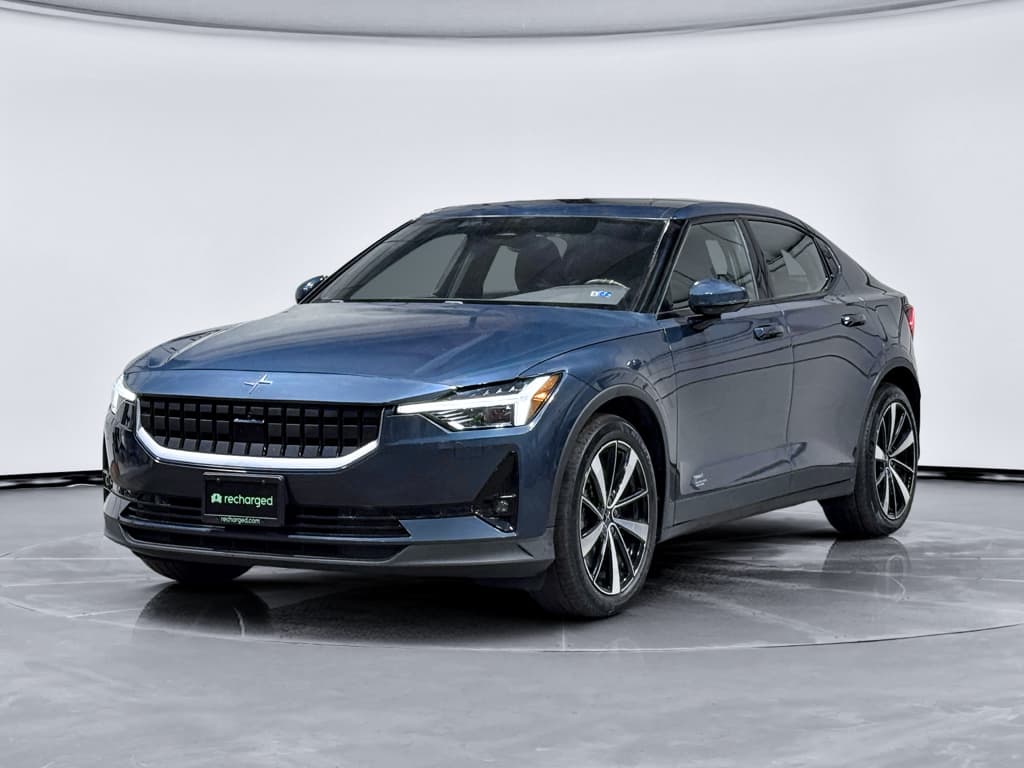
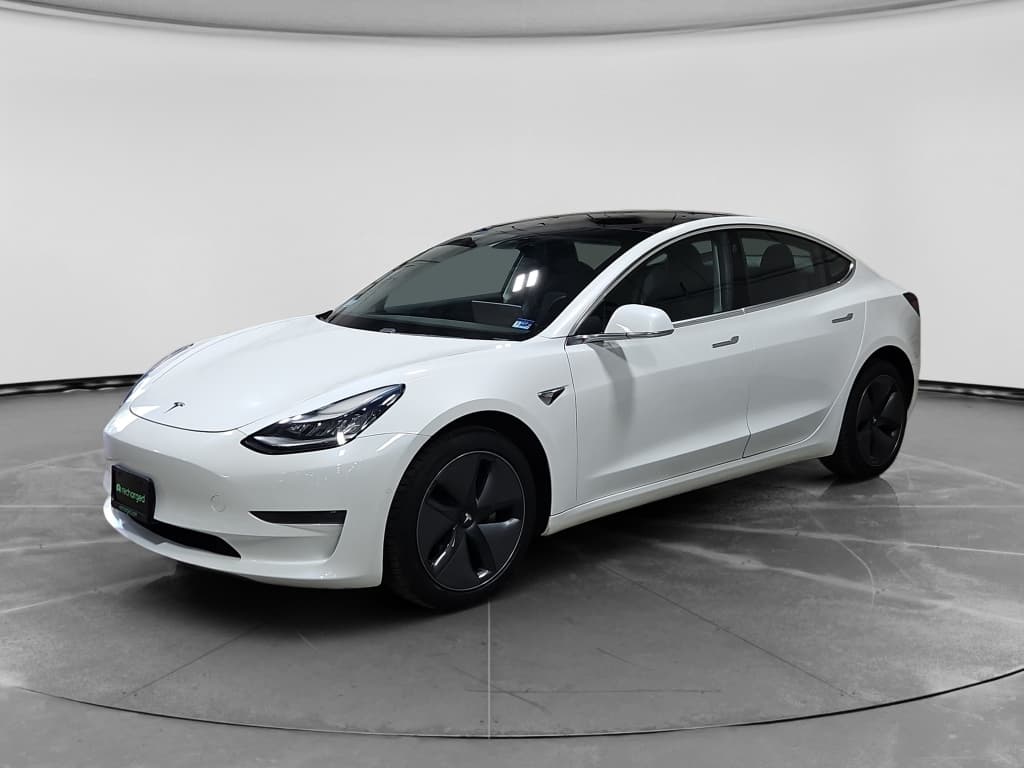
| Premium compact / entry luxury (e.g., Tesla Model 3, Polestar 2, BMW iX1) | $399–$559/mo | 36 months, 10k mi/yr | $4,000–$6,000 | Higher money due at signing and tighter mileage caps. |
| Performance / luxury SUVs (e.g., Tesla Model Y, Rivian R1S, Porsche Macan Electric) | $599–$999+/mo | 36–39 months, 7.5k–10k mi/yr | $5,000–$8,000 | Heavier, higher‑priced EVs see less aggressive discounts. |
Use this as a sanity check: if a deal is way higher than these bands for a similar EV, push for more discount, or consider a used EV instead.
Watch the effective monthly cost
Deal A: Looks cheap, costs more
$199/month for 24 months with $5,000 due at signing.
- Total base payments: 24 × $199 = $4,776
- Plus upfront: $5,000
- Total cost: $9,776 → about $407/month effective
Deal B: Slightly higher, actually cheaper
$259/month for 24 months with $2,500 due at signing.
- Total base payments: 24 × $259 = $6,216
- Plus upfront: $2,500
- Total cost: $8,716 → about $363/month effective
How EV lease math really works
Under the hood, an electric car lease is just a long, structured rental. The lender calculates how much the car will be worth at the end of the term (the residual value), subtracts that from today’s price, and then spreads the difference plus fees and interest across your monthly payments. EVs complicate this picture because their resale values are still volatile and incentives are unusually rich.
The 4 numbers that drive your electric car lease
Know these before you sign, especially on an EV, where incentives can hide the true cost.
Cap cost
Residual value
Money factor
Fees & taxes
Good news for EV shoppers
Best types of EVs to lease vs. buy used
Not every electric vehicle is a great candidate for leasing. In some cases you’re better off buying a used EV, especially if you drive more than 12,000 miles a year or want to keep the car for a long time. Here’s how to think about lease‑versus‑buy in the EV world.
Should you lease or buy a used EV?
These rules of thumb can keep you from overpaying.
Lease makes sense when…
- You like driving the latest tech every 2–3 years.
- You stay under 10,000–12,000 miles per year.
- You want to let the automaker absorb future battery depreciation risk.
- The deal includes heavy factory or finance incentives.
Buying used makes sense when…
- You plan to keep the EV 5+ years.
- You drive a lot of miles and would blow past lease limits.
- You want to avoid excess wear-and-tear charges.
- You value transparent battery health data and total cost of ownership.
Gray areas
- High-end luxury EVs: big discounts on leases, but steep buyout prices.
- Popular mainstream EVs: compare a strong used price against a subsidized lease.
- PHEVs: sometimes cheaper to buy if the gas engine keeps resale values high.
Where Recharged fits in
How to shop electric car lease deals step by step
Most shoppers start with the monthly payment, but the smartest EV lease hunters work backward from needs, miles, and total cost. Here’s a simple, repeatable process you can use whether you’re looking at a $179 Hyundai Ioniq 5 lease or a $399 Tesla Model 3 lease.
Step‑by‑step process for comparing EV lease offers
1. Define your real mileage needs
Look at your last 12 months of driving. If you routinely exceed 12,000–15,000 miles per year, a typical EV lease could get expensive in penalties. In that case, either negotiate a higher‑mileage lease up front or seriously consider buying a used EV.
2. Shortlist 3–5 EVs that fit your life
Focus on body style, range, and charging speed first. A compact hatch with 150 miles of range and slow DC charging might be fine for a short commute, but frustrating for frequent highway trips.
3. Collect written quotes, not just ads
Ask each dealer or online retailer for a full lease worksheet: capitalized cost, residual value, money factor, term, mileage, fees, and due-at-signing. Don’t compare headline payments without this detail.
4. Calculate the effective monthly cost
Add up all lease payments, plus any upfront cash (excluding government fees you’d pay either way), then divide by the number of months. Use that effective number to compare EV leases to each other, and to a used EV purchase.
5. Ask how incentives are being applied
Clarify whether factory incentives, regional EV rebates, and any remaining tax‑credit‑style support are being passed through as cap-cost reductions or artificially high residuals. That helps you understand how “repeatable” the deal is if you extend or buy out the car later.
6. Cross‑shop a used EV with known battery health
Before you sign, price a similar used EV through a marketplace like <strong>Recharged</strong>. Our Recharged Score battery report and transparent pricing make it easier to see whether leasing new or buying used gives you more value over the next 3–5 years.
Red flags hiding in electric car lease offers
Because EV leases are stuffed with incentives and sometimes optimistic residuals, some offers look better than they really are. A few minutes with the fine print can save you thousands of dollars at turn‑in time.
- Very low mileage caps – 7,500 miles per year might work for some drivers, but going over can mean 25–35 cents per mile in penalties on an EV, especially if it’s a luxury model.
- High disposition and purchase-option fees – Some contracts quietly charge $500–$900 just to turn the vehicle in or buy it out at the end.
- “Conquest” or loyalty requirements – The best advertised payment may apply only if you already lease a specific brand or trade in a particular type of vehicle.
- Region-only deals – The sharpest offers are often limited to ZEV states or metro areas where inventory is heavy; don’t assume a national ad reflects your local market.
- Unclear battery warranty language – Make sure the battery is covered for the entire lease term and mileage, and ask what happens if range drops unexpectedly during your lease.
Don’t ignore excess wear-and-tear rules
Leasing vs. buying a used EV from Recharged
Leasing a new EV and buying a used one solve slightly different problems. Leasing can give you the latest tech and full factory warranty coverage. Buying a used EV can give you predictability: you own the car, you’re not watching every mile, and you can keep it long after a lease would have ended.
What you get with a new EV lease
- Latest design, software, and safety tech.
- Full factory warranty through the entire term.
- Lower upfront cost than a typical purchase.
- Ability to walk away at lease-end if resale values disappoint.
For tech‑forward shoppers who are still experimenting with EVs, leasing can be a low‑commitment way to try one.
What you get with a used EV from Recharged
- Ownership from day one, no mileage caps or turn‑in fees.
- A Recharged Score battery health report, so you know how the pack is aging before you buy.
- Transparent, fair‑market pricing and the option to trade in your current car or get an instant offer.
- Financing, nationwide delivery, and EV‑specialist support, all handled through a fully digital process or at our Experience Center in Richmond, VA.
If you want long‑term value and fewer surprises, a carefully vetted used EV can compete with, even beat, the total cost of a 3‑year lease.
Run the 3-year cost side by side
FAQ: Electric car lease deals in 2025
Frequently asked questions about electric car lease deals
Electric car lease deals in 2025 can be a sharp way to get into an EV for less than you might expect, if you go beyond the headline payment, understand how incentives are being used, and keep a close eye on mileage and fees. For some drivers, a heavily subsidized 24‑ or 36‑month lease on a new EV is the perfect on‑ramp to electric ownership. For others, a well‑priced used EV with verified battery health offers more freedom, fewer restrictions, and a lower cost per year. Run the numbers both ways, compare them honestly, and choose the path that lets you enjoy electric driving without financial surprises. If a used EV ends up making more sense, Recharged is built to make that purchase simple, transparent, and fully tailored to how you actually drive.