Electric car insurance rates in 2026 are finally starting to calm down after several years of sharp increases across the entire auto market, but many EV drivers are still paying more than they expected. If you’re shopping for an electric vehicle, especially a used one, understanding how electric car insurance rates in 2026 really work can save you hundreds of dollars a year and help you pick the right car in the first place.
Why this matters now
Electric car insurance rates in 2026: the big picture
Key electric car insurance numbers for 2026
Broadly speaking, electric car insurance in 2026 is expensive, but more predictable. Insurers have a few more years of EV claims data under their belts. Repair networks are slowly catching up. Battery repair, not just full replacement, is becoming more viable, which reduces the number of “total loss” write‑offs after moderate accidents.
At the same time, macro forces haven’t gone away. High vehicle prices, elevated labor rates at body shops, and pricier imported parts, especially under new tariff regimes, are still baked into the premiums you see online. That affects all cars, but the impact is magnified on high‑tech EVs packed with sensors and large battery packs.
How much does electric car insurance cost in 2026?
Exact prices depend heavily on your age, driving record, location, and the vehicle itself, but you can use these ranges as a sanity check when you’re shopping quotes for 2026.
Typical 2026 full‑coverage electric car insurance ranges
Approximate annual premiums for a clean‑record driver in the U.S. (good credit, 12,000 miles/year). Your rate can easily fall outside these bands, treat them as directional, not promises.
| EV category (used or new) | Example vehicles | Typical annual premium range (2026) | How it usually compares to similar gas car |
|---|---|---|---|
| Entry EV hatchback / sedan (used) | Chevy Bolt EV, Nissan Leaf, Hyundai Ioniq Electric | $1,400–$1,900 | Often 5–15% higher than a comparable compact gas car |
| Mainstream compact / midsize EV (used) | Tesla Model 3 RWD, Hyundai Kona Electric, Kia Niro EV | $1,600–$2,200 | Roughly 15–25% higher than a similar gas sedan/SUV |
| New mainstream EV crossover | Tesla Model Y, VW ID.4, Hyundai Ioniq 5, Ford Mustang Mach‑E | $1,900–$2,600+ | Commonly 20–30% higher than an equivalent new gas crossover |
| Luxury EV sedan / SUV | Mercedes EQE, BMW i5, Audi Q8 e‑tron | $2,400–$3,500+ | Can be 30–50% higher than a mainstream gas SUV |
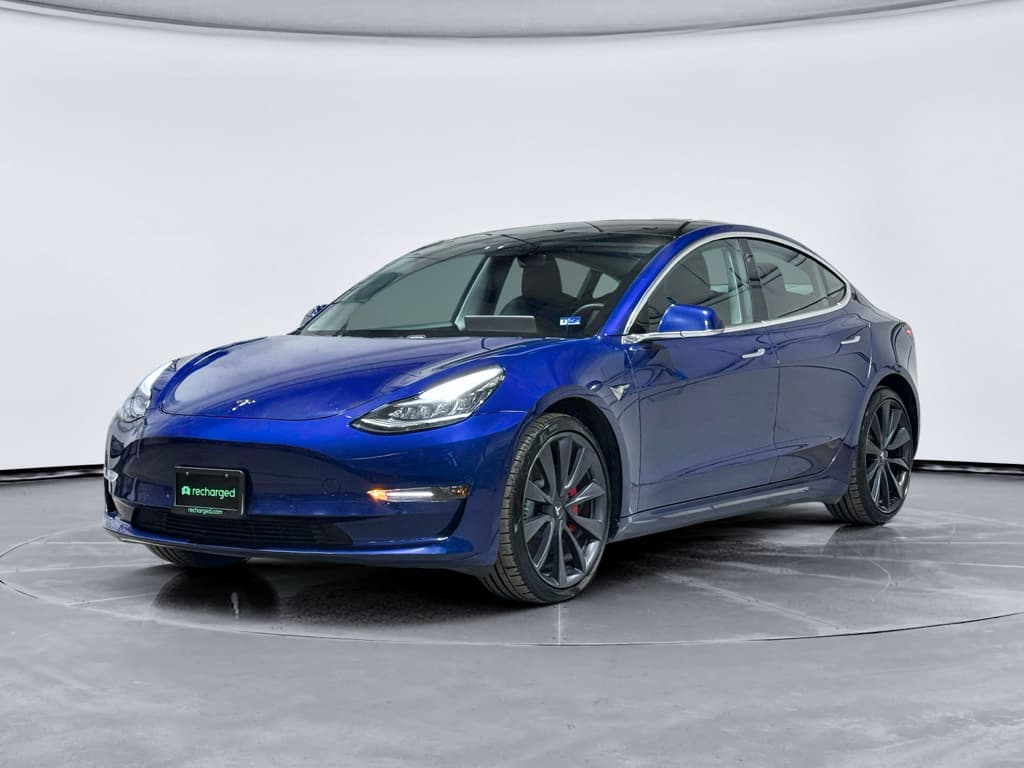
| Performance EV | Tesla Model 3 Performance, Model S Plaid, Hyundai Ioniq 5 N | $2,800–$4,000+ | Frequently 40%+ higher than an ordinary gas sedan |
Use this table as a comparison point when you start collecting quotes for specific cars you’re considering.
State‑by‑state variation is huge
Why electric car insurance is still often higher than gas
Four big reasons EVs remain pricier to insure
The gap is shrinking, but these fundamentals still matter in 2026.
1. Expensive battery packs
The traction battery often represents 30–40% of an EV’s value. In a crash, even relatively minor damage to the battery enclosure can push a vehicle into total‑loss territory, because insurers have to consider both safety and the cost of replacement.
2. Higher, more complex repair costs
Repairing an EV has historically cost significantly more than repairing a comparable gas car. Shops need special training, safety procedures, and equipment for high‑voltage systems. That translates into higher labor rates and longer repair times, both of which show up in premiums.
3. Advanced tech and sensors
EVs skew newer, and newer cars are packed with cameras, radar units, and complex plastic bumpers. A low‑speed fender‑bender can easily damage thousands of dollars of hardware. Even if this tech helps prevent crashes, when it does get damaged, the bill is steep.
4. Limited but growing claims history
Insurers price risk using historical data. Gas cars have a century of it; EVs don’t. As more EV miles are driven and more repairs are completed, insurers are gradually getting comfortable reducing the “uncertainty padding” in EV premiums, but we’re not fully there yet in 2026.
Watch the repair story, not just the sticker price
Model‑by‑model differences: which EVs are expensive to insure?
In 2026, insurance pricing varies dramatically by EV model. Compact, lower‑power cars with strong safety records tend to be cheapest; powerful performance EVs and very high‑dollar luxury models tend to be most expensive.
Examples of cheaper vs pricier EVs to insure in 2026
These examples illustrate patterns you’re likely to see when you compare quotes by model. Always verify with current quotes for your own profile.
| Relative insurance cost | Typical models | Why they land here |
|---|---|---|
| Generally cheaper among EVs | Chevy Bolt EUV, Nissan Leaf, Hyundai Kona Electric, older Tesla Model 3 RWD | Lower purchase prices, modest power, simpler wheels/tires, and strong safety results make them less expensive to put back on the road. |
| Middle of the pack | Hyundai Ioniq 5, Kia EV6, Ford Mustang Mach‑E, VW ID.4 | Crossover body style and higher values raise premiums, but broad availability of parts and strong safety features keep them from being outliers. |
| Often expensive | Tesla Model Y Performance, Model 3 Performance, luxury EV sedans and SUVs | Higher power, pricier wheels and tires, and luxury‑grade parts push both collision and comprehensive premiums up. |
| Very expensive outliers | High‑dollar luxury and performance EVs, low‑volume imports | Six‑figure price tags, carbon‑fiber or aluminum body parts, and limited parts pipelines can send premiums into the stratosphere. |
Soft‑riding compacts and mainstream crossovers usually beat large luxury or performance EVs on insurance cost.
Use model‑specific data when you can
10 factors that actually set your EV insurance rate
Insurers don’t care that a car is an EV in isolation. They care about risk. These are the levers they pull, many of which you can influence, especially if you’re still deciding which EV to buy.
- Your garaging ZIP code (claim frequency, repair costs, theft, weather, litigation environment).
- Vehicle price and repair profile (purchase price, parts and labor costs, typical severity of claims).
- Battery and high‑voltage system risk (likelihood of total loss after a crash or flood).
- Your driving record (at‑fault accidents, speeding tickets, DUIs).
- Annual mileage and commute pattern (short local trips vs long highway drives).
- Driver profile (age, years licensed, insurance history, in some states credit‑based insurance score).
- Coverage levels (liability limits, comprehensive/collision deductibles, extras like rental reimbursement).
- Usage type (personal vs rideshare or delivery, business use, high‑mileage commuting).
- Safety and telematics data (advanced driver‑assistance, whether you opt into usage‑based programs).
- Garaging situation (locked garage vs street parking, theft/vandalism trends for that model, especially relevant for popular EVs).
Don’t skimp on liability to “offset” EV costs
9 proven ways to lower your electric car insurance in 2026
You can’t change national repair costs or parts tariffs, but you can change how risky you look to an insurer, and which insurer you choose. Here are practical tactics that work in 2026.
EV insurance savings playbook
1. Shop quotes before you pick the car
Different insurers price EVs very differently. Get tentative quotes for a few models you’re considering, including trims, <em>before</em> you sign a purchase contract. You may find that one EV costs $400/year less to insure than another you like just as much.
2. Compare at least three insurers
Loyalty often doesn’t pay. Because EV pricing models are still evolving, switching from a legacy carrier to an EV‑savvy insurer can sometimes save 15–20% with identical coverage.
3. Choose trims and wheels carefully
Bigger wheels, performance tires, and high‑output versions (Performance, Plaid, N, etc.) almost always drive premiums up. If cost matters more than the last 0.5 second to 60 mph, stick with mainstream trims.
4. Adjust deductibles thoughtfully
Raising your comprehensive and collision deductibles from, say, $500 to $1,000 can noticeably cut premiums. Just be sure you have that extra cash in an emergency fund before you dial them up.
5. Use telematics and safe‑driver programs
Many insurers now offer usage‑based discounts that draw data directly from your EV or a smartphone app. If you drive mostly during the day, avoid hard braking, and keep speeds reasonable, these programs can be a major win.
6. Stack every legitimate discount
Bundling home and auto, installing an approved home charger, completing a defensive‑driving course, or belonging to certain organizations can all knock your EV premium lower. Ask each insurer to walk you through all eligible discounts.
7. Mind your annual mileage
If your EV is mostly a local commuter and you drive under 7,500–10,000 miles per year, make sure your quote reflects that. Over‑estimating mileage can put you in a higher‑risk bucket for no reason.
8. Park smart
A locked garage in a low‑crime neighborhood is a very different risk profile than street parking downtown. If you move or change parking situations, rerun quotes, you might be pleasantly surprised.
9. Re‑shop at renewal, not just once
The EV insurance market is shifting quickly. A carrier that was most expensive in 2024 might be competitive by 2026. Put a reminder on the calendar to re‑shop every 12–24 months.
Coordinate financing and insurance
Ready to find your next EV?
Browse VehiclesSpecial insurance considerations for used EVs
Used EVs are where the value equation often looks best: lower purchase price, lower depreciation, but many of the same fuel and maintenance savings. Insurance can also be more manageable, if you pay attention to a few used‑specific issues.
Battery health and replacement cost
On a used EV, insurers still care what it would cost to put the vehicle back to pre‑loss condition. A degraded battery that’s well out of warranty may tempt an insurer to total the car after damage that wouldn’t total a newer EV. That might reduce their payout obligation but also complicate your claim.
When you’re shopping used, a verified battery health report, like the Recharged Score every vehicle on our marketplace comes with, gives you a clearer picture of how the pack is aging and what a future claim might look like.
Older safety tech and repair networks
Earlier EVs sometimes lack the latest crash‑avoidance tech, which can increase the likelihood of certain accidents. On the flip side, some older models now have more affordable parts, since salvage vehicles and aftermarket suppliers are more common.
Ask your agent how a specific used EV model tends to fare in their claims data. You may find that a three‑year‑old mainstream EV is a sweet spot for insurance cost versus purchase price.
Leverage the Recharged Score
Battery insurance, GAP coverage, and other add‑ons
Beyond standard comprehensive and collision coverage, you’ll see several EV‑specific insurance options in 2026. Some can be worthwhile, others are easy to skip once you understand what you already have.
Common EV‑specific coverages and when they’re useful
Match the product to your actual risk, not to the sales pitch.
Battery replacement insurance
Standalone policies or endorsements that kick in if your battery capacity drops below a set threshold (often around 70%) outside the factory warranty. These can run a few hundred dollars per year.
Best for: High‑mileage drivers who expect to keep an EV long past its warranty, or buyers of older EVs with short remaining coverage.
GAP (Guaranteed Asset Protection)
If your EV is totaled while you owe more than it’s worth, GAP covers the “gap” between your loan/lease balance and the insurer’s payout.
Best for: Low‑down‑payment buyers, longer loans, and higher‑priced EVs that can depreciate quickly in the early years.
Charging equipment coverage
Portable charging cables and wallboxes are typically covered under comprehensive or homeowners insurance, but limits and claim rules vary.
Best for: Renters or frequent travelers who carry pricey portable chargers and want to confirm replacement coverage.
Avoid overlapping protection
Where EV insurance fits into total ownership cost
Even if your electric car costs a bit more to insure than a comparable gas vehicle, it often wins on total cost once you factor in fuel and maintenance. Recent ownership studies show EV drivers can cut fuel costs roughly in half versus gas, and enjoy lower routine maintenance because there are no oil changes, exhaust systems, or complex multi‑gear transmissions to service.
How insurance fits into annual EV vs gas ownership costs
Illustrative example for a mainstream compact crossover, 15,000 miles/year. Numbers rounded and approximate; your real‑world results will vary by model and location.
| Annual cost component | Typical EV | Typical gas crossover | What changes with an EV |
|---|---|---|---|
| Fuel/energy | Lower (electricity) | Higher (gasoline) | Nighttime home charging can drastically cut per‑mile energy cost compared with gasoline. |
| Maintenance/repairs (routine) | Lower | Higher | EVs eliminate oil changes and many wear items, but tire costs can be similar or higher. |
| Full‑coverage insurance | Often higher | Lower | EV premiums can run 15–25% above similar gas vehicles, but the gap is narrowing. |
| Depreciation | Varies by model | Varies by model | Some EVs depreciate quickly, others hold value well, especially with long battery warranties. |
Insurance is just one line item; fuel and maintenance savings can more than offset a slightly higher premium.
Think in terms of “all‑in” monthly cost
Electric car insurance 2026: FAQ
Frequently asked questions about 2026 EV insurance rates
Bottom line: how to approach EV insurance in 2026
When you peel back the headlines, electric car insurance rates in 2026 are less mysterious than they look. EVs cost more to insure primarily because they cost more to repair, especially when batteries and advanced driver‑assistance hardware are involved. But as repair networks mature and insurers collect better data, the extra EV premium is already starting to level off, and in some segments, shrink.
Your job as a shopper is to control what you can. That means choosing the right model and trim, getting multiple quotes before you buy, setting deductibles and coverage wisely, and revisiting the market at renewal instead of auto‑renewing forever. If you’re considering a used EV, pairing a Recharged Score battery health report with a few targeted insurance quotes will give you a far clearer picture of your true monthly cost than any national average can.
And if you want help threading all of this together, vehicle, financing, insurance expectations, and long‑term ownership costs, Recharged’s EV‑specialist team is built for that exact conversation. The right car, at the right price, with the right coverage can make 2026 the year an electric vehicle finally fits comfortably into your budget.