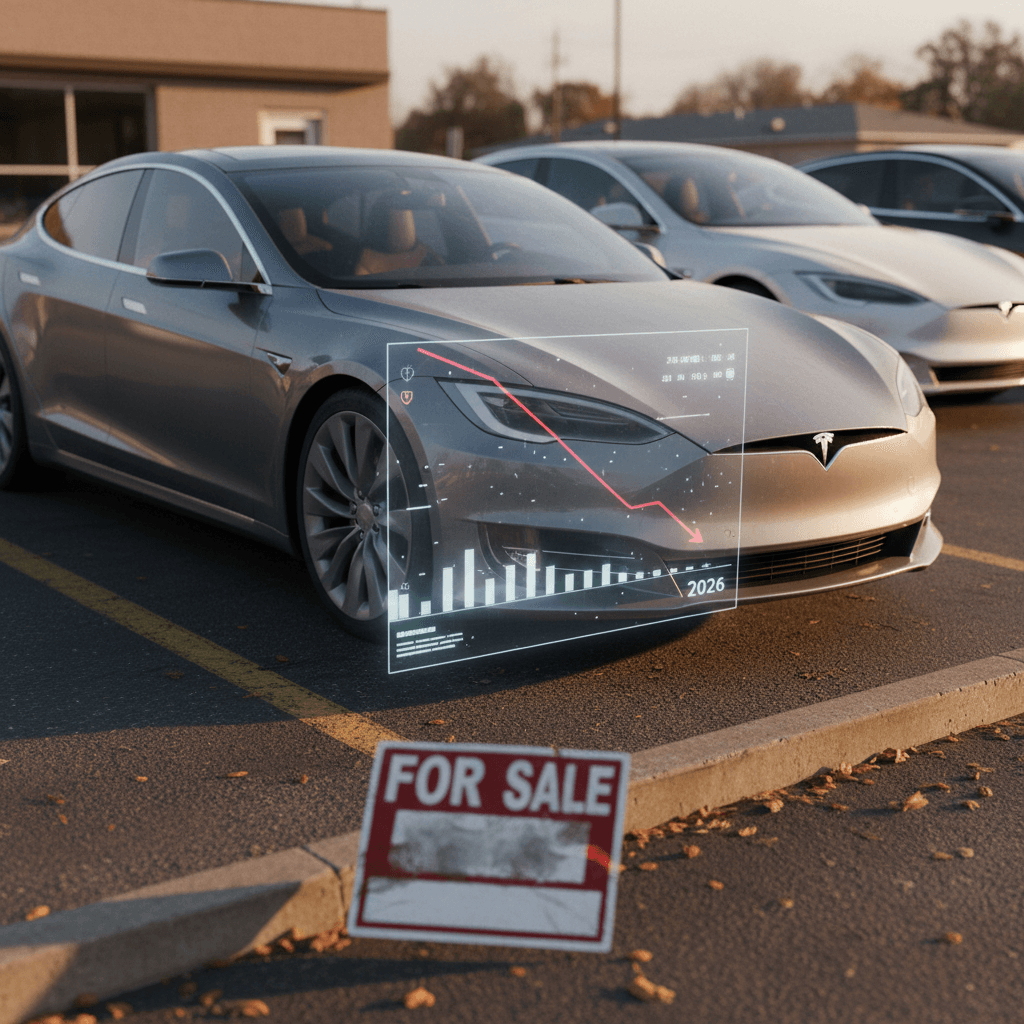
Electric car depreciation rates in 2026 are telling a very different story than they did just a few years ago. After a rapid run-up in prices during the pandemic and an equally sharp correction in 2023–2025, used EV values have largely reset. For shoppers, that means some of the best electric-car deals on the market right now. For current owners, it raises a fair question: **how much value will my EV lose from here, and what can I do about it?**
Snapshot: 2026 EV depreciation landscape
Why EV depreciation looks different in 2026
When you talk about electric car depreciation in 2026, you’re really talking about two markets layered on top of each other. First, there’s the **hangover from the pandemic years**, when supply shortages, Tesla price cuts, and rich federal tax credits pushed EV values up and then back down in a hurry. Second, there’s the **new normal** the industry is settling into now that incentives have changed and inventories look more like a traditional used‑car market.
Electric car depreciation signals heading into 2026
For shoppers, that means **depreciation has already done a lot of the dirty work for you**. Many 3–5‑year‑old EVs that were out of reach in 2022 are now priced within striking distance of comparable gas models. For current owners, it means the steepest drops are often already in the rear‑view mirror, especially if your car is past its first three years on the road.
How fast electric cars depreciate in 2026
There’s no single electric car depreciation rate in 2026, but you can talk about **typical patterns**. Looking across auction data, retail listings, and multiple third‑party studies, here’s the rough shape of depreciation many mainstream EVs are following today if bought new:
Typical electric car depreciation curve (2026 snapshot)
Approximate cumulative loss from original MSRP for many popular EVs bought new and kept in average condition.
| Vehicle age | Typical cumulative EV depreciation | What that often looks like in dollars* |
|---|---|---|
| 1 year | 15–25% | $6,000–$10,000 off a $40k–$45k EV |
| 3 years | 35–45% | $14,000–$20,000 off that same $40k–$45k EV |
| 5 years | 55–65% | $22,000–$29,000 off original price |
| 8 years | 65–75% | $26,000–$33,000 off original price |
These ranges are directional averages; individual vehicles can sit above or below them based on brand, battery health, mileage, and market swings.
Directional, not a price quote
The critical nuance for 2026: a lot of the painful depreciation happened **up front** during the 2023–2025 price reset. If you’re buying a 3–5‑year‑old EV now, you’re often stepping in after the big slide, not before it.
EV vs gas depreciation in 2026
During the worst of the correction, headline after headline declared that EVs were **“losing value faster than anything else on the road.”** There was truth to that, especially for premium models, but the gap is narrower as of 2026, and in some cases EVs have swung back toward parity with gas cars.
Where EV depreciation is still steeper
- Luxury and early‑generation EVs (Jaguar I‑PACE, older premium sedans) often show 65–70% depreciation at five years.
- Models hit by big new‑car price cuts, notably some Teslas after 2022, saw used values adjust down in a hurry.
- Short‑range or niche models with limited charging appeal can struggle on the used market.
Where EVs now look similar, or better
- Mainstream crossovers like Tesla Model Y and some Korean SUVs often track near popular gas SUVs over five years.
- High‑volume compacts such as the Tesla Model 3 typically depreciate less than many non‑Tesla EVs.
- As used prices fall and tax credits expire, **total ownership cost gaps vs gas cars have narrowed sharply**.
Total cost still favors EVs for many drivers
Model-by-model electric car depreciation patterns
Drill down into individual nameplates and the spread in electric car depreciation rates becomes obvious. Some EVs have stabilized and behave like mainstream crossovers. Others still lose value at a pace that makes accountants wince, but creates ripe opportunities for used‑EV shoppers.
How common EVs are holding value by 2026
Broad patterns for popular models, your exact numbers will vary by trim, mileage, and condition.
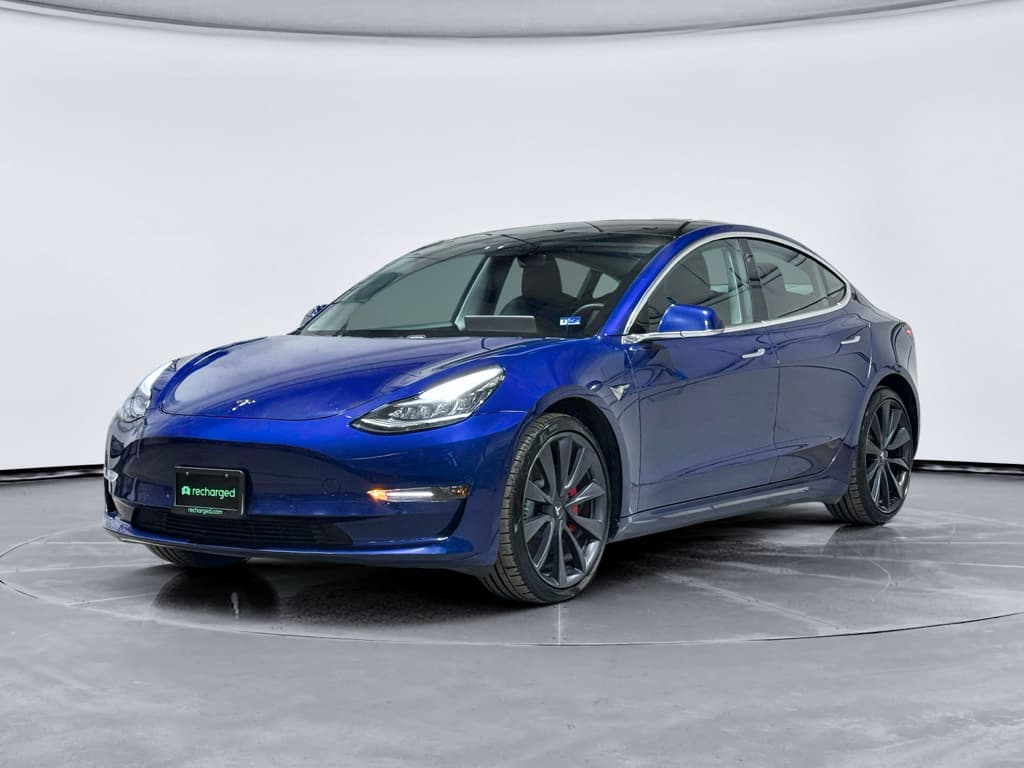
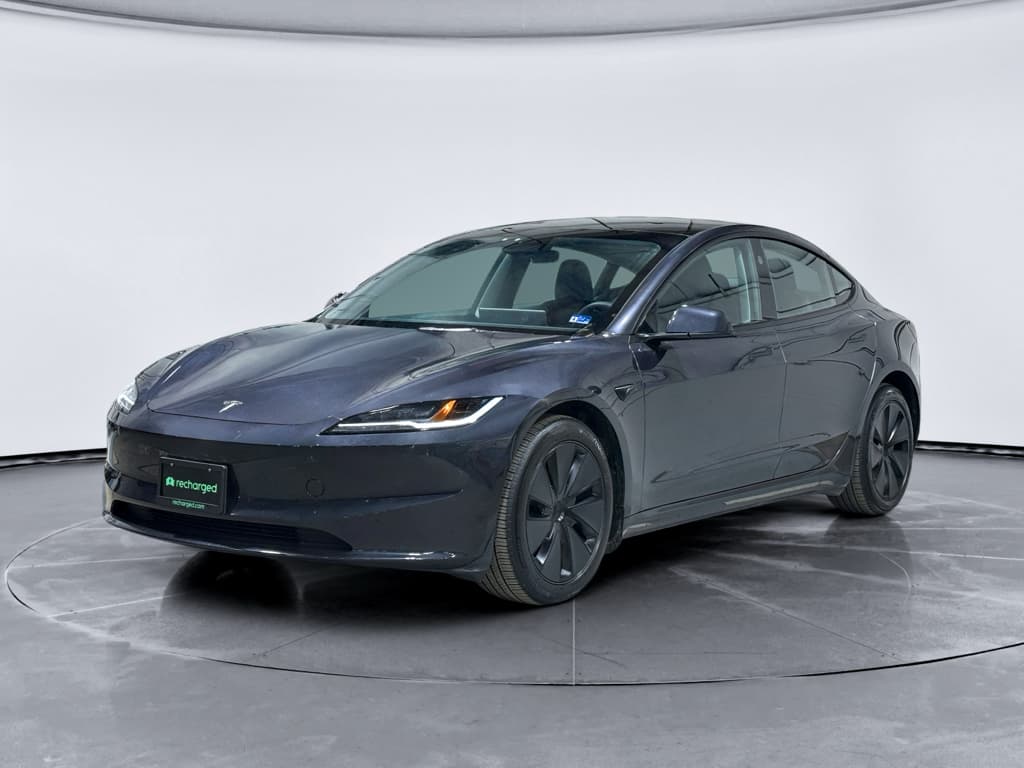
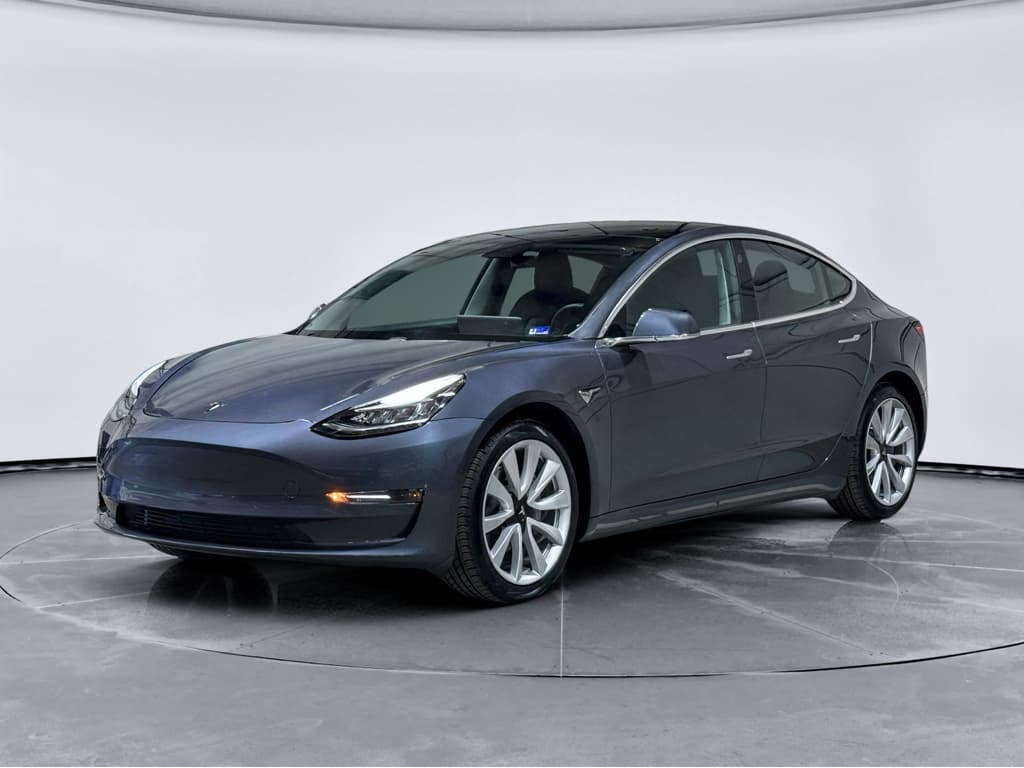
Tesla Model 3
Studies and resale tools typically show the Model 3 as one of the best EVs for value retention.
- 5‑year depreciation often in the low‑60% range or better from original MSRP.
- Used buyers benefit from big 2022–2024 price resets already being baked in.
- Battery health and software history heavily influence actual numbers.
Tesla Model Y
The Model Y has become the default EV family crossover, and its depreciation is starting to look like a popular gas SUV.
- Some 5‑year studies put depreciation around 60–61%.
- Still better than many non‑Tesla EVs that lose closer to two‑thirds of their value.
- Demand for practical crossovers props up used prices.
Luxury & niche EVs
Premium and low‑volume EVs remain depreciation outliers.
- Examples like early Jaguar I‑PACE and large luxury sedans often show 70%+ loss by year five.
- High MSRPs and small used‑buyer pools amplify the drop.
- Deep discounts can make them compelling used buys, if you understand battery and warranty specifics.
Use model‑specific guides, not just averages
What changed from 2023–2025 to reset EV values
To understand electric car depreciation rates in 2026, you have to rewind to the whiplash of 2023–2025. Several forces hit the EV market nearly at once, and the impact is still showing up in today’s trade‑in numbers.
- **Automaker price cuts.** Starting in 2022, Tesla and a handful of other brands cut new‑car prices multiple times. That instantly repriced nearly every comparable used EV down the chain.
- **Tax credit changes.** Generous federal EV incentives, up to $7,500 on new and $4,000 on qualifying used cars, helped support values through late 2024. The phase‑out of those credits in the second half of 2025 removed an artificial floor under many new‑EV transaction prices, which in turn pressured used values.
- **Inventory catch‑up.** After supply shortages during the pandemic, production finally caught up. Lots that had been short on vehicles were suddenly well‑stocked with both new and used EVs, easing earlier pricing pressure.
- **Consumer hesitancy.** Some shoppers stepped back amid charging‑infrastructure questions and high interest rates. That softened demand for new EVs just as more off‑lease and trade‑in vehicles hit the lanes.
By early 2026, the effect of all that is visible in the data: **used EV prices have fallen enough that they sit much closer to gas cars than they did at the market’s peak**, and depreciation curves for current‑generation models are starting to look more predictable again.
Key factors that drive electric car depreciation
Strip away the market noise, and electric car depreciation in 2026 still follows a familiar rule: buyers pay more for vehicles they trust to be useful, cheap to run, and easy to resell. For EVs, that usually boils down to six forces.
Six forces that shape EV depreciation in 2026
Understanding these can help you predict which electric cars will hold value, and which will become bargains.
1. Battery health
A healthy pack is the single biggest driver of EV value.
- Buyers watch **state‑of‑health (SoH)** readings closely.
- Fast‑charging‑heavy histories can raise eyebrows.
- Independent diagnostics like the Recharged Score make or break confidence.
2. Range & efficiency
Real‑world range matters more than brochure numbers.
- Sub‑200‑mile EVs depreciate faster unless they’re very cheap.
- Efficient models with 250–300+ miles remain easier to resell.
3. Charging experience
Access to fast, reliable charging supports resale.
- Good compatibility with major DC fast‑charging networks is a plus.
- Upgrades to the North American Charging Standard (NACS) can boost appeal.
4. Warranty & support
Factory battery warranties and brand reputation still carry weight.
- Remaining battery and drive‑unit coverage helps protect value.
- Brands with shrinking dealer or service footprints can see softer resale.
5. Brand & model reputation
Not all EV badges are created equal.
- Top‑selling models with strong owner reviews tend to depreciate less.
- One or two highly publicized recalls can move a whole model’s curve.
6. Incentives & macroeconomy
Interest rates and tax rules can shift values overnight.
- Loss of tax credits in late 2025 reset effective new‑EV pricing.
- Higher borrowing costs push some buyers toward older, cheaper EVs.
Why generic “trade‑in calculators” can mislead
How to protect your EV’s resale value
You can’t control the macroeconomy or federal tax rules, but you have a surprising amount of influence over how your specific EV depreciates from here. A few ownership habits consistently show up in higher trade‑in offers and stronger private‑party sale prices.
Practical ways to slow your EV’s depreciation
Charge gently when you can
Rely on Level 2 home charging for daily use and save DC fast charging for road trips and true necessity. Cars with light fast‑charging histories and healthy state‑of‑health numbers tend to command stronger prices.
Stay on top of software updates
Apply manufacturer updates that improve range, charging logic, and safety features. In a software‑defined vehicle, **out‑of‑date firmware can look like neglect** to savvy buyers.
Document maintenance and repairs
Keep digital or paper records of tire rotations, brake service, and any warranty work. A clean, well‑documented history, including any high‑voltage system work, supports higher offers.
Protect the interior and screens
Touchscreens, seat wear, and interior trim play an outsized role in perceived value. Use screen protectors or cases where appropriate and address cosmetic issues early.
Mind mileage and usage profile
EVs tolerate city driving well, but high annual mileage still accelerates depreciation. If you have a multi‑car household, strategically split miles so your EV doesn’t rack up unnecessary long‑commute wear.
Plan major updates with resale in mind
If your model offers **paid hardware upgrades** (for example, faster onboard charging or driver‑assist packages), consider whether they’re likely to boost resale enough in your market before you buy in.
How Recharged helps here
Ready to find your next EV?
Browse VehiclesBuying a used EV in 2026: Turning depreciation into a deal
If you’re entering the market in 2026, electric car depreciation is more friend than foe. The same price reset that stung early adopters has opened the door for shoppers who wanted an EV but balked at 2022 pricing.

Used EV buyer checklist for 2026
1. Start with battery health, not just miles
Ask for a recent battery‑health report or telematics‑based score, not just a dash‑displayed range estimate. On Recharged, the Recharged Score gives you a VIN‑specific view into pack condition and charging patterns.
2. Verify charging compatibility and costs
Confirm which connector the car uses, whether adapters are included, and how it performs on the networks you’ll rely on. A deal on paper can dissolve if fast‑charging is slow or unreliable in your area.
3. Map remaining warranty coverage
Check the in‑service date and mileage against the manufacturer’s battery and powertrain warranties. An EV with several years of battery coverage left often deserves a pricing premium over one that’s nearly out of protection.
4. Compare total cost of ownership
Look beyond sticker price. Factor in energy costs, insurance, expected maintenance, and your local electricity rates. In many regions, a used EV penciled out in 2024 or 2025 still looks attractive in 2026 despite tax‑credit changes.
5. Price against both EV and gas alternatives
Don’t just compare an EV to another EV. Put it side‑by‑side with a similar gas crossover or sedan. Depreciation has brought many used EVs **within a few thousand dollars** of comparable gas cars, especially at the 3–5‑year mark.
6. Use a transparent marketplace
Traditional dealers and classifieds vary widely in how they present EV condition. A purpose‑built EV marketplace like Recharged, backed by diagnostics, financing options, and nationwide delivery, can dramatically reduce the guesswork.
Shopping beyond your ZIP code can pay
Selling or trading in your EV in 2026
If you’re on the other side of the desk, looking to sell or trade an EV, the 2026 landscape rewards owners who come prepared. The buyers you’ll meet, whether retail or wholesale, are fixated on risk: battery risk, technology‑obsolescence risk, and demand risk for your particular model.
Trading in or taking an instant offer
- Fast and convenient, but base offers may assume a worst‑case battery profile.
- Having a third‑party battery report in hand can justify counteroffers.
- Platforms like Recharged can provide an instant offer or consignment option built around actual diagnostics, not just book values.
Consigning or selling directly
- Can capture more of your car’s remaining value if it’s a desirable spec with strong pack health.
- Requires more patience and paperwork if you go it alone.
- EV‑focused consignment services help handle listing, test‑drives, and financing while marketing the battery story that generic dealers might miss.
Leaning on Recharged when you sell
FAQ: Electric car depreciation rates in 2026
Common questions about 2026 EV depreciation
Bottom line on 2026 electric car depreciation
Electric car depreciation rates in 2026 reflect a market that has finally come back down to earth. Early adopters and pandemic‑era buyers absorbed the brunt of the correction; today’s shoppers are stepping into used EVs after much of that adjustment has already happened. In the mainstream part of the market, many battery‑electric vehicles now show five‑year depreciation that looks a lot like comparable gas cars, just with a different mix of risks and rewards.
For owners, the takeaway is straightforward: **battery health, documented care, and timing matter more than ever**. For shoppers, depreciation is no longer a warning sign so much as an opportunity to buy into proven EVs at prices that finally make sense. Whether you’re evaluating your current car’s next move or scanning nationwide listings for a used EV, Recharged’s battery‑health diagnostics, fair‑market pricing tools, financing, and trade‑in options are built to help you navigate this new, more rational era of electric‑car values.