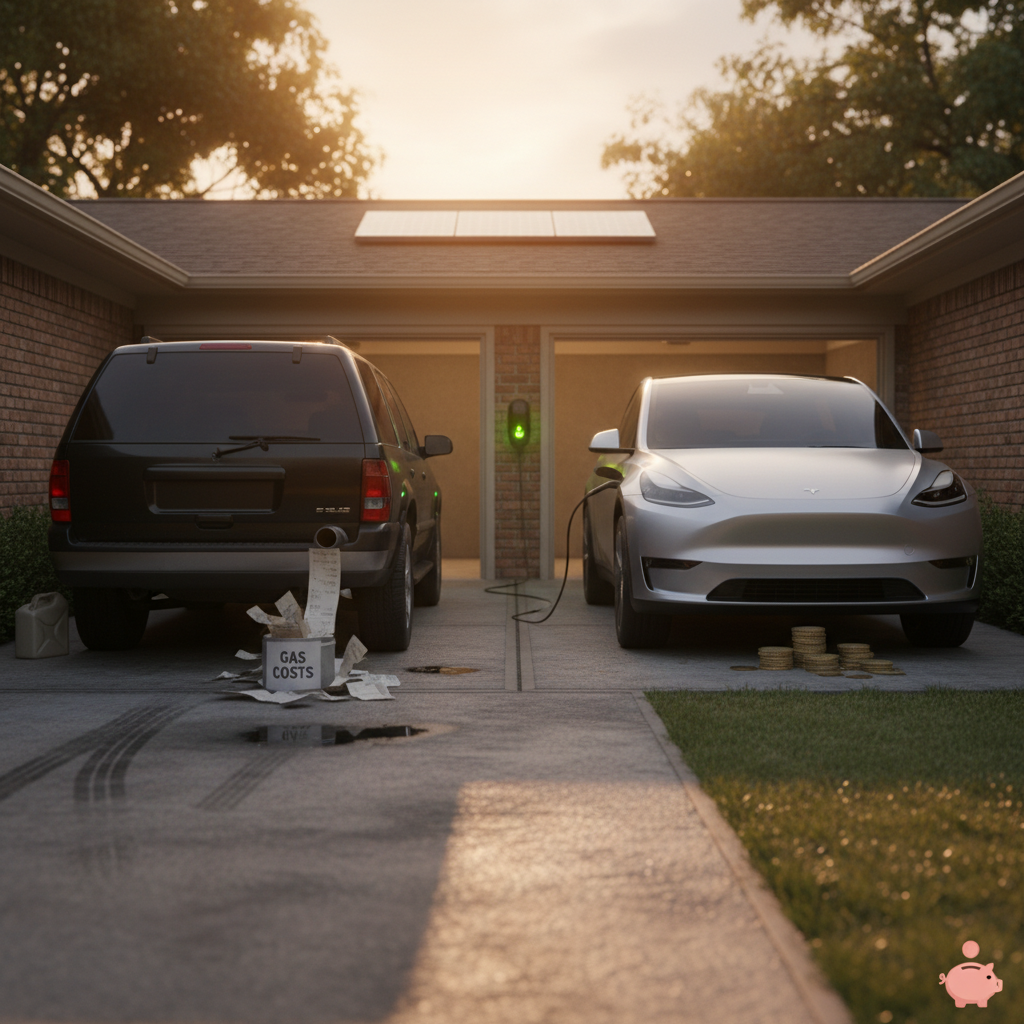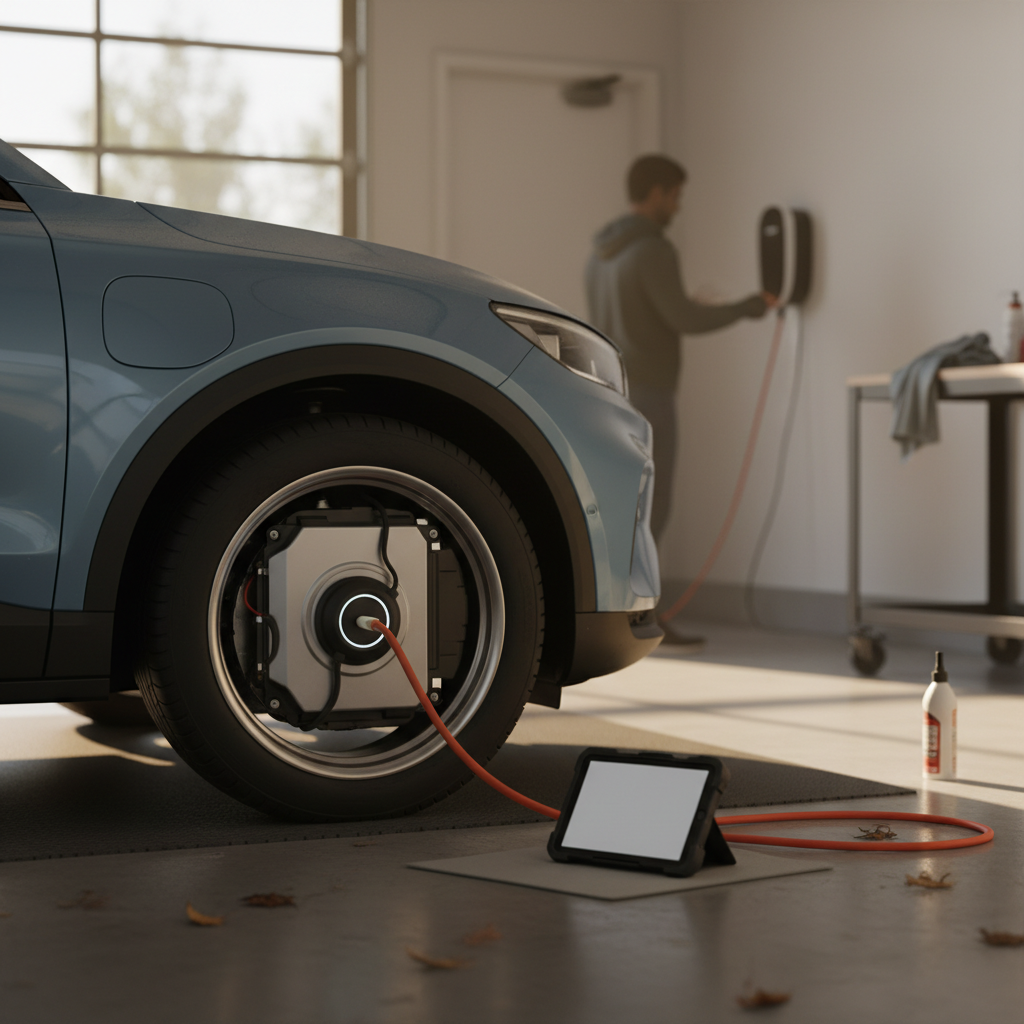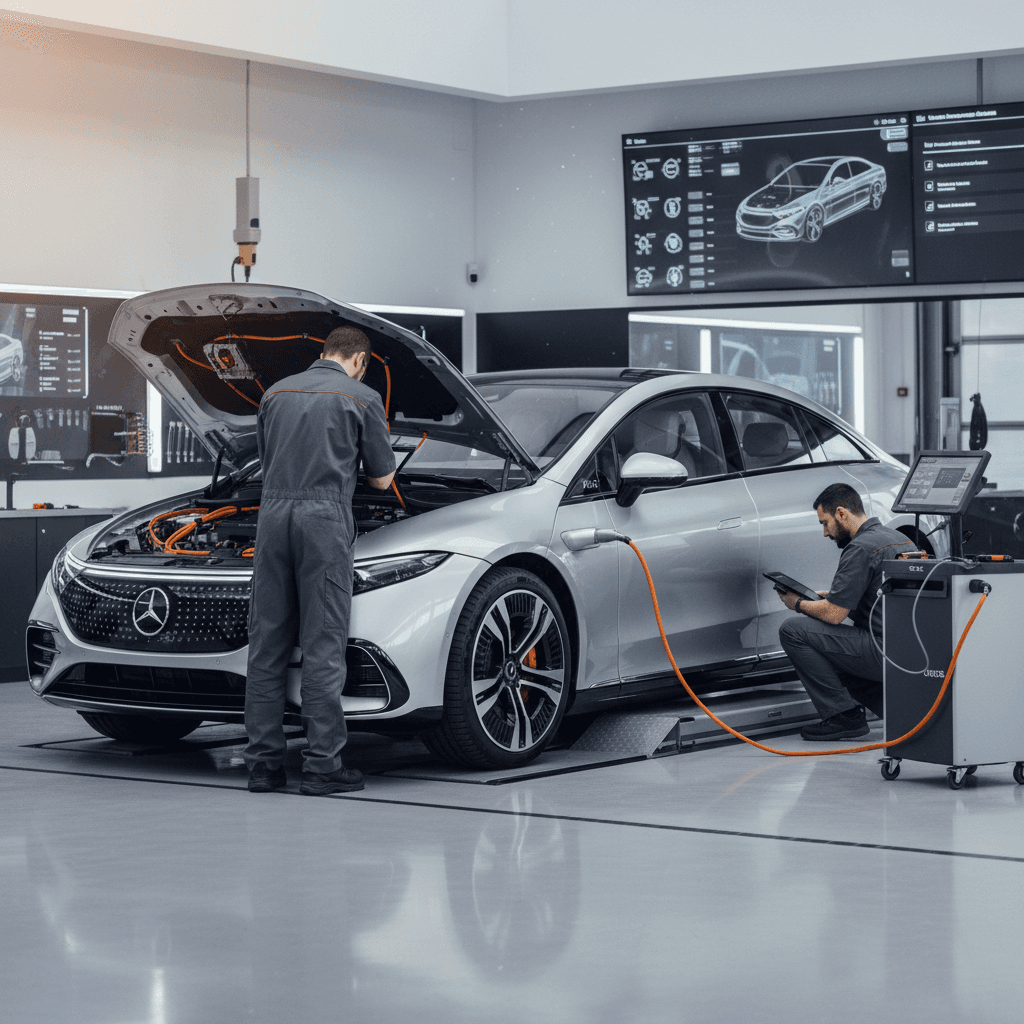
If you’re driving or shopping for a VW ID.4, you’ve probably heard that EVs need far less maintenance than gas SUVs. That’s true, but the VW ID.4 maintenance schedule still matters, especially for brake fluid, cabin filters, and software and battery checks. This guide breaks down the official schedule in plain English so you know what’s really required and what might just be a dealership upsell.
Model years & regions matter
How VW ID.4 maintenance works
Volkswagen structures the ID.4 maintenance schedule as a series of recurring mileage and time-based checks. In North America, most ID.4 models follow a pattern of a first visit at 10,000 miles or 1 year, whichever comes first, and then regular follow-ups at similar intervals. While traditional items like engine oil and spark plugs disappear on an EV, Volkswagen still expects periodic inspections, software checks, and a few fluid and filter replacements over time.
Why an ID.4 needs less maintenance than a gas VW
Fewer moving parts, but still a real schedule to follow
No oil changes
Regenerative braking
Software over service
Check your digital maintenance schedule
VW ID.4 maintenance schedule by mileage and time
Volkswagen’s documentation and dealer sites present the VW ID.4 maintenance schedule slightly differently, but they all roughly follow this pattern for U.S. models from 2021 onward. Think of it as a layered checklist: each bigger milestone includes the smaller checks that came before it.
Typical VW ID.4 maintenance schedule (U.S., 2021+)
Always confirm with your specific maintenance booklet, but this table reflects what most U.S. ID.4 owners will see.
| Mileage / Time | What’s due (high level) | Notes |
|---|---|---|
| 10,000 miles / 1 year | Battery and safety check, tire rotation, basic inspection | Often the first free service on new U.S. ID.4s. |
| 20,000 miles / 2 years | Repeat 10K checks, more detailed EV system inspection | Dealer will often bundle software updates and recalls. |
| 30,000 miles / 3 years | Inspection-focused visit, tire rotation, general checks | Some dealers treat this like another 10K inspection. |
| 40,000 miles / 4 years | Add brake fluid replacement in many schedules | Brake fluid is typically due about every 3–4 years in practice. |
| 60,000 miles / ~6 years | Repeat brake fluid change, suspension & steering inspection | Good time to look closely at tires and cabin filter again. |
| Every 2 years (time-based) | Cabin air (dust & pollen) filter replacement | Even if you drive very little, the filter ages with time. |
Mileage intervals are "or time, whichever comes first."
Always go by “whichever comes first”
What happens at each ID.4 service visit
So what does the dealer actually do at each service? Here’s how a typical VW ID.4 maintenance schedule breaks down by visit. Exact line items vary a bit by dealership, but the core checks are consistent.
10,000 miles / 1 year
- Inspect high-voltage and 12-volt battery condition.
- Rotate tires and set pressures.
- Inspect brake pads and rotors, brake hoses, and lines.
- Check lights, wipers, horn, and safety systems.
- Scan for fault codes and apply available software updates.
- Reset the service reminder.
On many U.S. ID.4s, this first visit is included at no charge and consists mostly of inspections and software checks.
20,000 miles / 2 years
- Repeat all 10K-mile inspection items.
- More detailed check of the high-voltage battery and charging components.
- Inspect cooling system level and frost protection.
- Rotate tires again and re-check alignment if wear is uneven.
- Address any outstanding recalls or service campaigns.
Some dealers also schedule the first cabin air filter replacement about this time; others wait until the next time-based interval.
30,000–40,000 miles
- Repeat inspection, tire rotation, and software checks.
- Inspect suspension, steering joints, and underbody for corrosion or damage.
- Replace cabin air filter if not done earlier.
- At ~40,000 miles or 3–4 years, replace brake fluid in many U.S. schedules.
Your local climate matters here: high humidity or big temperature swings can justify earlier brake fluid changes.
60,000 miles and beyond
- Repeat all earlier inspection and rotation items.
- Change brake fluid again (typically every 3–4 years).
- Inspect high-voltage cabling, charge port, and power electronics.
- Check for suspension wear, particularly if you drive on rough roads.
- Evaluate tires and brakes for replacement based on actual wear.
By this point, tires and possibly the original cabin filter and wiper blades are common replacement items, while the battery and motor typically remain low-maintenance.
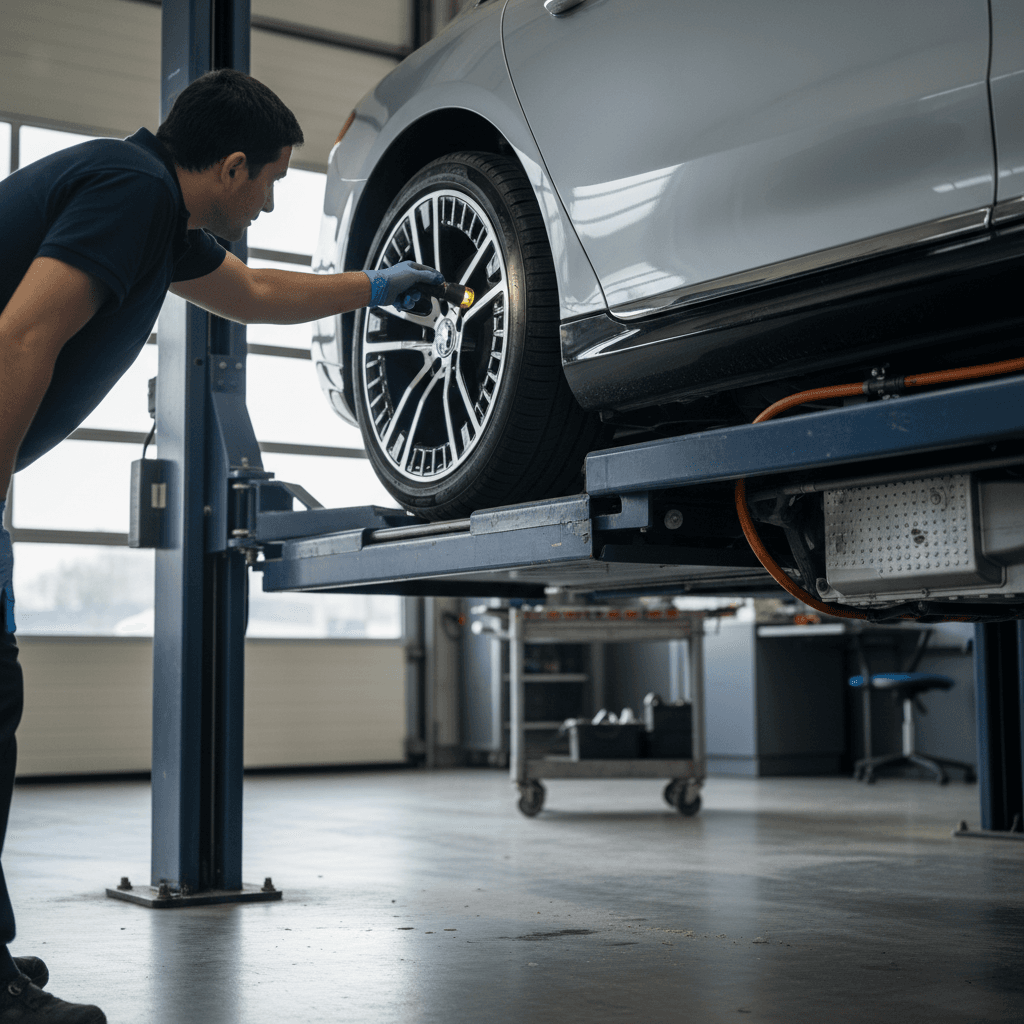
The big picture: mostly inspections
Time-based items: brake fluid and cabin filter
Two line items on the VW ID.4 maintenance schedule cause the most confusion: brake fluid and the cabin (dust and pollen) filter. Both are driven heavily by time, not just mileage.
Key time-based maintenance items on a VW ID.4
Even low-mileage drivers can’t ignore these forever
Brake fluid
Cabin air filter
Watch for overpriced add-ons
Battery and EV-specific maintenance
The high‑voltage battery in a VW ID.4 is sealed and designed to be mostly maintenance‑free. Your role is less about “servicing” the pack and more about driving and charging in ways that keep it healthy. Scheduled visits give VW technicians a chance to run diagnostics on the battery management system, cooling circuit, and high‑voltage components to catch issues early.
- Avoid leaving the battery at 0% or 100% for long periods; daily use in the middle of the state‑of‑charge range is easier on the pack.
- Whenever possible, use AC Level 2 charging for routine needs and reserve frequent DC fast charging for road trips.
- In very hot or very cold climates, use pre‑conditioning (where available) while plugged in so the car uses grid power to temper the battery and cabin.
- Keep the charge port clean and the cover closing properly; mention any sticky doors or bent pins at your next service visit.
- If your state offers annual EV inspections, use them as another checkpoint for tires, suspension, and underbody corrosion.
Use battery checks as a baseline, not a verdict
DIY vs. dealer: where you can save
Most ID.4 owners don’t need to stay married to the dealership forever. U.S. warranty law allows you to use independent shops or do basic work yourself, as long as maintenance is performed correctly and at the right intervals. The key is knowing which parts of the VW ID.4 maintenance schedule make sense to outsource and which are easy DIY wins.
Service tasks: dealer vs. independent vs. DIY
Dealer: software, recalls, and HV system checks
It usually makes sense to visit a VW dealer for scheduled software campaigns, high‑voltage system inspections, and any warranty repairs. They have factory tools and direct access to Volkswagen technical bulletins.
Independent shop: brake fluid service
Once you’re out of the complimentary maintenance window, a trusted independent shop can often perform brake fluid changes and basic inspections for less than a dealership, as long as they follow VW specifications and understand EV safety.
DIY or shop: cabin filter and wipers
The cabin filter sits behind an access panel and is a common DIY job for owners comfortable with basic tools. Wiper blades are also simple to replace at home, or at any tire or service shop, without affecting warranty coverage.
DIY: tire pressure and rotation (if equipped)
If you have access to a jack and stands and know safe lift points, rotating tires yourself can save money. Otherwise, most shops offer affordable rotation packages you can time with scheduled maintenance visits.
What not to DIY on an ID.4
Maintenance costs for a new or used VW ID.4
Compared with a similar gas-powered compact SUV, the VW ID.4’s scheduled maintenance costs are generally lower over the first several years. There’s no oil to change, far fewer filters, and no exhaust or transmission service. Your main recurring expenses are inspections, tire rotations, brake fluid changes, and tires themselves.
How VW ID.4 maintenance typically shakes out
If you’re comparing a used ID.4 against other used EVs or gas models, factor in where the car sits on the schedule. An ID.4 that’s just had a brake fluid change, new cabin filter, and fresh tires may cost more up front but save you several hundred dollars in the first two years of ownership.
Maintenance tips when buying a used ID.4
A clear paper trail is your best friend when you’re evaluating a used VW ID.4. You want to see that the previous owner followed the VW ID.4 maintenance schedule reasonably closely, especially on early inspections and time-based items like brake fluid and the cabin filter.
Used VW ID.4 maintenance checklist
1. Ask for service records
Look for invoices showing the 10K/20K services, any brake fluid changes (around 3–4 years), and cabin filter replacements. Gaps aren’t always a deal‑breaker, but a complete history builds confidence.
2. Verify open recalls and campaigns
Ask the seller or a VW dealer to confirm that software updates and safety campaigns are up to date. These are usually free and can significantly improve charging behavior and reliability.
3. Inspect tires and brakes
Have a shop measure tread depth and brake pad thickness. Uneven tire wear or heavily worn pads earlier than expected might point to alignment issues or hard use.
4. Test drive for noises and ride quality
On your drive, listen for clunks over bumps or excessive wind noise, which can indicate suspension or door seal issues that a generic inspection might miss.
5. Get an independent EV-focused inspection
Before you commit, consider a pre‑purchase inspection with an EV‑savvy shop, or shop through a marketplace that provides a documented battery and systems health check.
How Recharged fits in
Ready to find your next EV?
Browse VehiclesVW ID.4 maintenance FAQ
Frequently asked questions about the VW ID.4 maintenance schedule
The takeaway is simple: the VW ID.4 maintenance schedule is far lighter than what you’re used to with a gas SUV, but it isn’t zero. Stay on top of inspections, tire care, brake fluid, and cabin filters and your ID.4 should deliver many years of low‑drama driving. If you’re considering a used ID.4, looking at where it sits on that schedule, and whether someone has already taken care of those big items, can tell you a lot about its real‑world cost of ownership. And if you’d rather not decode that alone, Recharged can pair you with a used EV that comes with transparent battery health data and expert guidance on what’s due next.