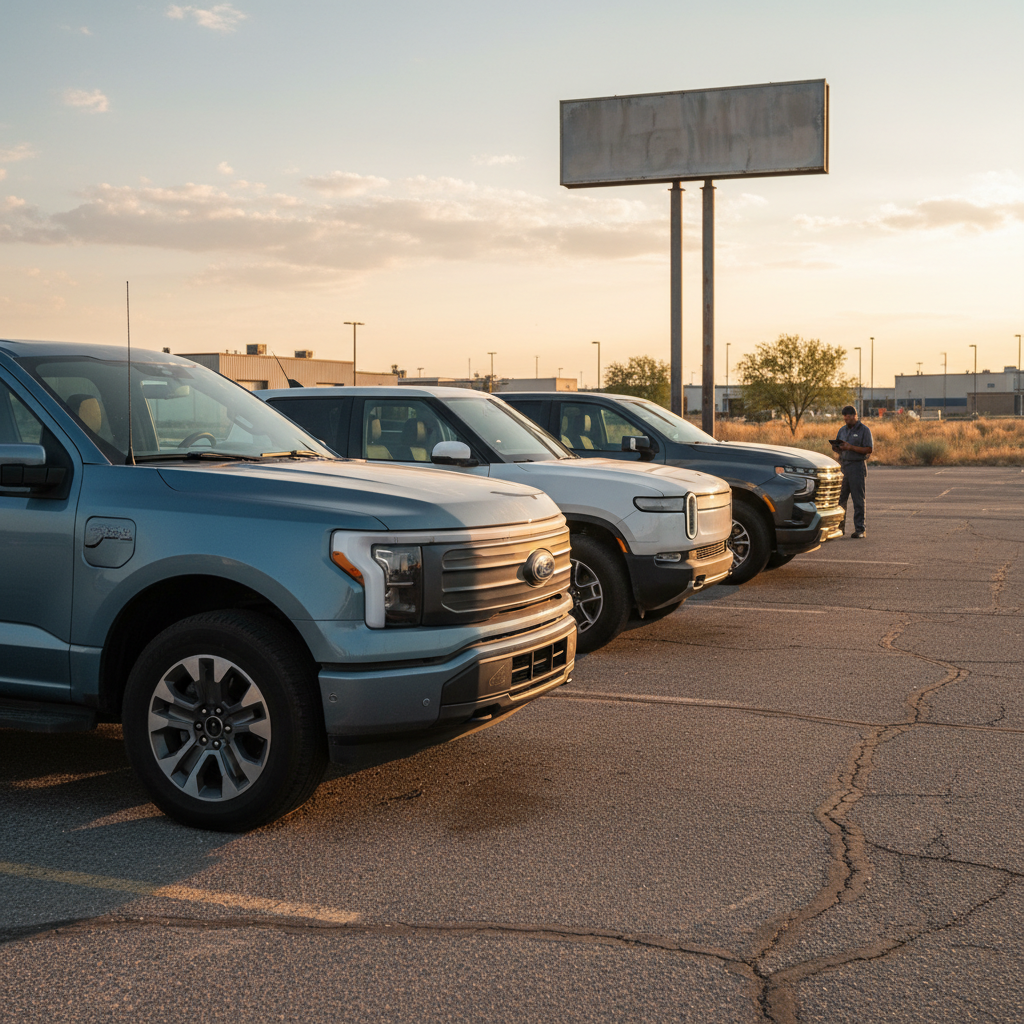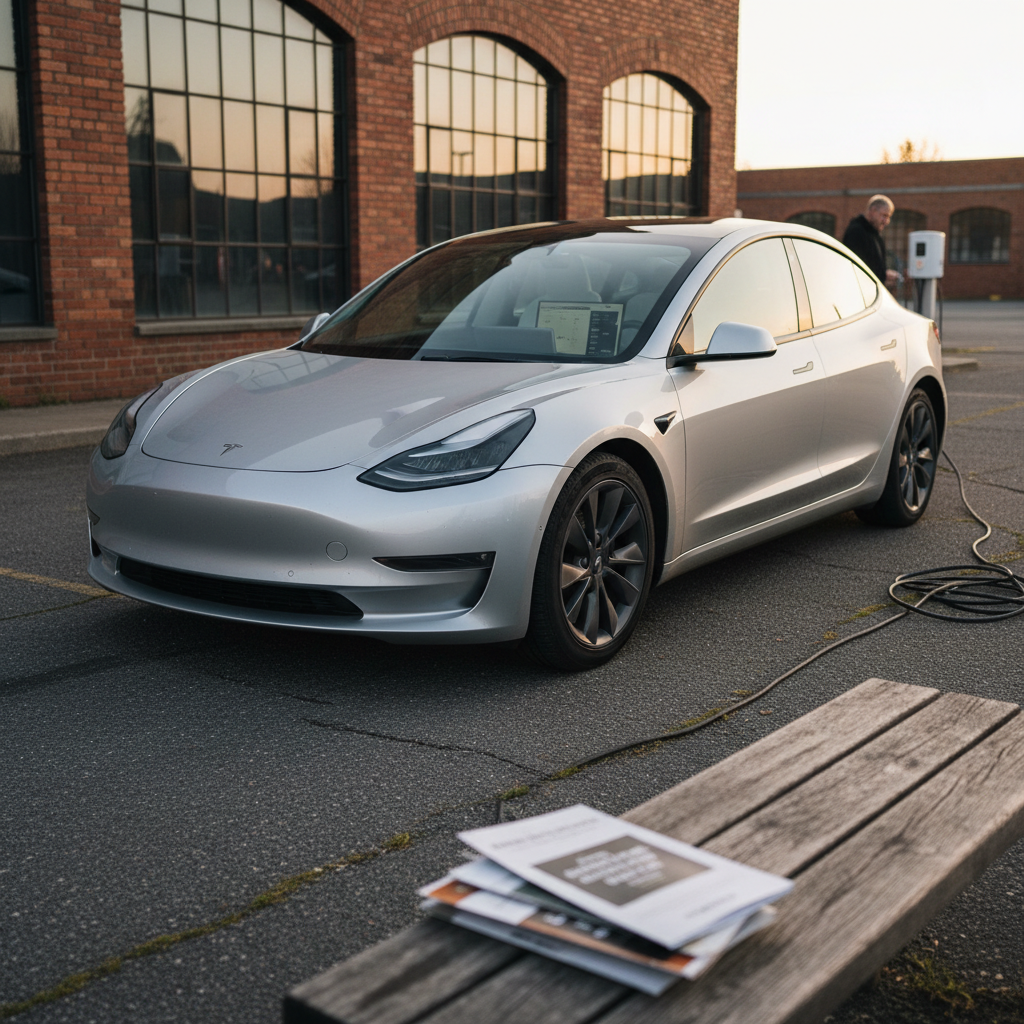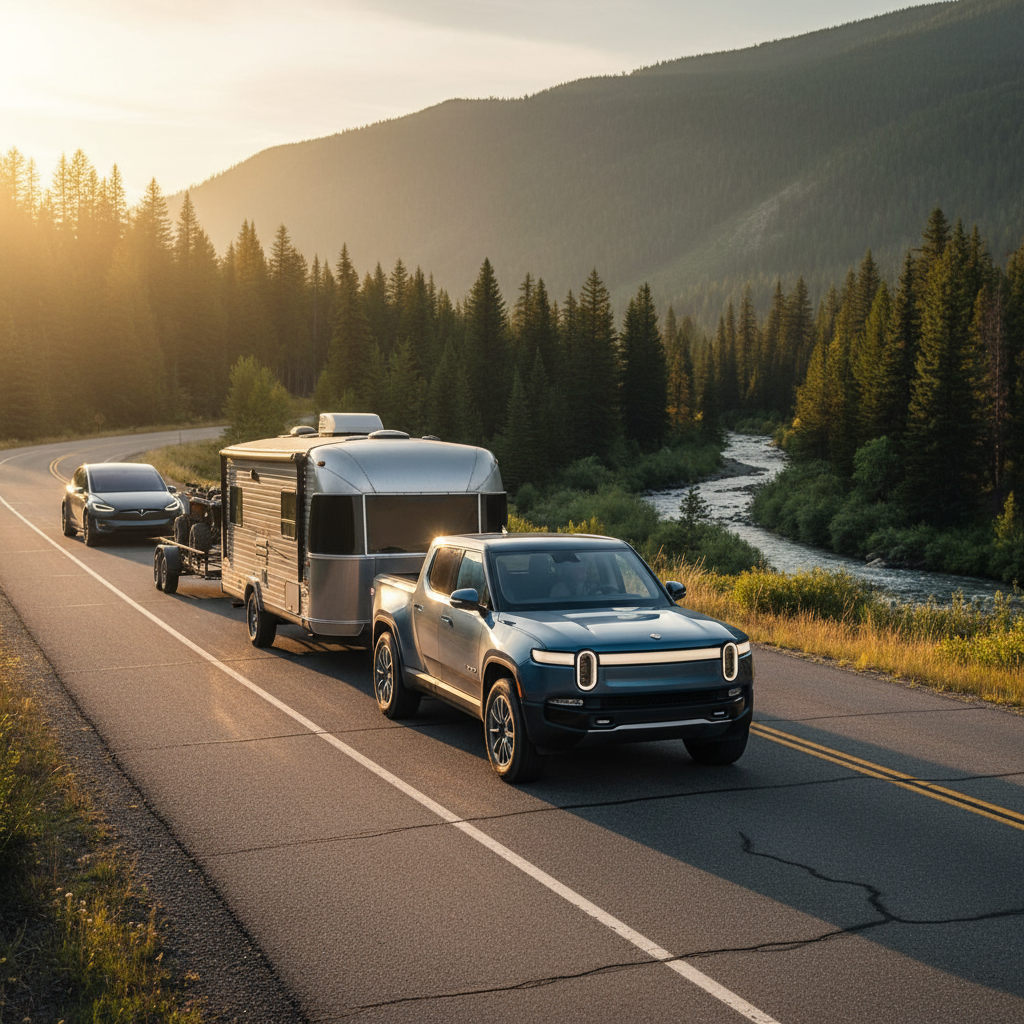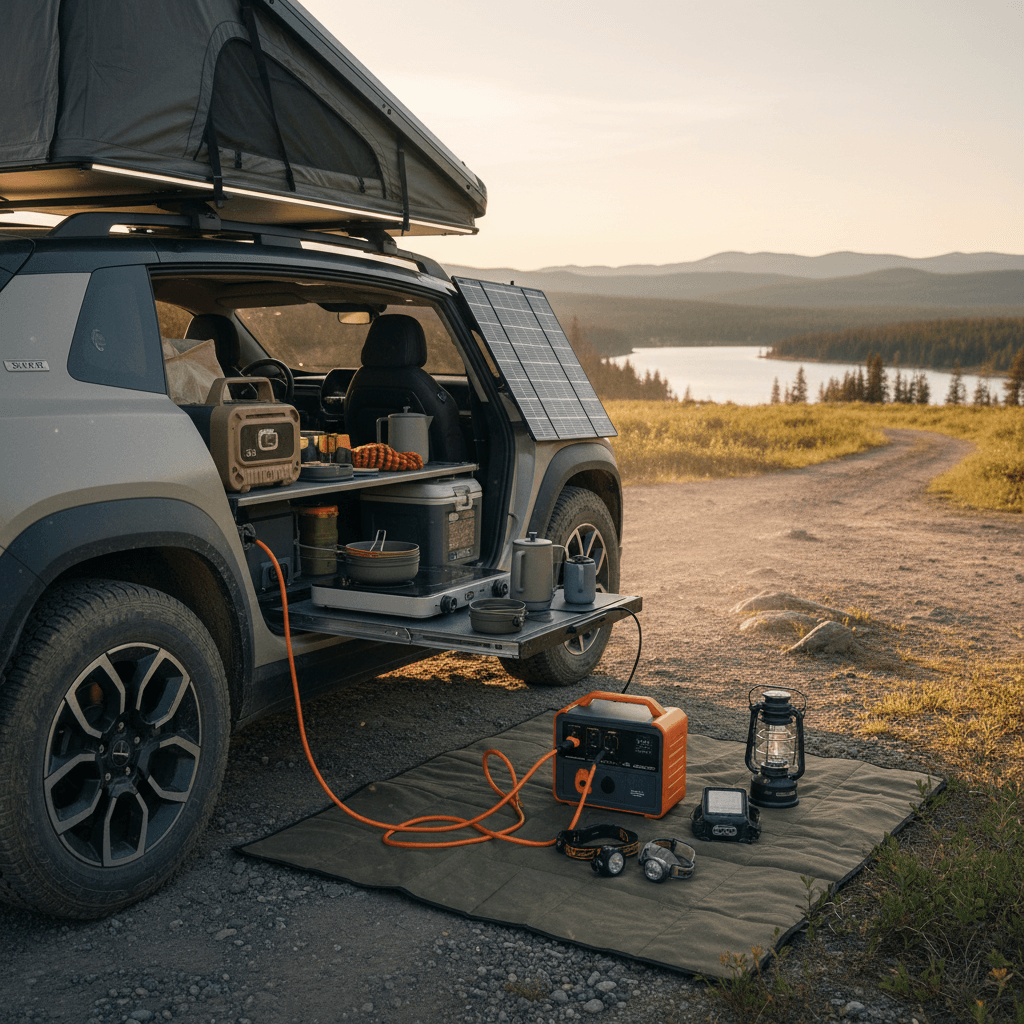
If you own an EV and love the outdoors, you’re sitting on one of the best camping rigs most people overlook. With the right electric car camping accessories, your EV becomes a quiet, climate‑controlled basecamp that can power lights, cooking gear, laptops, and more, without a noisy generator or a whiff of exhaust.
Why This Guide Matters
Why EVs Make Surprisingly Great Camping Vehicles
When you look past range anxiety, electric cars have a long list of camping advantages. They’re quiet, can keep the cabin at a comfortable temperature without idling an engine, and many newer models offer vehicle‑to‑load (V2L) or similar features that let you plug devices directly into the car’s battery.
Core Advantages of Camping With an EV
Why an electric car can be a better basecamp than a gas SUV
Built-In Silent Power
Your traction battery can power lights, laptops, and small appliances for hours. Hyundai, Kia, and others offer V2L that turns the car into a 120V outlet for camping, tailgating, or emergencies.
Comfortable Overnight Climate
Want heat on a cold night or a cool cabin on a hot one? EV climate control is efficient and doesn’t require idling a noisy engine, which makes it campground‑friendly.
Clean and Fume-Free
No exhaust near your tent, no spilled gasoline, and no generator noise. That’s a big win if you’re camping with kids, pets, or in quiet public campgrounds.
To unlock those advantages, you need accessories that match how EVs use energy. That means prioritizing efficient lighting, well‑insulated sleeping gear, and smart power solutions instead of just throwing more watts at every problem.
Before You Go: Plan Your EV Camping Trip Around Range
The smartest accessory is still a realistic plan. Before you shop for gear, think about how much range you can afford to spend on campsite power versus driving. Heavy rooftop boxes, big trailers, and constant HVAC use can meaningfully cut range, especially in cold weather.
Know Your Real-World Range
Don’t just rely on the big EPA number. Loaded with camping gear, bikes, or a small trailer, your EV might see 15–30% less range. If you’re shopping used, tools like the Recharged Score Report give you verified battery health so you know what the car can actually deliver before you trust it on a long trip.
Build in a buffer for detours, weather, and a bit of in‑camp power use.
Pick Charging-Friendly Routes & Campgrounds
Look for campgrounds near DC fast chargers or Level 2 stations so you can arrive with a healthy state of charge and top up before heading home. Apps and maps from major networks make this easier than it was even a couple of years ago.
Once that’s sorted, you can start tailoring your accessory list to how remote, and how powered, your campsite really is.
Trip-Planning Tip
Power Solutions: Electric Car Camping Accessories for Electricity
Power is where EVs can really shine as camp vehicles, if you match your accessories to your car’s capabilities. Think about three layers: using the car’s built‑in power features, supplementing with a portable power station, and carrying lightweight backups for emergencies.
How Much Power Do You Really Need for Camp?
1. Vehicle-to-Load (V2L) Adapters & Built-In Outlets
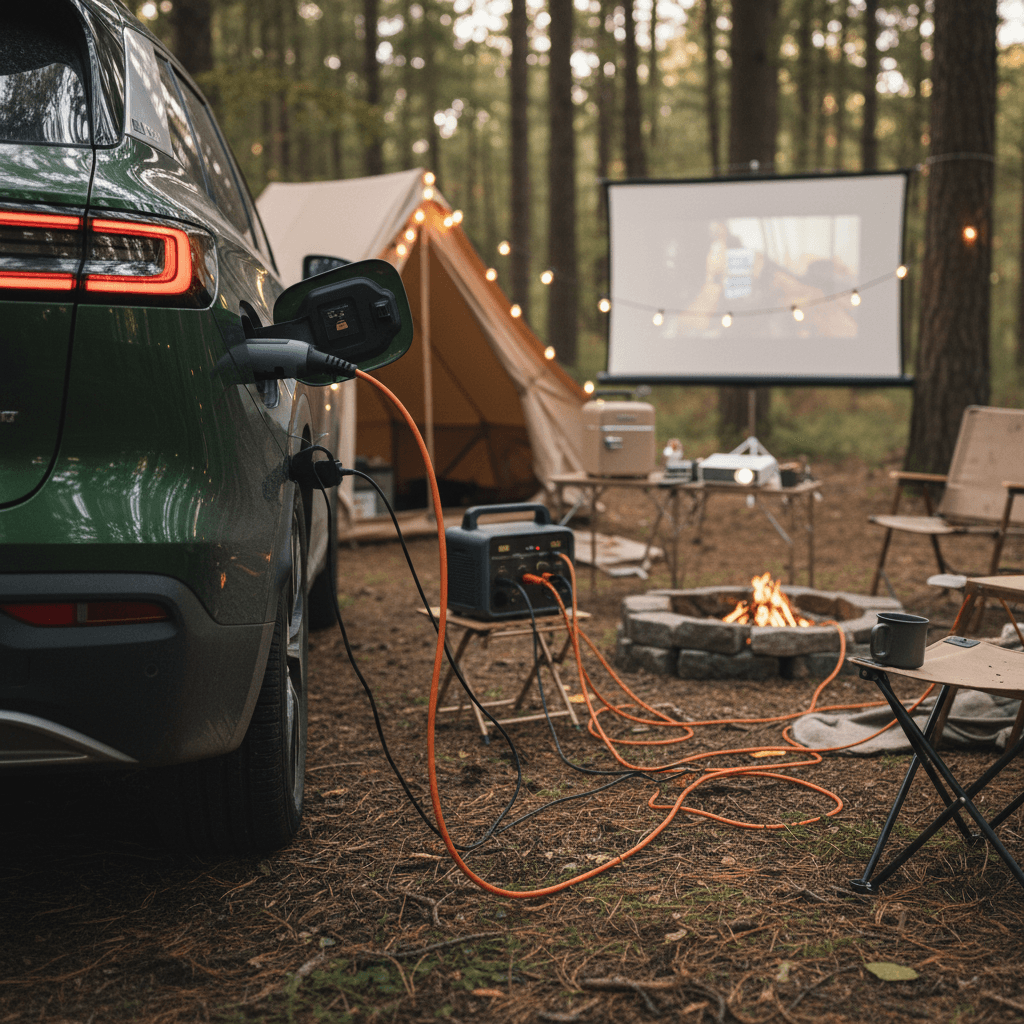
If your EV supports vehicle‑to‑load, this is the most efficient way to power camp gear. Hyundai’s E‑GMP models (Ioniq 5, Ioniq 6, Kona Electric), Kia EV6/EV9, and several others can output AC power through a dedicated outlet or adapter. Many V2L adapters provide a standard 120V outlet at around 1.8–3.6 kW, enough for lights, a small induction cooktop, or even another EV in a pinch.
- Check your owner’s manual or window sticker for V2L or "external power outlet" features.
- If V2L is supported, buy the OEM adapter or a reputable third‑party unit rated for your car.
- Pair your V2L outlet with a compact power strip that includes surge protection and USB ports.
V2L Safety Reminder
2. Portable Power Stations (Battery Packs)
Even if your EV doesn’t offer V2L, a portable power station can handle most of your camping electricity needs. Think of these as cooler‑sized lithium batteries with built‑in inverters and multiple outlets. Modern units in the 500–2,000 Wh range are light enough to move around camp but strong enough to run lights, a fridge, fans, and electronics.
How to Choose a Portable Power Station for EV Camping
Match capacity to your camping style, not your wish list
Weekend Wanderers (1–2 nights)
Look for 400–800 Wh units with USB‑C, a couple of AC outlets, and car/solar charging input. They’re lighter, cheaper, and recharge quickly when you stop at a powered campsite or public charger.
Frequent or Off-Grid Campers
Consider 1,000–2,000 Wh models. They cost more and weigh more, but they can comfortably run a 12V fridge, lights, and laptops for several days between charges.
Add Portable Solar (Optional)
Folding solar panels extend runtime at remote sites. They won’t fully replace charging your EV, but they can keep a power station topped up for lights and small loads.
3. Cables, Adapters, and Smart Extension Cords
With EVs, the accessory game is often about the right cords, not just big gear. A well‑chosen bundle of cables makes your setup safer, tidier, and more flexible:
- Outdoor‑rated extension cord (12–14 gauge) long enough to reach from car to tent or picnic table.
- Multi‑outlet power strip with USB‑A and USB‑C ports and built‑in surge protection.
- Short USB‑C and Lightning cables so you’re not tripping over 10‑foot cords in the dark.
- If you carry a portable Level 2 EVSE, a compact storage bag keeps it separate from your camping gear.
Don’t DIY High-Voltage Solutions
Sleeping and Comfort Accessories That Work Well With EVs
Comfort is what turns an EV from "a car you sleep in" into a pleasant micro‑camper. Your battery can help here, but the goal is to let insulation and smart gear do as much work as possible so you’re not burning range just to stay cozy.
Key Comfort Accessories for EV Camping
Dial in sleep and seating before adding gadgets
Insulated Sleeping Pads & Bags
Even if you plan to run cabin heat or AC, treat your EV like a tent: use insulated pads and appropriate‑temperature sleeping bags or quilts. You’ll sleep better and use far less energy.
Window Screens & Blackout Shades
Magnetic or custom‑fit shades keep light and prying eyes out while helping regulate cabin temperature. Pair them with mesh screens for cracked windows in bug‑heavy areas.
Compact Chairs & Camp Tables
Lightweight, folding chairs and a small table transform a trailhead parking spot into a comfortable campsite. They’re especially useful if your site has limited picnic facilities.
Rooftop Tents vs. Sleeping Inside the EV
Rooftop tents are popular with EV owners because they keep the cabin clear and feel more like a traditional tent. But they add weight and aerodynamic drag, which can noticeably cut range on the highway. Sleeping inside the car reduces drag and can be quieter in wind, but it demands more careful organization.
Sleeping Inside the EV
- Best for hatchbacks, crossovers, and wagons with fold‑flat rear seats.
- Use a tri‑fold foam mattress that stores behind the front seats.
- Store duffel bags in the front seats or frunk overnight.
- Take advantage of your EV’s "camp" or "stay on" mode for gentle HVAC if available.
Using a Rooftop Tent
- Great for families or tall campers who can’t stretch out inside.
- Expect reduced range from added weight and wind resistance.
- Match tent weight to your EV’s roof load rating.
- Keep heavy bins and water in the cabin, not on the roof, for stability.
Storage & Organization: Making the Most of Your EV’s Space
Most electric cars give you creative storage options, under‑floor bins, deep hatch areas, and often a front trunk. The right organizers turn that space into a well‑labeled camp kit instead of a jumbled pile of gear.
Smart Storage Accessories for EV Camping
Keep gear secure, quiet, and easy to find
Trunk & Frunk Organizers
Collapsible organizers or custom bins keep cookware, tools, and small accessories from sliding around. Assign each bin a theme, kitchen, sleep, power, so you’re not digging at midnight.
Soft-Sided Duffels
Soft bags pack more efficiently into curved hatch areas than hard cases and are easier to stuff under a raised sleeping platform.
Water & Food Storage
Stackable water jugs and a compact cooler or 12V fridge make it easier to balance weight and leave space for passengers, especially on longer road trips.
Where to Put What: Simple EV Camping Packing Map
Use each storage zone in your EV for a specific job so loading and unloading becomes routine.
| Location | Best For | Notes |
|---|---|---|
| Frunk | Charging cables, emergency kit, small tools | Easy access without unloading the cabin. |
| Under-floor trunk storage | Heavy items like water, recovery gear | Keeps weight low to help handling. |
| Main cargo area | Sleeping gear, kitchen bin, camp chairs | Load big items first, then fill gaps with soft bags. |
| Cabin footwells | Shoes, daypacks, jackets | Great for quick‑grab items when you stop. |
| Roof rack (if used) | Bulky but light items, rooftop tent | Avoid storing dense, heavy gear overhead. |
Adjust this layout to your specific model, but keep weight low and centered whenever possible.
Weather Protection and Climate Control Gear
Your EV can help keep you comfortable, but you’ll stretch your range a lot further if you let simple accessories handle most of the job. Every watt you don’t spend on cabin heat or AC is a watt you can spend on driving, or on keeping lights and devices running.
High-Impact Climate Accessories
Insulated Window Covers
Reflective, insulated covers keep heat in during cold nights and the sun out during summer trips. They also add privacy. Custom‑fit kits are worth the money if you camp regularly.
Compact 12V or USB Fans
Low‑draw fans make hot nights bearable while using very little power. Clip one near your sleeping area and run it from your V2L outlet or power station.
Weather-Resistant Awning or Tarp
A simple awning on the side or rear of the car creates shade and a dry cooking space, so you’re not forced inside the cabin for every meal.
Extra Blankets or a Top Quilt
Layering blankets over your sleeping bag traps warm air and lets you turn the heater down, or off, while staying comfortable.
Range-Saving Climate Tip
Safety Essentials When Camping With an Electric Car
The right safety accessories aren’t glamorous, but they matter more than any gadget. EVs have different failure points than gas cars, and you’re often camping in areas with limited cell service. Build a kit that covers both basic roadside problems and EV‑specific scenarios.
Must-Have Safety Accessories for EV Camping
Start here before you buy luxury gadgets
First-Aid & Emergency Kit
Include bandages, pain relievers, basic meds, and items like a mylar blanket and whistle. Many pre‑made kits are a good starting point; customize for your family.
Tire Repair & Recovery Tools
Carry a plug kit, tire inflator, work gloves, and a compact shovel if you camp on dirt roads. Many EVs don’t ship with a spare tire.
Charging & Power Backups
Keep your primary charge cable, a roadside assistance number that understands EVs, and a fully charged power bank or small jump pack for the 12V system.
Respect Campground Rules
“Nice-to-Have” Electric Car Camping Gadgets
Once you have the basics handled, power, sleep, storage, and safety, you can layer in a few fun extras. These small accessories don’t make or break a trip, but they can make camp life noticeably more enjoyable.
- LED string lights that run from USB or a power station, to light the hatch area or awning without blinding your neighbors.
- A compact projector and screen or sheet for "drive‑in" movie nights powered from your EV or portable power station.
- A Bluetooth OBD or telemetry app so you can monitor battery percentage and projected range without sitting in the driver’s seat.
- Modular folding storage cubes that double as small tables or ottomans at camp.
Don’t Over-Buy on Day One
EV Camping Checklist: Pack This Gear First
Use this checklist as a starting point and customize it for your vehicle, climate, and group size. If you’re buying a used EV from Recharged, you can build most of this kit once and leave it in the car so you’re always a spontaneous road trip away from your next campsite.
Core EV Camping Accessories Checklist
Trip & Charging Plan
Route planned with fast chargers or Level 2 stations near your destination; campground rules checked for EV charging; offline maps downloaded.
Power Gear
V2L adapter (if your EV supports it), portable power station sized for your trip length, outdoor‑rated extension cord, power strip with USB ports, and necessary charging cables.
Sleeping & Comfort
Sleeping pads or mattress, appropriate‑temperature sleeping bags or quilts, pillows, window shades, and camp chairs/table.
Storage & Organization
Trunk/frunk organizers, labeled bins (kitchen, sleep, tools), soft duffel bags, and a dedicated bag for your portable EVSE and adapters.
Weather & Climate
Insulated window covers, small 12V/USB fan, awning or tarp, extra blankets, and weather‑appropriate clothing layers.
Safety & Tools
First‑aid kit, tire repair kit and inflator, flashlight or headlamps, basic hand tools, roadside triangle, 12V jump pack, and a printed emergency contact list.
FAQ: Electric Car Camping Accessories
Frequently Asked Questions About Electric Car Camping Accessories
Bringing It All Together: Build Your Ideal EV Camping Setup
Electric car camping doesn’t require a custom overlanding build or a six‑figure adventure rig. With a thoughtful mix of electric car camping accessories, a sensible power solution, efficient sleeping gear, smart storage, and a solid safety kit, you can turn almost any EV into a capable, comfortable basecamp.
If you’re still in the shopping phase, consider how each EV you’re looking at will fit your camping style: cargo space, V2L support, real‑world highway range, and roof load ratings all matter. Buying from a marketplace like Recharged gives you expert guidance, transparent battery‑health data, and financing options, so you can choose a used EV that’s ready for both weekday commuting and weekend adventures.
Start with short, well‑planned trips, refine your packing list, and add accessories as you learn what your family actually uses. Before long, you’ll have a dedicated kit living in the back of your EV, and your biggest challenge will be deciding which trailhead or campground to explore next.