If you’re shopping for an electric car, especially a used one, the electric car battery warranty is just as important as range or price. An EV’s high‑voltage battery is its single most expensive component, and the warranty tells you how much of that risk the manufacturer is willing to carry instead of you.
Good news for EV shoppers
How electric car battery warranties work
Think of an EV battery warranty as two protections bundled together: coverage for defects in materials or workmanship, and coverage for excessive loss of capacity (degradation). It sits alongside the car’s basic and powertrain warranties but follows its own rules, with different time and mileage limits.
- High‑voltage battery warranty is separate from the bumper‑to‑bumper warranty.
- Coverage is expressed as years and miles (whichever comes first).
- Most automakers also promise the pack will retain a minimum percentage of its original capacity over that period.
- If the pack falls below that threshold while in warranty, they repair or replace it, often with a new or remanufactured pack.
EV battery warranty at a glance (2025)
Follow the warranty, not internet myths
Typical electric car battery warranty lengths
While there are plenty of exceptions, electric car battery warranties tend to cluster around a few standard packages. Knowing these ranges helps you quickly tell whether a given car offers average or above‑average protection.
Common EV battery warranty terms by brand (U.S. market)
Representative factory battery warranties for popular EVs. Always confirm terms for the exact model year, trim, and battery size you’re considering.
| Brand / Model | Years | Mileage Limit | Capacity Guarantee* |
|---|---|---|---|
| Tesla Model 3 / Y | 8 | 100,000–120,000 | 70% |
| Tesla Model S / X | 8 | 150,000 | 70% |
| Hyundai IONIQ 5 | 10 | 100,000 | 70% |
| Kia EV6 | 10 | 100,000 | 70% |
| Ford Mustang Mach‑E | 8 | 100,000 | 70% |
| VW ID.4 | 8 | 100,000 | 70% |
| Nissan Ariya | 8 | 100,000 | 70% |
| Mercedes‑Benz EQS | 10 | 155,000 | 70% |
| Rivian R1T / R1S | 8 | 175,000 | 70% |
Many mainstream EVs land at 8 years/100,000 miles, while some premium or long‑range models offer more generous mileage limits.
About that asterisk
What an EV battery warranty actually covers
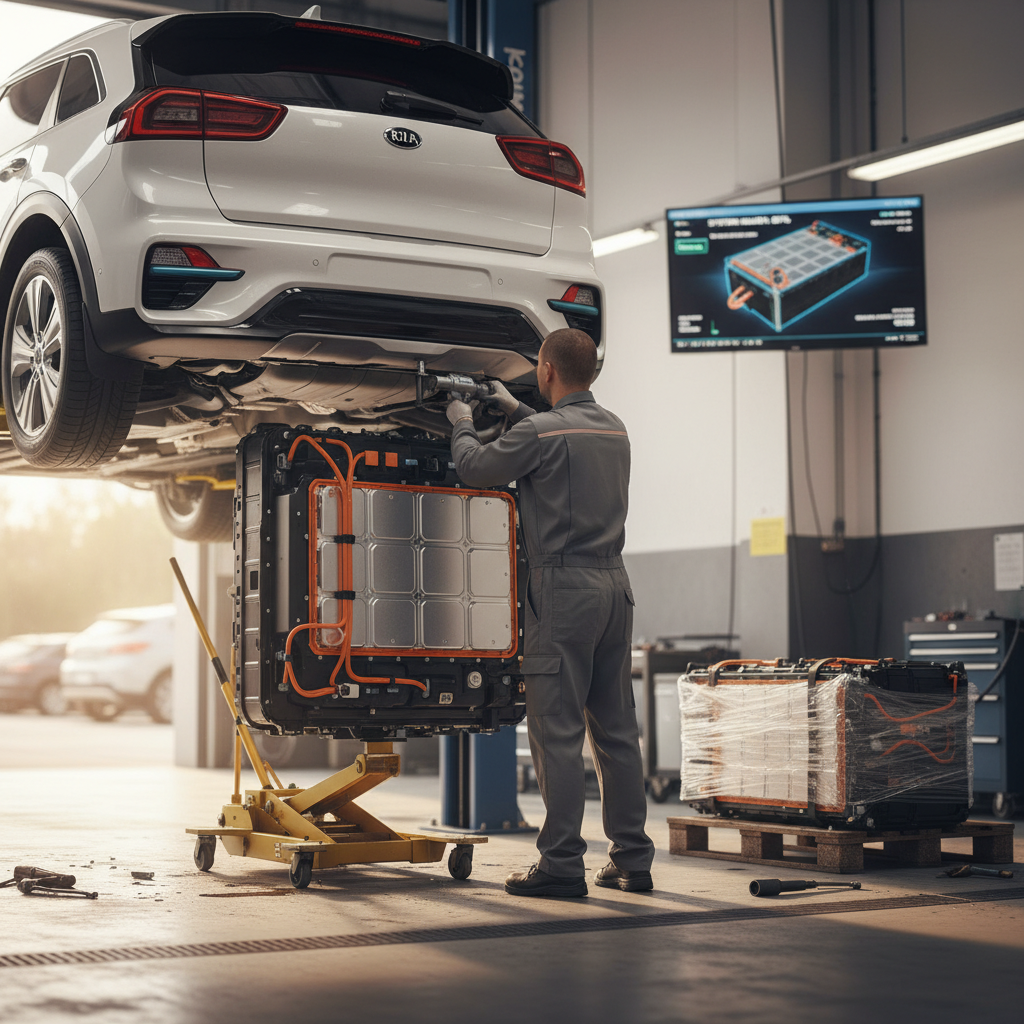
Automakers don’t promise that your battery will behave perfectly. They promise to fix it when it falls outside a defined performance window during the warranty period. The details vary, but the following items are commonly covered:
Core elements of an electric car battery warranty
Most manufacturers define coverage around these four pillars.
1. Manufacturing defects
2. Sudden capacity loss
3. High‑voltage components
4. Pack repair or replacement
Covered repairs usually aren’t small
What electric car battery warranties usually don’t cover
Battery warranties are written by lawyers, so exclusions matter. They protect the automaker from paying for damage caused by abuse, accidents, or unusual use, not normal daily driving. The warranty booklet will spell these out in detail, but most share the same themes.
Common exclusions in EV battery warranties
Patterns you’ll see again and again in the fine print.
Improper charging or storage
Extreme temperatures
Collision or physical damage
Modifications and tampering
Read the data‑logging clause
Battery degradation and capacity guarantees
No lithium‑ion battery stays at 100% forever. Degradation is baked into the chemistry. The role of the warranty is to define how much loss is acceptable over the coverage period and what happens if your battery does worse than that.
Normal, expected degradation
Most EVs lose a bit of range quickly in the first couple of years, then level off. Fleet data suggests many packs average around 2–3% capacity loss per year under typical use. That’s normal and isn’t, on its own, a warranty event.
For example, a 250‑mile EV that loses 5–7% capacity in its first five years might still be considered healthy by the manufacturer.
When the warranty steps in
The battery warranty usually names a capacity threshold, often 70% of original usable capacity, sometimes 65% or 75% depending on brand. If your pack falls below that threshold while still within the years/miles limit, the automaker is obligated to repair or replace it.
They’ll determine capacity with their own diagnostic tools, not just the dash range estimate, so real testing matters.
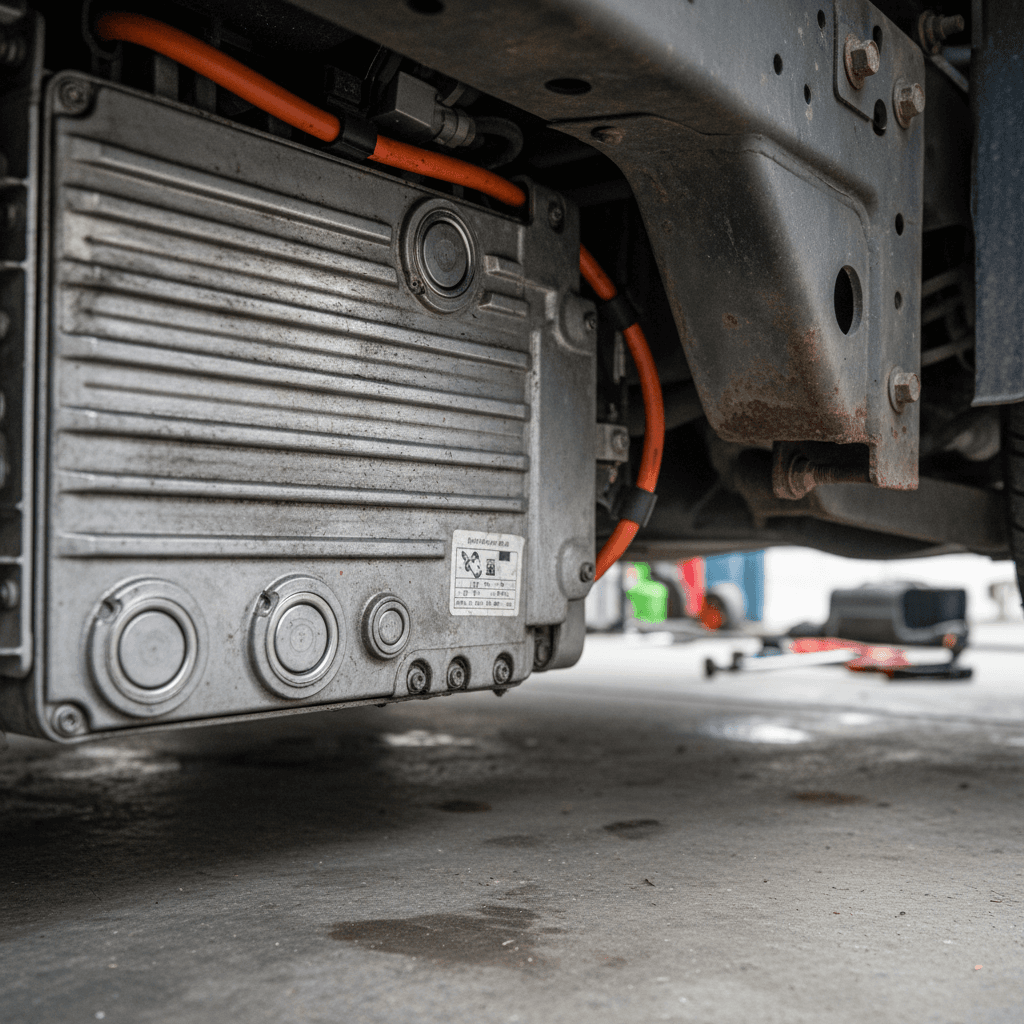
Dash range isn’t a lab test
Battery warranty transferability for used EV buyers
If you’re buying used, the obvious question is: Do I still get the battery warranty? In most cases, the answer is yes, at least for the unused portion of time and mileage, but there are important exceptions.
How EV battery warranties handle second owners
What usually happens when the car changes hands.
Most mainstream brands
Registration requirements
Original‑owner bonuses
Leases and fleets
Ask for documentation
State and federal rules in the U.S.
In the U.S., battery warranties aren’t just a marketing promise, they’re shaped by regulations. Federal rules and, in some states, California‑inspired standards set minimums that automakers must meet or exceed.
- Federal rules effectively require at least 8 years/100,000 miles of coverage for high‑voltage EV and hybrid batteries on new vehicles.
- Plug‑in hybrids sometimes carry slightly different minimums (for example, 8 years/80,000 miles on certain packs), so you’ll want to double‑check those details if you’re cross‑shopping.
- Starting with 2026 model‑year vehicles, California will require new EV batteries sold in that state to be designed to retain at least 70% capacity for 10 years/150,000 miles, with even stronger 80% targets coming for 2030 and beyond.
- Other so‑called CARB states often follow California’s lead, so long‑term, expect more EVs with stronger battery performance guarantees in certain regions.
Regulations set floors, not ceilings
How battery warranty affects used EV resale value
From a used‑car perspective, the battery warranty is really a confidence engine. The more factory protection a car has left, the easier it is to sell and the more comfortable buyers feel paying real money for it.
Why shoppers care so much about battery warranty
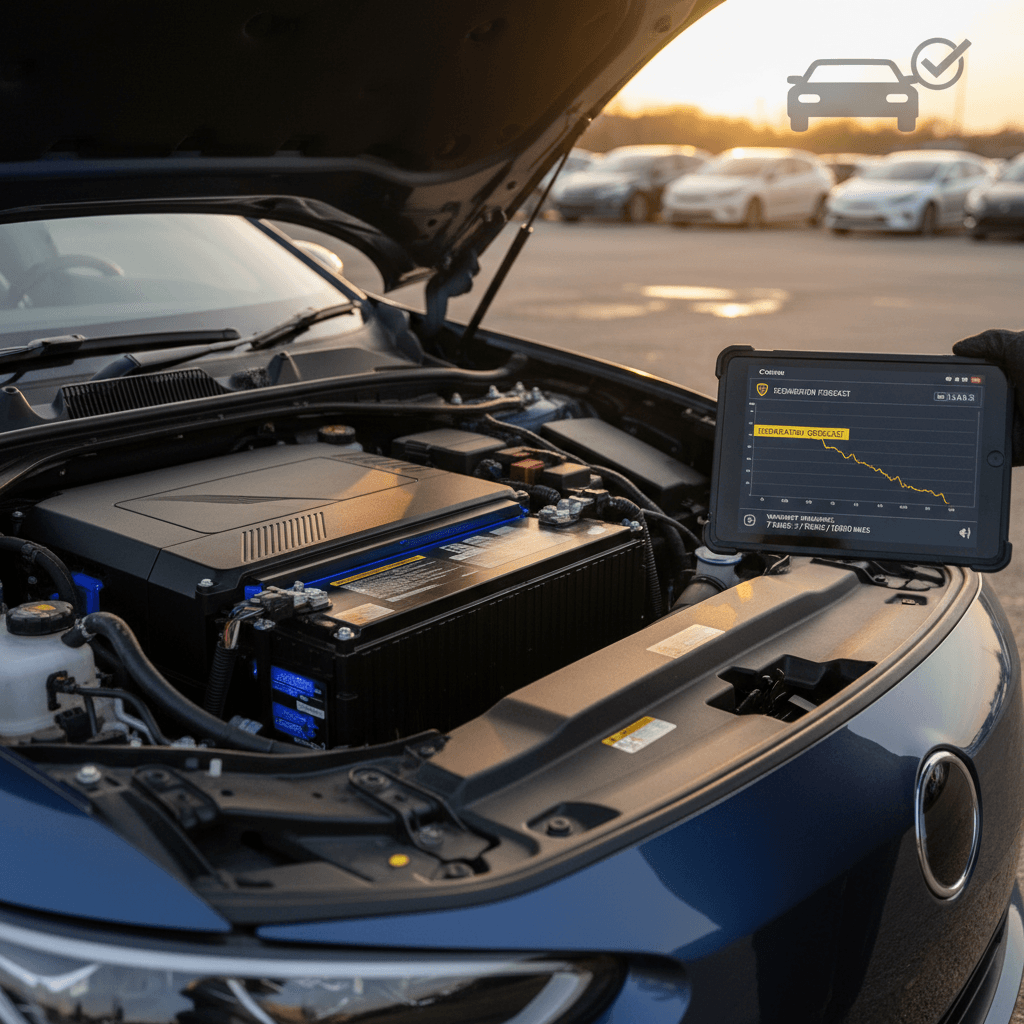
At Recharged, every EV we list comes with a Recharged Score battery health report that shows how the pack is performing relative to others of the same age and mileage. That gives you a reality check that goes beyond the marketing brochure and into how the car’s battery behaves today.
How to check battery health and warranty before you buy
You don’t need to be an engineer to evaluate an EV’s battery prospects. You just need a simple checklist and the discipline to walk away if the numbers or documentation don’t make sense.
Pre‑purchase battery and warranty checklist
1. Confirm the original warranty terms
Look up the exact model year and trim on the manufacturer’s site and confirm the <strong>battery warranty years, miles, and capacity threshold</strong>. Don’t rely on memory or generic online charts.
2. Check the in‑car battery or range display
With the car fully charged, compare the displayed range to what the car delivered when new. A modest drop is normal; a huge gap deserves more questions and a diagnostic test.
3. Review service and fast‑charging history
Ask for records. Heavy use of DC fast charging isn’t automatically bad, but a car that’s lived on fast chargers <strong>every single day</strong> may age differently than one mostly charged at home.
4. Scan for warning lights or fault codes
Any battery or powertrain warning light is a red flag. On a test drive, pay attention to sudden drops in state of charge or power‑limiting messages.
5. Get an independent battery health report
A third‑party battery diagnostic, like the <strong>Recharged Score</strong> that comes standard with every vehicle on <a href="/">Recharged.com</a>, gives you an objective look at remaining capacity and pack health.
6. Verify warranty transfer and ownership status
Confirm the car hasn’t been branded as a total loss and that any required <strong>warranty transfer paperwork</strong> is complete. A quick call to a franchised dealer can help verify coverage by VIN.
Ask the hard questions now
Electric car battery warranty FAQ
Frequently asked questions about EV battery warranties
Key takeaways before you sign
Electric car battery warranties aren’t mysterious once you break them into pieces: years, miles, and minimum capacity. Your goal as a buyer, new or used, is to understand how much protection you have left and what you need to do to keep it.
- Plan on at least 8 years/100,000 miles of high‑voltage battery coverage on modern EVs, with some brands offering more.
- Expect the warranty to step in only if capacity drops below a published threshold, usually around 70% of original.
- Know the exclusions: collisions, tampering, and clearly abusive charging or storage habits can jeopardize coverage.
- As a used‑EV shopper, focus on remaining warranty, real battery health data, and documentation, not just the dash range estimate.
- Consider buying from a seller who can provide a third‑party battery health report and expert guidance, exactly what Recharged builds into every transaction.
If you understand the electric car battery warranty and pair it with solid battery diagnostics, you can buy a used EV with the same confidence you’d have in a new one, often at a far better price. That’s the kind of informed, low‑drama decision every EV shopper deserves.