If you spend any time around car people, you’ve heard the story: “Sure, electric cars are nice now, but just wait until you have to pay $20,000 for a new battery.” The fear around electric car battery replacement cost is real, and it’s one of the biggest reasons some drivers hesitate to go electric or to buy a used EV.
Quick snapshot for 2025
Why electric car battery replacement scares people
Gas drivers are used to $150 alternators and $1,000 transmission repairs. Hearing that an EV battery pack might cost five figures to replace sounds like scrapping the car. And when early EV stories focused on first‑generation Nissan Leafs losing range in hot climates, the myth stuck: batteries die young and take the car with them.
- EV batteries are the single most expensive component in the car.
- Prices are usually quoted as scary upper ranges, not typical real-world examples.
- Most people don’t realize how strong EV battery warranties are (often 8 years/100,000 miles or more).
- Until recently, there wasn’t much transparent data on actual replacement rates or costs.
Sticker shock vs. actual risk
What an electric car battery replacement really costs in 2025
EV battery replacement cost ranges in 2025
Taken together, the all‑in electric car battery replacement cost today usually lands between $6,000 and $23,000, depending on vehicle type, pack size, and where you have the work done. Compact EVs sit at the low end; big‑battery trucks and luxury sedans anchor the high end.
Real-world battery replacement cost examples by EV model
Estimated EV battery replacement costs by segment (2024–2025 data)
These are typical out-of-warranty replacement ranges for the battery pack only. Labor, taxes, and shop fees are extra unless noted.
| Vehicle type / example | Approx. pack size | Typical replacement cost (battery only) | Notes |
|---|---|---|---|
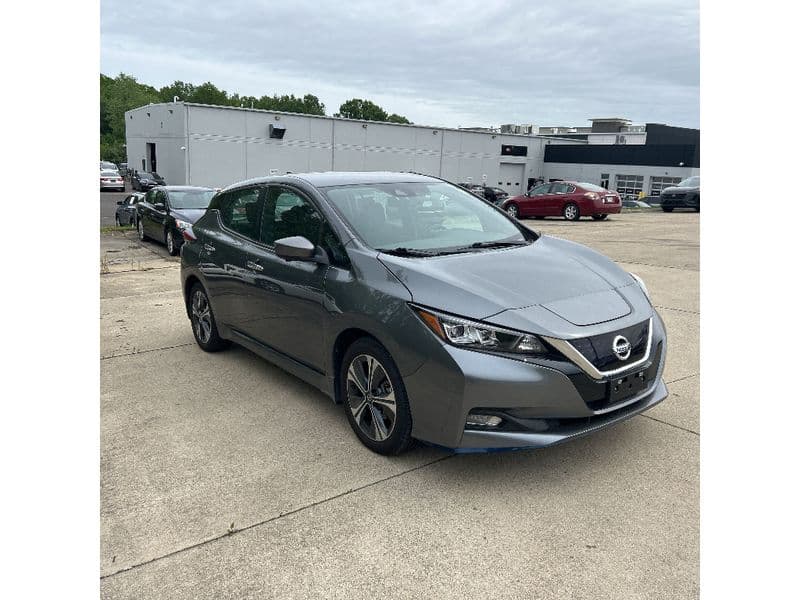
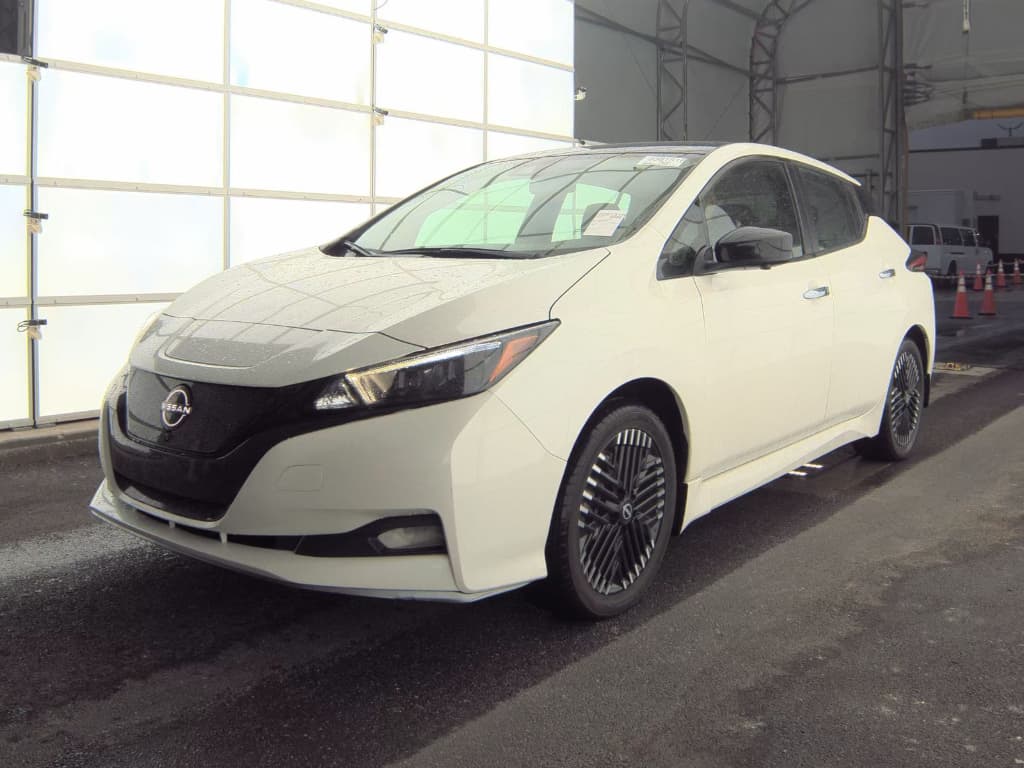
| Compact EV (Nissan Leaf, Chevy Bolt) | 40–65 kWh | $5,000–$8,000 | Leaf packs typically fall around $5,500–$8,000; Bolts around $8,000–$12,000 including some labor. |
| Mid-size sedan/SUV (Tesla Model 3, Hyundai Ioniq 5) | 70–80 kWh | $8,000–$15,000 | Tesla Model 3 long‑range packs commonly quoted around $10,000–$15,000 OEM. |
| Luxury & long‑range (Tesla Model S, BMW iX) | 90–110 kWh | $12,000–$20,000 | Some previous‑generation Model S packs have dropped in price compared with 2020–2022. |
| Electric pickups (Ford F‑150 Lightning, Rivian R1T) | 100–135 kWh | $15,000–$25,000 | Very large packs; estimates vary because few are out of warranty yet. |
| Older first‑gen EVs (early Leaf, i‑MiEV) | 24–30 kWh | $3,000–$7,000 | Smaller packs, often using refurbished or salvage batteries. Availability can drive price up. |
Representative 2025 EV battery replacement cost ranges by model group.
Why the ranges are wide
How OEM vs refurbished vs used batteries change the price
1. New OEM battery pack
This is the factory-spec pack from the automaker or its official parts channel.
- Pros: Maximum compatibility, fresh cells, strong warranty, clean paperwork for resale.
- Cons: Typically the most expensive option, especially at a dealership.
- Best for: Late-model EVs you plan to keep for many years, or cars still partly under warranty.
2. Refurbished or used packs
These may be packs from salvaged EVs or professionally refurbished units with replaced modules.
- Pros: Often 30–50% cheaper than OEM, can come with 1–3 year warranties.
- Cons: History may be less clear; quality depends on the rebuilder.
- Best for: Older EVs where a full‑price OEM pack exceeds the car’s market value.
There’s also a growing category of aftermarket upgrade packs, for instance, swapping an early 24 kWh Leaf pack for a higher‑capacity pack from a newer model. These are still a niche market, but they can be a smart way to extend the life and range of older EVs without buying new.
Watch out for module-only repairs
Labor, towing and fees: the hidden part of battery cost
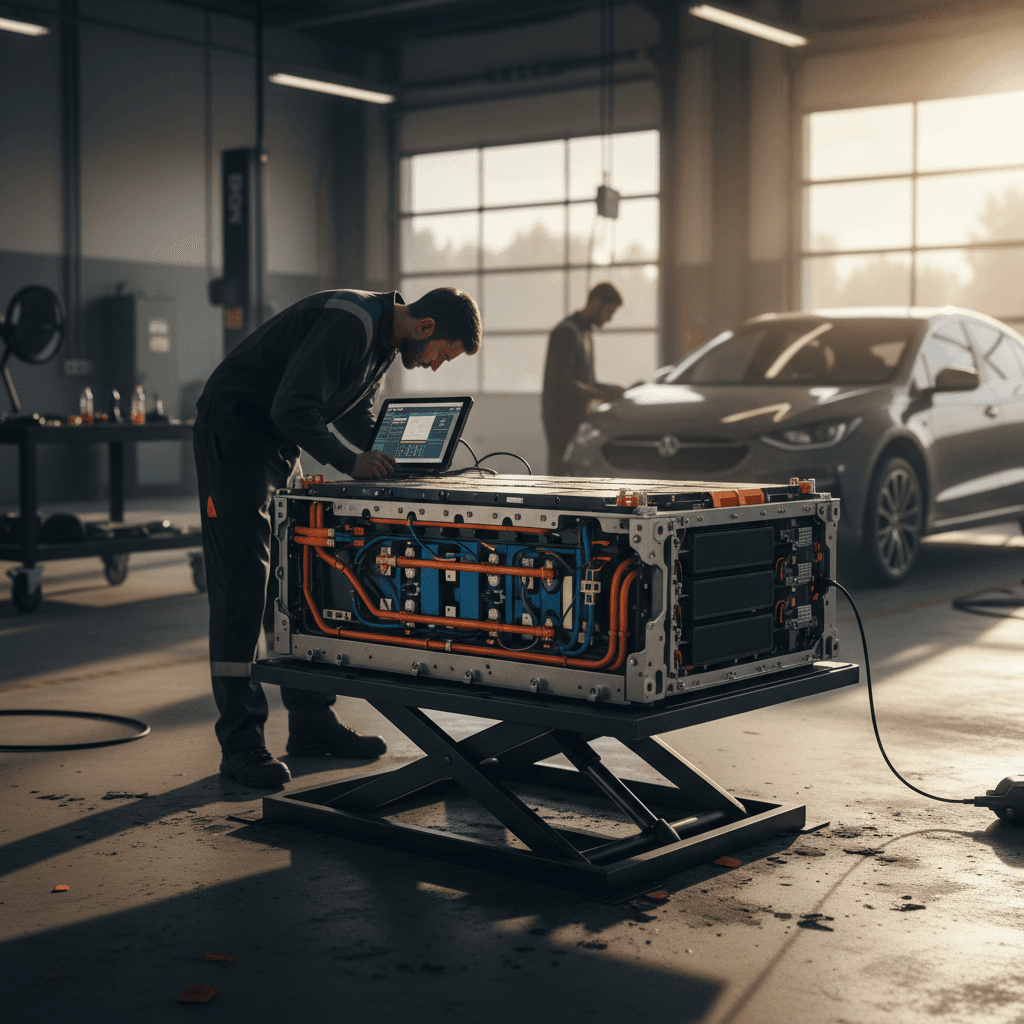
The battery pack price is just the starting point. Modern EVs tuck a 1,000‑pound high‑voltage pack into the floor, and swapping it is closer to transplant surgery than changing a 12‑volt battery.
- Typical labor for a full pack swap: $1,000–$3,000 depending on vehicle and region.
- Dealer labor rates on the coasts can run 20–30% higher than in smaller markets.
- You may pay diagnostic fees just to confirm that the pack, not a sensor or a module, is the real culprit.
- If the car is undriveable, towing to a qualified EV shop can add several hundred dollars, more if the nearest specialist is far away.

Why DIY isn’t realistic
How often do EV batteries actually need replacement?
Here’s the part most headlines leave out: the vast majority of EV batteries never need a full replacement during the first owner’s time with the car. Many fleets now have real‑world data, and replacement rates sit in the low single digits, roughly a couple of cars out of a hundred, often due to defects that are covered under warranty.
What really determines EV battery life?
Why one car needs a pack at 120,000 miles and another is healthy at 200,000+
Climate
Fast charging habits
Depth of discharge
Good news for typical drivers
Understanding EV battery warranties (and what they don’t cover)
Most modern EVs sold in the U.S. carry an 8‑year/100,000‑mile battery warranty at minimum, and some go to 10 years or 150,000 miles. These warranties generally promise that if your pack falls below a certain capacity, often around 70% of its original range, within the coverage window, the manufacturer will repair or replace it.
Key questions to ask about an EV’s battery warranty
1. What is the time and mileage limit?
Is it 8 years/100,000 miles, 10 years/150,000 miles, or something else? The clock usually starts on the car’s original in‑service date, not when you buy it used.
2. How does the warranty define failure?
Some brands use a percentage of original capacity (like 70%). Others talk about specific fault codes or failure conditions. Get this in writing.
3. Is capacity loss covered, or only outright failure?
You want clarity on whether gradual range loss that crosses the threshold is covered, or only total pack failure.
4. Are software updates or abuse excluded?
Fast‑charging abuse or aftermarket modifications can give a manufacturer an excuse to deny coverage. Know the fine print.
5. Is the warranty transferable to the next owner?
Good news: many EV battery warranties are fully or partially transferable, which matters a lot if you’re shopping used.
Warranty vs. goodwill
Battery replacement cost and used EVs: what shoppers should do
This is where the fear hits hardest: you’re thinking about a used Leaf, Model 3, or Ioniq 5, and you picture yourself inheriting a tired battery and a future $15,000 bill. The trick is to treat the battery the way you’d treat an engine in a used gas car, inspect it, get data, and price it into the deal.
Why used EVs can be a bargain
- Early depreciation means you’re often paying far less than the cost of the battery pack itself.
- Many cars still have years of battery warranty left, especially low‑miles off‑lease vehicles.
- Maintenance and fueling costs stay low compared with gas cars.
Where the risk lives
- Unknown fast‑charging habits or hot-climate use can hide in the car’s history.
- Out‑of‑warranty cars with heavily degraded packs will be cheap for a reason.
- Without real battery health data, you’re guessing, and guessing is expensive.
How Recharged helps here
7 ways to avoid or reduce EV battery replacement cost
Practical steps you can take today
1. Start with the right car
Choose models with strong reliability records and long battery warranties. Mainstream EVs from major brands generally have excellent pack durability.
2. Get real battery health data before you buy
Ask for a recent battery health report, not just odometer readings. On Recharged, the <strong>Recharged Score</strong> summarizes this for every used EV.
3. Favor home Level 2 charging
Regular Level 2 charging is easier on the pack than constant DC fast charging. Think of fast charging as a road‑trip tool, not a daily habit.
4. Avoid extreme states of charge
Living at 100% or running down to 0% daily is harder on the pack. Charging to 80–90% for daily use and rarely dipping below 10–15% is a gentler pattern.
5. Mind the climate
If you live in a very hot region, try to park in the shade or a garage and avoid leaving the car at high state-of-charge during heat waves.
6. Compare OEM vs. refurbished quotes
If you ever do need a pack, get multiple quotes: dealer, independent EV specialist, and reputable refurbishers. The spread can be enormous.
7. Consider total cost of ownership, not just worst-case
Even if a pack replacement is expensive, years of lower fuel and maintenance costs often leave EV owners ahead versus comparable gas cars.
FAQ: electric car battery replacement cost
Frequently asked questions about EV battery replacement costs
Bottom line: should battery replacement cost stop you from buying an EV?
An out‑of‑warranty battery failure can be an expensive day. There’s no sugar‑coating that. But the story you often hear, that every EV owner is headed for a mandatory $20,000 battery bill, isn’t backed up by real‑world data. Replacement packs are rare, coverage is strong during the first 8–10 years, and costs are trending down as technology matures.
If you understand how electric car battery replacement cost really works, shop with verified battery health data, and treat the pack with a little mechanical sympathy, an EV can be one of the most economical and satisfying cars you’ll ever own. And if you’d rather have a guide in your corner, Recharged is built around exactly that idea, matching you with the right used EV, with clear battery information, fair pricing, financing, and support from the first click to the day it’s delivered to your driveway.