If you drive in real winters, the question “Does the Tesla Model 3 have a heat pump?” isn’t academic, it’s the difference between a relaxed drive and watching your range melt away with the snow. The answer is: not every Model 3 has one, and knowing which do is especially important if you’re shopping used.
The short version
Quick answer: Which Tesla Model 3s have a heat pump?
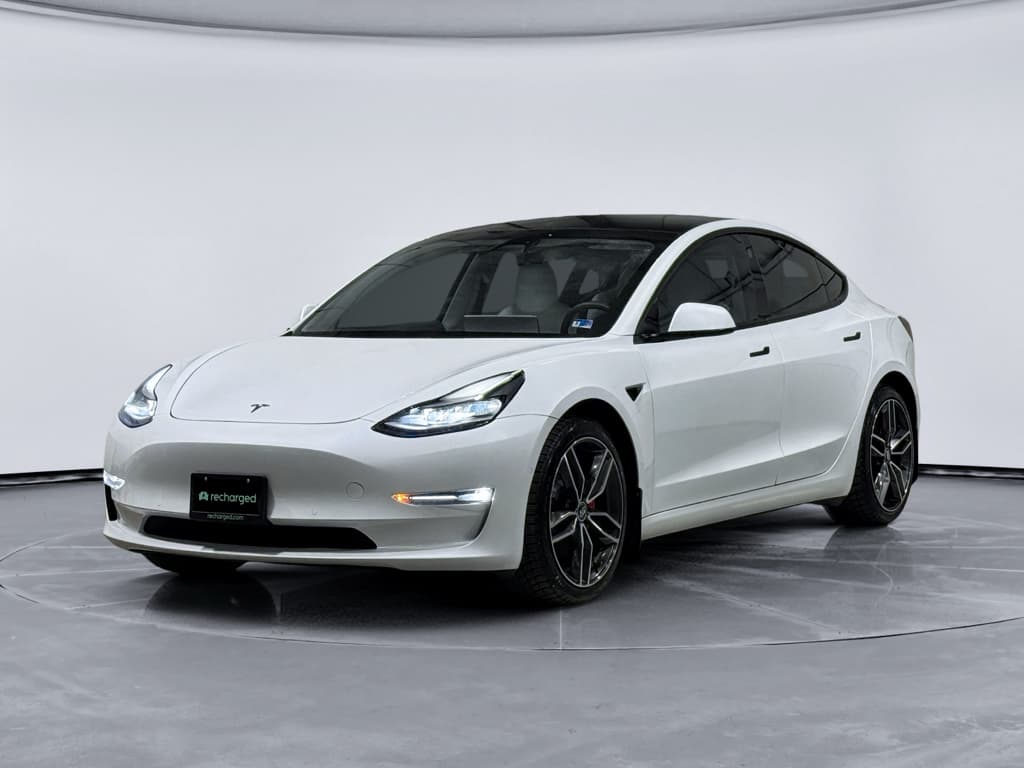
- 2017–2020 Model 3 (U.S. market, 2018–2020 in practice): No heat pump. Cabin heat comes from a traditional electric resistive heater.
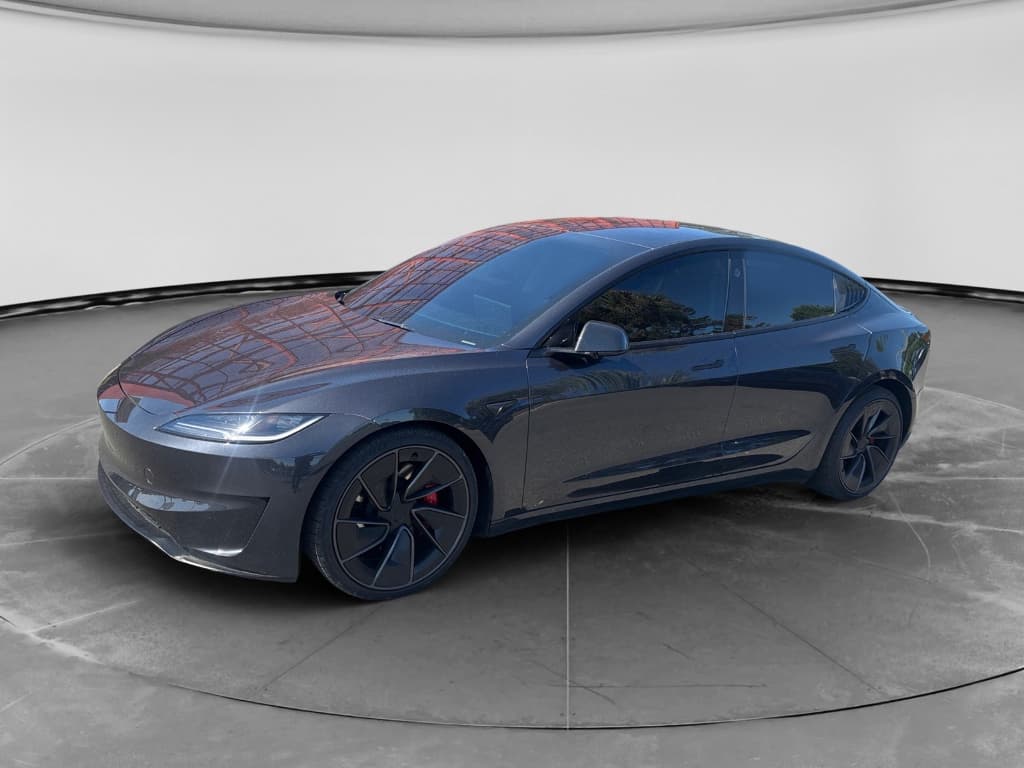
- 2021 model year and newer Model 3: Yes, heat pump standard across trims, added with the late‑2020/2021 refresh alongside the black exterior trim, updated center console, and power trunk.
- Late‑2020 deliveries: Many cars delivered in November–December 2020 are 2021 model‑year builds and do have the heat pump, even though the registration year says 2020.
Easy rule of thumb
How the Tesla Model 3 heats the cabin
Tesla has used two different approaches to cabin heat in the Model 3. Understanding them will make the talk about range and winter performance make a lot more sense.
Two ways a Model 3 makes heat
The hardware changed, the goal, keeping you warm, didn’t.
Resistive heater (2017–2020)
This is effectively a giant electric space heater inside the HVAC system. It converts battery energy directly into heat using a heating element.
- Simple and reliable
- Instant warm air, even in deep cold
- But it can draw 2–4 kW continuously in winter, which comes straight out of your battery range.
Heat pump with octovalve (2021+)
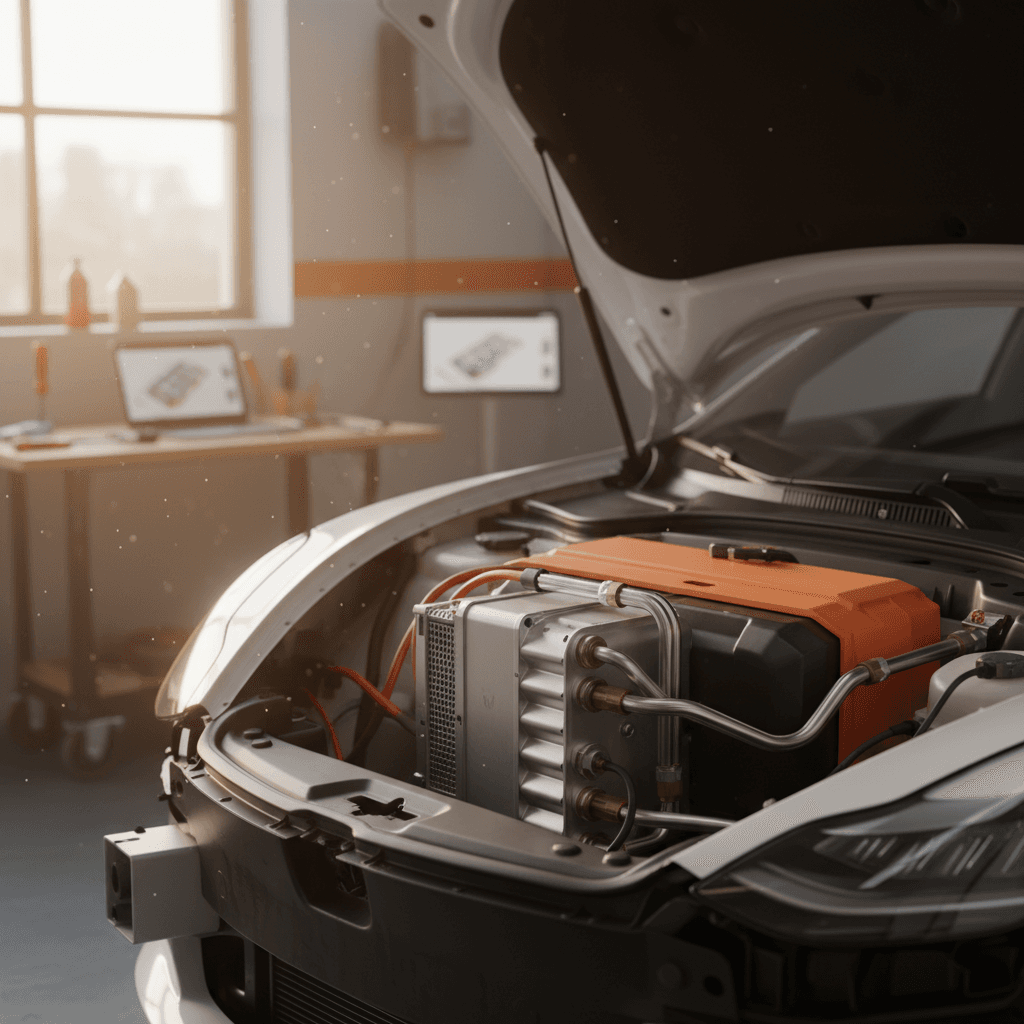
The heat pump works like a reversible high‑efficiency AC. Instead of making heat, it moves it, from outside air and from the battery and motors, into the cabin.
- Part of Tesla’s integrated octovalve thermal system
- Uses waste heat from the drive unit and battery
- Can use roughly half to one‑third the energy of the old system in many conditions.
What’s the “octovalve”?
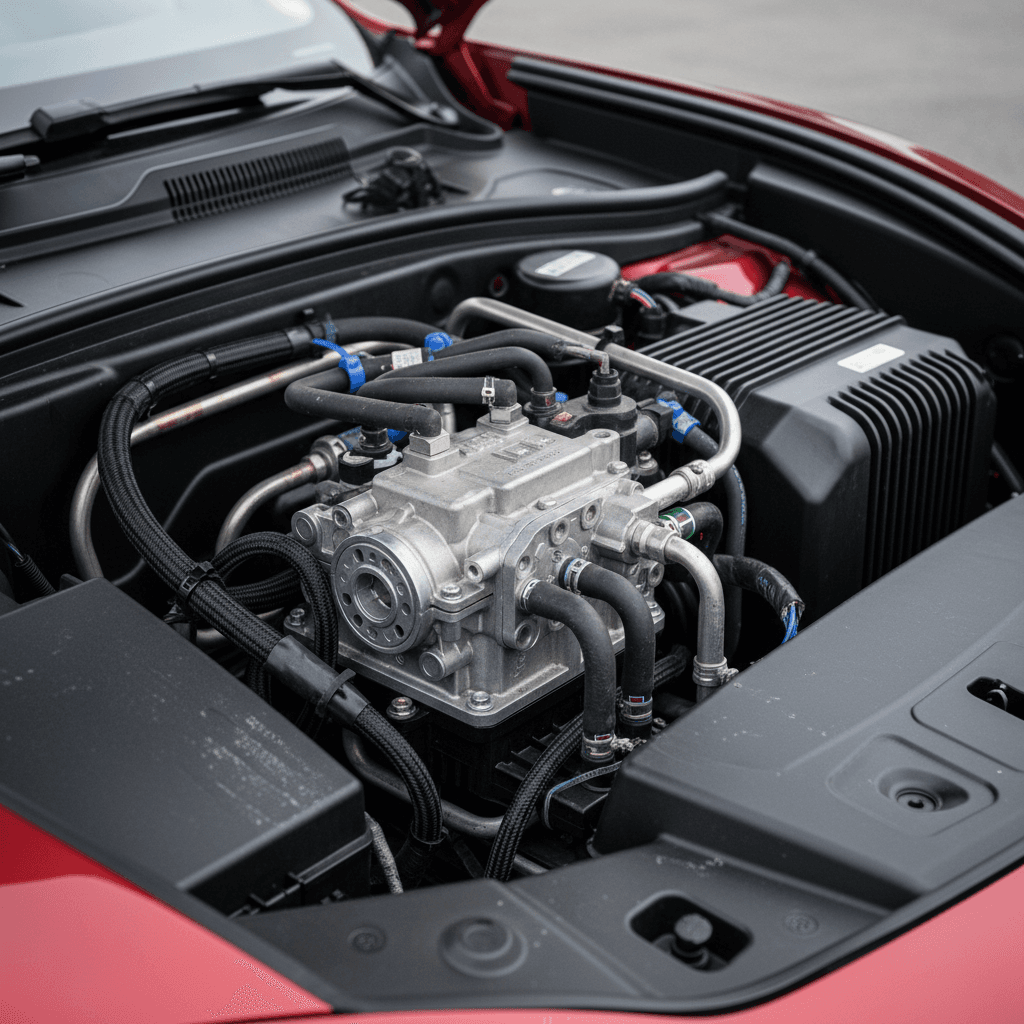
Model 3 heat pump timeline by year and trim
Tesla doesn’t think in tidy model‑year chunks the way traditional automakers do, and the Model 3 has been refreshed in rolling waves. But for the heat pump, there’s a clear breakpoint.
Tesla Model 3 heat pump by model year (U.S./North America)
Use this chart to quickly see whether a given Model 3 is likely to have a heat pump.
| Model year (VIN code) | Approx. build dates | Trims | Heat pump? |
|---|---|---|---|
| 2017 (H) | Mid‑2017 – Dec 2017 | Long Range RWD | No – resistive heater |
| 2018 (J) | Jan 2018 – Dec 2018 | All trims | No – resistive heater |
| 2019 (K) | Jan 2019 – Dec 2019 | All trims | No – resistive heater |
| 2020 (L) | Jan 2020 – roughly Oct 2020 | All trims | No – resistive heater |
| 2021 (M) | ~Nov 2020 – late 2021 | All trims | Yes – heat pump standard |
| 2022 (N), 2023 (P), 2024 (R), 2025 (S) | 2021 onward | All trims | Yes – heat pump standard |
Always confirm with a VIN/build check for late‑2020 cars, which may be 2021 model‑year builds.
Watch those late‑2020 cars
How to tell if a specific Model 3 has a heat pump
If you’re looking at a used Tesla Model 3 in a listing, or standing in a seller’s driveway, you can confirm whether it has a heat pump in a few minutes. That’s especially important around that late‑2020 / early‑2021 transition.
Five ways to confirm a Model 3 heat pump
1. Decode the VIN
Look at the VIN (on the windshield base or door jamb). The <strong>10th character is the model year</strong>: L=2020, M=2021, N=2022, P=2023, R=2024, S=2025, and so on. M or newer = heat pump; L or older = no heat pump.
2. Check build date on the door jamb
Open the driver’s door and read the build month/year label. <strong>Build dates from roughly November 2020 onward</strong> are often 2021 model‑year refresh cars with a heat pump.
3. Look for refresh clues
Black window trim and door handles, updated center console with integrated phone chargers, and a power trunk usually indicate the 2021 refresh, those cars include the heat pump. Chrome trim and the old glossy console usually mean no heat pump.
4. Ask for HVAC photos or service screen
From inside the car, going into <em>Service Mode</em> (or checking detailed hardware info in the service menu) will explicitly show whether a heat pump and octovalve are present. Sellers can share a photo of this screen.
5. Listen in cold weather
Owners sometimes describe heat‑pump Model 3s as sounding a bit like a <strong>small heat‑pump or mini‑split unit</strong> outside a house, more compressor and valve noises when heating or preconditioning. It’s not a perfect test, but it’s a clue.
Buying sight‑unseen?
Heat pump vs. resistive heater: What it means for range
Now to the heart of the matter: does the heat pump make a big difference in winter? In real‑world tests comparing early Model 3s without a heat pump to refreshed models with one, the heat‑pump cars needed roughly one‑half to one‑third as much power to maintain cabin temperature at typical winter conditions. That’s a major efficiency gain.
What drivers typically see in cold weather
Model 3 without heat pump
- Resistive heater pulls 2+ kW continuously in sub‑freezing temps.
- Highway winter tests often show 20–25% range loss with the heater running.
- Energy used for heat can slightly slow DC fast‑charging until the battery warms up.
Model 3 with heat pump
- Heat pump can cut HVAC draw to around 0.7–1.5 kW in many conditions.
- Winter range loss is still real, but often closer to the mid‑teens in percentage at highway speeds.
- Integrated thermal management keeps the battery and cabin in a friendlier temperature window, helping both range and comfort.
Bottom line on efficiency
Cold‑weather pros and cons of the Model 3 heat pump
Heat pump advantages and tradeoffs
Nothing is free, especially clever engineering.
Cold‑weather advantages
- Less range loss when you need cabin heat the most.
- Better at recycling waste heat from the battery and motors.
- Quicker cabin warm‑up when preconditioning is used properly.
- Helps the car keep the battery in its sweet spot for both driving and fast‑charging.
Potential downsides
- System is more complex than a basic resistive heater, more valves, sensors, plumbing.
- Heat pumps in several EV brands, Tesla included, have seen cold‑weather reliability recalls or software fixes in the early years.
- If a component like the octovalve or compressor fails out of warranty, repairs can be expensive compared with a simple heater core.
Remember: no heat pump is perfect
Buying a used Model 3: Should you prioritize a heat pump?
If you’re hunting for a used Tesla Model 3, it’s tempting to treat the heat pump like a must‑have feature. For some drivers, it is. For others, it’s nice‑to‑have, but not worth overpaying for if the rest of the car doesn’t add up.
How to weigh the heat pump when shopping used
1. Start with your climate
If you live in a place with <strong>long, cold winters</strong>, Upper Midwest, Northeast, mountain states, a heat pump can noticeably improve comfort and usable winter range. In milder climates, it’s less critical.
2. Consider your daily driving
If your daily round‑trip is well under half the car’s rated range, even an older Model 3 without a heat pump will generally be fine. The heat pump matters more if you routinely run close to the car’s limits or road‑trip in winter.
3. Don’t ignore battery health
On a used EV, <strong>verified battery health</strong> is often more important than whether it has a heat pump. A 2019 Model 3 with a strong battery can be a better buy than a neglected 2021 with a heat pump but more degradation.
4. Look at total cost, not just model year
Later heat‑pump cars often carry a price premium. Balance that against financing, warranty coverage, and your real‑world needs. Sometimes a well‑priced, non‑heat‑pump car leaves budget for charging upgrades at home.
5. Lean on expert reports
A detailed inspection and battery health report, like the <strong>Recharged Score</strong> on every vehicle sold through Recharged, can help you compare a 2019 vs. 2021 Model 3 with more than just your gut.
How Recharged can help
How the heat pump affects battery health and range
Cabin heating is one of the biggest non‑driving energy loads in an EV. How you heat the car affects not just today’s range, but how gently you treat the battery over years of ownership.
Less cycling for the same comfort
Because a heat pump uses less power to keep you warm, it pulls fewer kWh from the pack on a given trip. That means slightly fewer deep cycles over the life of the car for the same mileage and climate comfort, a small but real win for long‑term battery health.
Smarter thermal management
The octovalve system in heat‑pump Model 3s can shuffle heat between the battery, motors, and cabin. In cold weather that helps the pack reach optimum temperature sooner, which supports both better performance and healthier fast‑charging over time.
Important perspective
Practical winter tips for any Tesla Model 3
Whether your Model 3 has a heat pump or not, a few habits will make winter driving easier on both your nerves and your battery.
- Precondition while plugged in. Use the app to warm the cabin and battery before you leave, especially under 40°F. This pulls energy from the grid instead of your battery, and it gives you full regen and better fast‑charge performance sooner.
- Use seat and steering‑wheel heat. Heating your body directly uses less power than blasting hot air. You can often keep the cabin set a few degrees cooler and feel just as comfortable.
- Watch your speed and route. At highway speeds in the cold, aerodynamic drag and heat use both stack up. Even a small reduction in speed can claw back meaningful range.
- Plan conservative winter range. If a summer route leaves you with 20% on arrival, expect less in winter, especially in an older, non‑heat‑pump Model 3. Build in a buffer and know your charging options along the way.
- Keep your charging routine gentle. Whenever practical, rely on Level 2 charging at home or work and avoid living at 100% state of charge. That’s good advice for any EV, heat pump or not.
Range anxiety isn’t a feature
Frequently asked questions about the Model 3 heat pump
Model 3 heat pump FAQ
So, does the Tesla Model 3 have a heat pump? If it’s 2021 model‑year or newer, yes. If it’s older, no, but that doesn’t automatically make it a bad choice. The key is matching the car to your climate, routes, and budget, and going in with clear eyes about winter range. When you’re ready to shop, using verified battery health data and feature checks, like the Recharged Score on every vehicle Recharged sells, turns that choice from a guess into a confident decision.