You don’t buy a Dodge Charger EV because it’s sensible. You buy it because it’s an all‑electric middle finger to polite traffic. But when you start digging into the Dodge Charger EV price, things get less romantic, MSRP in the mid‑$60Ks, big options packages, and discounts that change month to month. Let’s peel back the vinyl wrap and talk about what this car really costs to buy and own in 2025.
Quick snapshot: Charger EV pricing in 2025
Dodge Charger EV price overview (2024–2026)
Key Dodge Charger EV price points
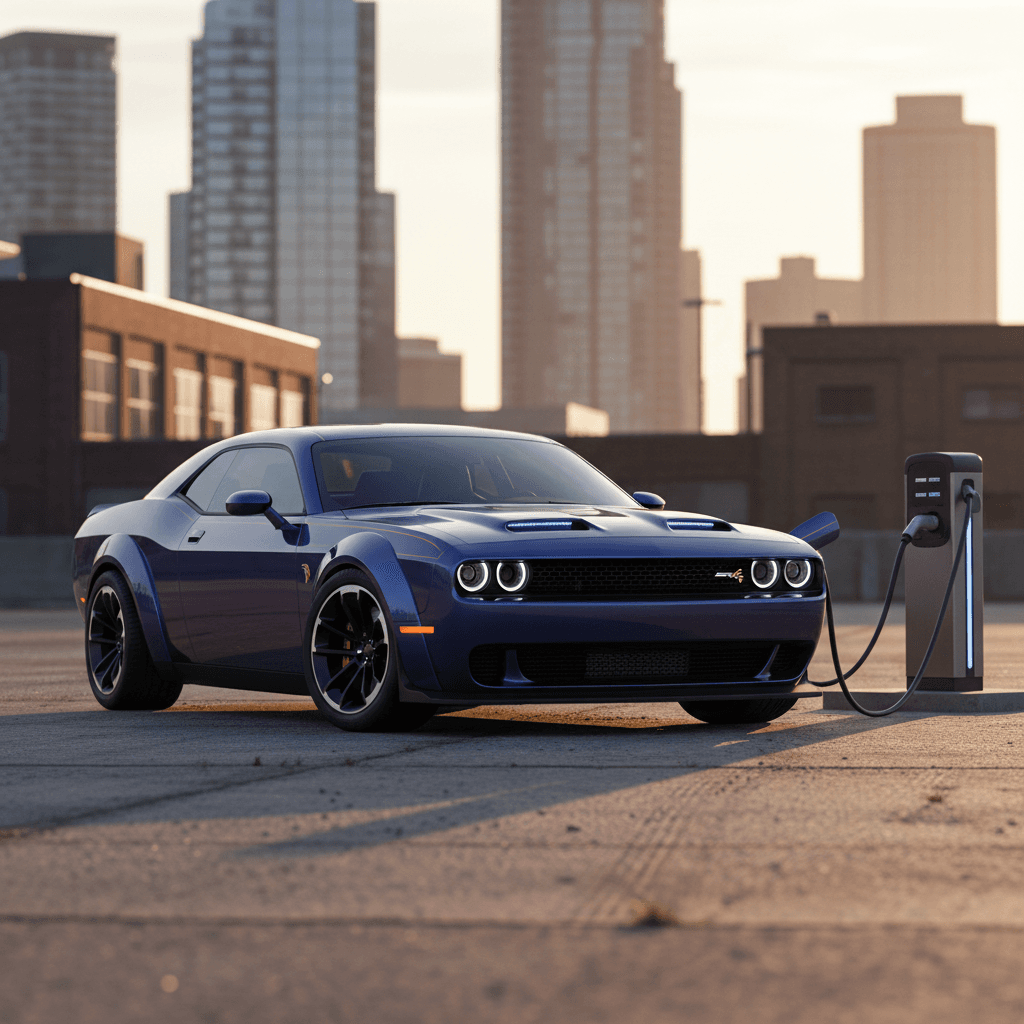
Dodge didn’t tiptoe into the EV pool; it cannonballed. The Charger Daytona EV arrived with two trims, R/T and Scat Pack, and pricing more befitting a German luxury coupe than a blue‑collar muscle car. For 2024–2025, the R/T’s base MSRP hovered around $59,595–$61,590, while the Scat Pack opened in the low‑to‑mid‑$70,000s, before a $1,900–$2,000 destination charge and options.
Reality has since intervened. EV demand cooled, gas V8s staged a comeback, and by late 2025 Dodge is offering heavy incentives and even trimming future model‑year pricing. The R/T trim has reportedly been dropped for 2026, leaving the Scat Pack as the sole electric variant at a lower advertised base of about $59,995. In other words: the halo EV muscle car is already on sale, and that’s good news if you’re shopping.

MSRP vs what people actually pay
On paper, the Dodge Charger EV price looks brutal. In practice, very few people are paying the number on the window sticker. Stellantis has been leaning on cash rebates, low‑APR financing, and lease support to keep Chargers moving.
Charger EV pricing: sticker vs street
How the advertised price compares to the deal you might actually sign
MSRP + destination
Base prices (2024–2025 coupes):
- Daytona R/T: around $59,595–$61,590
- Daytona Scat Pack: about $73,190–$75,000
- + roughly $1,900–$2,000 destination fee
Factory & dealer incentives
Dodge has thrown serious money at the hood:
- National Consumer Cash offers in the $7,500+ range
- Stackable bonuses (Performance Days, conquest cash, etc.)
- Occasional 0% APR for extended terms
Real‑world transaction prices
Once the dust settles, many buyers are winding up at:
- Mid‑to‑high $50Ks for R/Ts (while they last)
- Low‑to‑mid $60Ks for Scat Packs
- Even lower effective prices on aggressively subsidized leases
Watch the fine print
Also note: as of late 2025, the federal $7,500 EV tax credit on purchases has been eliminated. Some brands are still back‑dooring the value into leases via their captive finance arms, but that’s largely a Ford/GM story. With Dodge, the big reductions you see are usually straight cash on the hood or subvented APR, not federal money.
Charger EV trims, power and range
To understand why the Charger Daytona EV carries the price it does, you have to look at what it’s selling: numbers that would have been certified insane just a decade ago.
Dodge Charger Daytona EV trims, power and est. price bands
Core specs and real‑world pricing bands for current electric Charger variants.
| Trim | Battery | Horsepower (est. 2025 tune) | 0–60 mph (est.) | Typical street price* |
|---|---|---|---|---|
| Daytona R/T | ~100 kWh | ~456–496 hp | ~4.7 s | High $50Ks–low $60Ks while inventory lasts |
| Daytona Scat Pack | ~100 kWh | ~590–670 hp | ~3.3 s | Low‑to‑mid $60Ks after incentives |
All Charger Daytonas use a roughly 100 kWh battery and all‑wheel drive; range estimates vary by tune and wheel/tire package.
The muscle still matters
Range estimates have hovered around the low‑300‑mile mark for the milder R/T tune and roughly 260 miles for more aggressive Scat Pack setups. If you drive it like it looks, hard, the real‑world number will be lower. Part of what you’re paying for isn’t range heroics; it’s the theatre: the faux exhaust, the launch theatrics, the ability to turn rear tires into abstract art.
Packages and options that move the price
With Dodge, the base price is just the beginning of the conversation. The Charger Daytona comes with a menu of packages that can add $5,000–$10,000 in a blur if you’re not careful.
- Plus Group (~$4,995): Often bundles ventilated seats, upscale interior trim, 360° camera, premium lighting, and convenience features. Great for daily drivers, but it turns a $60K coupe into a $65K+ coupe instantly.
- Sun & Sound (~$2,495): Glass roof and premium audio. Lovely, but heavy, both in weight and price.
- Carbon & Suede (~$2,995, Scat Pack): Exterior carbon and blacked‑out bits, plus suede and leather inside. It’s the car Dodge wanted to put on the billboard.
- Track/Performance packages: Wider, stickier rubber, performance brakes, cooling, and software. Fantastic on a road course, marginal in a pothole‑rich daily commute.
- Cosmetic packs (Blacktop, appearance kits): Wheels, badging, and color/stripe combinations that mostly affect how much attention you get at gas stations you’re no longer using.
Optioning for value, not regret
Good value options
- Comfort & convenience packs you’ll use every day
- Driver‑assist features that keep insurance happier
- All‑weather tires if you’re not in a Sunbelt state
Easy ways to overspend
- Stacking multiple appearance packages
- Top audio + glass roof + carbon packs on a Scat Pack
- Dealer add‑ons (VIN etching, nitrogen, mystery protection plans)
Discounts, incentives and why prices are dropping
Dodge did not plan to put the Charger Daytona EV on sale this quickly. The market forced its hand. Shoppers have been slower to embrace pricey performance EVs, the much‑teased Banshee halo model has reportedly been shelved, and Dodge has publicly pivoted back toward six‑cylinder and V8 power for other models. Result: serious markdowns on the electric hero car.
How to hunt the best Charger EV deal
1. Separate factory vs dealer money
Ask the salesperson to list which incentives are Dodge/ Stellantis programs and which are dealer discounts. Factory incentives are more stable; dealer discounts are where negotiation lives.
2. Compare purchase vs lease math
With the federal purchase credit gone, leases sometimes get more love from the manufacturer. Even if you plan to buy, compare total cost of a 36‑month lease vs a 72‑month loan.
3. Watch model‑year transitions
Late in the year, outgoing‑model Chargers can carry the biggest rebates. Just remember you’re also buying an older model year on the title, which affects future resale.
4. Check multiple ZIP codes
Incentives can be wildly regional. If you’re willing to travel, or ship the car, you might find a substantially better offer a state or two away.
5. Don’t finance the markup
Low‑APR offers can hide inflated prices. Negotiate the selling price first, then talk about rate and term.
Careful with long‑term 0% loans
Real ownership costs: charging, insurance and depreciation
Price is one thing; cost is another. The Charger Daytona EV is not a cheap car to buy, but over five years its running costs paint a more nuanced picture. Electricity is almost always cheaper per mile than premium gas, maintenance is lower, but insurance and depreciation can sting.
What owning a Charger EV really costs
Where the money goes after you leave the showroom
Charging vs fuel
If you’re coming from a 15–20 mpg V8 sedan, home charging at average U.S. rates can easily cut your energy cost per mile by half or more. Frequent DC fast charging narrows the gap, figure it as ‘premium‑adjacent.’
Insurance & tires
High‑output, heavy performance EVs are insurance catnip. Get real quotes before you sign. Also budget for sticky, wide performance tires; they wear faster than your last Camry’s all‑seasons.
Depreciation
First‑wave performance EVs tend to depreciate faster than bread‑and‑butter models. If Dodge does a hard turn back to gas power, that can either hurt values, or make the Daytona EV a cult collectible. Don’t bank on the latter.
Where EVs quietly save you money
Dodge Charger EV vs used performance EVs
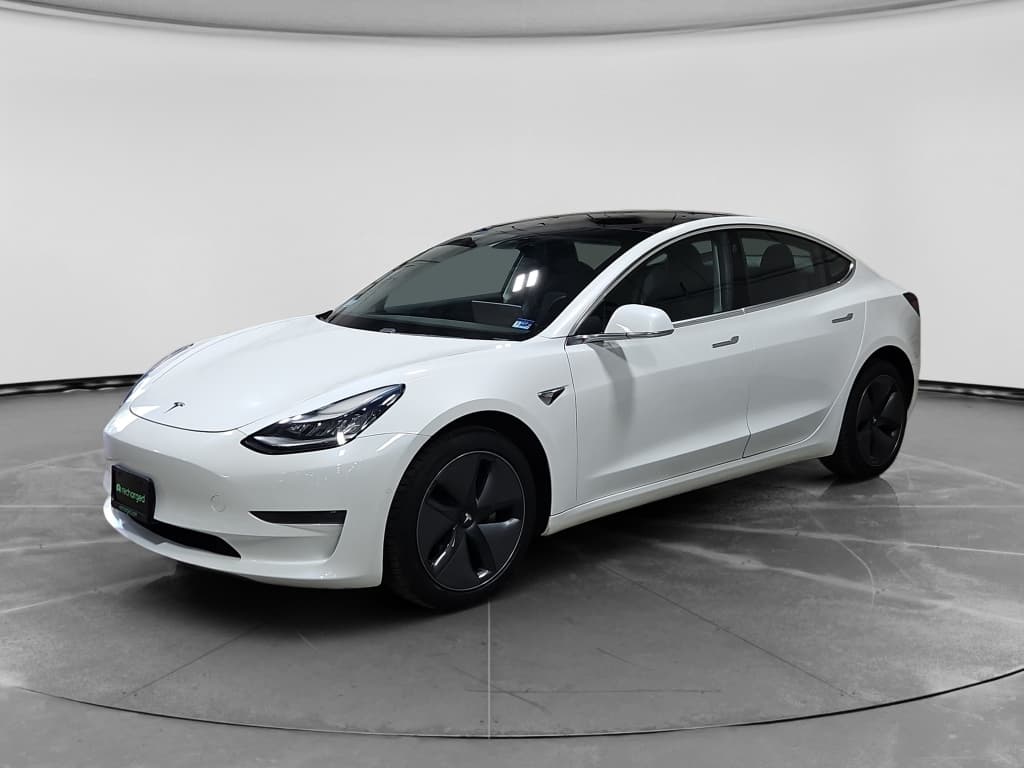
Here’s the uncomfortable part for Dodge: once you’re in the $60K+ conversation, the cross‑shop list explodes. You’re not just competing with new Mustangs and Camaros; you’re staring straight at lightly used Tesla Model 3 Performance, Model Y Performance, Kia EV6 GT, and other deeply fast EVs that undercut the Charger’s price or match it with more range and tech.
Charger Daytona Scat Pack vs typical used performance EVs
High‑level comparison of what your money buys new vs used in late 2025.
| Vehicle | Model year (typical used) | Power / 0–60 mph | Typical price range | Pros |
|---|---|---|---|---|
| Dodge Charger Daytona Scat Pack (new) | 2025–2026 | ~670 hp / ~3.3 s | Low‑mid $60Ks after discounts | Iconic styling, EV muscle car attitude, warranty |
| Tesla Model 3 Performance (used) | 2023–2024 | ~510 hp / sub‑3.5 s | Mid‑$40Ks to low‑$50Ks | Very quick, efficient, huge charging network |
| Kia EV6 GT (used) | 2023–2024 | 576 hp / ~3.4 s | Mid‑$40Ks to low‑$50Ks | Striking design, strong warranty, hatchback practicality |
| Hyundai Ioniq 5 N / similar (used) | 2024–2025 | 600+ hp / low‑3s | High‑$50Ks to low‑$60Ks | Track‑tuned, playful handling, sophisticated tech |
Exact prices and availability vary, but the pattern is clear: serious speed is cheaper if you let someone else take the first‑owner depreciation hit.
That’s where Recharged changes the conversation. Instead of squinting at a dealer’s online listing and wondering what “battery OK” means, every used EV we sell comes with a Recharged Score Report, verified battery health, fair‑market pricing, and an inspection geared specifically to EV failure points, not just oil leaks and brake pads.
Try this before paying new‑car money
How to shop the Charger EV price like a pro
Think of the Charger Daytona EV as a boutique product in a mass‑market showroom. The key is to separate the spectacle from the spreadsheet. Here’s a simple playbook.
Smart shopping steps for Charger EV buyers
1. Decide your ceiling before you see the car
Walk in knowing your absolute max out‑the‑door price, not a monthly payment. The Charger is designed to seduce; your budget is the only adult in the room.
2. Get pre‑qualified elsewhere
Check rates with your bank or credit union, and consider getting pre‑qualified for EV financing through platforms like <strong>Recharged</strong> for used EVs. Better outside offers give you leverage in the F&I office.
3. Build the car on Dodge’s site, then subtract options
Use the configurator to see what a fully loaded fantasy spec costs, then delete anything that doesn’t change how the car feels to drive or live with daily. That number is usually lower, and more honest.
4. Ask for a full written buyer’s order
Before you fall in love, get a line‑item breakdown: sale price, doc fees, add‑ons, taxes, tags, incentives. Compare that to offers from other dealers, even in neighboring states.
5. Calculate 5‑year cost, not just day‑one price
Include electricity, insurance, and realistic depreciation. Then compare that total to a used performance EV from Recharged with known battery health and a lower starting price.
The Charger Daytona EV is less a Prius with anger issues and more a Hellcat that joined a startup, got stock options, and started wearing Allbirds, still loud at parties, just in a different currency.
Dodge Charger EV price: FAQs
Frequently asked questions about Dodge Charger EV pricing
Bottom line: Is the Dodge Charger EV price worth it?
If you look at the Dodge Charger EV price purely as a math problem, the answer is simple: there are cheaper ways to go very, very fast in an electric car, especially if you’re willing to buy used. A discounted Charger Daytona Scat Pack is still a premium toy in a world where slightly older Teslas and Korean hot‑hatch EVs deliver similar thrills for less.
But cars like this were never about sensible spreadsheets. The Charger EV is about planting a flag: the first mainstream American electric muscle car, all swagger and instant torque. If that speaks to you and you go in with clear eyes, knowing your ceiling, interrogating incentives, and understanding long‑term costs, the right deal can make sense.
If what you really want is performance, low running costs, and transparency, it’s worth pulling up a few used EV listings on Recharged before you sign for a new Charger. Every car we sell includes a Recharged Score Report with verified battery health, fair‑market pricing, and expert EV support from first click to driveway delivery. Whether you end up in a Dodge badge or something quieter, make sure the numbers thrill you as much as the 0–60 time.